7 Secrets of the Chanel Flap Bag
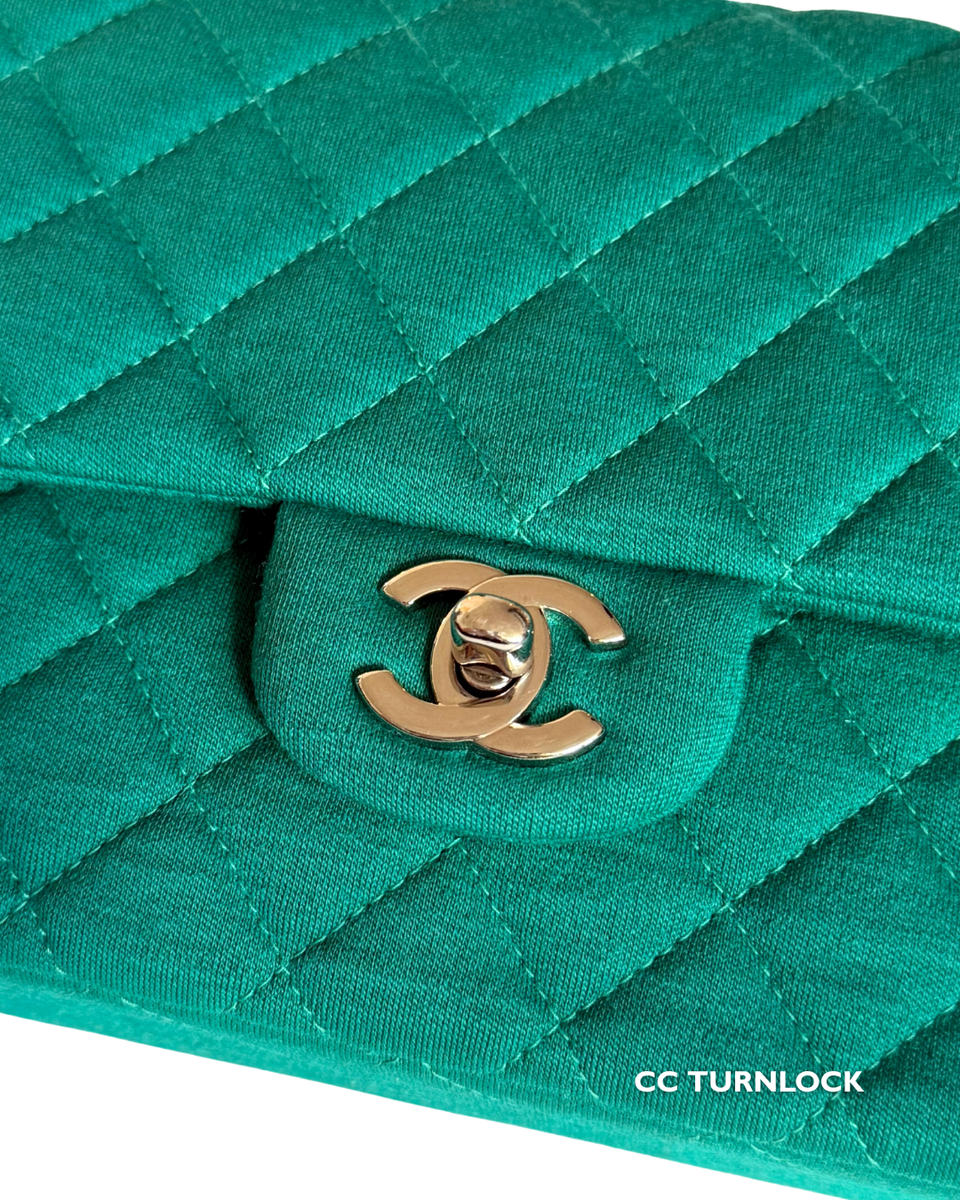
1) The Turnlock: Form, Function, and a Little Theater
The Chanel turnlock is more than a logo. It’s a tiny piece of choreography. One twist secures the interior without a zipper, protecting leather edges and making access quick. On many vintage examples, the turnlock’s hardware weight and crisp rotation are telltale signs of quality; the action should feel smooth, not loose. Pro tip when buying vintage: inspect for plating wear around the “C” edges and hairline scratches — light patina is expected, but wobble is not.
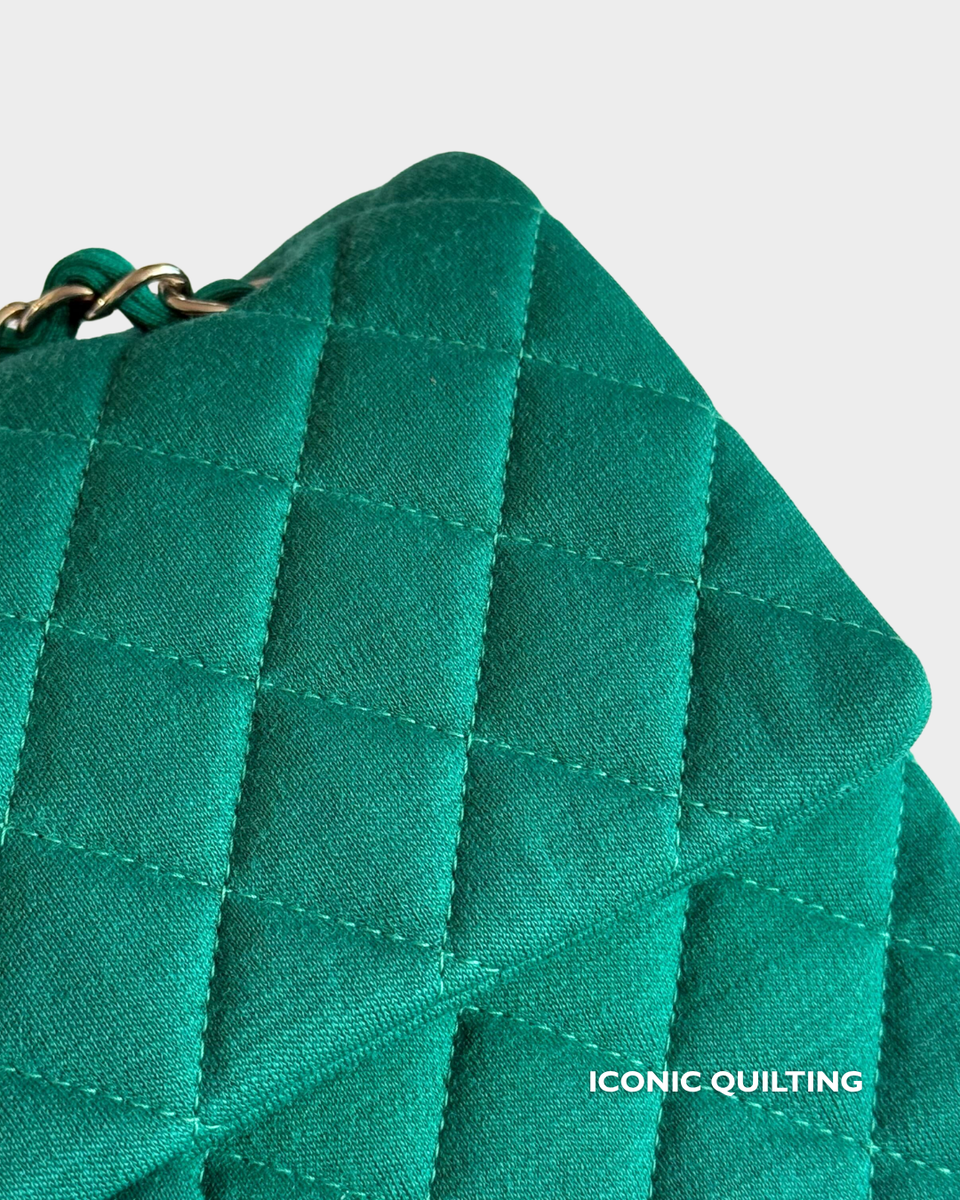
2) Quilting Pattern: Architecture You Can Wear
The diamond quilting isn’t just decoration; it’s structure. The stitched grid distributes stress so the bag holds its silhouette, and on many vintage pieces you’ll notice puffier quilting that softens with time in a very flattering way. Alignment matters — diamonds should meet cleanly across seams and flaps. Slight flattening is normal with age; proper storage (stuffing, dust bag, away from heat) preserves loft.
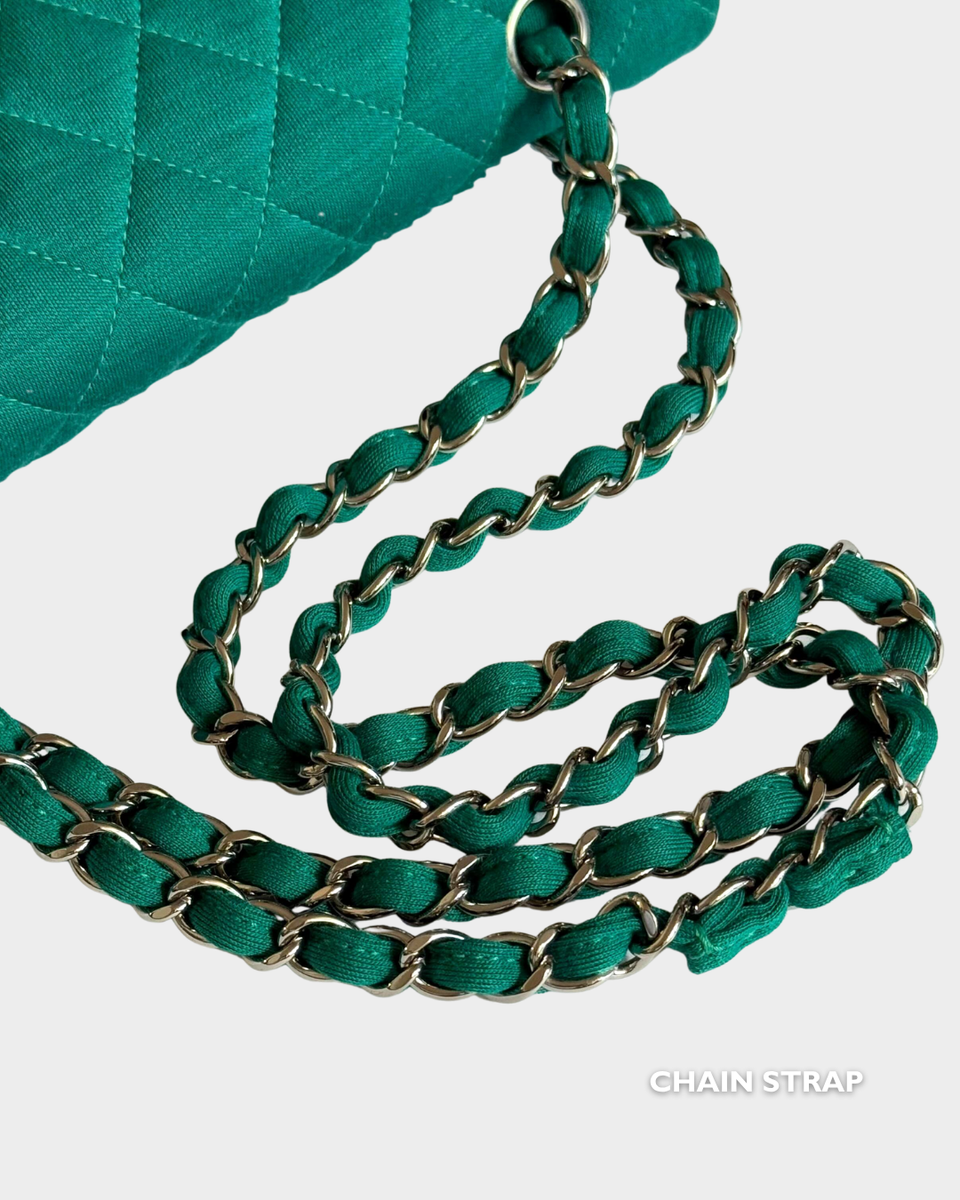
3) The Chain: Versatility in Two Links
The interlaced leather-and-chain strap turns one bag into three carries: long shoulder, crossbody (on some sizes), and doubled-up short shoulder. Vintage chains often feel weightier with tighter links; modern variants can vary by season. Look for even plating tone and consistent leather lacing. A styling trick we love in the showroom: tuck a short section of chain inside to “micro-adjust” the drop without knots.
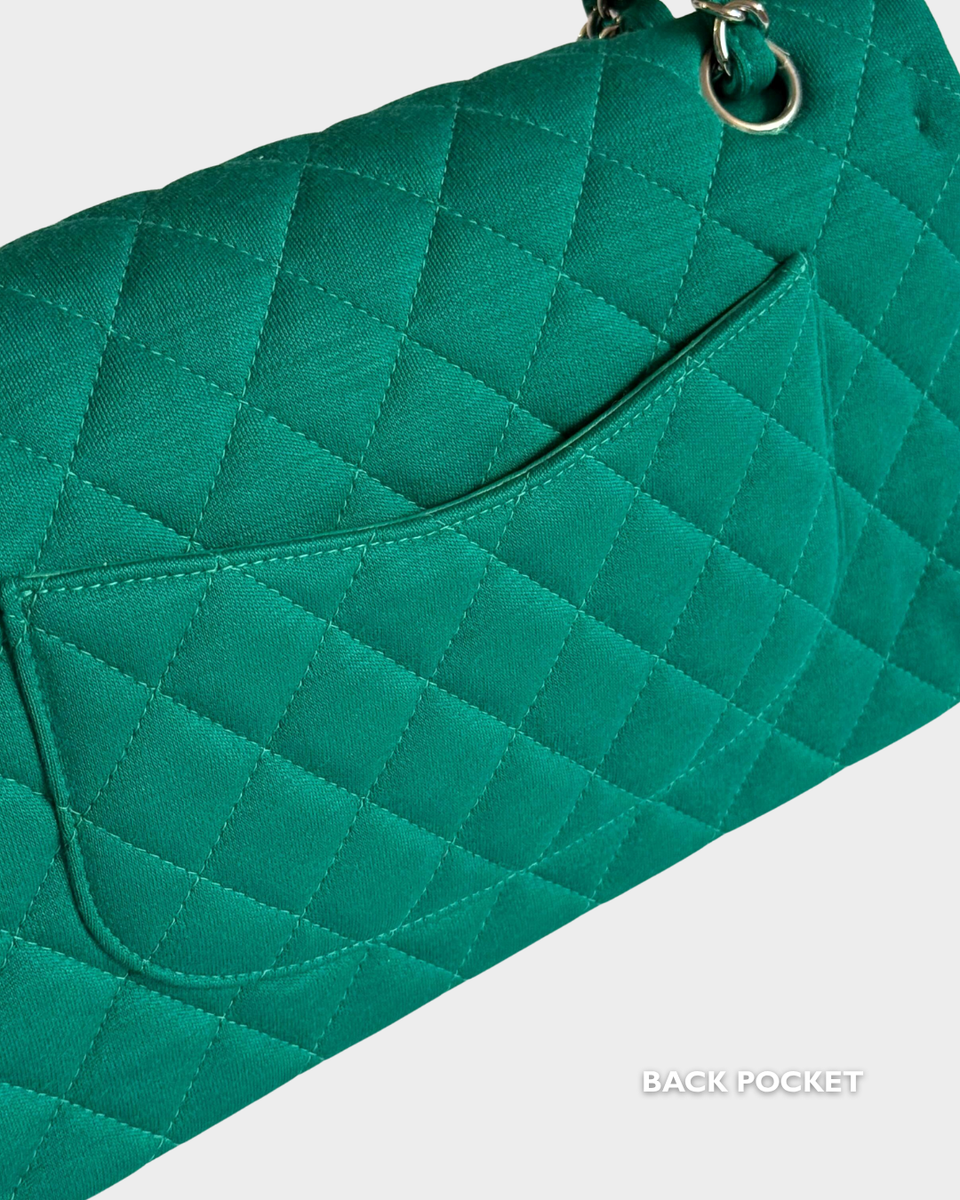
4) The Back Pocket: A Postcard to Practicality
The curved back slip pocket is famously sized for slim essentials: think metro card, receipts, or phone notes. On many vintage flaps the pocket’s curve echoes the smile line, a subtle detail that keeps the profile elegant while offering quick access without opening the bag.
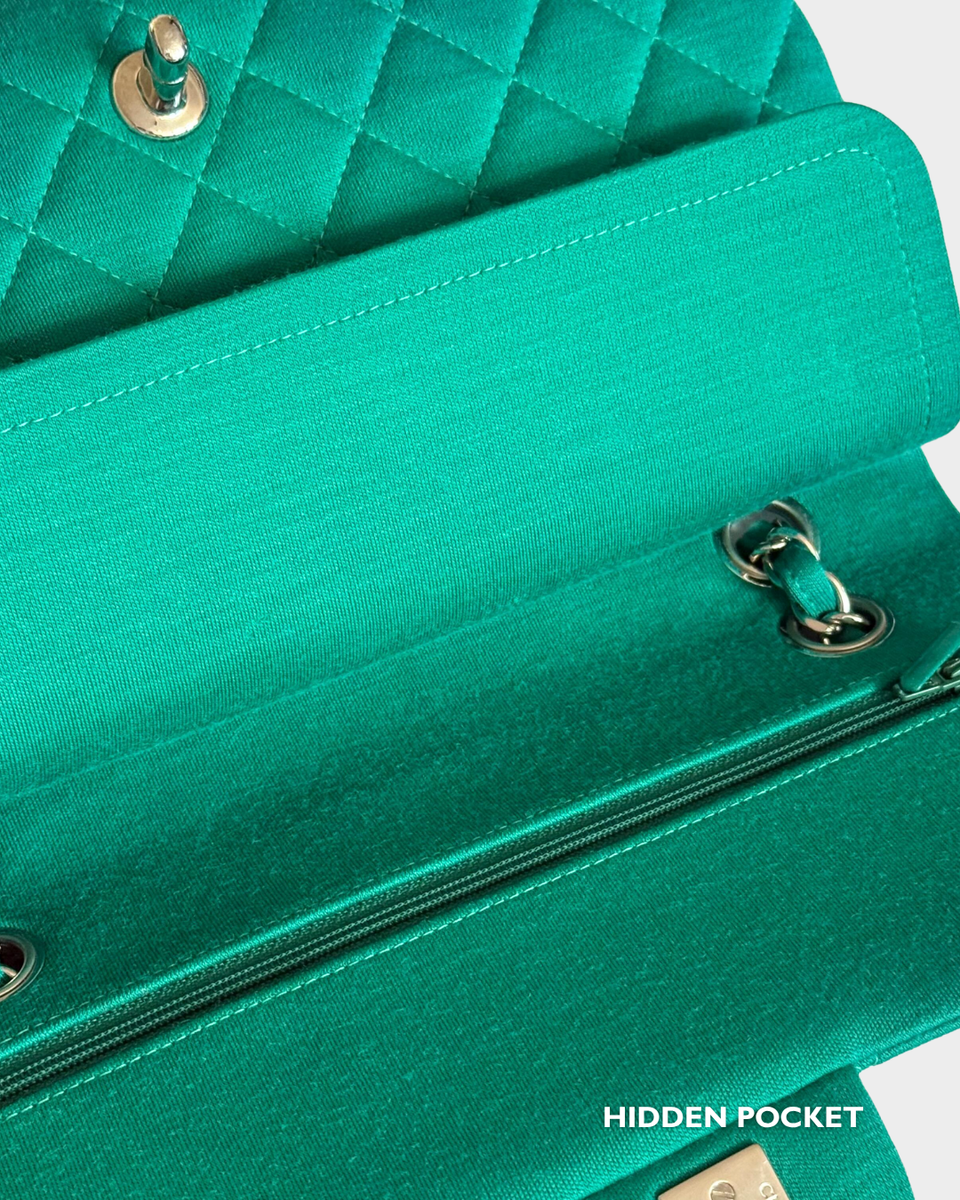
5) The Hidden Pocket: Security Without Bulk
Lift the first flap and you’ll often find a shallow zip pocket tucked along the interior wall. It’s discreet — ideal for flat valuables like a ring wrapper, spare bills, or a key in a pouch. Because the pocket sits between flaps, it’s protected from prying eyes and adds zero visual bulk to the exterior.
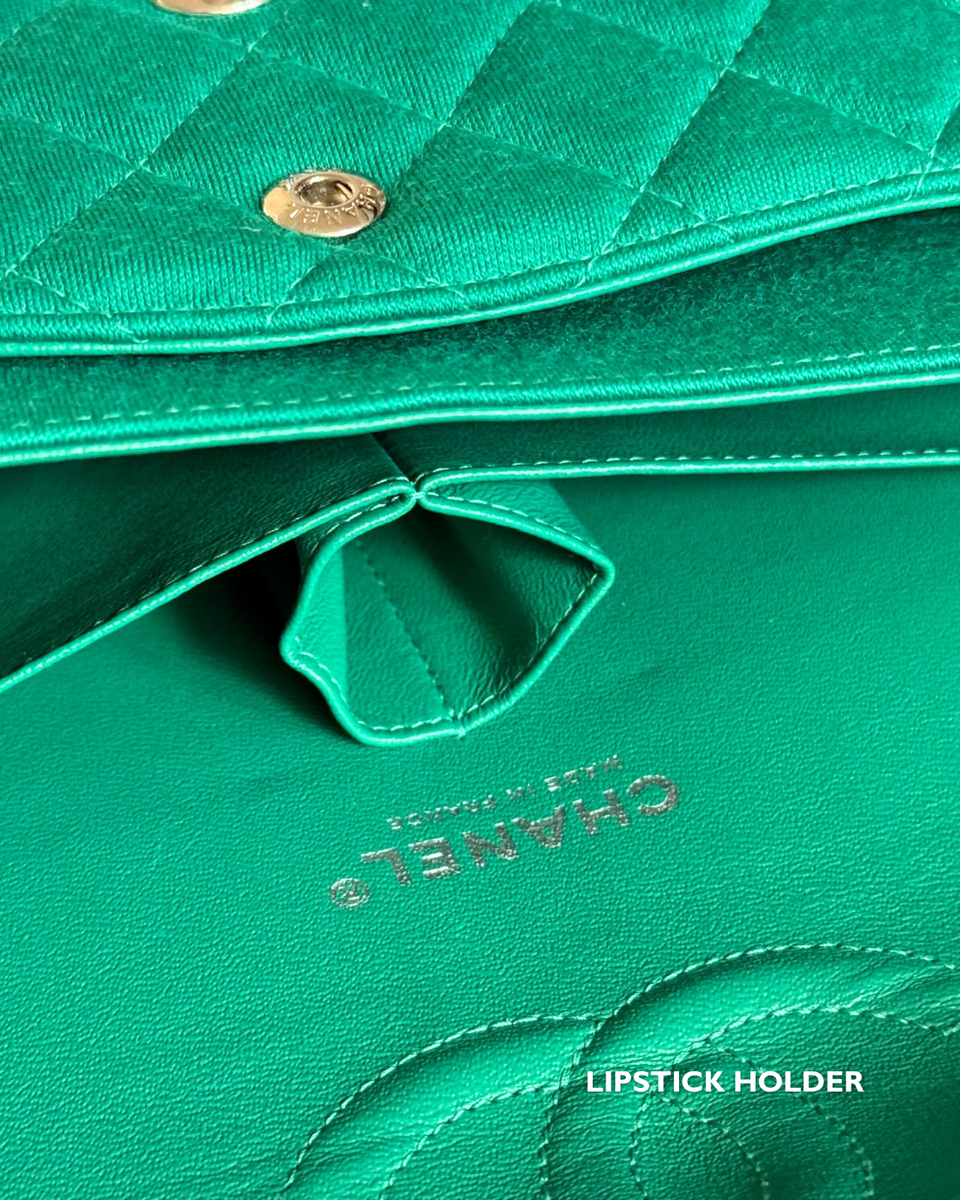
6) The Lipstick Holder: A Love Letter to Daily Rituals
One of the most charming details is the slim vertical sleeve inside designed to cradle a lipstick. Beyond cosmetics, it’s a neat slot for AirPods cases or a slim pen. Vintage interiors often feature this compartment; check stitching integrity and spacing to confirm it hasn’t been stretched by bulky objects.
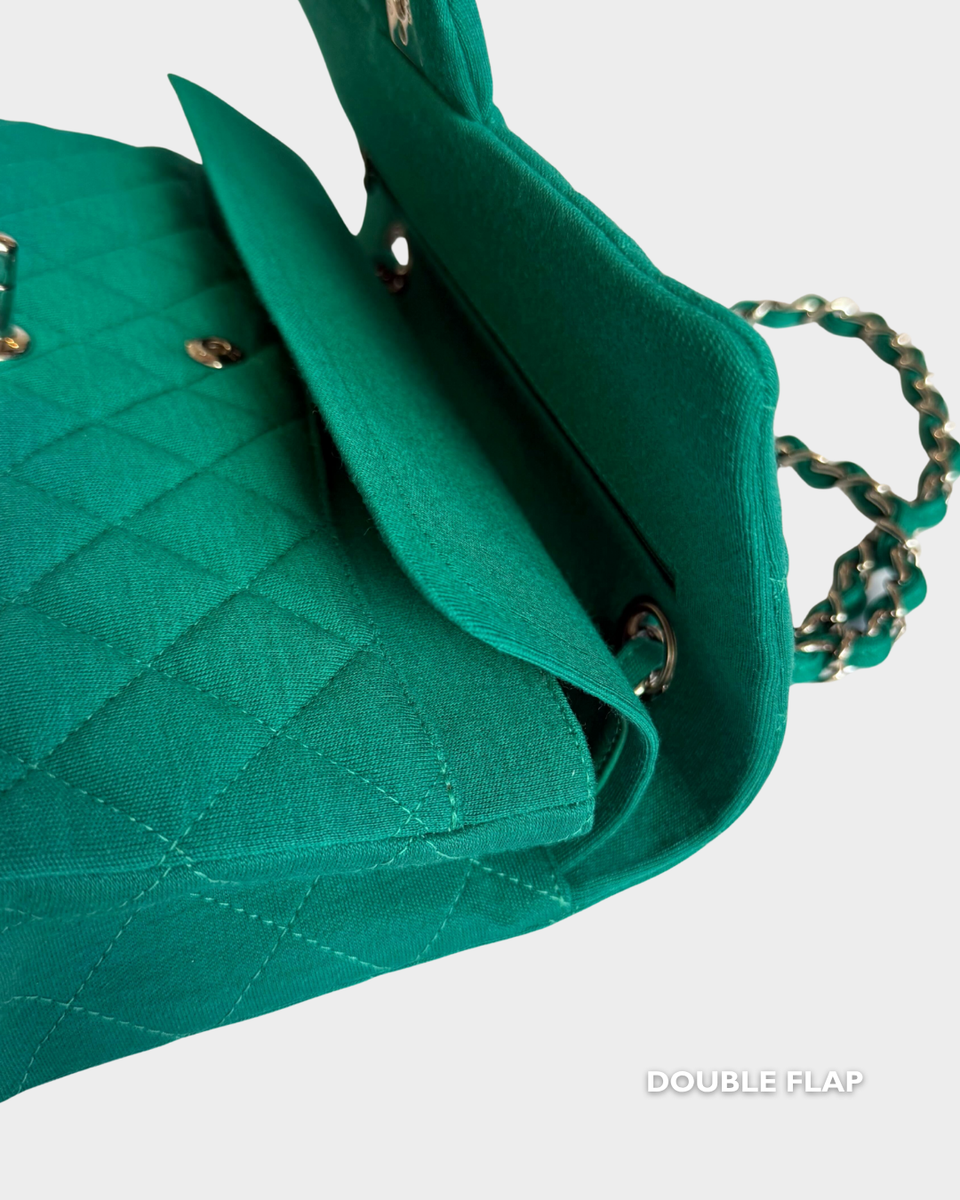
7) The Double Flap: Balance, Security, and Shape
The second flap does three jobs: (1) it creates an extra barrier against spills and pickpockets, (2) it distributes weight so the outer flap doesn’t crease, and (3) it frames the interior for better organization. If you prefer a lighter carry, single-flap versions exist, but the classic double flap is prized for its structure and longevity especially in vintage.
How to Spot Quality in Vintage Chanel Flap Bags
- Hardware feel: Turnlock and chain should feel dense; motion smooth, not rattly.
- Quilting continuity: Diamonds line up across seams; corners are evenly padded.
- Interior condition: Clean lining, intact lipstick sleeve, tidy edge painting.
- Strap integrity: Even leather lacing, no frayed stitches where chain meets grommets.
Caring for Your Flap (So It Lasts Decades)
- Storage: Stuff lightly with tissue, store upright in a breathable dust bag.
- Rotation: Avoid wearing the same shoulder every day to minimize chain imprint.
- Surface care: Wipe hardware with a soft cloth after wear; keep leather away from heat/sun.
- Service: Address loose stitching or edge wear early with a trusted specialist.