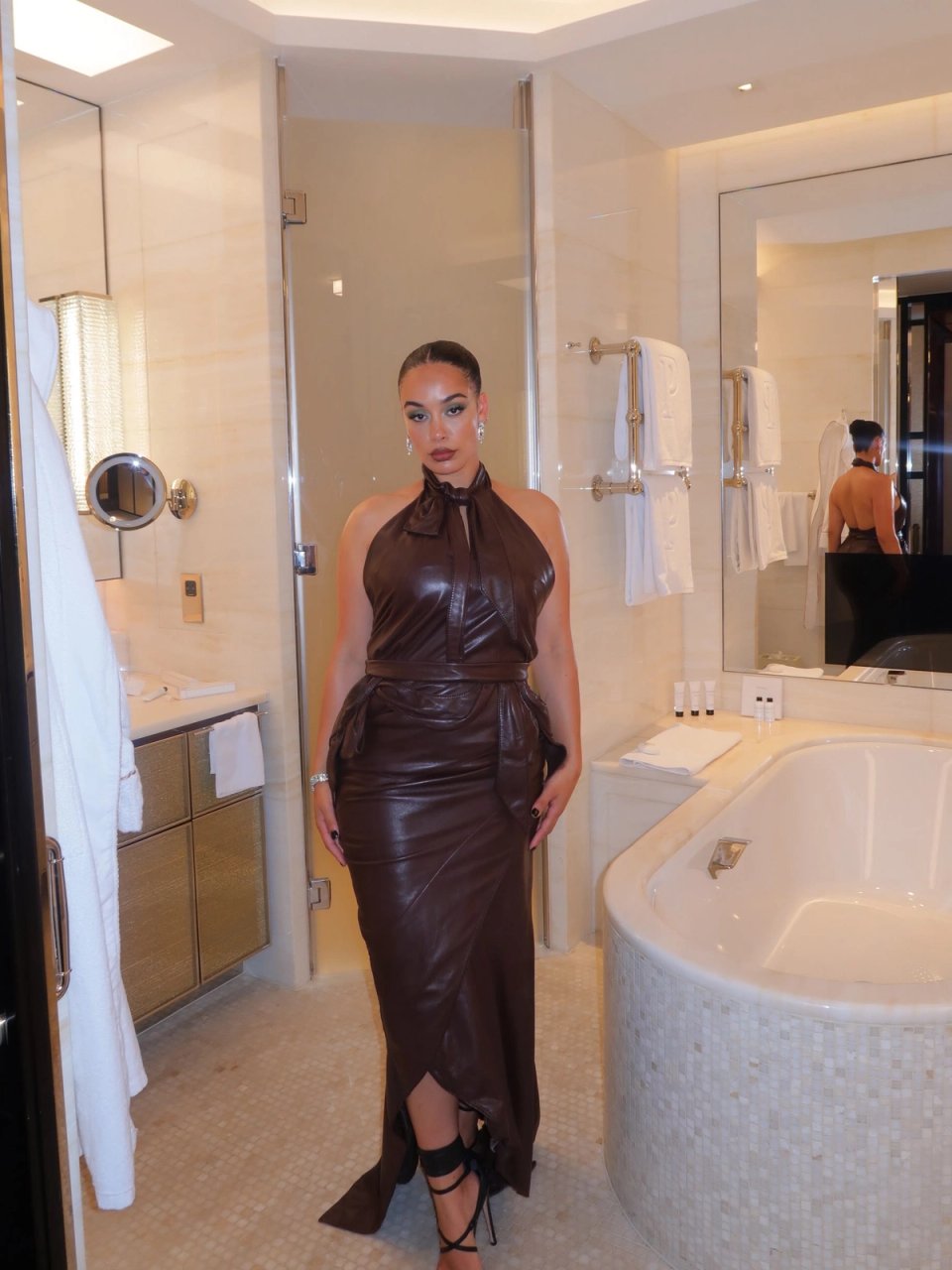
THE NINA RICCI LEATHER GOWN JORJA SMITH WORE TO THE ELLE STYLE AWARDS
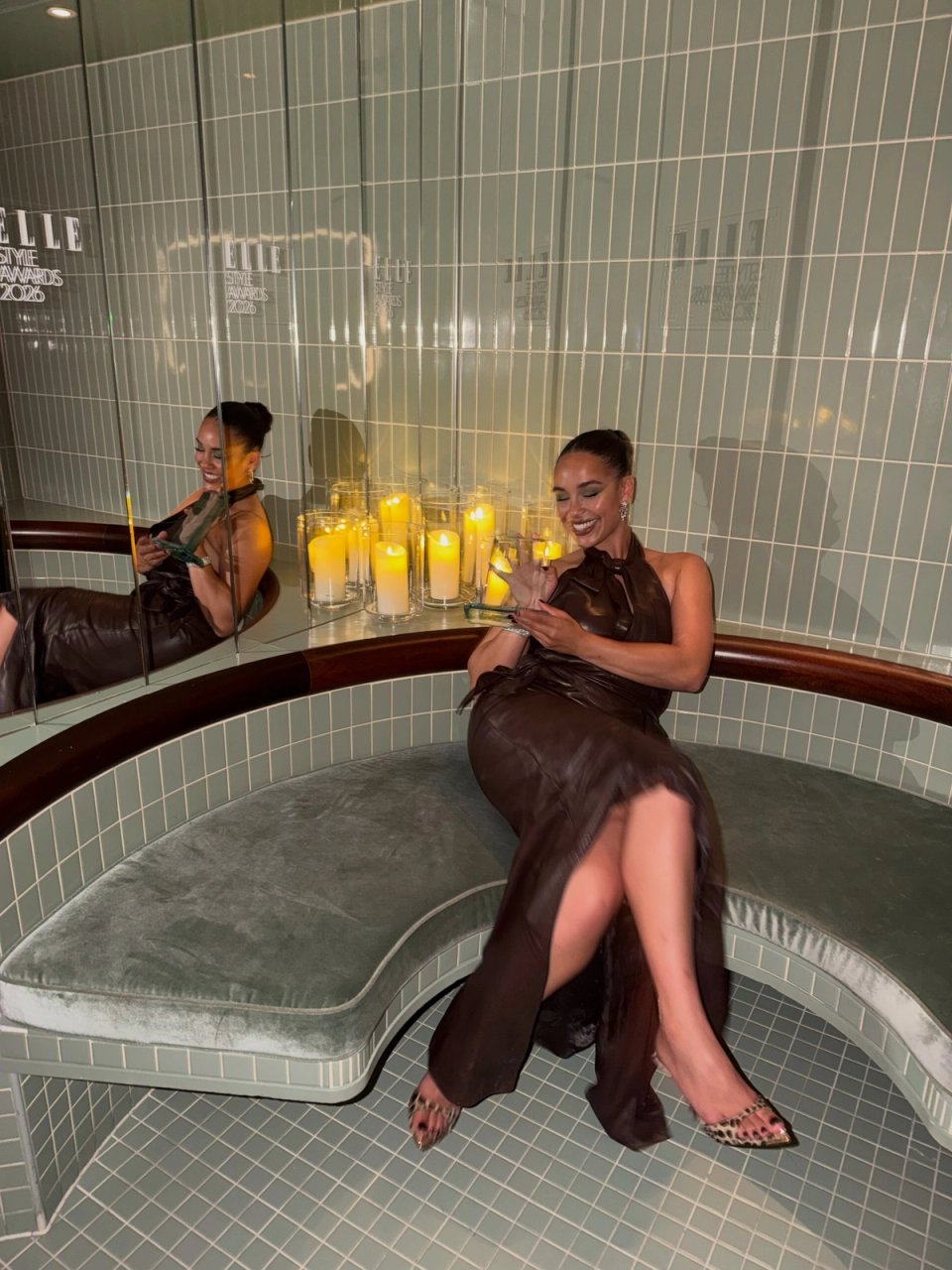
THE NINA RICCI LEATHER GOWN JORJA SMITH WORE TO THE ELLE STYLE AWARDS
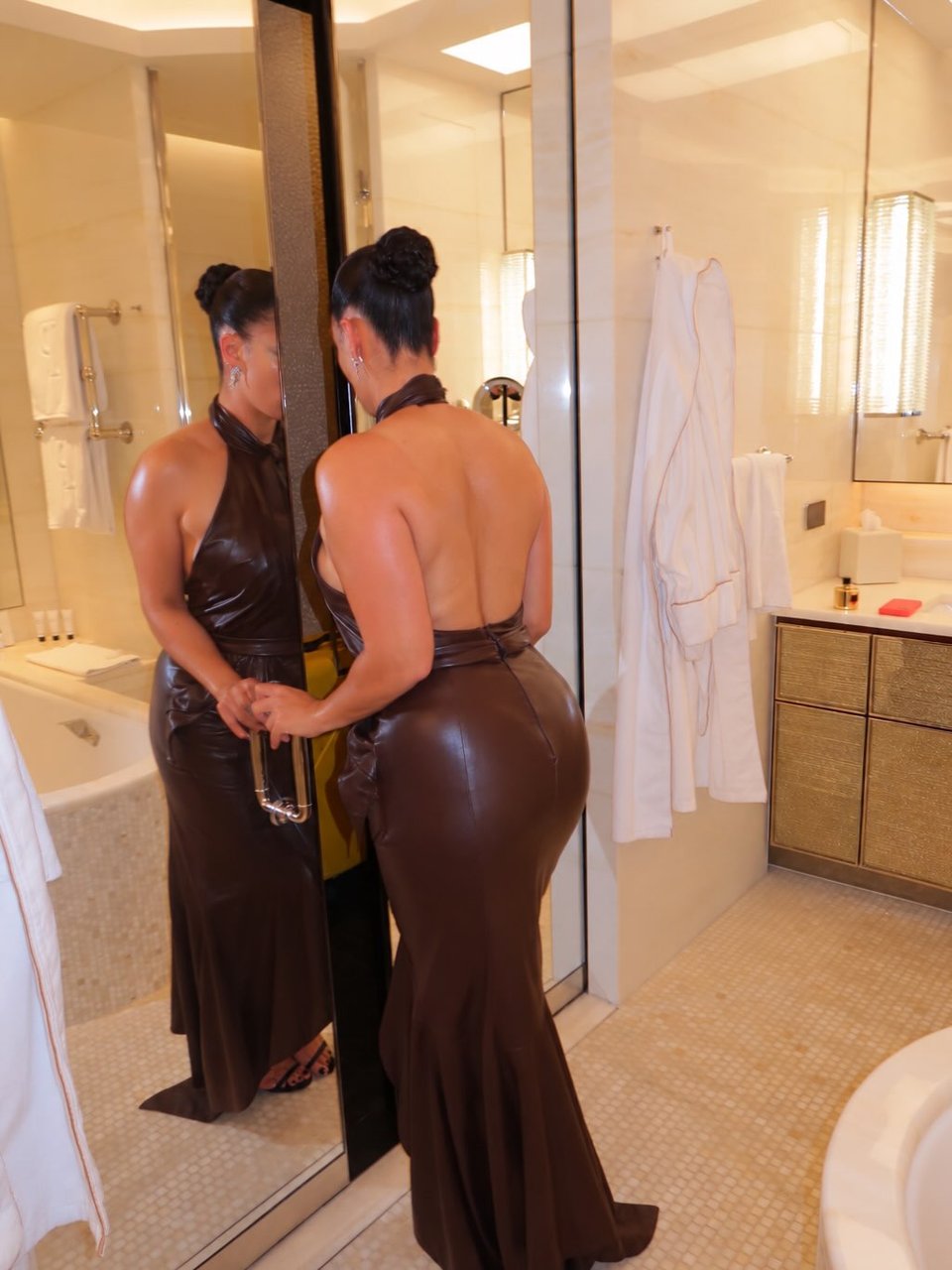
THE NINA RICCI LEATHER GOWN JORJA SMITH WORE TO THE ELLE STYLE AWARDS
THE NINA RICCI LEATHER GOWN JORJA SMITH WORE TO THE ELLE STYLE AWARDS
Jorja Smith stepped onto the red carpet at the ELLE London Style Awards in a rare piece of archival fashion: the Nina Ricci 2008 Brown Lambskin Leather Backless Evening Gown, sourced from Into Archive. Selected in collaboration with her stylist, the gown brings a distinctive vintage perspective to modern eveningwear, combining rich brown leather with a dramatic backless silhouette.
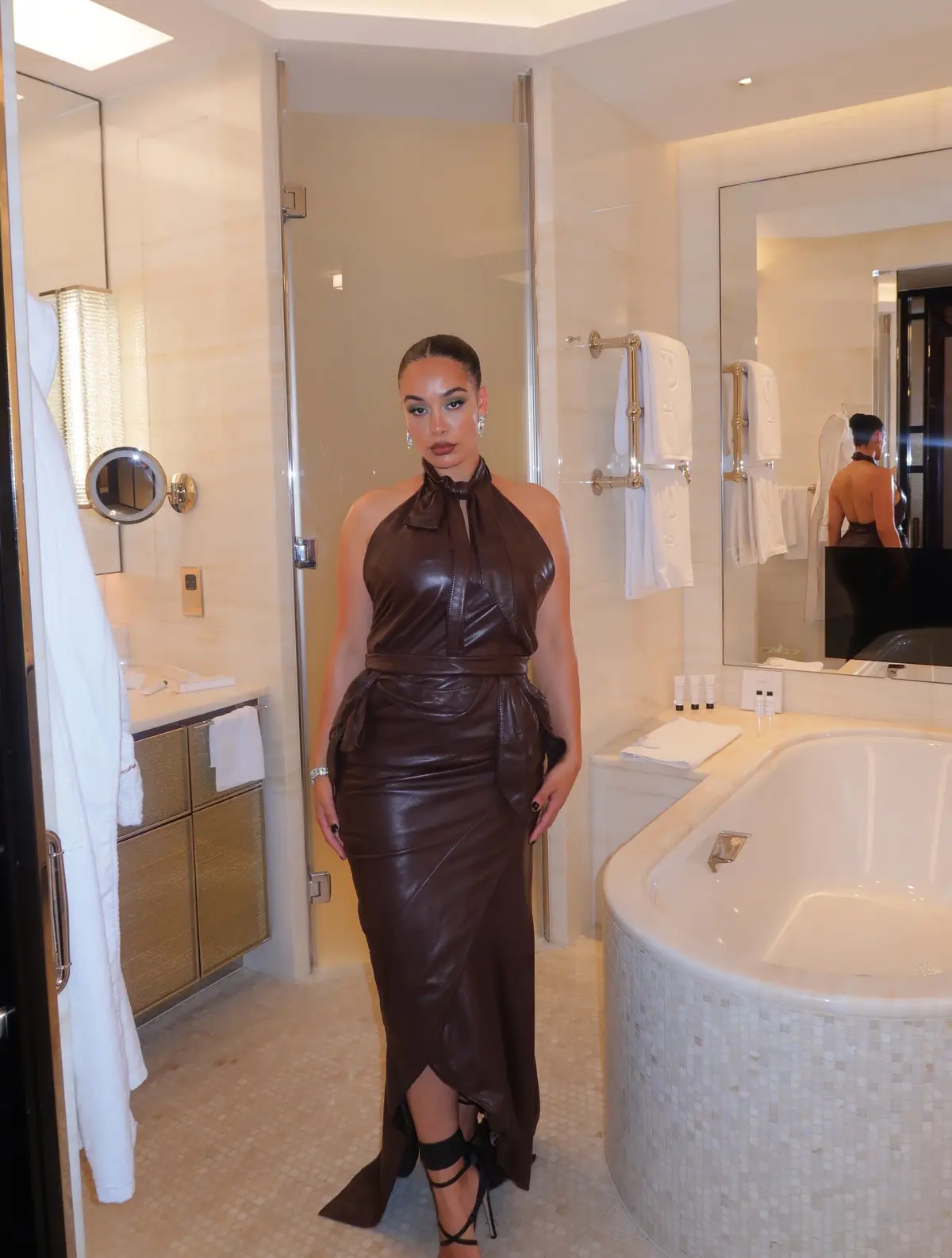
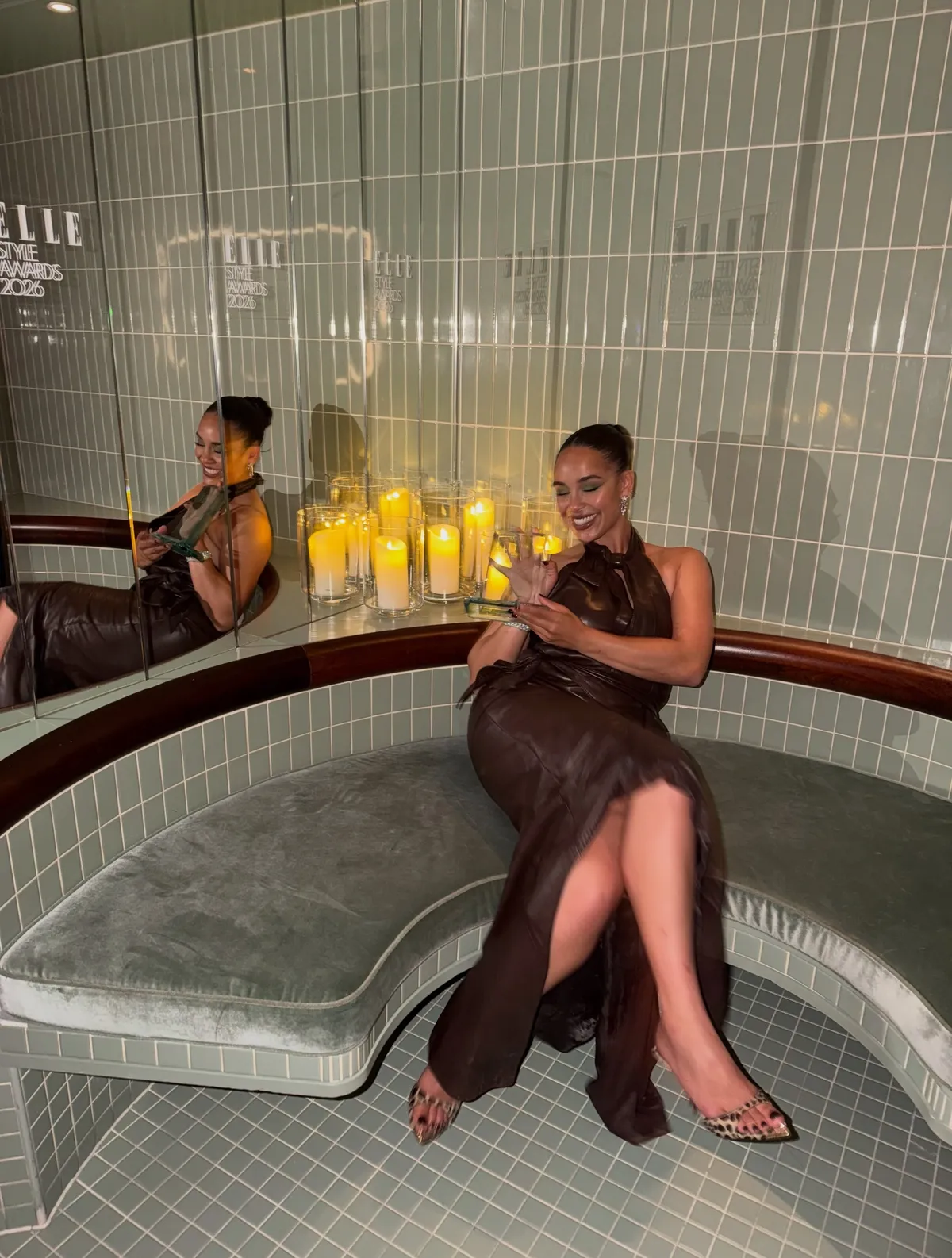
The look is a reminder of what makes archival fashion so compelling. Beyond the label, it is the material, construction, and sense of history that give a garment its character. In Jorja’s case, a Nina Ricci piece from 2008 becomes part of a contemporary red carpet moment, proving that the right vintage design can feel just as relevant today.
Jorja Smith’s archival Nina Ricci moment
The Nina Ricci 2008 Brown Lambskin Leather Backless Evening Gown is defined by its luxurious leather construction and striking open-back design. Crafted from supple brown lambskin, the gown brings an unexpected material into the world of evening dressing, where silk, satin, and velvet have traditionally dominated.
The rich brown tone adds warmth to the silhouette, while the backless construction introduces a sense of understated drama. Rather than relying on excessive embellishment, the gown makes its impact through the interplay of texture, shape, and skin.
Sourced from Into Archive, the piece was selected in collaboration with Jorja Smith’s stylist for the ELLE London Style Awards. The styling moment connects a rare Nina Ricci design from the late 2000s with contemporary red carpet fashion, giving an archival garment a new setting and perspective.
A closer look at the Nina Ricci 2008 gown
Leather eveningwear has a long history of challenging traditional ideas of formal dressing. Its structure and tactile finish can transform a familiar gown silhouette into something more unexpected, balancing elegance with a distinctly modern edge.
The Nina Ricci gown’s brown lambskin construction is central to its appeal. Unlike a conventional black leather dress, the warm color creates a softer, more nuanced interpretation of the material. Combined with the backless design, it creates a look that feels both refined and unconventional.
Pieces like this are part of what makes collecting archival fashion so rewarding. The details that once defined a particular fashion era can be reinterpreted through contemporary styling, revealing new possibilities in garments that might otherwise remain within vintage collections.
From the archive to the ELLE London Style Awards
The return of archival designer fashion to the red carpet reflects a wider interest in garments with distinct histories and identities. Stylists are increasingly turning to vintage and runway-era pieces to create looks that feel more personal and less tied to current seasonal collections.
Jorja Smith’s Nina Ricci gown captures that approach. Its leather construction and open-back silhouette offer a different perspective on formalwear, while its 2008 origins give the look a direct connection to fashion history.
At Into Archive, we work with stylists, artists, and fashion teams to source rare designer pieces for red carpet appearances, editorial projects, and creative productions. Our role is to connect distinctive garments from the past with the people shaping fashion today.
The Nina Ricci leather gown
The Nina Ricci 2008 Brown Lambskin Leather Backless Evening Gown is part of Into Archive’s collection of rare and collectible designer fashion.
Jorja Smith wearing the gown at the ELLE London Style Awards highlights the enduring appeal of archival eveningwear. With its rich leather finish and distinctive silhouette, the piece offers a fresh interpretation of formal dressing while preserving the character of its original era.
→ Rent the Nina Ricci 2008 Brown Lambskin Leather Backless Evening Gown
About Into Archive
Into Archive is a New York-based destination for rare and collectible fashion, bringing together archival designer pieces from across decades and around the world. The archive works closely with stylists, artists, and fashion teams to source distinctive pieces for editorial, red carpet, music, and creative projects.

LISA WEARS RARE MIU MIU SS 2008 BOOTS IN “SAWADIKA”
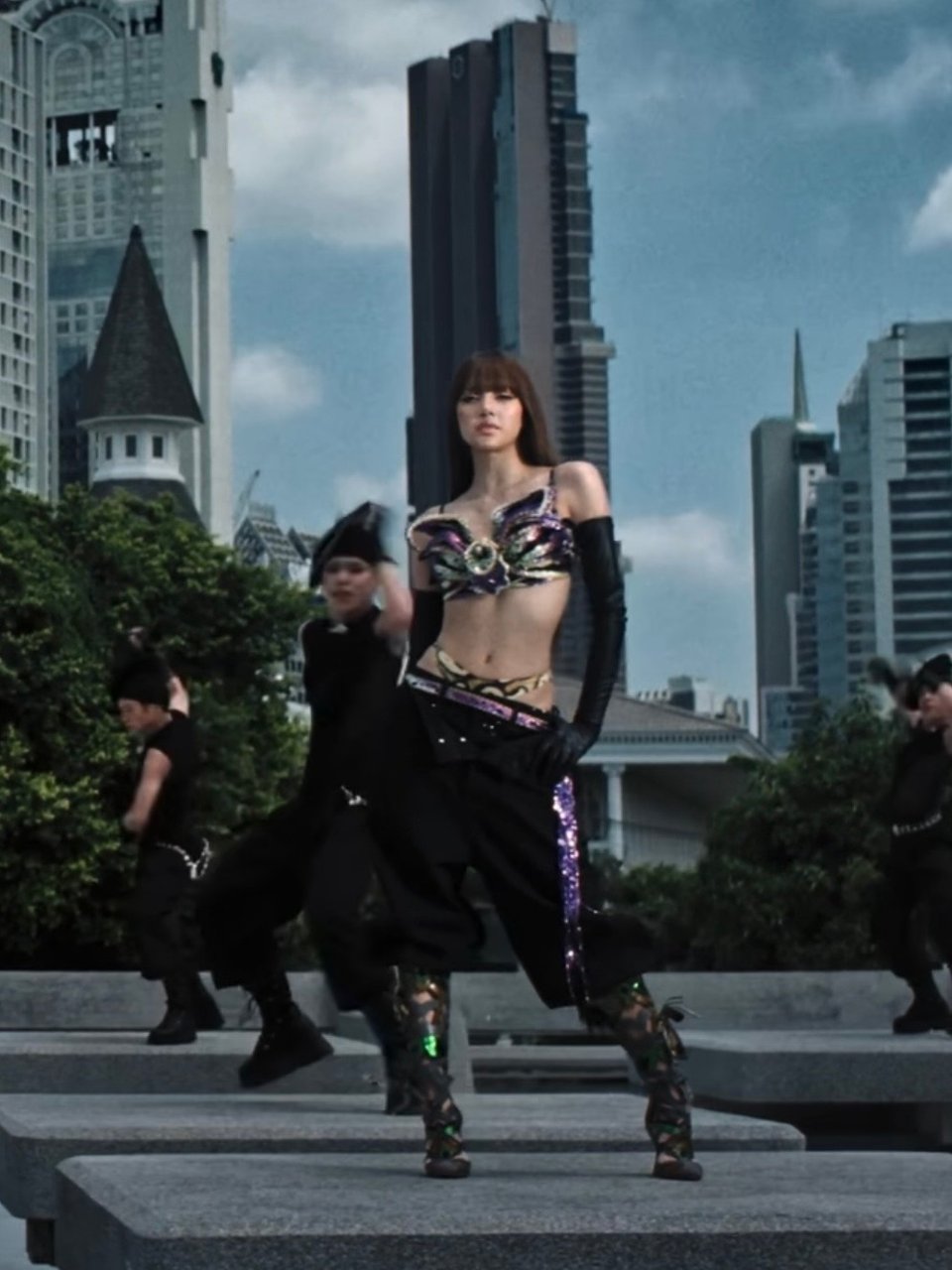
BLACKPINK’s Lisa steps into the Miu Miu archive for her latest music video, “Sawadika,” wearing a rare pair of Miu Miu SS 2008 Runway Python Leather Cut-out Dragonfly Boots sourced from Into Archive.
The look came together through Into Archive’s work with Lisa’s styling team, bringing one of Miu Miu’s most distinctive archival accessories back into the spotlight. Pulled from Into Archive’s collection of rare designer pieces, the boots add an unexpected archival layer to Lisa’s visual world in “Sawdika.”
Lisa goes archival in “Sawadika”
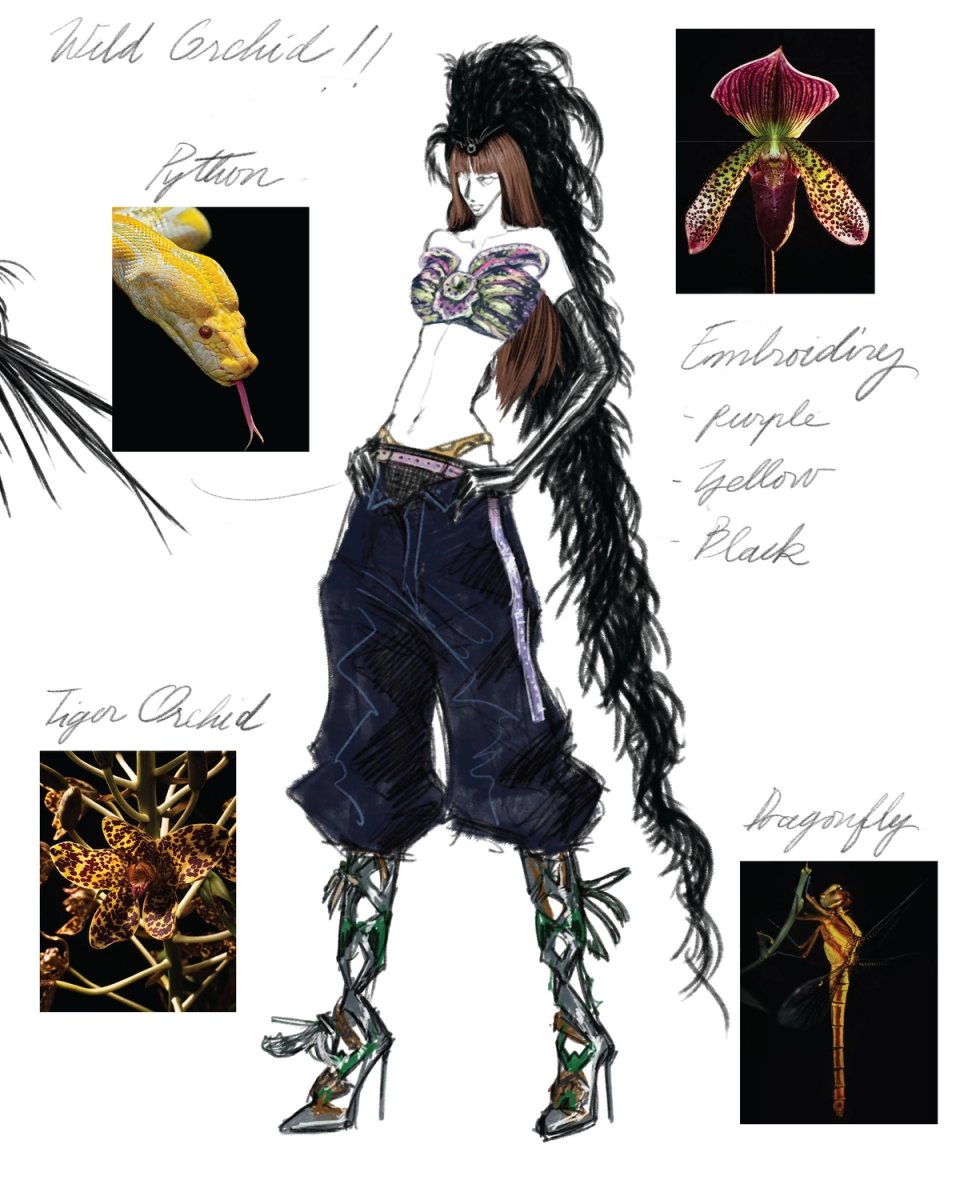
For the music video, Lisa wears the Miu Miu SS 2008 Runway Python Leather Cut-out Dragonfly Boots, a striking pair that feels particularly at home within the surreal, playful language of Miu Miu’s archive.
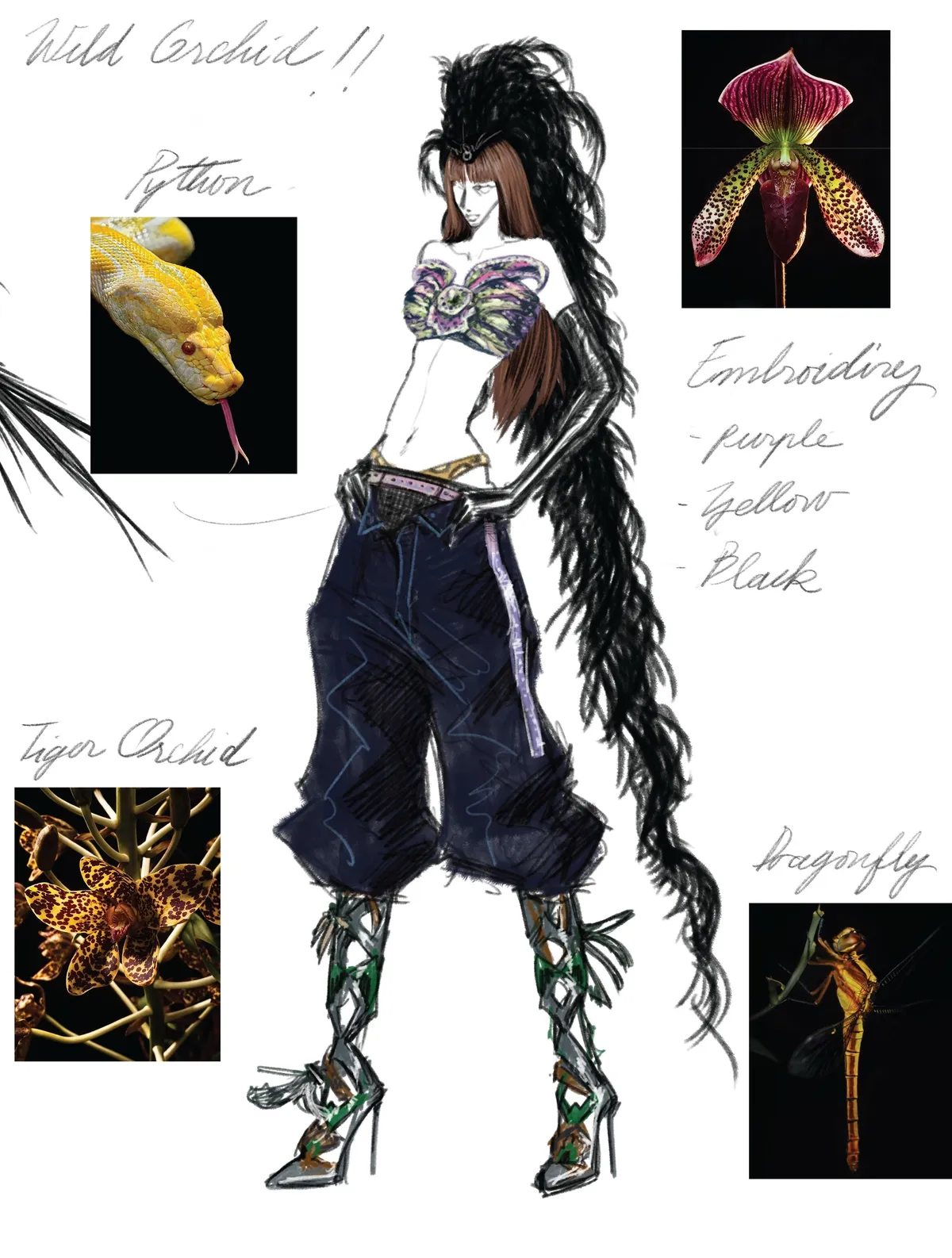
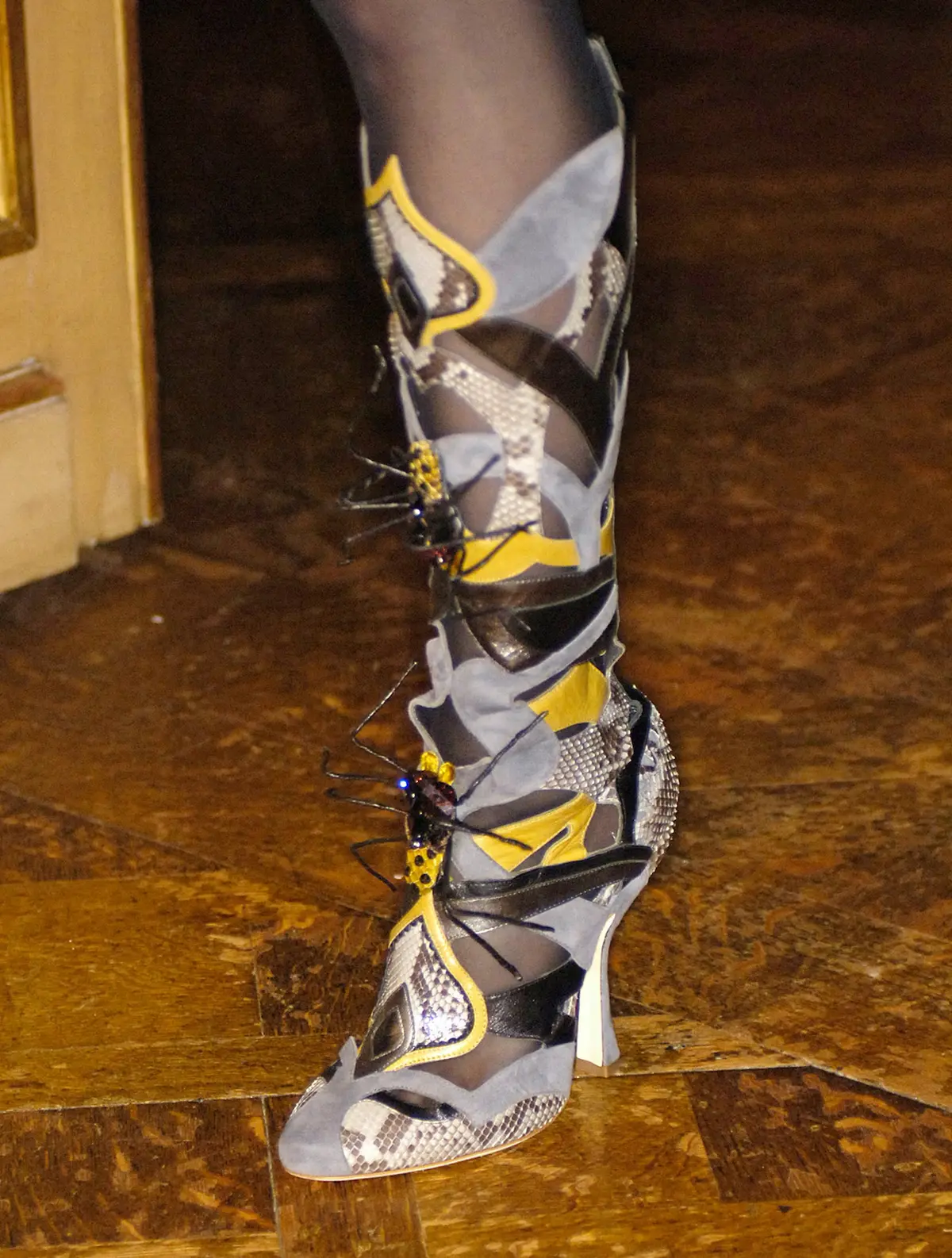
The boots are crafted in python leather and feature intricate cut-out detailing alongside a sculptural dragonfly motif. Rather than relying on a conventional statement silhouette, the design is defined by its unusual construction and unexpected details — exactly the kind of archival fashion piece that can completely shift the character of a look.
Sourced from Into Archive, the boots were selected in collaboration with Lisa’s stylist for the “Sawadika” music video, connecting a piece of Miu Miu’s runway history with one of pop music’s biggest contemporary names.
A rare piece from Miu Miu Spring/Summer 2008
First seen on the runway for Miu Miu Spring/Summer 2008, the boots represent an especially playful side of the house’s accessory history.
The python leather construction gives the silhouette an instantly luxurious quality, while the cut-outs and dragonfly detailing make the pair feel almost fantastical. It is a combination that makes the boots unmistakably archival: highly specific to their original era, yet strange enough to feel completely fresh when styled today.
Miu Miu’s archive has become increasingly influential among collectors, stylists, and fashion enthusiasts searching for pieces that sit outside the conventional vocabulary of vintage luxury. Designs from the late 2000s in particular have found new relevance as archival fashion continues to shape contemporary styling.
Lisa’s “Sawadika” look is another example of how those pieces can move from the runway into an entirely new cultural context.
From the runway to Lisa
One of the most exciting parts of archival fashion is seeing how a piece changes once it leaves its original runway context.
The Miu Miu dragonfly boots were designed for Spring/Summer 2008, but more than a decade later, they become part of Lisa’s visual identity for “Sawadika.” The contrast between their runway origins and their new setting is what makes the styling feel distinctly contemporary.
Working directly with Lisa’s stylist, Into Archive helped bring the rare Miu Miu pair into the project, continuing the archive’s relationship with stylists and fashion teams looking for pieces that cannot be found through contemporary collections alone.
For artists and stylists, archival fashion offers something increasingly valuable: individuality. A runway piece from nearly two decades ago can create a look that feels completely new simply because it has not been seen in the same way before.
The Miu Miu boots behind the look
The Miu Miu SS 2008 Runway Python Leather Cut-out Dragonfly Boots are now part of Into Archive’s collection of rare and collectible designer fashion.
Lisa wearing the pair in “Sawadika” is a reminder of why archival fashion continues to matter. The right vintage runway piece does not simply reference the past. It can become part of a completely new fashion story.
→ Rent the Miu Miu SS 2008 Runway Python Leather Cut-out Dragonfly Boots
About Into Archive
Into Archive is a New York-based destination for rare and collectible fashion, bringing together archival designer pieces from across decades and around the world. From runway originals to highly sought-after vintage, the collection connects fashion’s past with the stylists, artists, and collectors shaping its future.

What We’re Into: NYFW, Fashion’s New Power Players, and the Return of Quiet Prestige
What We’re Into: NYFW, Fashion’s New Power Players, and the Return of Quiet Prestige
From emerging designers and Saint Laurent speculation to archival fashion, resale education, and the shifting rules of cultural access, here’s what’s shaping the fashion conversation right now.
Fashion moves through cycles, but the way we discover, collect, and engage with it is constantly changing. As New York Fashion Week brings together established houses, emerging designers, and the industry’s cultural tastemakers, conversations around fashion's past and future are unfolding beyond the runway. From Julie Kegels’ recognition on the global stage to renewed interest in Saint Laurent archives, the latest developments point toward a fashion landscape where design, provenance, and access remain closely connected.
This week, we're looking at the designers redefining modern tailoring, the houses protecting their identities through anonymity, and the platforms teaching a new generation how to understand luxury beyond the storefront.
Julie Kegels and the New Language of Deconstruction
Emerging designers continue to reshape the relationship between tailoring, construction, and personal expression. Belgian designer Julie Kegels' reported 2026 LVMH Prize win places renewed attention on her multifaceted approach to design, drawing from 1990s-inspired silhouettes, deconstructed tailoring, and a playful approach to proportion.
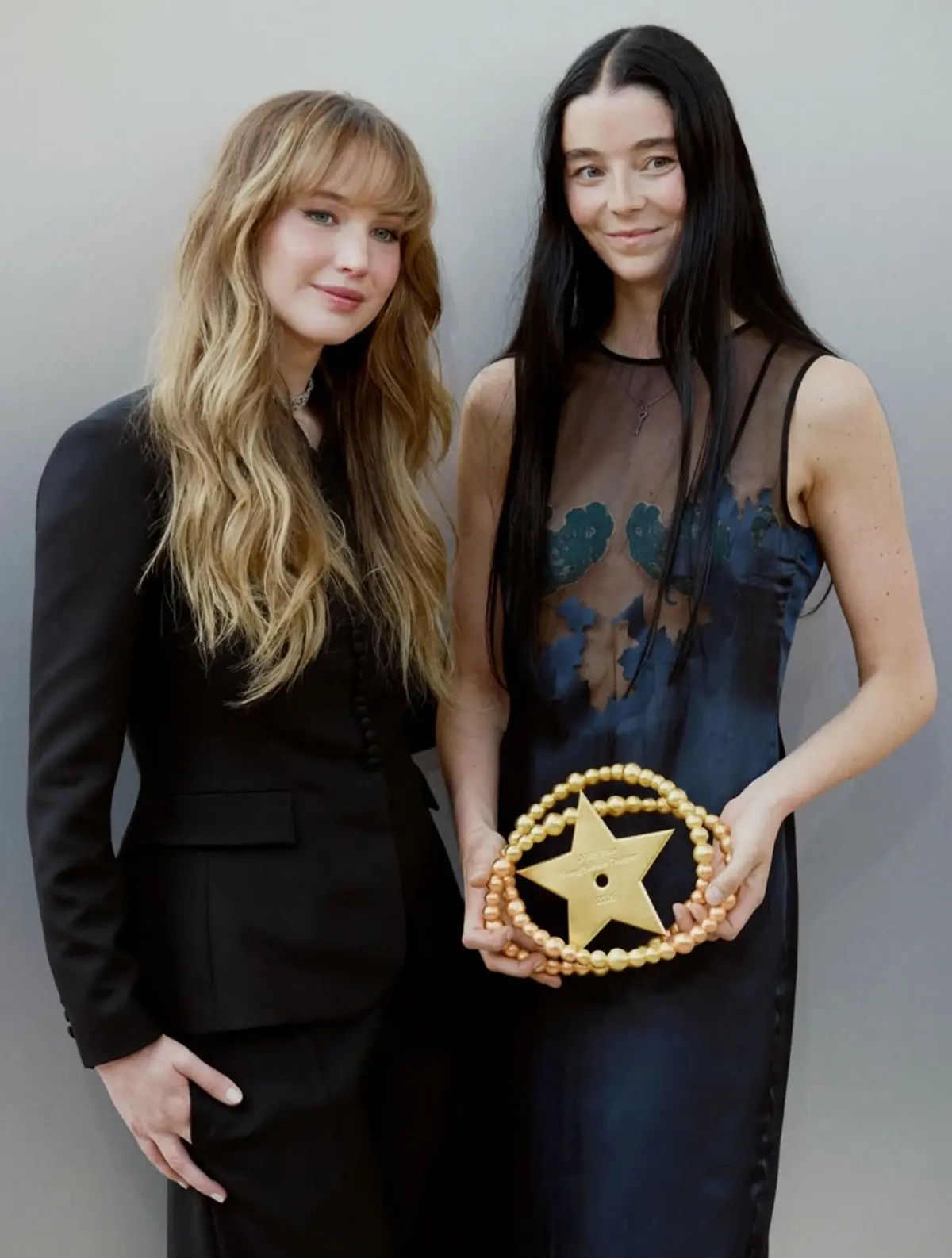
The significance of this design language lies in its ability to make familiar garments feel unsettled. Traditional tailoring becomes something that can be dissected, reconstructed, and worn in unexpected ways. It is a sensibility that resonates with the broader interest in archival fashion, where the value of a garment often extends beyond its original purpose into the ideas and techniques it represents.
For collectors, emerging designers such as Kegels offer an opportunity to observe fashion history as it develops. The same details that distinguish a runway collection today can become reference points for how future generations understand a particular moment in design.
Saint Laurent Archives and the Power of Speculation
Few fashion conversations demonstrate the relationship between creative direction and collecting quite like the ongoing speculation surrounding Anthony Vaccarello’s future at Saint Laurent. While industry rumors should be treated as unconfirmed until officially addressed, conversations about a potential transition have already brought renewed attention to the house’s recent design history.
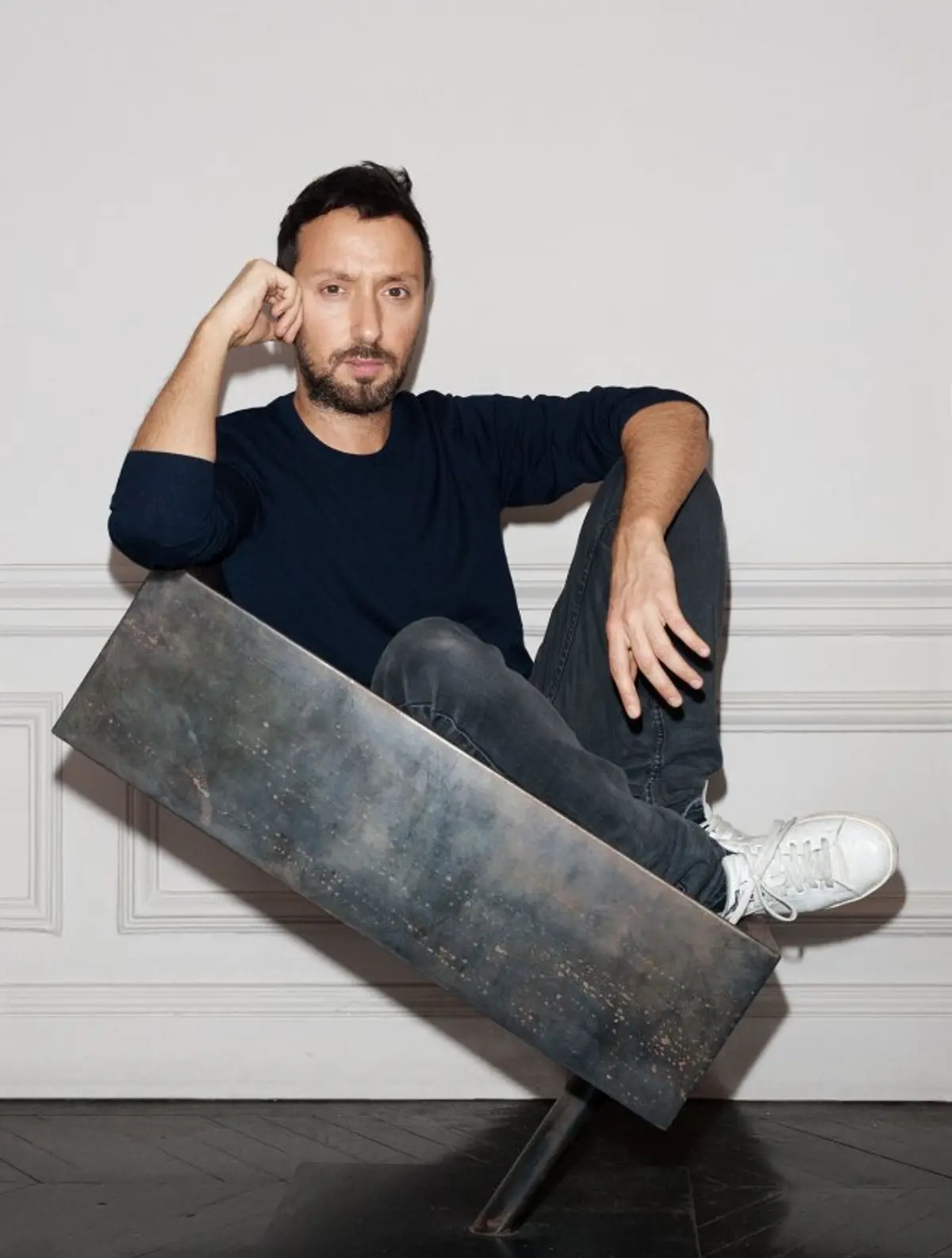
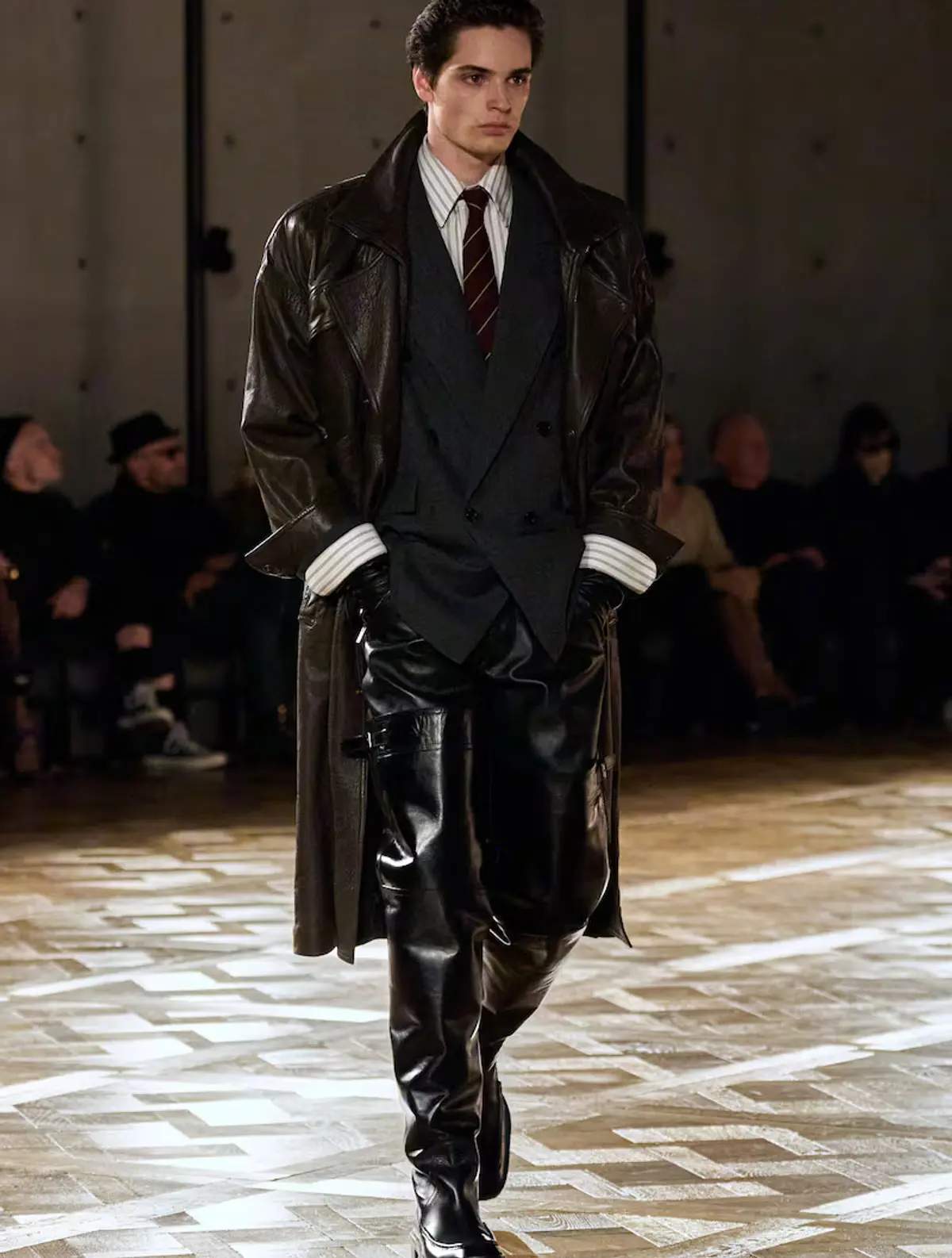
Since taking the creative reins at Saint Laurent, Vaccarello has developed a recognizable visual language built around sharp shoulders, sensual tailoring, and a confident approach to eveningwear. His work has helped define a contemporary chapter of the house, making its collections increasingly relevant to collectors interested in the evolution of modern luxury fashion.
The interest in his archives reflects a larger pattern in the resale market. Creative directors shape how fashion houses are remembered, and changes in leadership can prompt renewed interest in particular collections, silhouettes, and design signatures. For vintage and archival collectors, this makes the present moment worth documenting, regardless of how the rumors ultimately develop.
Maison Margiela, Anonymity, and Fashion as Identity
Maison Margiela has long challenged conventional ideas of authorship, celebrity, and visibility. Its reported visual project Anonymity, starring Rebecca Hall, revisits the house’s enduring fascination with hidden faces, masks, and the relationship between identity and clothing.
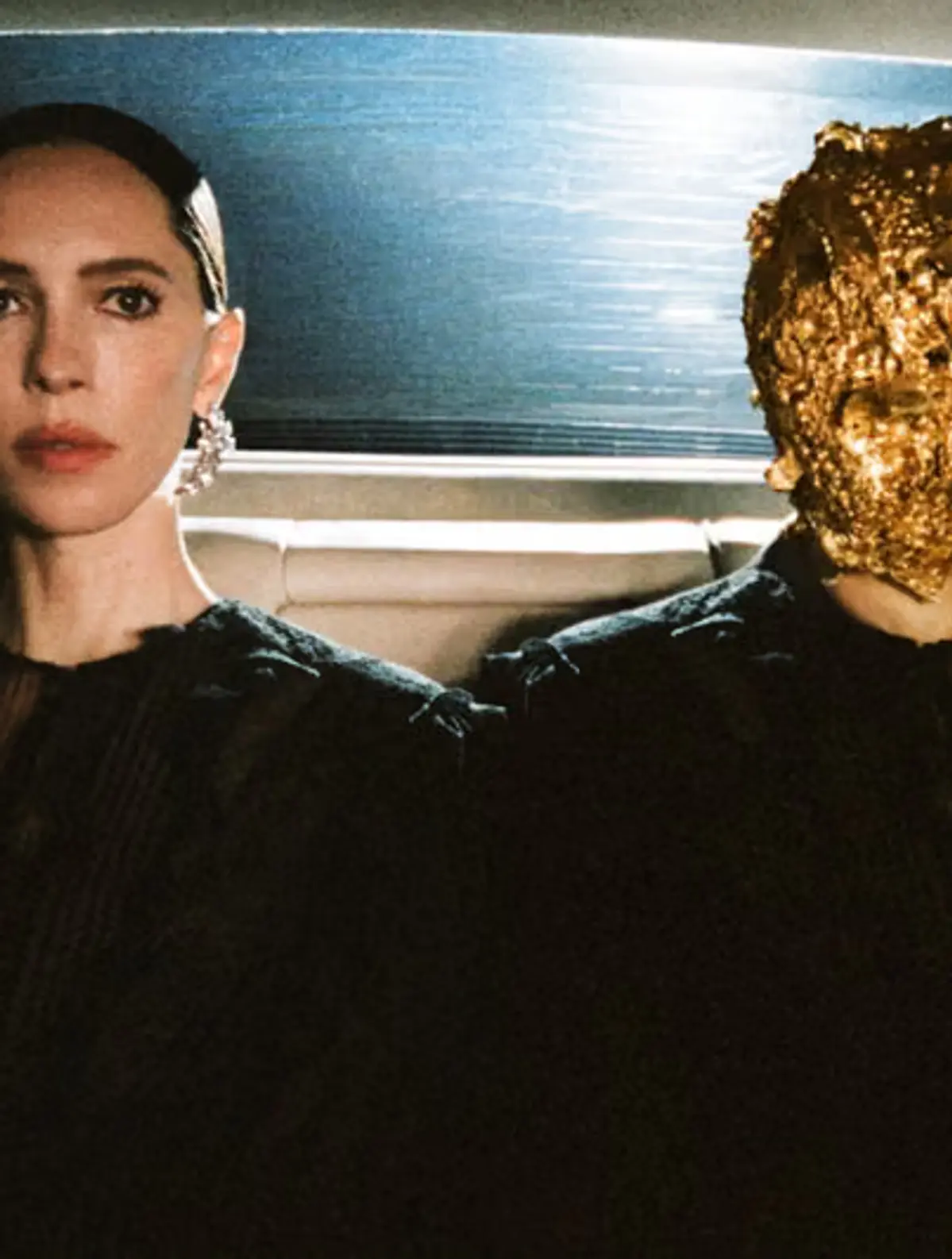
Anonymity is deeply embedded in Margiela’s fashion history. From obscured faces on the runway to garments that emphasize construction over recognizable branding, the house has consistently questioned the expectation that fashion must be centered on a visible designer or a conventional form of glamour.
The project offers another opportunity to consider why archival Margiela continues to hold cultural relevance. Its pieces are not simply recognizable for their aesthetic. They carry a record of experimentation, material transformation, and a design philosophy that has influenced generations of fashion practitioners.
For collectors, this is part of the appeal of archival fashion: garments can preserve ideas that remain relevant long after their original season.
Fashionphile’s Unboxed and the Education of Resale
The secondary luxury market is increasingly becoming a space for education as well as commerce. Fashionphile’s Unboxed initiative draws on the company’s extensive experience in luxury resale to explore authentication, fashion history, and the dynamics of the pre-owned market.

As more consumers enter the world of vintage and archival fashion, understanding a piece’s provenance, construction, and market context becomes increasingly important. Resale platforms have a role in shaping that understanding, particularly as buyers navigate the differences between collectible design, seasonal luxury, and enduring cultural significance.
The shift toward resale education also reflects how fashion knowledge is distributed today. Collectors are no longer relying exclusively on traditional retail or fashion publications to learn about a garment. They are engaging with archives, resale platforms, specialists, and communities that offer different perspectives on what makes a piece valuable.
At Into Archive, this intersection of fashion history and collecting is central to how we approach archival pieces. A garment’s story, design language, and place within fashion history can be just as compelling as its rarity.
Purple, Electric Teal, and the Return of High-Impact Color
Color forecasting continues to influence how fashion audiences approach upcoming seasons. According to the Trendalytics figures provided, purple recorded a 60% year-over-year increase in FW26 searches, while electric teal and brown each rose by 50%.
These color movements suggest an interest in styling that balances saturation with contrast. Purple and electric teal bring a more expressive, high-impact quality, while brown provides a grounded alternative that connects contemporary wardrobes with the enduring appeal of earthy tones.
For archival collectors, color offers another way to understand the relationship between past and present. Certain shades become associated with specific designers, decades, or fashion movements, and their return can make older pieces feel newly relevant.
The appeal of color in vintage fashion is also highly practical. A distinctive hue can transform a familiar silhouette, offering collectors a way to incorporate historical garments into a contemporary wardrobe without replicating an entire period look.
Hailey and Justin Bieber Bring Back Teen-Mag Nostalgia
WYouth Magazine’s reported inaugural cover featuring Hailey and Justin Bieber taps into the enduring appeal of 2000s teen-magazine culture. The combination of celebrity access, intimate editorial storytelling, and nostalgic visual language reflects a broader interest in the media formats that shaped fashion discovery for an earlier generation.

The 2000s continue to influence contemporary fashion through low-rise silhouettes, logo-driven accessories, paparazzi-inspired styling, and the return of celebrity-led fashion narratives. Nostalgia is no longer limited to clothing. It extends to the way fashion is photographed, discussed, and consumed.
For archival fashion, this relationship is particularly relevant. The garments and accessories associated with an era often carry the visual language of its media culture, from magazine editorials to red-carpet photography. Revisiting that context can reveal why certain pieces remain culturally recognizable decades later.
Who Gets Access to Fashion’s Most Exclusive Spaces?
The relationship between fashion, media, and access is changing. Following reported disruptions involving influencers at the US Open, Wimbledon’s decision not to offer special accreditation to content creators raises questions about how major institutions distinguish between traditional media, digital creators, and other forms of cultural participation.
Accreditation is not simply a logistical matter. It determines who can document an event, what perspectives receive visibility, and how fashion and sport are represented to the public. The debate around creator access reflects broader questions about the value of editorial expertise, established media institutions, and the role of social platforms in cultural reporting.
For luxury fashion, the conversation is particularly relevant. The industry has expanded its relationship with influencers and digital creators over the past decade, while continuing to maintain longstanding ties with fashion editors, photographers, and heritage publications.
The future of access will depend on how institutions balance these different forms of coverage. What remains clear is that the relationship between exclusivity and visibility continues to shape the way cultural events are experienced.
So, What Does This Mean for Fashion?
Across these developments, a common thread emerges: fashion’s relationship with history is becoming increasingly visible. Emerging designers are reworking familiar construction techniques, creative-director speculation is drawing attention to recent archives, and resale platforms are expanding conversations around authentication and collecting.
At the same time, color trends and nostalgic media formats demonstrate how past aesthetics continue to influence contemporary consumption. The conversation is not simply about what is new, but how existing references are reinterpreted, preserved, and given new meaning.
For archival fashion collectors, this creates an opportunity to look beyond seasonal trends. The pieces that matter most are often those that connect design history with the way fashion is experienced today, whether through a distinctive silhouette, a creative director’s signature, or a garment’s place within a larger cultural moment.
At Into Archive, we’re interested in those connections: the garments, designers, and stories that continue to shape how we understand fashion.
→ Book a private showroom appointment
About Into Archive
Into Archive is a New York-based archival fashion showroom specializing in rare and collectible designer pieces from fashion’s most influential eras. Our collection features vintage and archival garments from designers including Dior, Prada, Chanel, Jean Paul Gaultier, Vivienne Westwood, and more.

The Rare Chanel Tennis Bag Maura Higgins Wore to the US Open
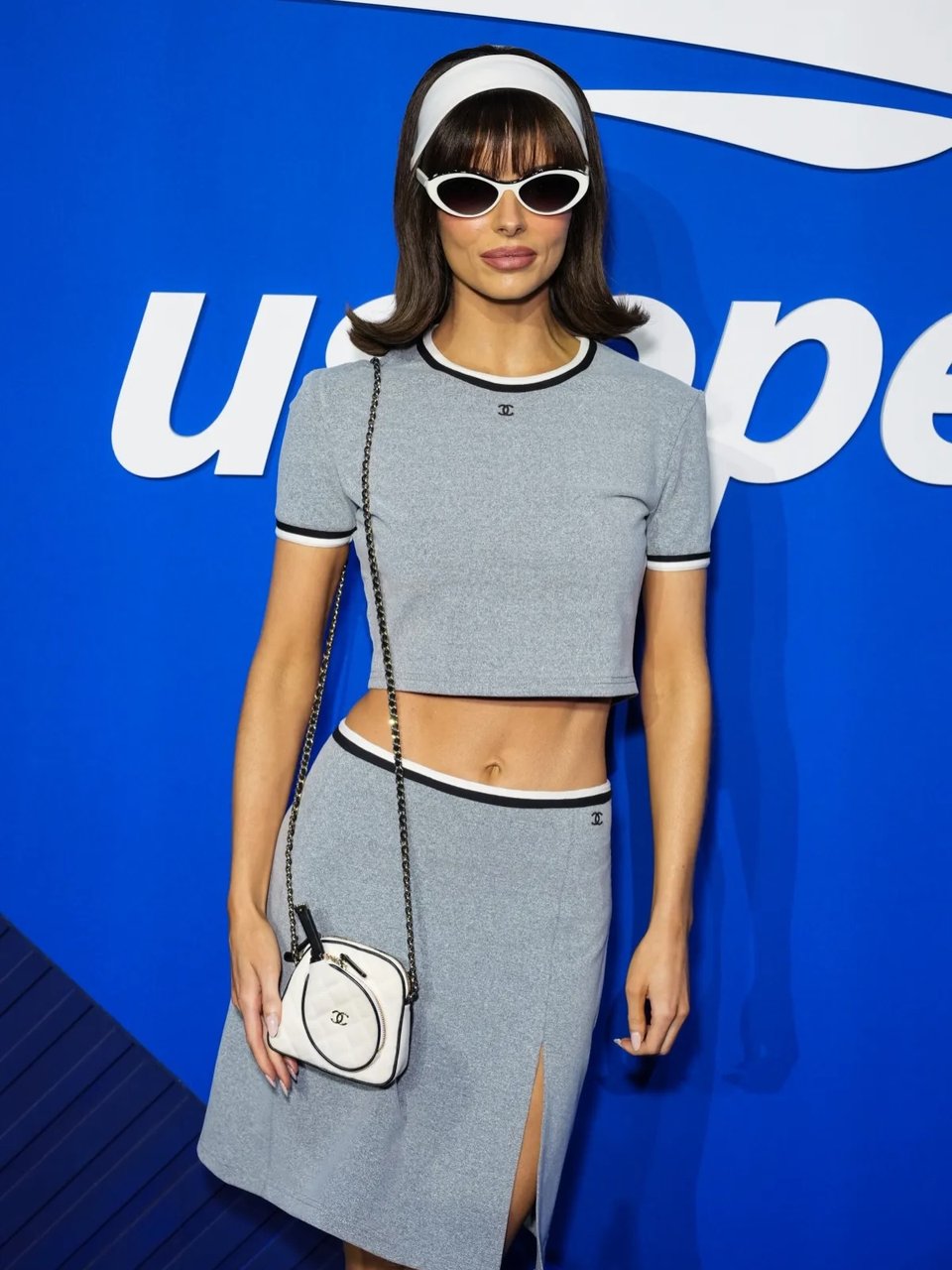
Maura Higgins brought a little archival fashion to the 2026 US Open, stepping out in vintage Chanel and a rare Chanel Cruise 2023 tennis-inspired bag rented from Into Archive.
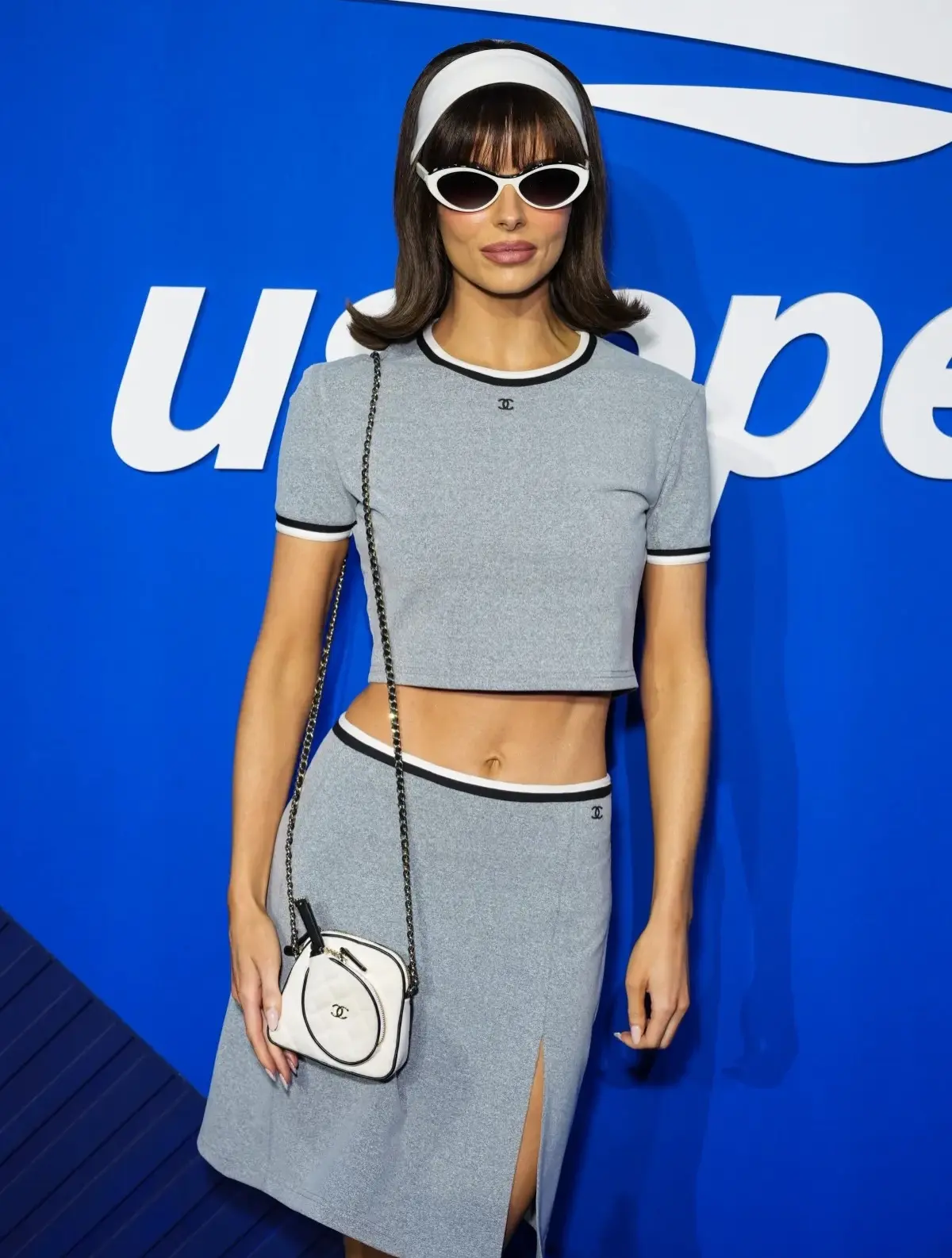
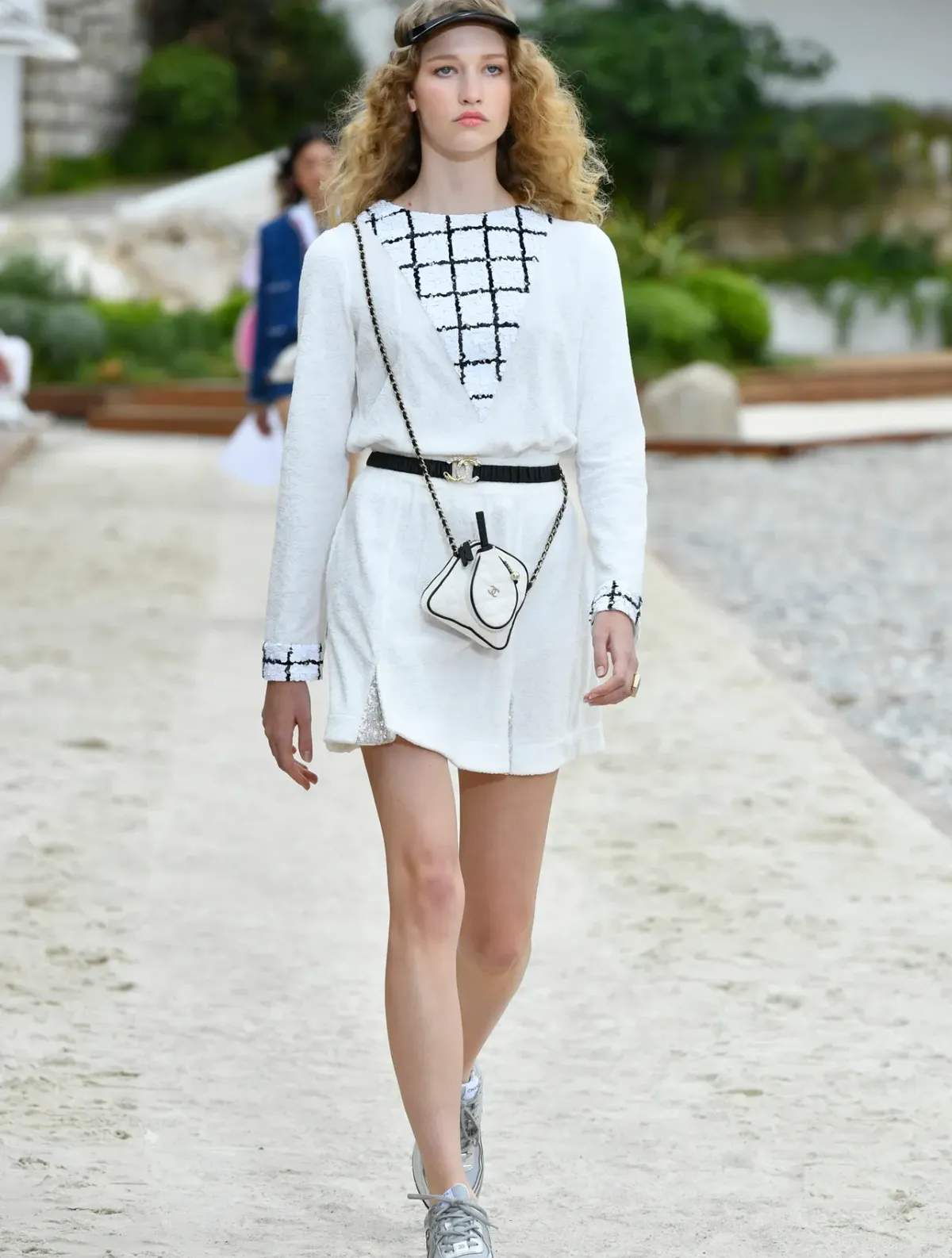
If there was ever a moment for a tennis racket-shaped Chanel bag, it was the US Open. On August 31, Maura Higgins arrived at the 2026 tournament in New York wearing a vintage Chanel look that leaned fully into the sport’s fashion language, complete with a tiny Chanel bag featuring a tennis racket-shaped front pocket. The result was less courtside spectator and more fashion girl who happened to have tickets.
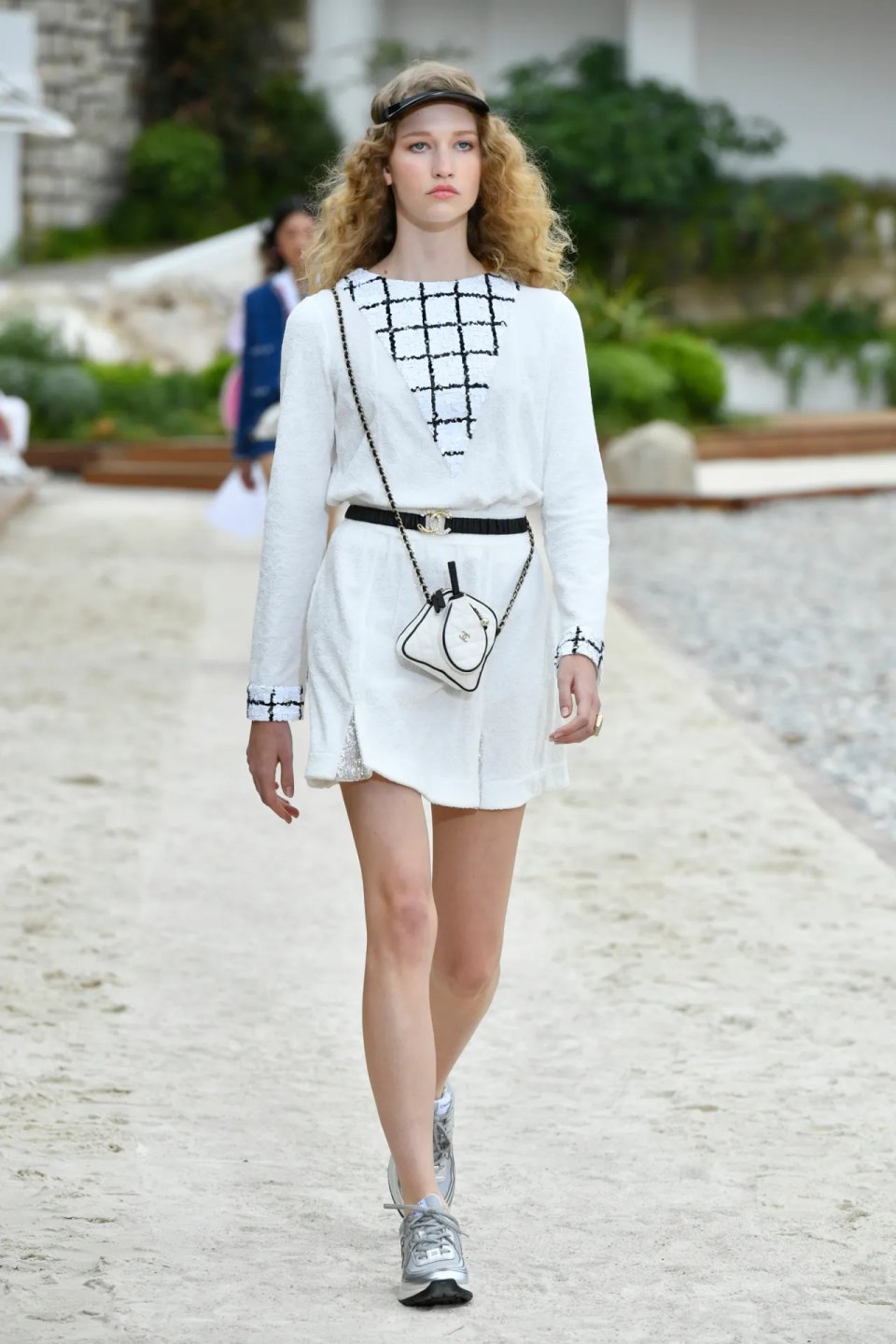
The piece in question is the Chanel Cruise 2023 Limited Edition Tennis Racket White Mini Denim Bag, which Maura rented from Into Archive for her US Open appearance. Made in white denim with Chanel’s instantly recognizable quilted construction, the miniature bag takes one of the most familiar symbols of tennis and turns it into a collectible fashion accessory. It is playful, slightly surreal and unmistakably Chanel.
Chanel has always understood the tennis wardrobe
Tennis and fashion have been intertwined for much longer than the current tenniscore moment would suggest. From the crisp whites of early 20th-century tennis to the polished sportswear of the 1960s and 1970s, the court has consistently produced its own visual language. Tennis clothing eventually moved far beyond the sport itself, influencing everything from preppy dressing to luxury ready-to-wear.
Chanel has always been particularly good at blurring that line between sport and luxury. Gabrielle Chanel famously incorporated athletic influences into her designs, bringing jersey, relaxed silhouettes and ideas of movement into a fashion world that had traditionally favored restriction and formality. The house's fascination with leisure, travel and sport continued long after her tenure, eventually becoming part of the broader Chanel vocabulary.
That history makes the Cruise 2023 tennis bag feel less like a novelty and more like a continuation of the house's obsession with turning everyday objects into fashion. The racket becomes a handbag. The tennis court becomes a backdrop. A practical piece of sporting equipment becomes something you would rather photograph than actually play with.
The tennis racket becomes the It bag
The Chanel Cruise 2023 Limited Edition Tennis Racket White Mini Denim Bag takes that idea almost literally. Designed around the shape and visual language of a tennis racket, the miniature accessory combines white denim, Chanel's signature detailing and a tiny tennis-inspired silhouette.
It is also exactly the kind of piece that works particularly well at the US Open. New York has always approached tennis differently from the more traditional atmosphere surrounding Wimbledon. The US Open feels louder, faster and more connected to the city's wider culture, making it a natural meeting point for sport, celebrity and fashion.
Maura's styling plays into that perfectly. She wore a vintage Chanel co-ord consisting of a grey short-sleeve top and matching knee-length skirt, finished with black and white trims. White cat-eye sunglasses, a thick white headband and black peep-toe shoes pushed the look further into retro tennis territory, while the racket-shaped Chanel bag supplied the final detail.
Rather than simply wearing tennis-inspired clothing, the entire look understands the reference. It is part vintage Chanel, part tennis uniform and part New York fashion moment.
From tenniscore to the real thing
The timing is particularly good. Tenniscore has been circulating through fashion for several seasons, fueled by the sport's preppy uniforms, country-club imagery and increasingly visible place in celebrity style. But Maura's look demonstrates a more interesting way to approach the trend: instead of recreating a tennis aesthetic from scratch, she wears an actual piece of fashion history designed around the sport.
There is something more compelling about that distinction. Trends can be copied almost instantly, but archival fashion carries context with it. The Chanel Cruise 2023 tennis bag already had its own point of view before it arrived at the US Open. Maura simply gave it the right setting.
It is also a continuation of her recent relationship with tennis-inspired archival fashion. Earlier this summer, Maura made an appearance at Wimbledon in vintage Chanel, pairing a 2006 Chanel archive dress with tennis-inspired accessories. For the US Open, the reference shifted from Wimbledon tradition to something more playful and distinctly New York.
Why this Chanel bag feels right for 2026
The appeal of archival fashion right now is partly about rediscovering pieces that feel strangely relevant years, or even decades, after they were made. The best archive does not necessarily look old. It looks right.
That is exactly what happens with Maura's Chanel tennis bag. A Cruise 2023 accessory arrives at the 2026 US Open and suddenly feels like the obvious choice. The bag's tennis reference, Chanel provenance and tiny proportions make it instantly recognizable, while its rarity gives the look something beyond the standard celebrity courtside uniform.
For Into Archive, that kind of fashion moment is the point. We are interested in pieces that can move between the archive and the present, whether they are being pulled for an editorial, worn on a red carpet or taken to the stands at the US Open.
Maura Higgins serves archival Chanel
As the 2026 US Open continues in New York, tennis is once again proving that its influence extends far beyond the court. The tournament has become a major destination for celebrity dressing, and this year's courtside looks are giving fashion another reason to pay attention.
Maura Higgins' Chanel moment works because it does not take the tennis reference too seriously. A tiny racket-shaped bag is inherently playful, but paired with vintage Chanel and worn at one of the world's biggest tennis tournaments, it becomes something more: a perfect collision of sport, fashion and archive.
Sometimes the best way to understand a trend is to find the original idea hiding underneath it. In this case, it happens to be a Chanel tennis racket you can carry.
→ Book a private showroom appointment
Into Archive is a New York-based archival fashion showroom specializing in rare and collectible designer pieces, with a curated collection spanning Chanel, Dior, Prada, Jean Paul Gaultier, Vivienne Westwood and more. From editorial pulls and celebrity styling to private clients and collectors, our showroom brings archival fashion into the present.


Who Killed Tom Ford Gucci?
Twenty years after Tom Ford left Gucci, the Horsebit bags he made famous are still going viral. So, did his Gucci ever really die?
Who killed Tom Ford Gucci? It is a question that feels increasingly difficult to answer. Tom Ford left Gucci in 2004, but the fashion house's most provocative era continues to resurface through the archive. Every few years, the same silhouettes return to runways, vintage markets and celebrity wardrobes, reminding us why Tom Ford's Gucci remains one of the most influential chapters in modern fashion history.
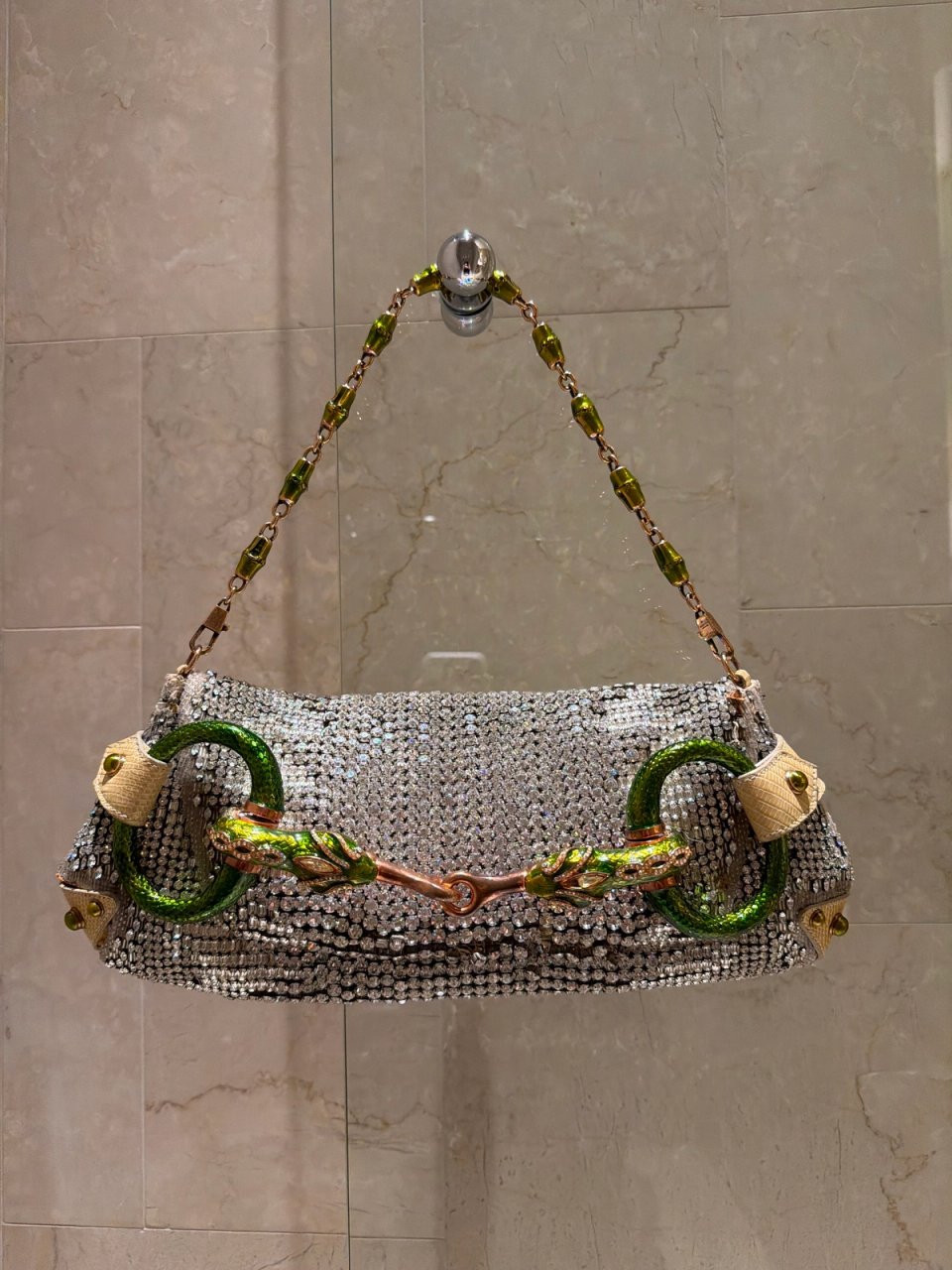
At Into Archive, we have seen the obsession firsthand. Tom Ford-era Gucci bags have repeatedly gone viral across social media, particularly the highly recognizable Horsebit styles that defined the house's early-2000s aesthetic. Now, two more rare examples have arrived: a Gucci by Tom Ford 2000s Black Lizard Leather GG Rhinestone Horsebit Bag and a Gucci by Tom Ford 2004 Limited Edition Crystal Serpent Head Horsebit Bag. Both capture the excess, glamour and unmistakable attitude that made vintage Gucci by Tom Ford so collectible today.
The History of the Gucci Horsebit
The Horsebit is one of Gucci's most recognizable house codes, but its history predates Tom Ford by decades. Originally inspired by equestrian hardware, the motif became a defining part of Gucci's identity before Ford transformed it into something much more provocative.
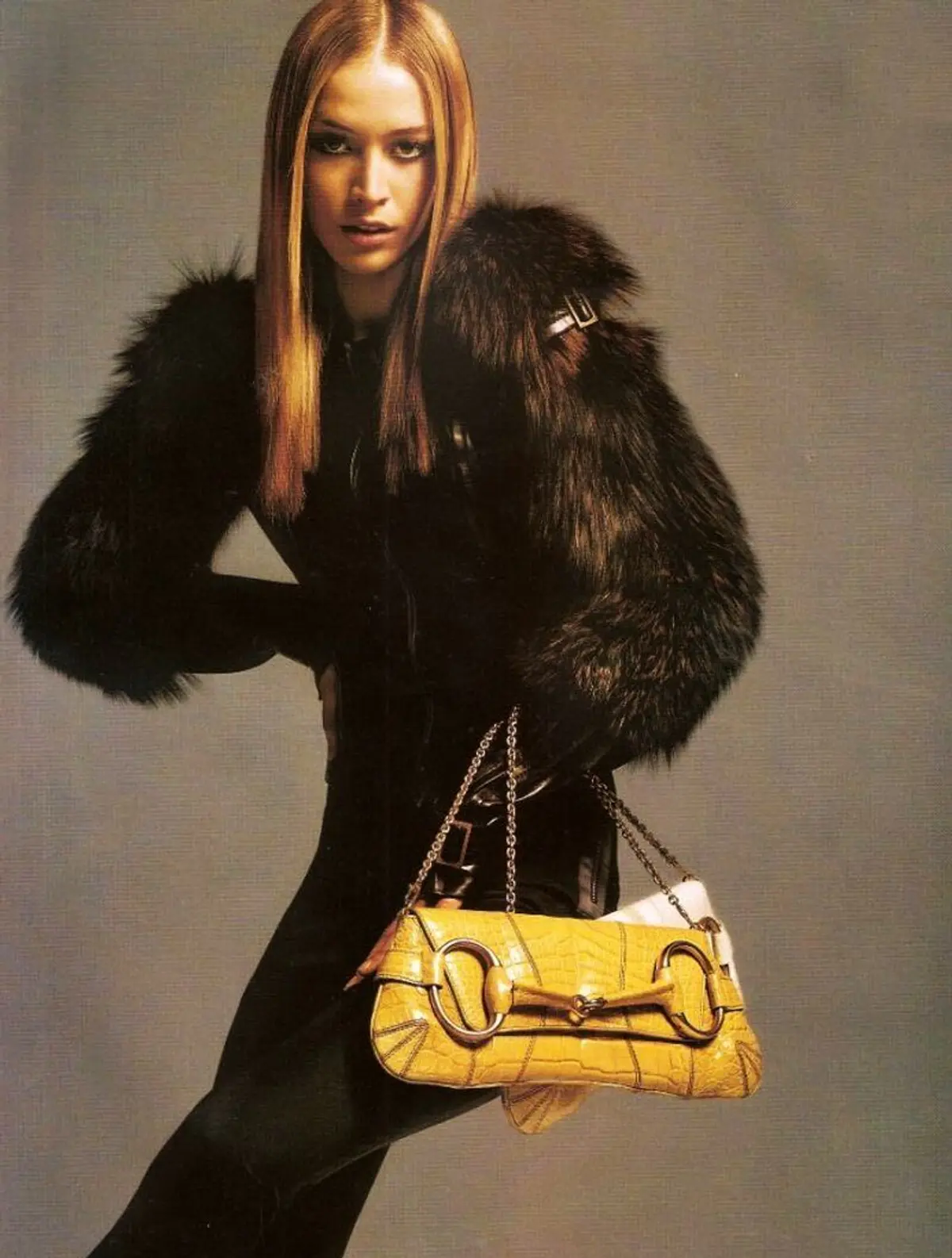
During Ford's tenure at Gucci, traditional house signatures were exaggerated rather than treated delicately. The Horsebit became larger, more sculptural and more glamorous, appearing across ready-to-wear, accessories and handbags. Instead of functioning as a subtle heritage detail, it became the centerpiece.
That approach was everywhere in Tom Ford's early-2000s Gucci collections. His Fall 2003 runway was filled with sharp tailoring, leather, corsetry, revealing silhouettes and polished eveningwear, creating the seductive, maximalist image that would become synonymous with his Gucci era. The accessories followed the same formula, with the Horsebit bag emerging as one of the collection's most recognizable pieces.
The original Gucci Horsebit clutch appeared across the Fall 2003 and Spring 2004 collections, with its elongated silhouette and oversized hardware offering a distinctly Tom Ford interpretation of the house's equestrian heritage. Two decades later, the design would return to the runway and send a new generation searching for the vintage originals.
Tom Ford Gucci and the Return of the 2000s
The renewed interest in Tom Ford Gucci is part of a much larger fashion obsession with the early 2000s. Styles once considered overly glamorous or excessive are increasingly being reexamined as some of the most exciting pieces in the vintage and archival fashion market.
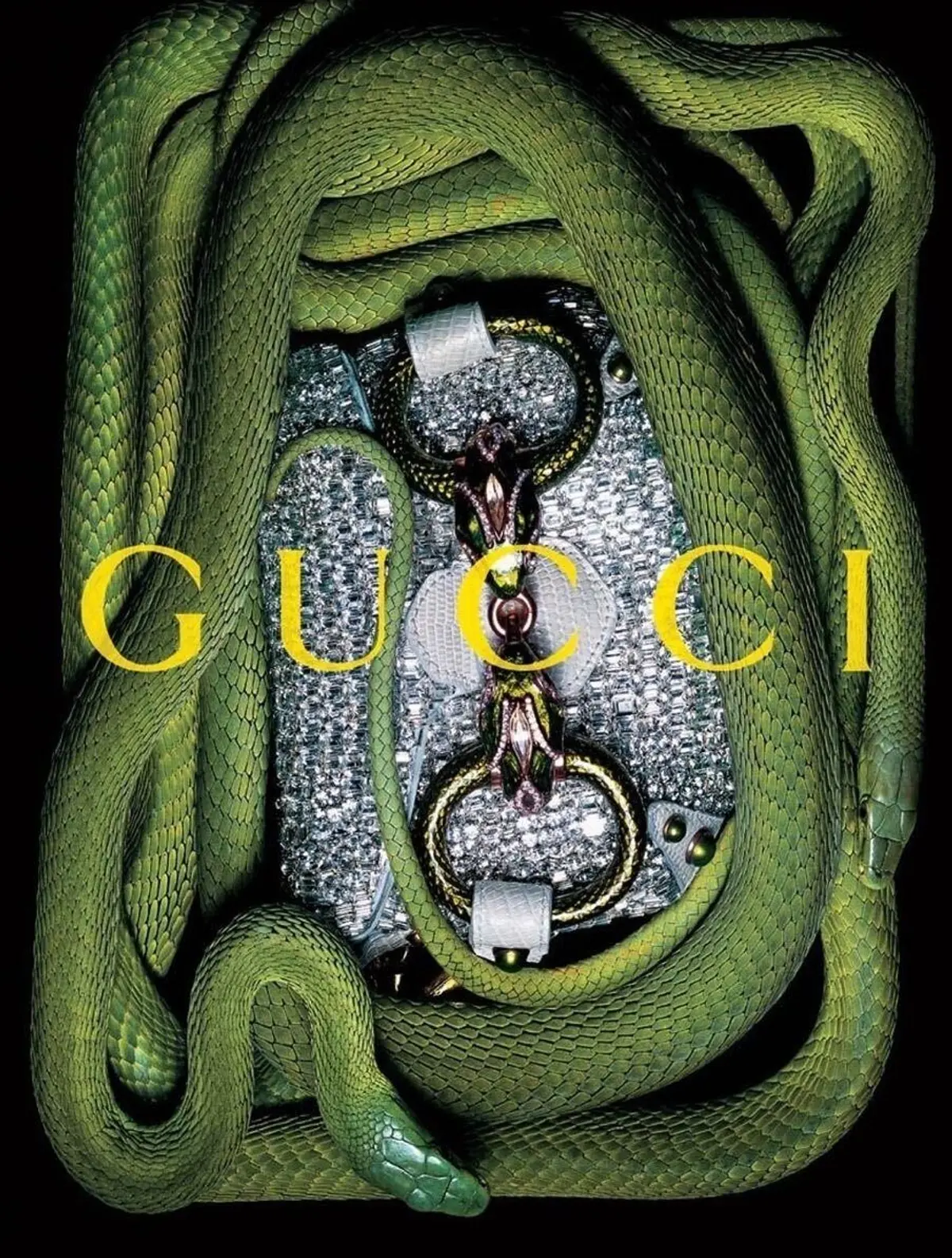
Gucci itself returned to the Horsebit for Fall 2023, revisiting the iconic silhouette more than twenty years after its original appearance. The runway revival brought renewed attention to vintage Gucci Horsebit bags, particularly the original Tom Ford-era designs that inspired the collection.
The timing says a lot about how fashion understands its own archive. A reissue can recreate a silhouette, but an original carries something else: the materials, proportions and cultural context of the period that produced it.
That is what makes vintage Gucci bags from the Tom Ford era so compelling. They are not simply references to the early 2000s. They are the actual objects that defined it.
The Black Lizard Gucci Horsebit Bag
Our Gucci by Tom Ford 2000s Black Lizard Leather GG Rhinestone Horsebit Bag is a particularly maximalist example of the designer's approach to Gucci accessories. Crafted in black lizard leather and finished with the house's GG motif, the bag is centered around an embellished Horsebit detail covered in rhinestones.
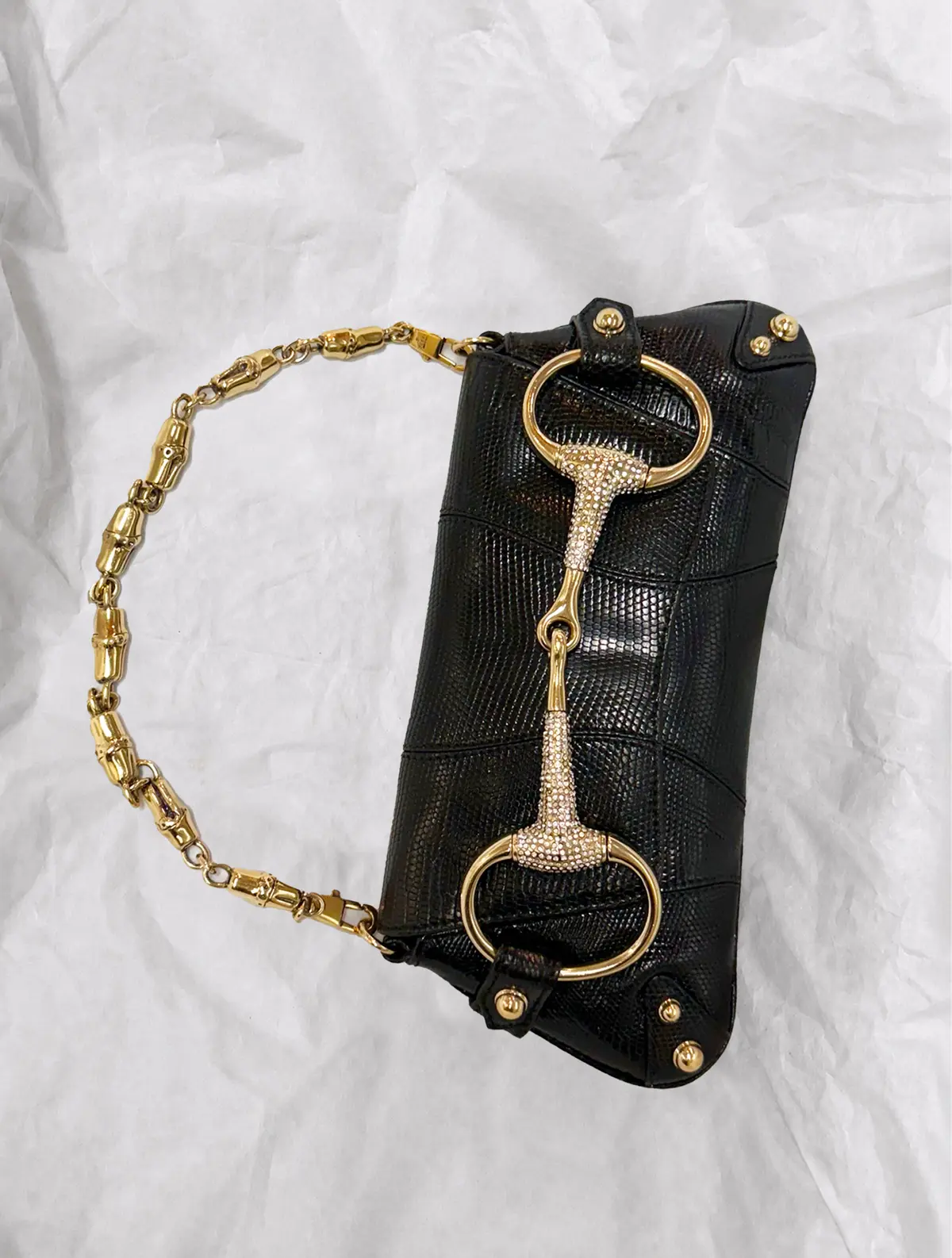
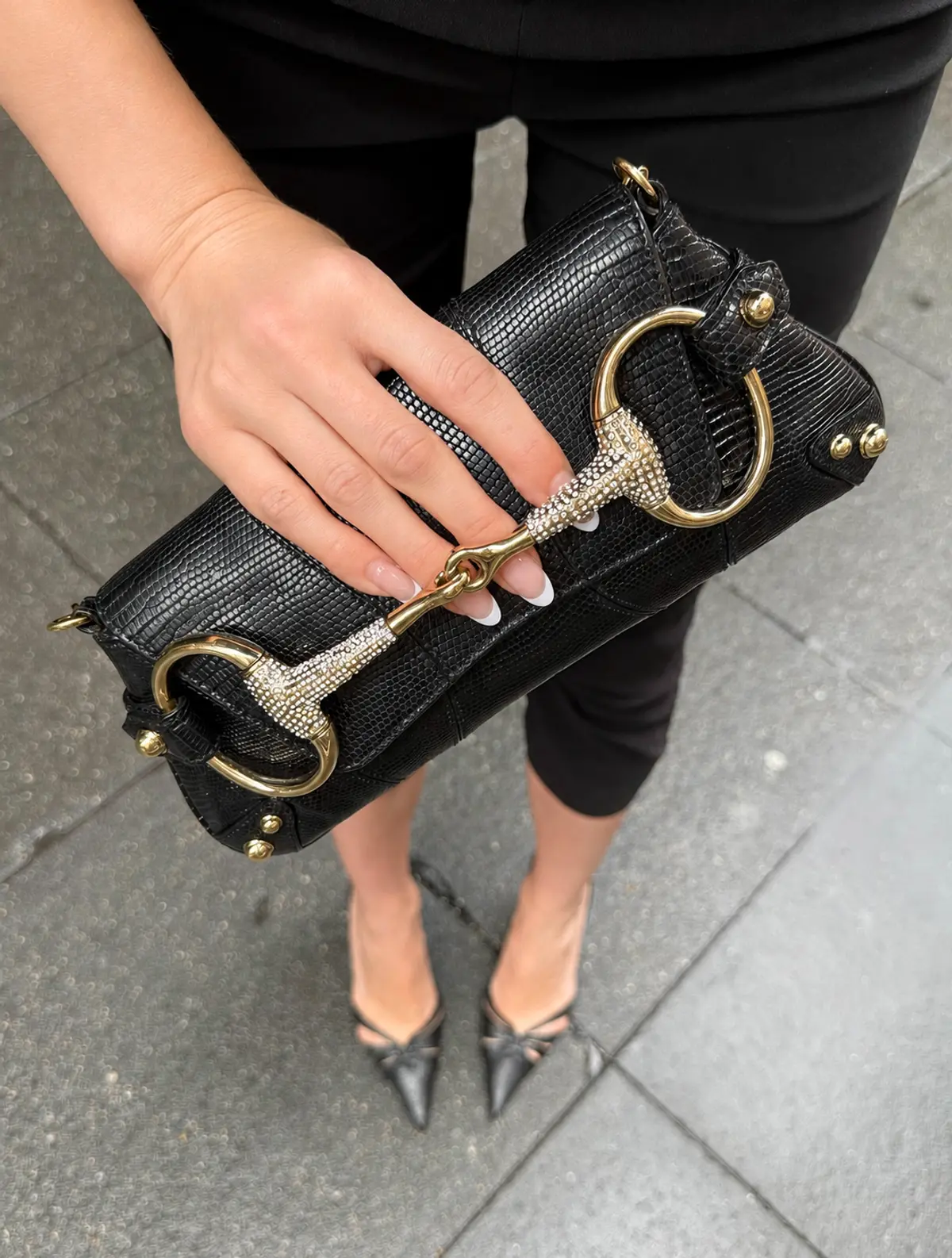
It is difficult to imagine a more concentrated version of the Tom Ford Gucci aesthetic. Exotic leather, recognizable monogramming and oversized embellishment come together in a handbag that refuses to be background decoration.
The Horsebit itself almost becomes jewelry. Rather than simply identifying the bag as Gucci, it dominates the design and gives the silhouette its unmistakable character. This is exactly what Ford did so well throughout his tenure: take an established Gucci code and push it until it became something new.
For collectors interested in archival Gucci, pieces like this are especially significant because they represent a very specific moment in the house's history. They belong to the period when Tom Ford had transformed Gucci into one of fashion's most sexually charged and commercially powerful brands.
The 2004 Crystal Serpent Head Horsebit Bag
Then there is the Gucci by Tom Ford 2004 Limited Edition Crystal Serpent Head Horsebit Bag, an even more extravagant interpretation of the same idea.
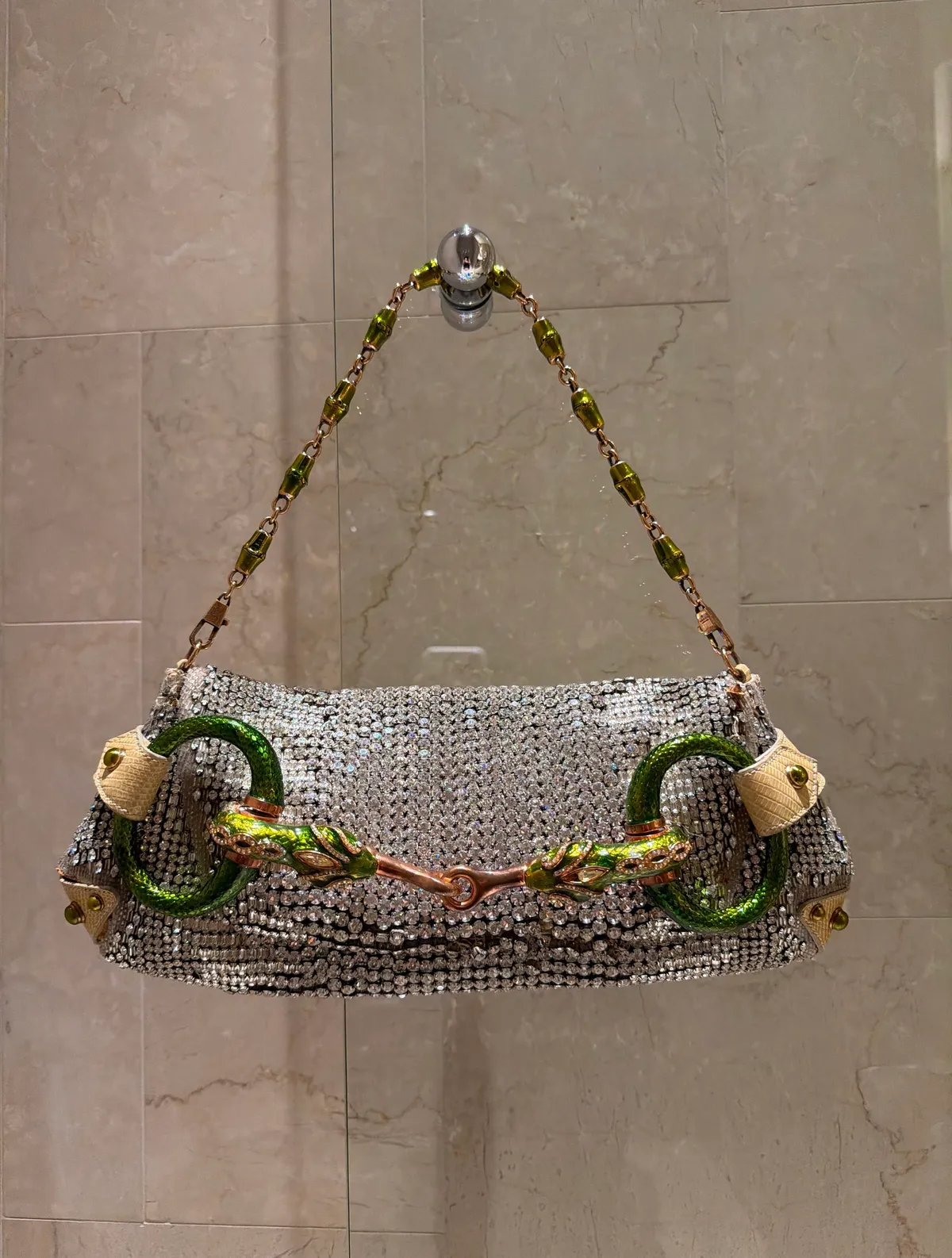
The limited-edition design replaces the expected Horsebit treatment with a crystal-covered serpent head, turning the bag's hardware into a sculptural focal point. It is strange, glamorous and unapologetically excessive, which is precisely why it feels so representative of late Tom Ford Gucci.
The 2004 date is significant. This bag belongs to the final chapter of Ford's tenure at Gucci, the same year that his Fall 2004 collection became his farewell to the house. That final runway brought together many of the signatures that had defined his Gucci: dramatic eveningwear, sensual silhouettes, luxurious materials and an almost theatrical approach to glamour.
The serpent bag feels like an accessory from that same world. If the Horsebit represented Gucci's equestrian heritage, Ford's version was interested in turning that heritage into fantasy.
Why Tom Ford Gucci Still Matters
It would be easy to dismiss the current interest in Tom Ford Gucci as another cycle of Y2K nostalgia. But the continued demand for original pieces suggests something more substantial is happening.
The early 2000s are increasingly being treated as an important period in fashion history, particularly for accessories. Designers, stylists and collectors are looking beyond contemporary releases and returning to the original bags, shoes and jewelry that shaped the visual language of the era.
Tom Ford's Gucci is particularly relevant because it existed at the intersection of fashion, celebrity culture and overt luxury. His designs were made to be seen. They were glamorous without apology and recognizable without needing an explanation.
That quality feels especially appealing now.
After years of minimalism and quiet luxury dominating the conversation around handbags, a rhinestone Horsebit or crystal serpent head feels almost radical. These bags are not trying to disappear into a wardrobe. They are designed to become the most memorable part of it.
The Original Horsebit vs. the Revival
Gucci's return to the Horsebit in 2023 only reinforced the appeal of the originals. The contemporary versions introduced the silhouette to a new audience, while vintage collectors began looking more closely at the Tom Ford-era bags that started it all.
There is an important difference between wearing an archival Gucci Horsebit bag and wearing a modern interpretation of one. The newer design can reference the past, but the vintage version is the past.
Its proportions, materials and construction belong to the moment when Ford was redefining Gucci. Its wear can tell you that it has actually lived through the years since. And its rarity means that no two pieces necessarily feel exactly the same.
For an archival fashion collector, that history is part of the value.
So, Who Killed Tom Ford Gucci?
Maybe nobody did.
Tom Ford's time at Gucci ended in 2004, but his influence continues to appear everywhere from contemporary runways to vintage stores and celebrity wardrobes. The Horsebit has been revived, referenced and reinterpreted, yet the original Tom Ford Gucci bags continue to attract the most attention.
Perhaps that is because the archive has something contemporary fashion cannot manufacture: context.
The Gucci Horsebit bag was created during a period when fashion was comfortable with excess, glamour and a certain amount of bad taste. The rhinestones, exotic leather and crystal serpent details were never meant to be understated. They were meant to be looked at.
And twenty years later, people are still looking.
That may be the real reason Tom Ford Gucci keeps going viral. The bags never stopped being good. Fashion just had to catch up with them again.
→ Shop the Gucci by Tom Ford 2000s Black Lizard Leather GG Rhinestone Horsebit Bag
→ Rent the Gucci by Tom Ford 2004 Limited Edition Crystal Serpent Head Horsebit Bag
→ Explore our archival Gucci collection
→ Book a private showroom appointment
About Into Archive
Into Archive is a New York-based archival fashion showroom specializing in rare and collectible designer pieces. Our collection spans iconic fashion houses and designers across decades, connecting collectors, stylists, celebrities and fashion enthusiasts with pieces that continue to shape fashion history.
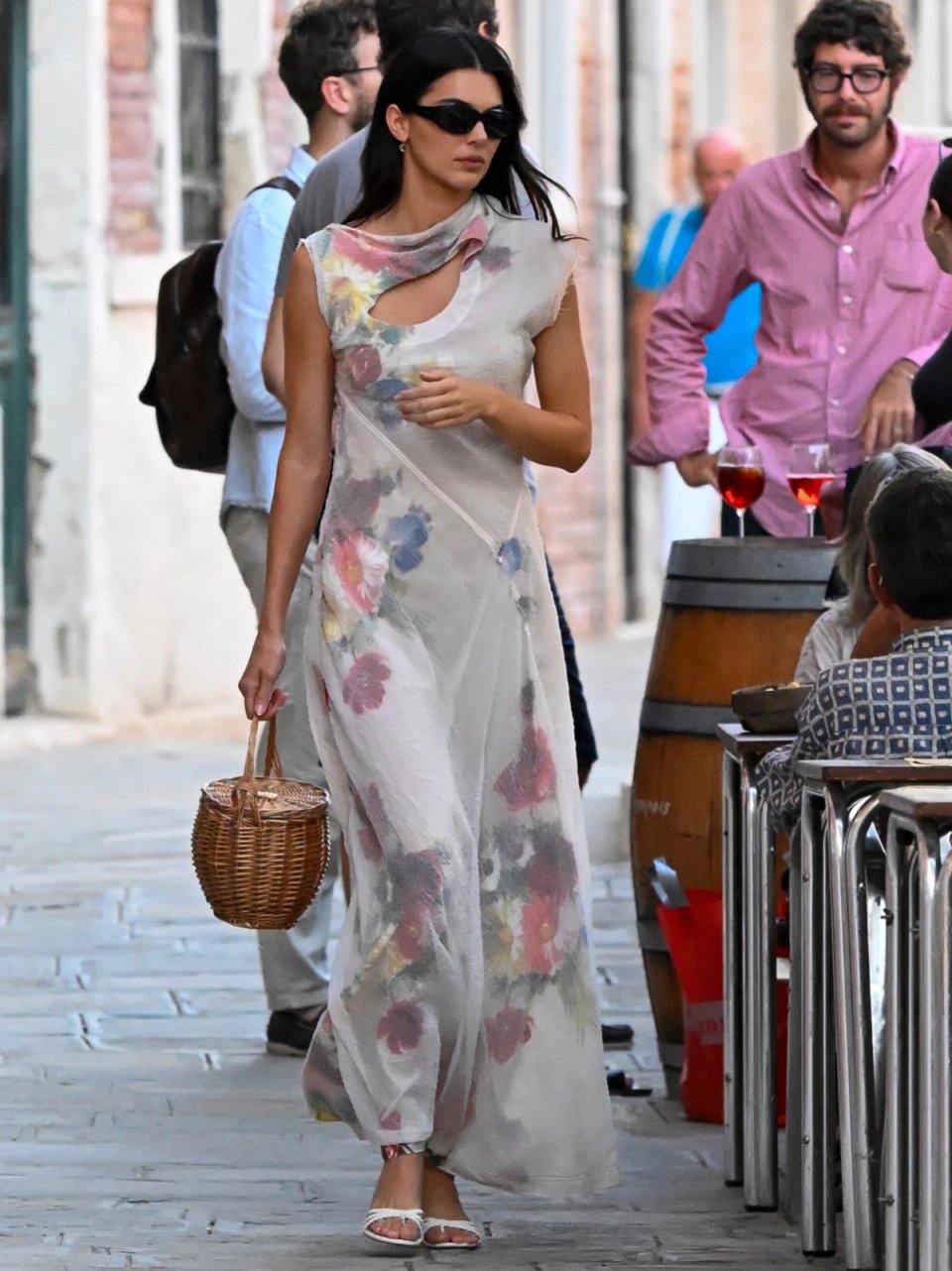
Kendall Jenner Wears a Celine Prototype in Venice
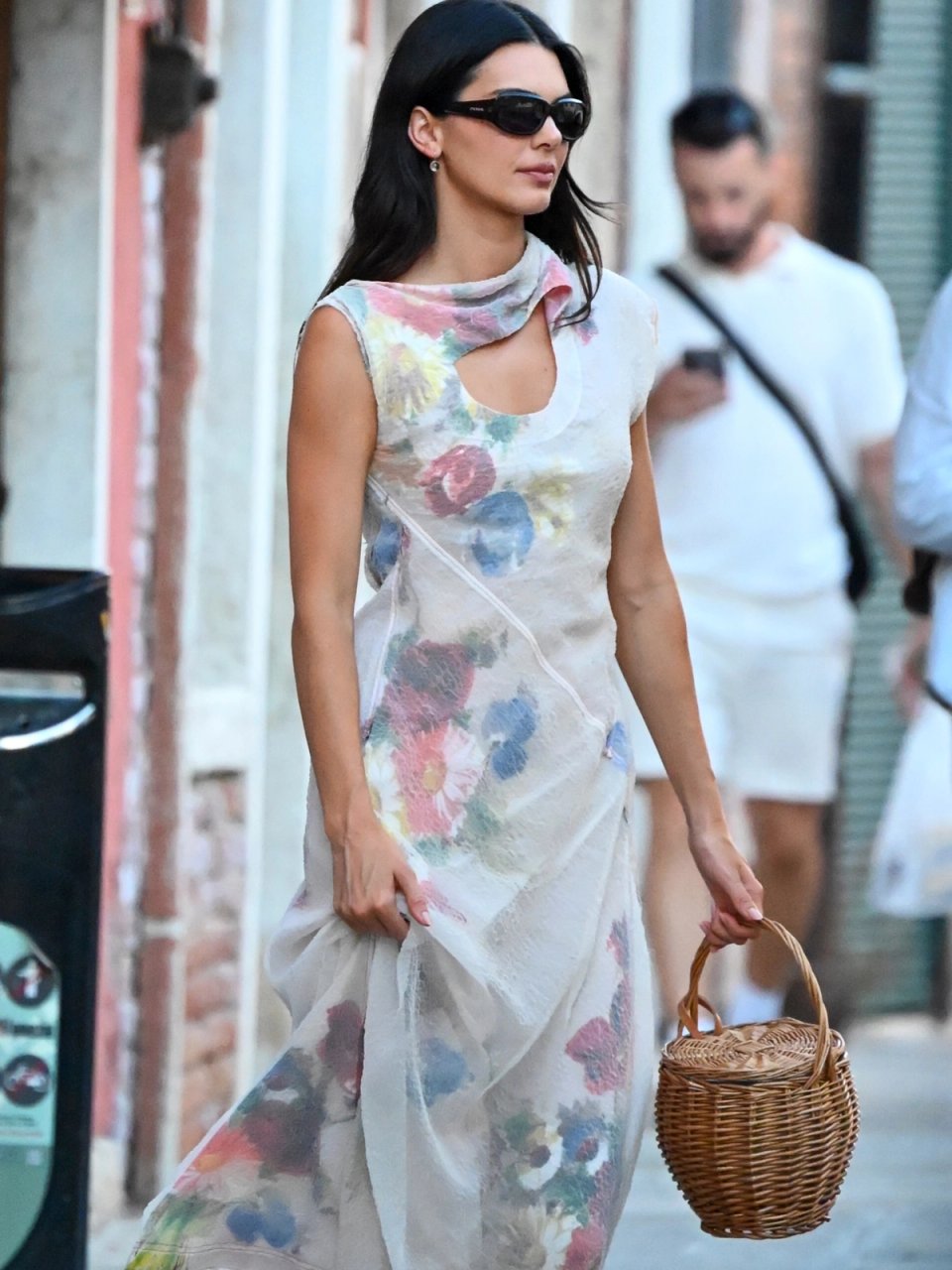
Kendall Jenner brought a piece of Phoebe Philo-era Celine to Venice, wearing a rare Celine by Phoebe Philo Resort 2017 multicolor floral sheer dress for her appearance during the Venice Film Festival.The piece, a prototype from the Resort 2017 collection, was rented by Kendall through Into Archive, giving one of the most sought-after chapters of Celine’s recent history a new life nearly a decade after it was created.
The floor-length dress combines a multicolor floral print with sheer fabric and a fluid silhouette, capturing the understated sensuality that made Phoebe Philo’s Celine so influential. On Kendall, the look feels distinctly current. Rather than treating the dress as a piece of fashion history to be preserved behind glass, she wears it as it was always meant to be worn: as clothing.
For Into Archive, that is what makes archival fashion so exciting. The most compelling pieces in an archive are not necessarily the ones that stay untouched. They are the ones that can move between eras, finding new wearers and new moments while retaining the history that makes them special.
The Celine Prototype
Created during Phoebe Philo’s tenure at Celine, the dress is a prototype from the house’s Resort 2017 collection. Unlike a standard vintage garment that entered production and eventually made its way into the secondary market, a prototype exists closer to the original design process, offering a glimpse into the development of a collection before it reached the wider fashion world.
Philo’s Celine has become particularly significant within archival fashion. Her approach centered on proportion, texture, movement, color, and the relationship between a garment and the woman wearing it, creating pieces that felt modern without depending on obvious branding or short-lived trends. That design philosophy is still immediately recognizable in this floral sheer dress.
Nearly ten years after its original Resort 2017 season, the prototype feels surprisingly at home in 2026. Its transparency, fluid shape, and vivid floral pattern give the dress a sense of movement that works naturally against the backdrop of Venice, while its connection to Philo’s Celine makes it instantly recognizable to those who understand the importance of the era.
From the Into Archive Showroom to Venice
Kendall’s look began not on a red carpet, but in the Into Archive showroom. She rented the Celine prototype from our collection for her time in Venice, bringing a piece that had been preserved within the archive into one of fashion’s most photographed settings.
This is one of the reasons rental has become such an important part of the archival fashion conversation. Access to rare fashion does not always have to mean permanent ownership. A prototype, runway piece, or collectible garment can have a new life through the people who wear it, allowing these pieces to participate in contemporary culture rather than simply exist as objects of preservation.
For a piece like this Celine prototype, that journey feels especially fitting. Designed during one of the most influential periods in modern Celine history, preserved as a rare prototype, and now worn by Kendall Jenner in Venice, the dress has crossed from the design studio to the archive and back into the fashion landscape.
Why Phoebe Philo-Era Celine Still Matters
There is a reason Phoebe Philo’s Celine continues to command so much attention from collectors, stylists, and fashion enthusiasts. Her designs created a visual language that was instantly recognizable without relying on logos or overt statements. The clothes were intelligent but wearable, minimal but never plain, and often became more interesting with time.
That quality has made Philo-era Celine a particularly important part of the contemporary archival fashion market. Pieces from her tenure are increasingly sought after not simply because they are older, but because they represent a specific moment in fashion history that continues to influence designers and the way people dress today.
The Resort 2017 prototype embodies that longevity. Nearly a decade later, it does not need to be heavily restyled or reinterpreted to feel relevant. The design already has the qualities that make archival fashion so appealing: a strong silhouette, distinctive details, a recognizable point of view, and enough versatility to exist beyond its original season.
When a Prototype Gets a Second Life
There is something uniquely compelling about a prototype finding its way into the world again. These pieces can represent an otherwise unseen part of the fashion process, existing before a collection becomes commercially available and sometimes remaining as one of very few examples of a particular design.
That rarity is only part of their appeal. Prototypes preserve possibility. They show what a designer was exploring before an idea became finalized, photographed, sold, and eventually categorized as “vintage.” They are artifacts of fashion in progress.
Kendall Jenner wearing this Celine prototype in Venice adds another chapter to that history. What began as a design created during Phoebe Philo’s Celine era has now become part of a new fashion moment, worn almost ten years later by one of today’s most recognizable fashion figures.
The Archive, Worn Again
The best archival fashion does not feel trapped in the past. It evolves. A garment can belong to one designer, one collection, and one particular moment in fashion history while still feeling completely right on someone today.
Kendall’s Venice appearance is a perfect example. A Celine Resort 2017 prototype that once existed as part of the design process is now part of a contemporary fashion image, demonstrating exactly why rare pieces deserve to be worn, circulated, and experienced rather than simply stored away.
At Into Archive, we believe the archive becomes more meaningful when these pieces continue to have a life. Kendall Jenner’s Celine moment in Venice is not just a look back at Phoebe Philo’s Celine. It is a reminder that great fashion can move forward without leaving its history behind.
→ Book a private showroom appointment
About Into Archive
Into Archive is a New York-based archival fashion showroom specializing in rare and collectible designer pieces from fashion’s most influential eras. Our collection features vintage and archival garments from designers including Dior, Prada, Chanel, Jean Paul Gaultier, Vivienne Westwood, and more.
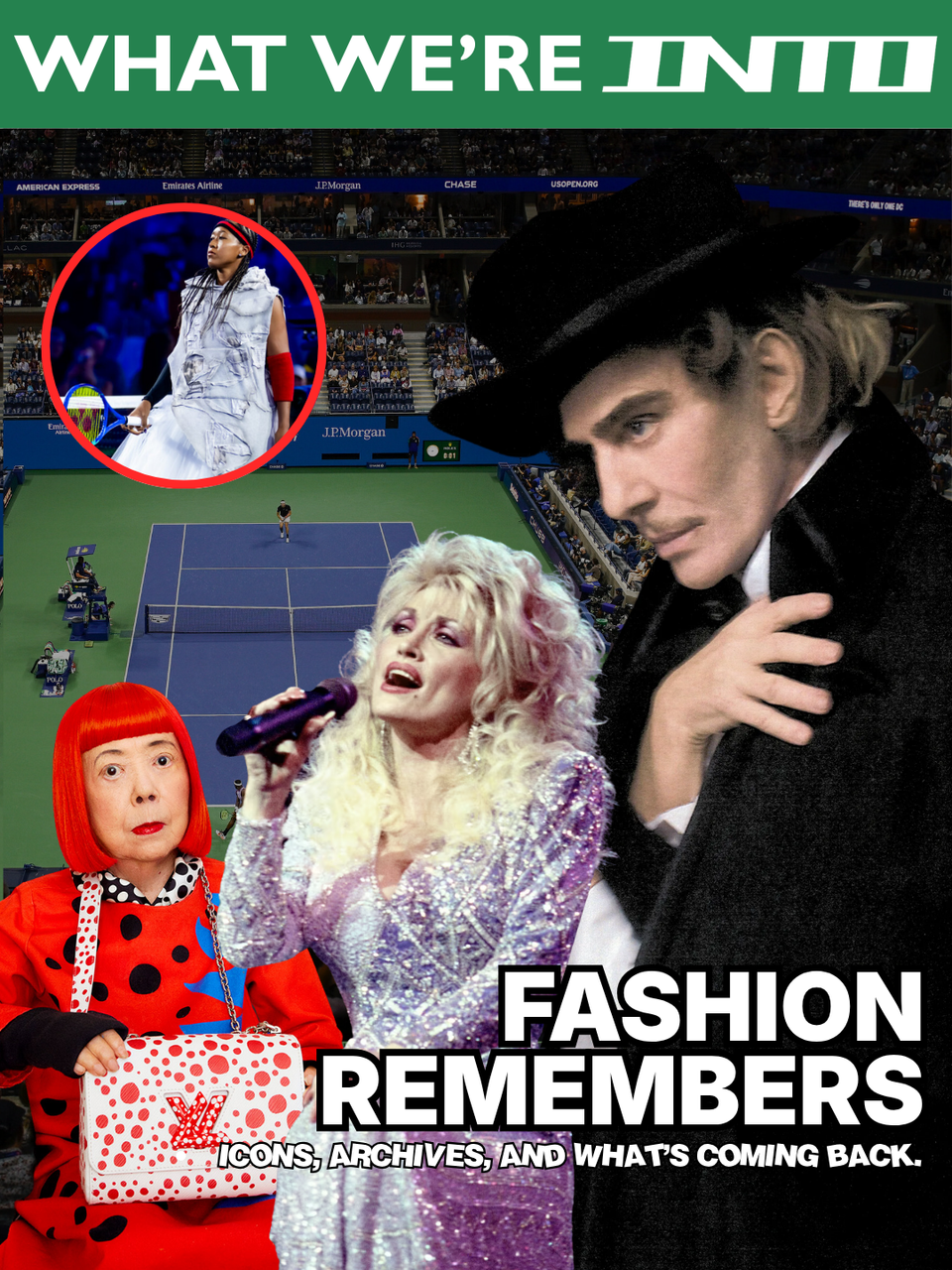
What We’re Into: From Galliano to Kusama, the Icons Shaping Fashion Now
What We’re Into: From Galliano to Kusama, the Icons Shaping Fashion Now
Fashion is always looking backward while insisting it’s moving forward. This season, that tension feels especially obvious. From the return of Y2K technology to the renewed obsession with archival silhouettes, fashion’s biggest conversations are being shaped by the people, images, and ideas that have already left a mark.
At Into Archive, that’s exactly where we like to look: at the moments that become references, the designers who become mythology, and the pieces that continue to feel relevant decades after they first appeared.
The Met Gala Fallout
John Galliano has always been a designer who understood fashion as spectacle. His work transformed historical references, fantasy, theatricality, and craftsmanship into collections that felt closer to performance than clothing. So when the Metropolitan Museum of Art announced that its planned 2027 Costume Institute exhibition, John Galliano: Horizons, would no longer proceed, the decision landed as more than a scheduling change.
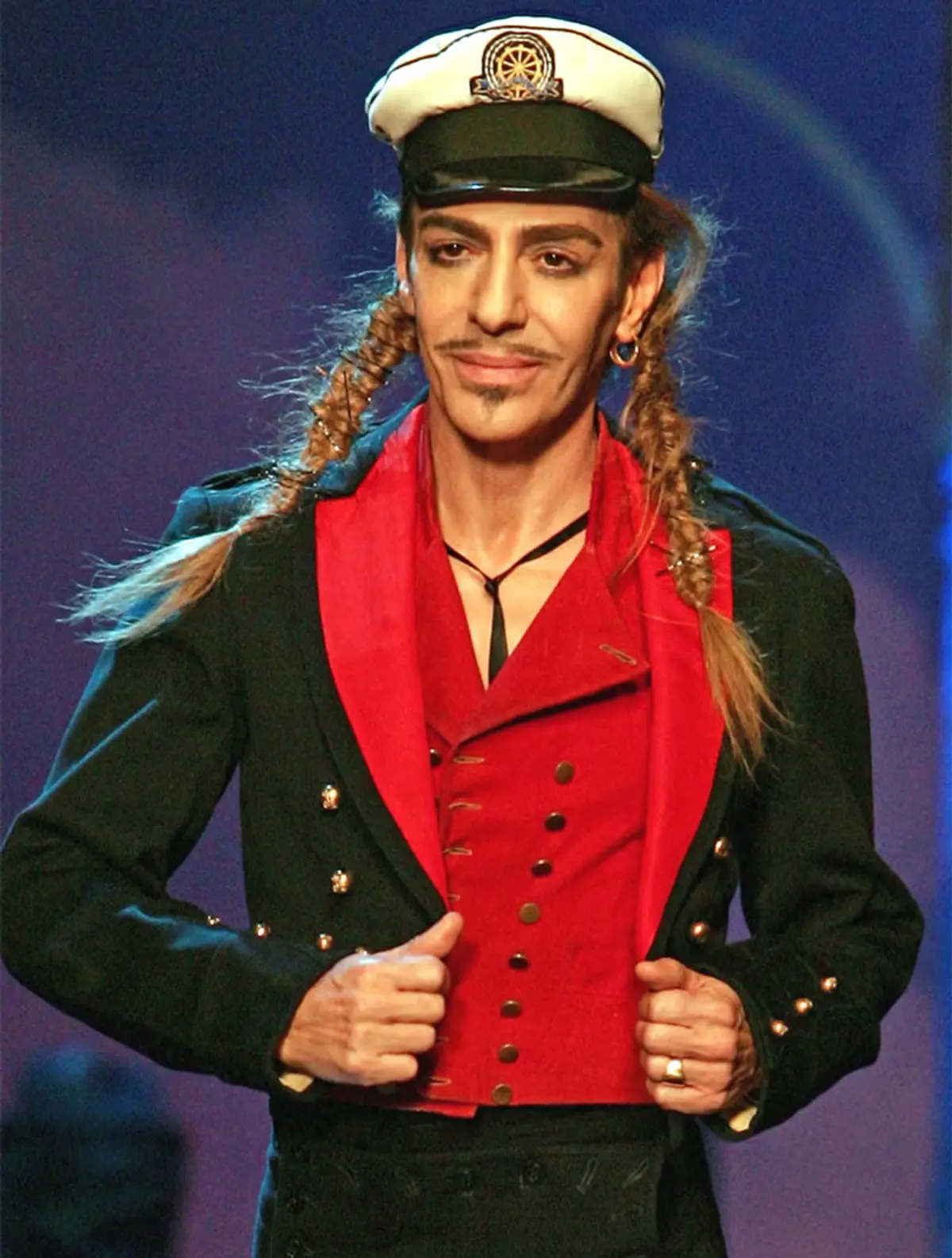
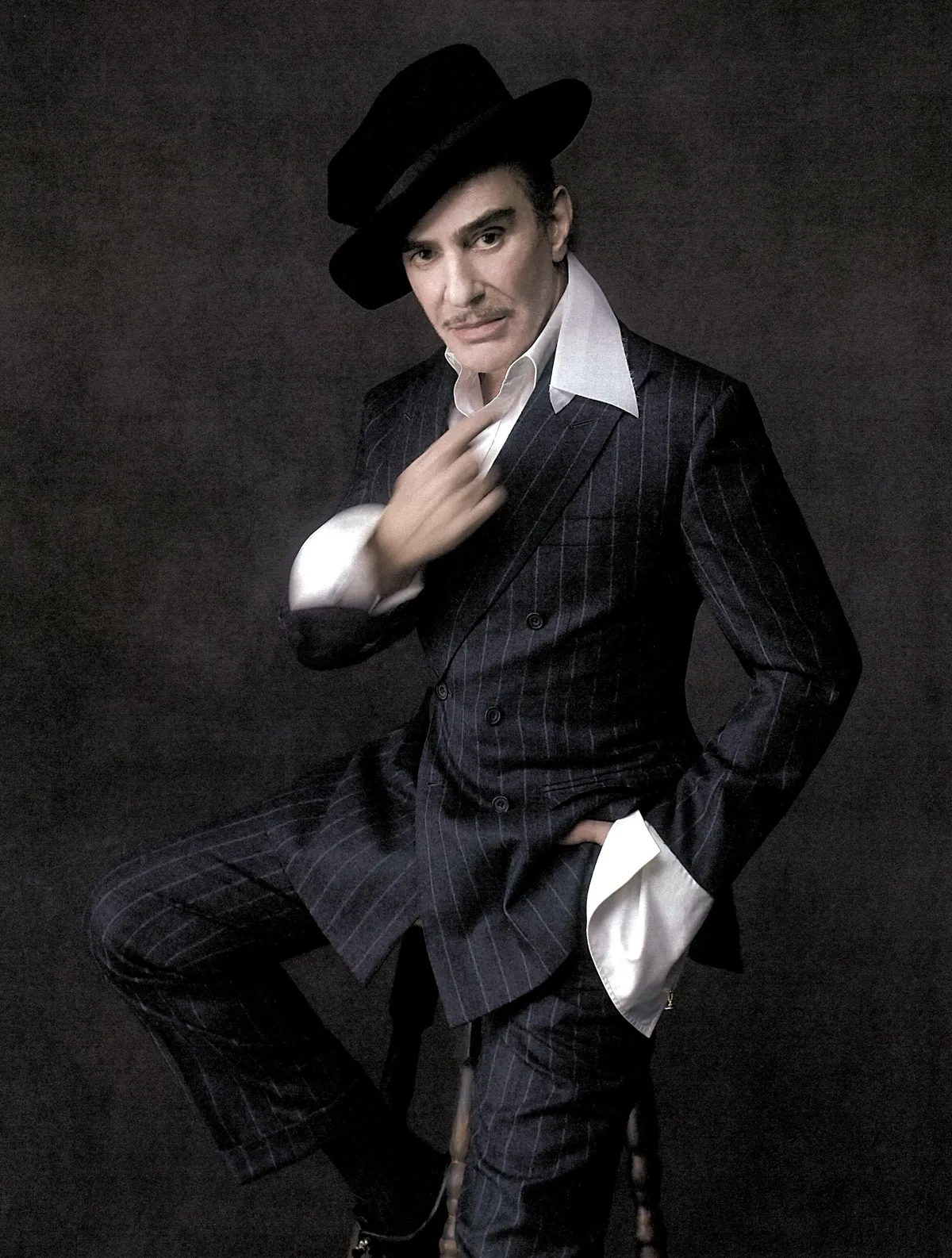
The cancellation followed renewed controversy surrounding Galliano’s past, reopening one of fashion’s most complicated questions: what happens when the work is undeniably influential but the person behind it remains deeply controversial?
Galliano’s legacy is particularly difficult to separate from fashion history because his influence is everywhere. His work at Dior and Maison Margiela helped define entire visual languages, from exaggerated historical silhouettes to deconstruction, surrealism, and theatrical styling. For an archival fashion community, that makes the conversation impossible to ignore. An archive isn't simply a collection of clothes — it is a record of the ideas, tensions, and cultural shifts that produced them.
Remembering Dolly Parton
Dolly Parton understood the power of an image long before social media turned personal style into a global industry.
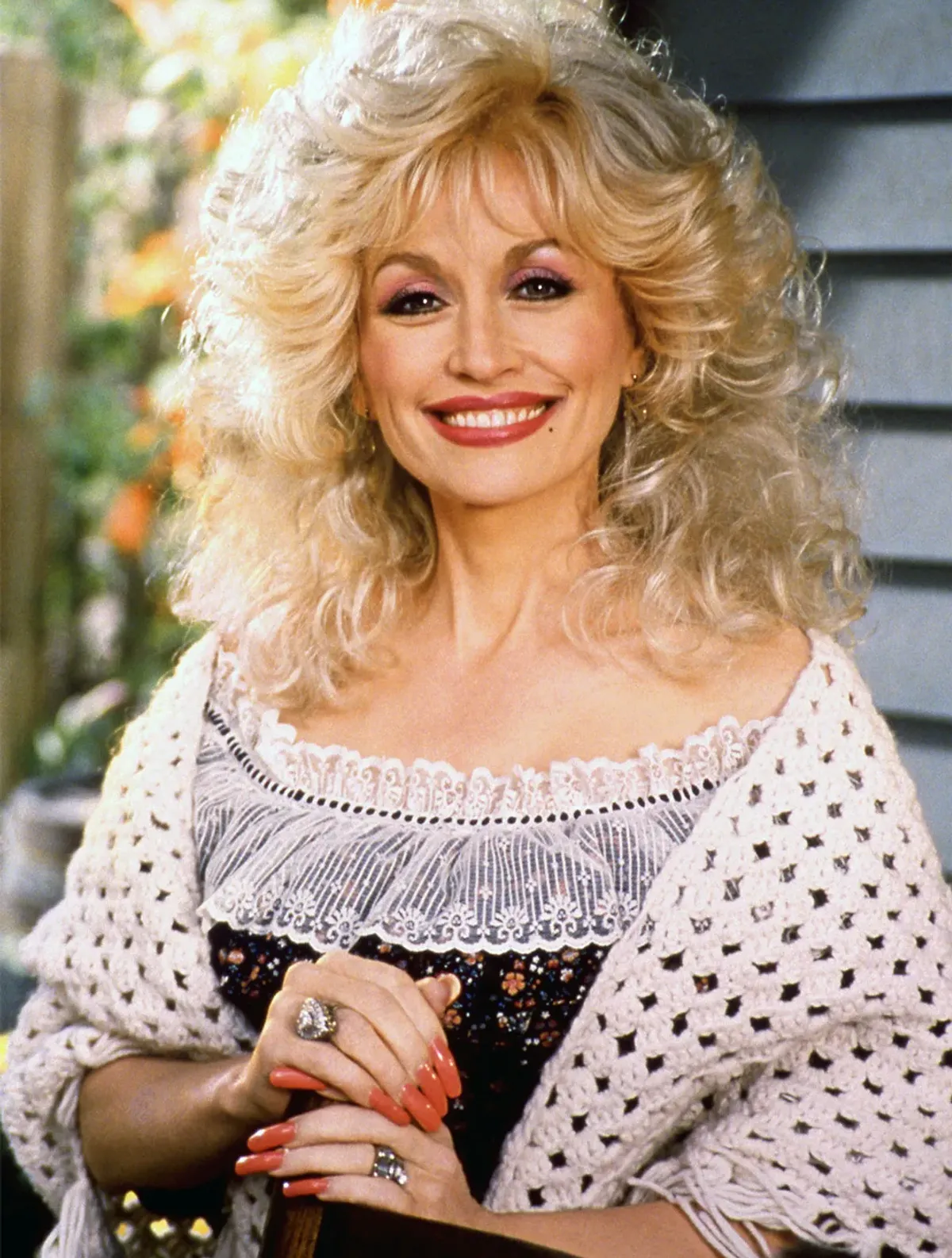
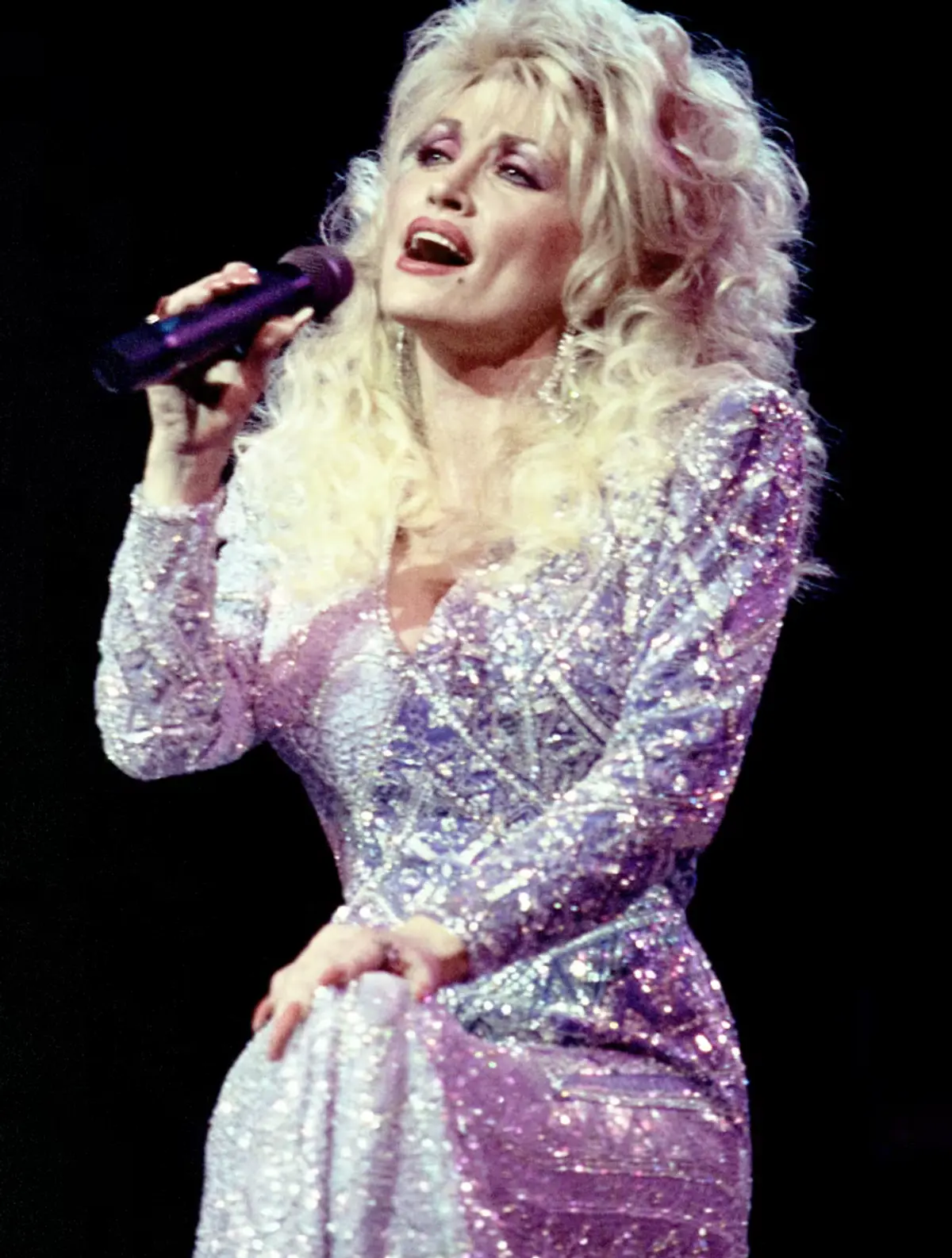
With her passing at 80, fashion has been looking back at an aesthetic that was unmistakably Dolly: rhinestones, sequins, feathers, fringe, corsetry, exaggerated silhouettes, sky-high hair, and unapologetic glamour. She never subscribed to the idea that femininity had to be subtle to be sophisticated. If anything, she made excess feel like a form of authenticity.
Her influence reaches far beyond country music. Dolly’s image has become a visual shorthand for Southern glamour, maximalism, performance, and self-invention — ideas that continue to cycle through fashion today.
There is something inherently archival about that kind of style. The pieces that survive culturally are rarely the quiet ones. They are the clothes that tell you exactly who wore them, where they were going, and why they wanted to be seen.
Yayoi Kusama’s Infinite Influence
Yayoi Kusama leaves behind one of the most recognizable visual languages in contemporary art: polka dots, pumpkins, infinity rooms, mirrored spaces, and obsessive repetition. Her influence on fashion has been just as lasting.
Her collaborations with Louis Vuitton helped push the relationship between fashion and contemporary art into a new visual territory. The partnership first emerged in 2012 under Marc Jacobs, transforming Kusama’s signature dots into handbags, clothing, accessories, and immersive retail installations. More than a decade later, the collaboration returned in 2023, proving that the visual language still had enormous cultural power.
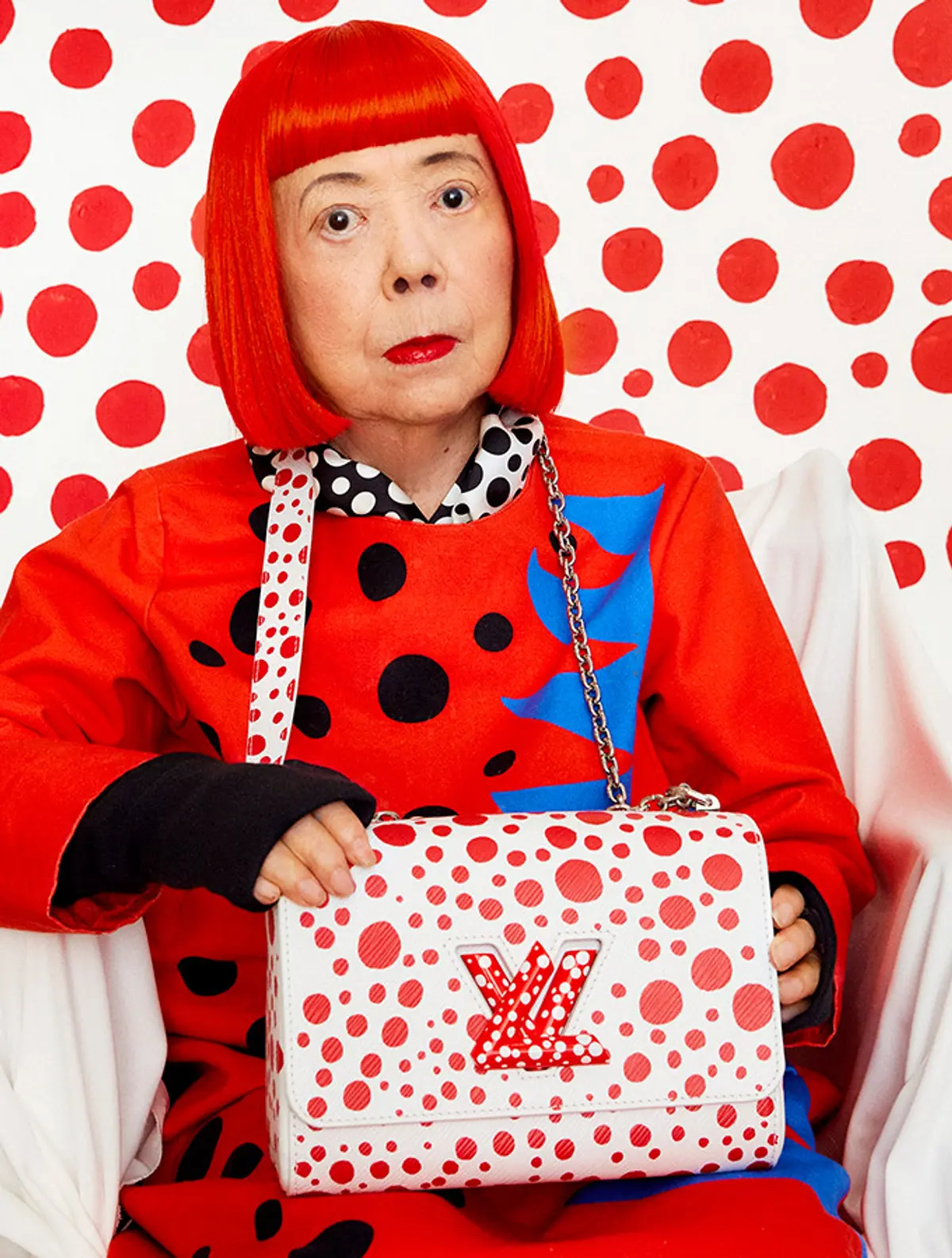
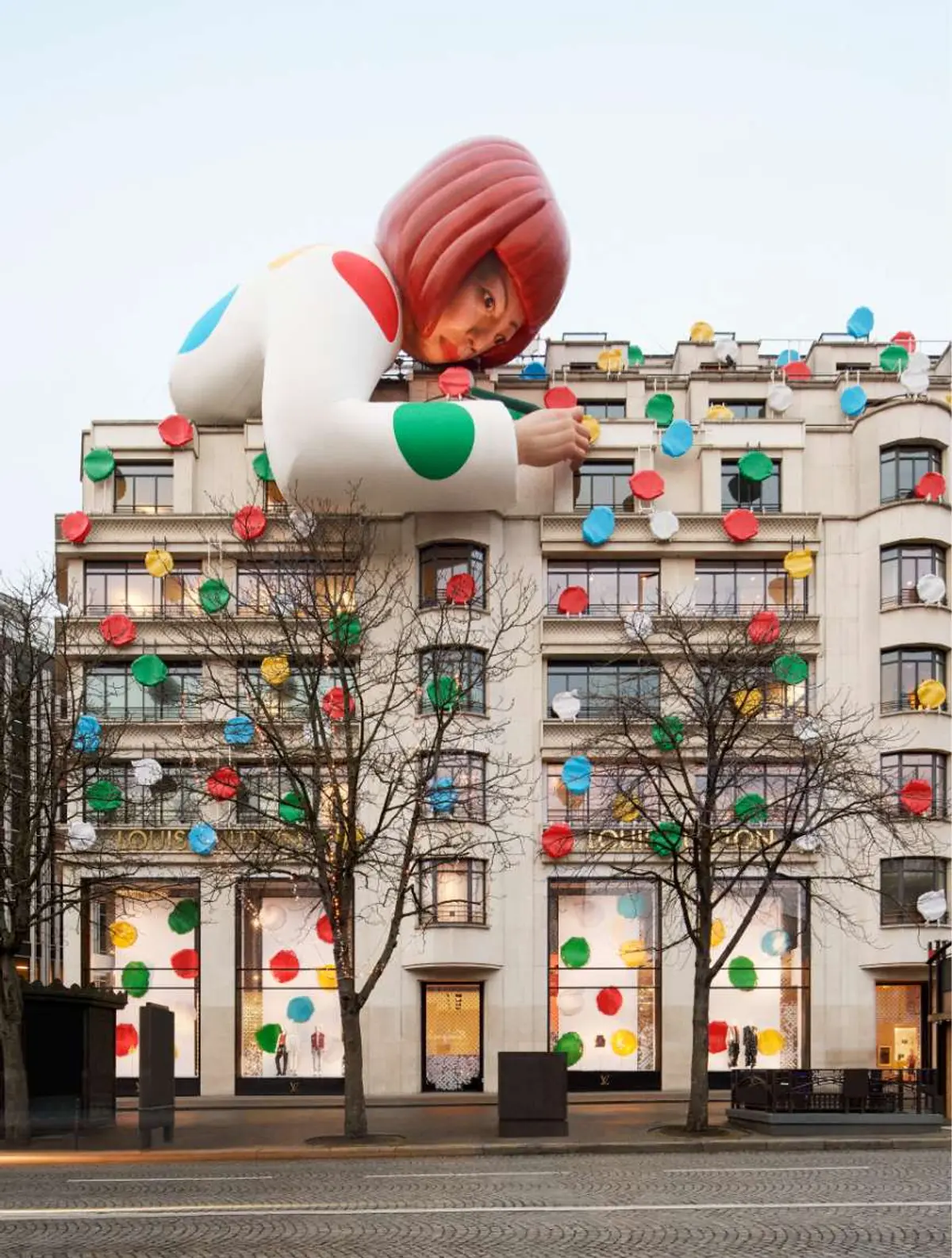
Louis Vuitton's relationship with Kusama was never simply about putting a print on a bag. Stores became installations. Handbags became canvases. Fashion became part of the artwork itself.
With Kusama’s passing at 97, those collaborations take on another layer of significance. They are now part of a larger record of how one artist changed the way fashion could interact with art, commerce, and popular culture.
For an archive, that kind of history matters. The most collectible pieces are often the ones that represent a moment bigger than the garment itself.
New York, Tennis & the US Open
Every September, New York becomes a particularly interesting fashion city.
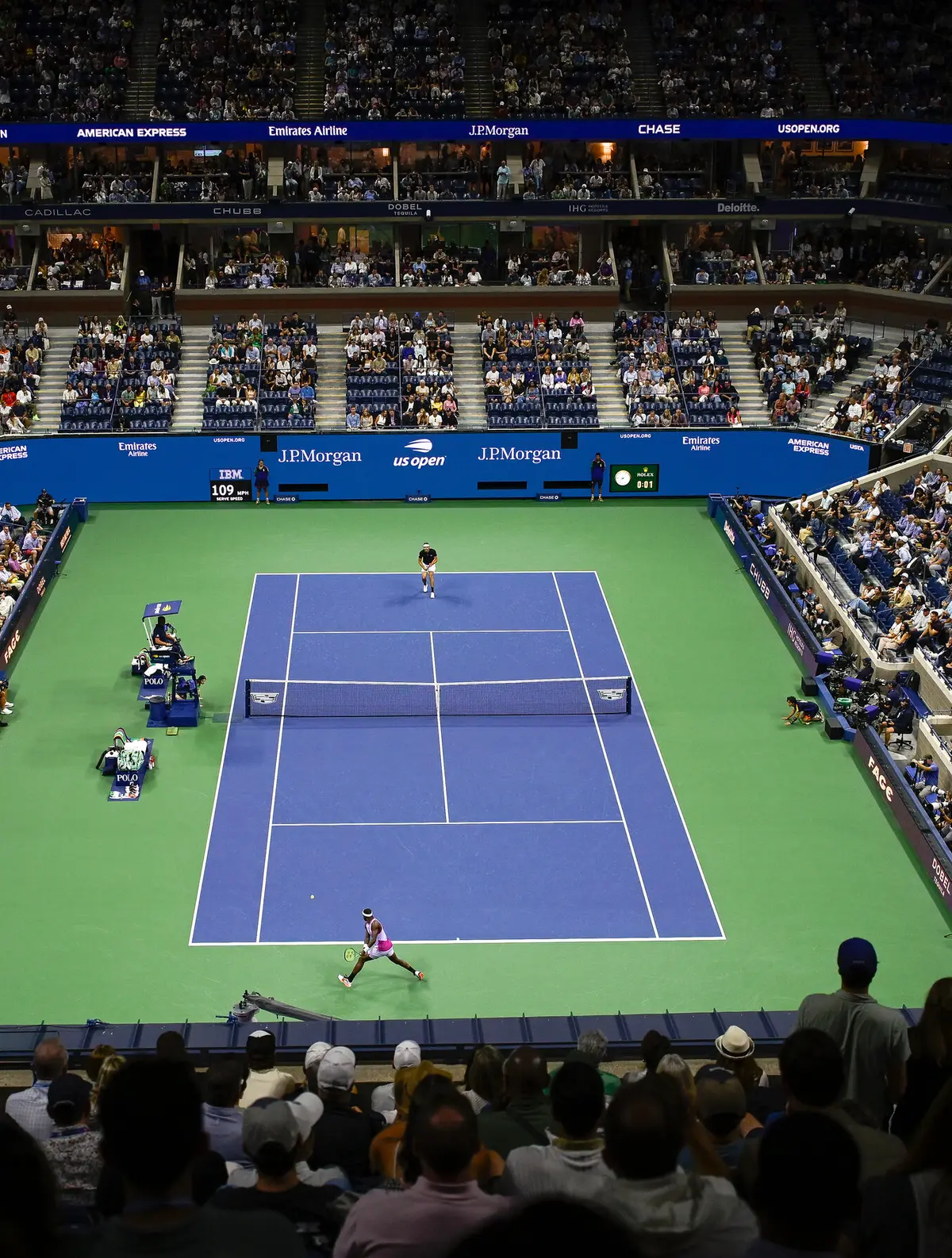
The US Open brings athletes, celebrities, designers, editors, and brands into the same orbit, turning Flushing Meadows into more than a sporting destination. The tournament has increasingly become its own style ecosystem — one where athletic uniforms, tunnel looks, custom fashion, and celebrity dressing collide.
Tennis has always had a complicated relationship with fashion. The sport's traditional codes — pleats, polos, clean whites, tailored silhouettes — have become a reference point that designers continually reinterpret. In New York, those references feel less restrained. The result is a mix of performance, nostalgia, streetwear, and high fashion that feels distinctly current.
And then there was Naomi Osaka.
Naomi Osaka Pays Tribute to Allen Iverson
Naomi Osaka's US Open look was one of those moments where fashion history, sport, and personal influence collided.
For her appearance, Osaka paid tribute to Allen Iverson, drawing from the basketball legend's unmistakable style language. Styled by Law Roach, she appeared in a dramatic custom Who Decides War gown featuring newspaper imagery, layered tulle, and a silhouette that felt part couture, part sports mythology.
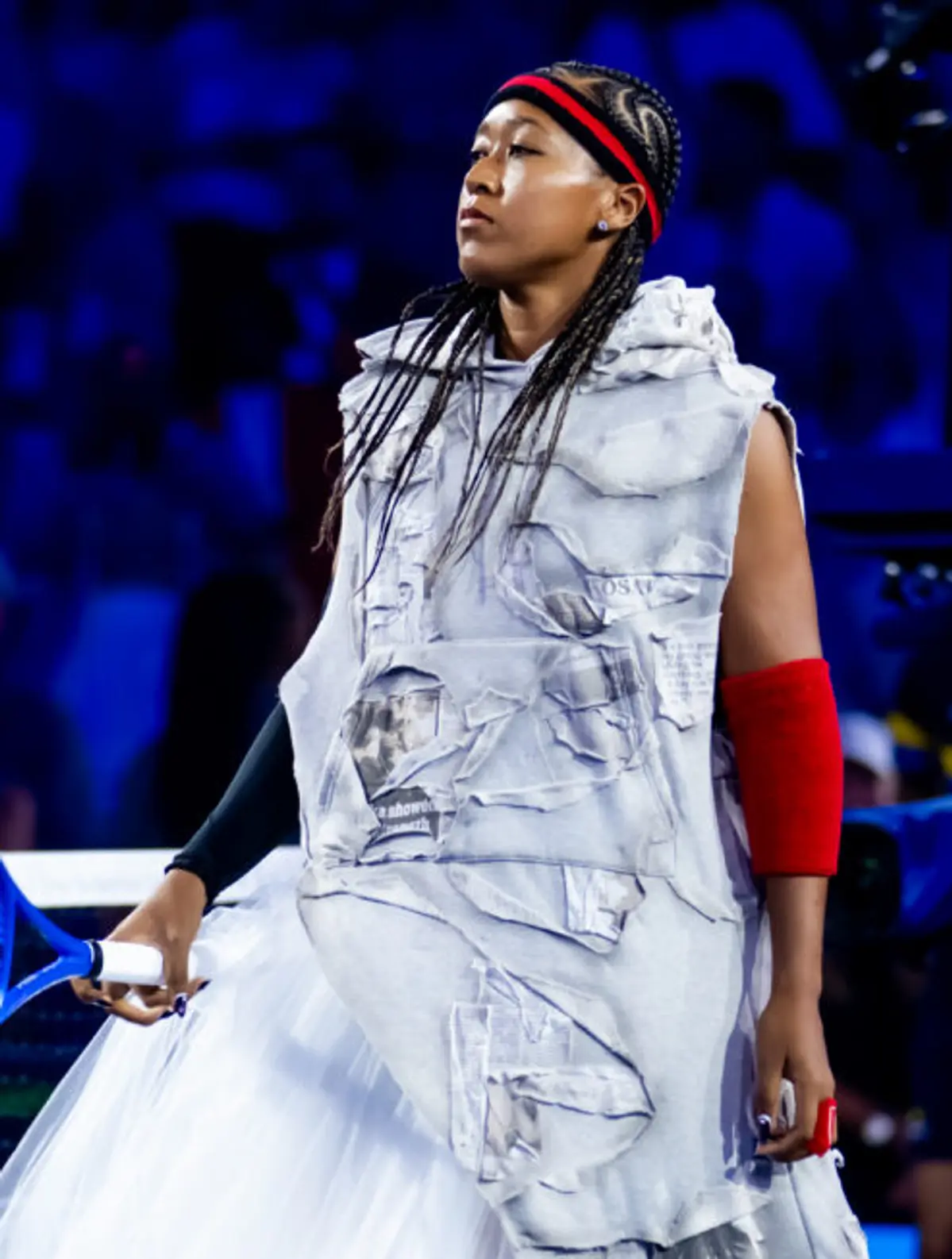
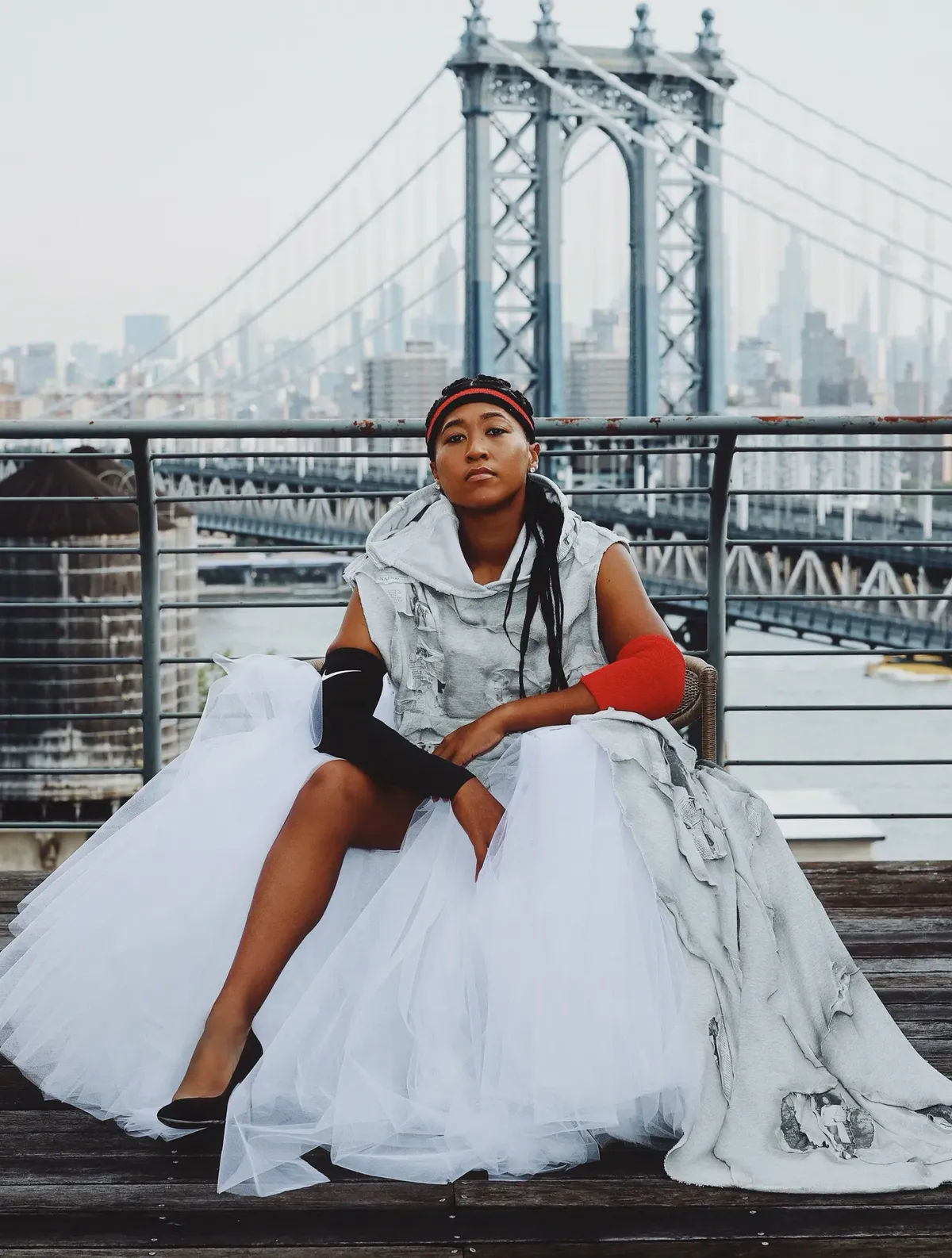
The look also incorporated references to Iverson's signature styling — from cornrows and a headband to the attitude associated with his early-2000s basketball image.
It was a fitting tribute because Iverson was never simply an athlete. He fundamentally changed the relationship between basketball and fashion. Cornrows, oversized clothing, arm sleeves, jewelry, and streetwear moved from the court into mainstream culture, eventually influencing the luxury fashion industry itself.
The look also carried an interesting archival connection. Its silhouette referenced an earlier Who Decides War design from Fall 2020, created by the brand's founders under Virgil Abloh's mentorship. Suddenly, one US Open appearance connected multiple generations of fashion: Iverson's influence on streetwear, Virgil's influence on a new generation of designers, and Osaka's ability to turn sports dressing into a cultural statement.
That's the kind of fashion moment we are always watching.
Fall 2026 Is Looking Black and Red
If the runway and consumer data are any indication, Fall 2026 is leaning into drama.
Black and red are dominating color conversations, while sunglasses, minimalism, lace, and tailored trousers continue to gain attention. On paper, these trends might seem contradictory — minimalism on one side, dramatic color and romantic lace on the other — but together they point toward something more interesting.
Fashion is becoming more intentional.
The current mood isn't necessarily about buying more. It's about finding pieces with a strong point of view. A sharply tailored trouser, an exaggerated pair of sunglasses, a lace detail, or a perfectly cut black jacket can completely define a look without needing much else.
And that's where archival fashion fits naturally into the conversation. The best vintage pieces don't need to follow a trend because they already have one. They carry a silhouette, fabrication, or design language that can be pulled into the present without losing the history that made it interesting in the first place.
The MP3 Player Is Back
Apparently, we weren't done with the 2000s.
Justin Bieber's SKYLRK recently teased a Y2K-inspired MP3 player complete with wired earbuds and colorful headphones, tapping into the same nostalgia that has brought back digital cameras, flip phones, iPods, and other pieces of early-internet culture.
The appeal isn't really about technology. It's about the feeling attached to it.
Before smartphones became the device through which we photographed, communicated, listened, shopped, and navigated our entire lives, technology was much more fragmented. You had a camera. You had an MP3 player. You had headphones. You had a phone. Each object had its own personality.
Fashion understands that nostalgia extremely well. Once an object becomes obsolete, it can eventually become desirable again — not because it is technologically superior, but because it represents a specific moment in time.
The return of the MP3 player is another reminder that Y2K isn't going anywhere. We're not just wearing the era again. We're rebuilding its entire visual world.
So, What Are We Into?
We're into fashion that remembers.
We're into Galliano's complicated place in fashion history, Dolly Parton's unapologetic glamour, Yayoi Kusama's infinite visual language, and Louis Vuitton's ability to turn a collaboration into an entire cultural universe.
We're into New York in September, when tennis becomes fashion and fashion becomes sport. We're into Naomi Osaka using a US Open appearance to connect Allen Iverson's legacy to a new generation. We're into black, red, lace, tailored trousers, oversized sunglasses, and anything that makes a wardrobe feel like it has a point of view.
And, apparently, we're into MP3 players again.
Because the best part of fashion's obsession with the past isn't simply nostalgia. It's the ability to take something that already existed and make it feel completely new.
That's what we're into.
Come See the Archive
Want to see what we're into IRL? Visit Into Archive's New York showroom and explore our collection of rare and collectible pieces from fashion's most influential eras.
→ Book a private showroom appointment
About Into Archive
Into Archive is a New York-based archival fashion showroom specializing in rare and collectible designer pieces from fashion’s most influential eras. Our collection features vintage and archival garments from designers including Dior, Prada, Chanel, Jean Paul Gaultier, Vivienne Westwood, and more.


What We’re Into: Weird Shoes, Maximalist Bags & the Return of Tactility
From surreal footwear and embellished handbags to color maximalism, the return of physical media, and the growing value of tangible objects, fashion is entering a distinctly more expressive era. Here’s everything we’re watching this week.
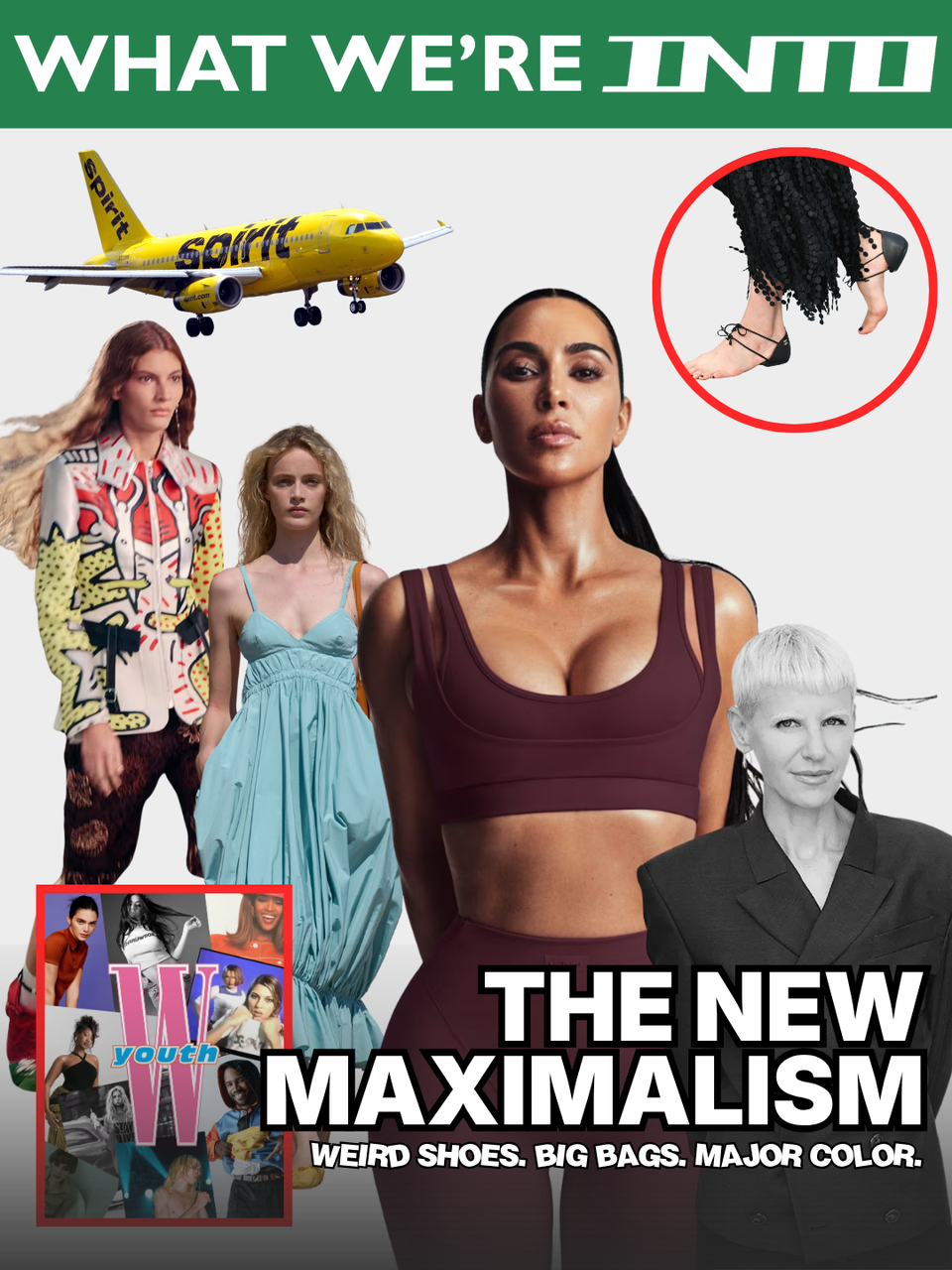
Welcome back to What We’re Into, our weekly roundup of the fashion, culture, technology, and retail stories shaping what comes next. This week, our nine-square board takes us everywhere from barely-there shoes and Y2K statement bags to major creative appointments, a new Gen Z magazine, Yeezy’s return to mainstream retail, the AI gender gap, and gold reaching new highs.
At first, these stories might seem completely unrelated. But put them next to each other and a much bigger cultural shift starts to emerge. After several years of minimalism, quiet luxury, neutral wardrobes, and increasingly digital consumption, we're seeing an appetite for the opposite: color, texture, weirdness, physicality, personality, and things that feel collectible.
For an archive business like Into Archive, that's a pretty exciting development.
The Shoe Has Officially Left the Chat
Let's start with footwear, because the shoe has officially left the chat.
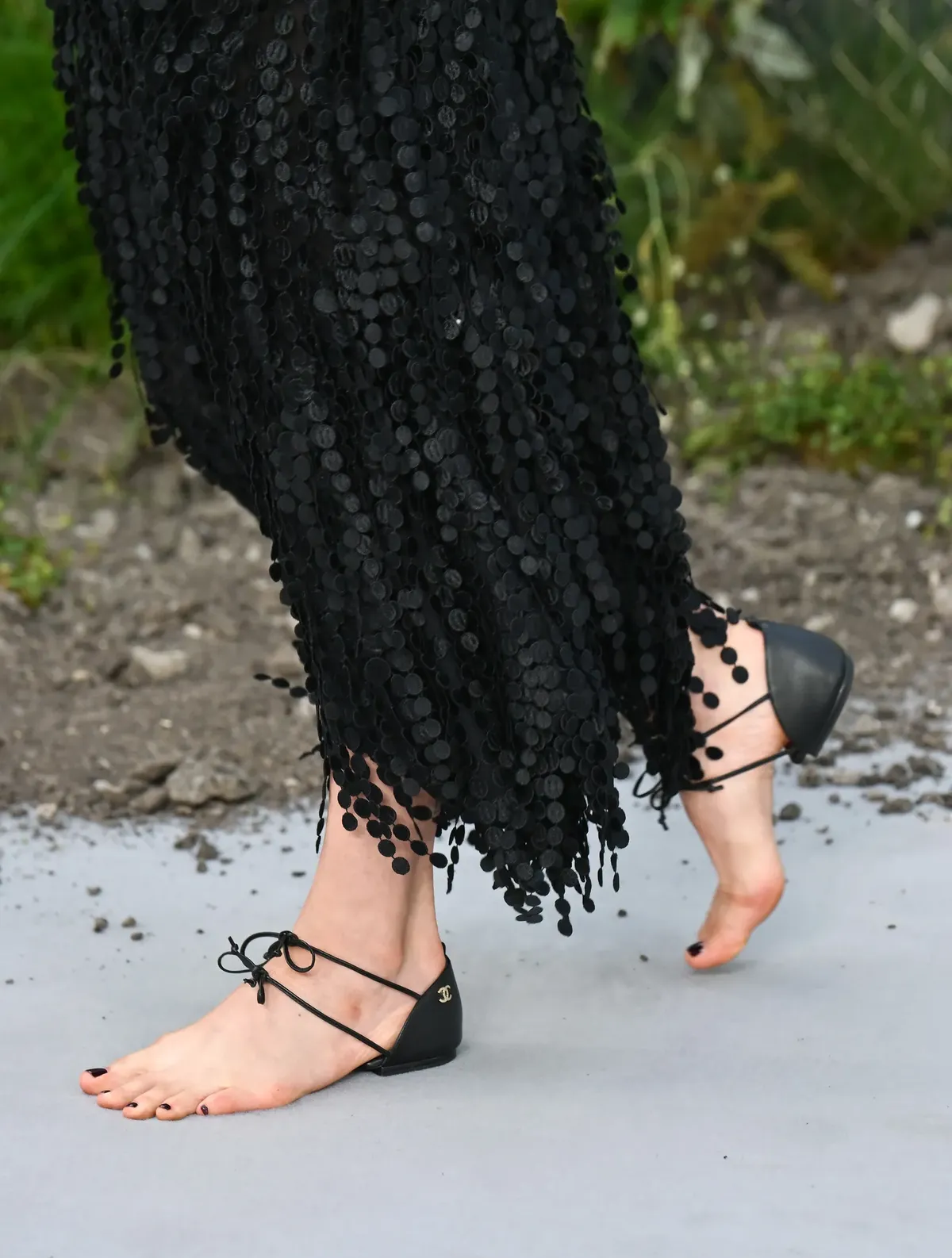
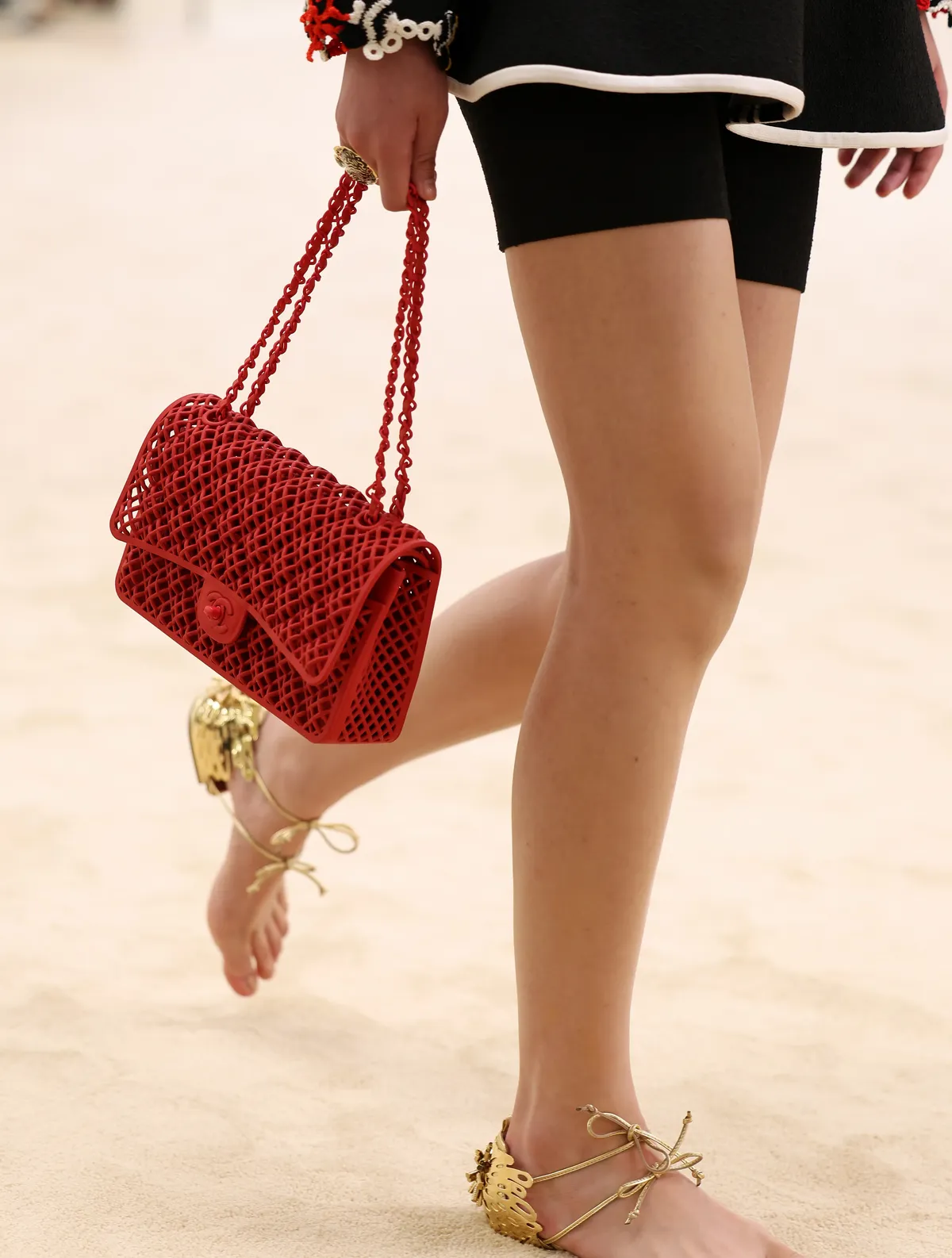
We're seeing an explosive appetite for surreal, avant-garde, and barely-there footwear: caged heels, mesh flats, split-toe thongs, exposed feet, sculptural constructions, and shoes that sometimes look more like conceptual objects than traditional footwear. The conventional idea of a “shoe” is being deliberately stripped back, with designers and consumers increasingly interested in what happens when footwear becomes almost invisible—or completely bizarre.
The rise of the so-called “barefoot” aesthetic is particularly interesting. Instead of using footwear to create polish or formality, these styles almost reject the idea that a shoe needs to conceal or transform the foot at all. The result is something slightly uncomfortable, slightly futuristic, and very fashion.
And honestly, we're here for it.
For Into Archive, this is a massive green light to start looking at our footwear collection differently. The conceptual pieces that might once have felt too strange for everyday styling suddenly feel incredibly relevant. Vintage Margiela Tabis, late-2000s Prada cage heels, unusual platforms, mesh constructions, and sculptural runway shoes all have a new context.
We also know our audience loves footwear content, which makes this an especially easy trend to capitalize on. Rather than only featuring the most commercially recognizable shoes, we're interested in pushing the stranger pairs—the “freakier” the better. If fashion wants shoes that look like they barely qualify as shoes, the archive has decades of references ready to go.
Color Maximalism Is Replacing Quiet Luxury
The second major shift we're watching is color.
After years of neutral “quiet luxury,” retailers and designers are leaning increasingly hard into saturated, emotional color. It feels almost like a psychological reaction to the grey fatigue of the last few years: if everything around us feels uncertain, why shouldn't our clothes be a little more joyful?
The runways have been pushing this conversation forward. Jacquemus' Spring/Summer 2027 collection leaned heavily into turquoise and orange, while Louis Vuitton's Cruise 2027 collection embraced saturated color throughout. At Copenhagen Fashion Week SS27, blue and pink reportedly accounted for around 20% of the overall color palette, pointing toward a much stronger appetite for expressive shades.
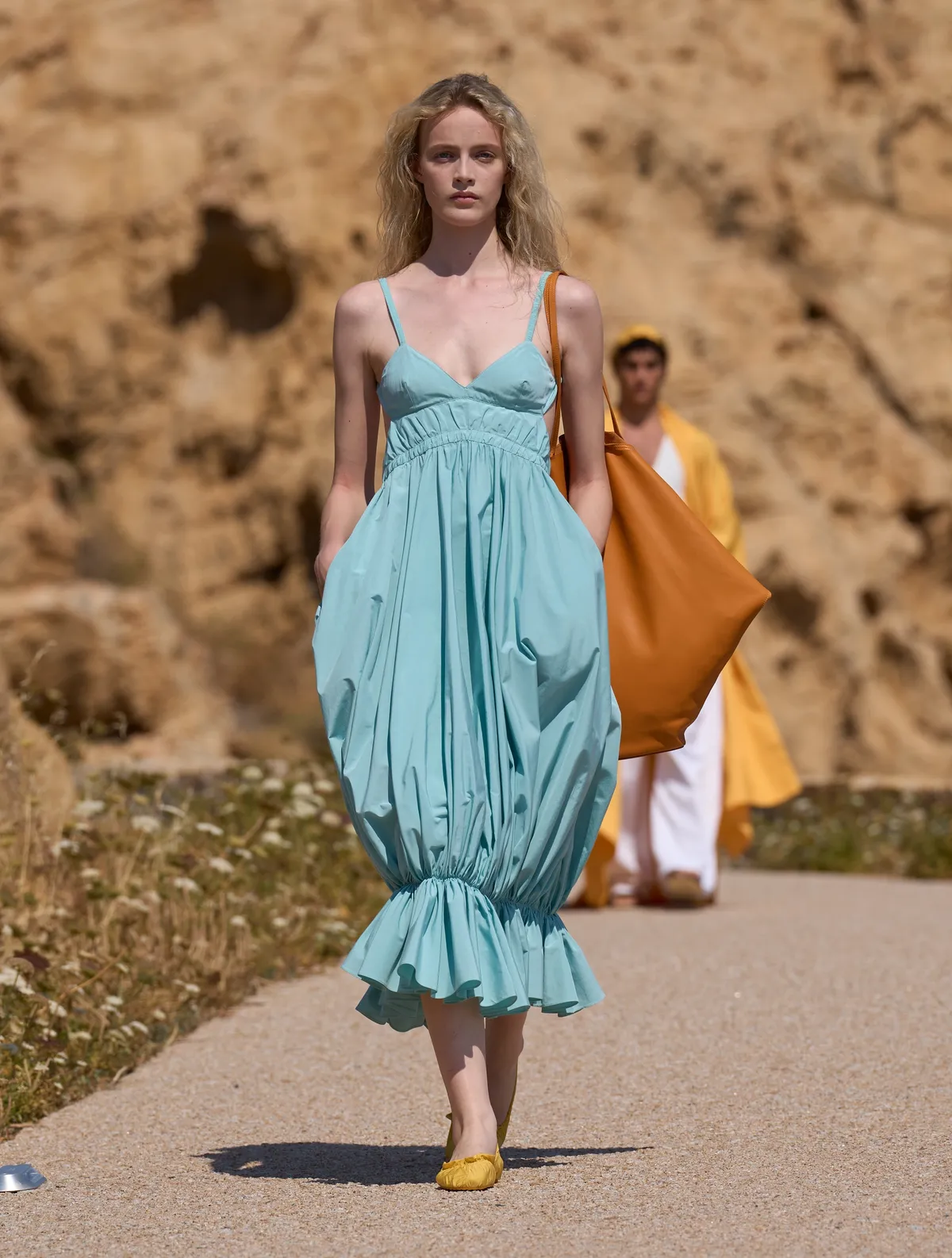
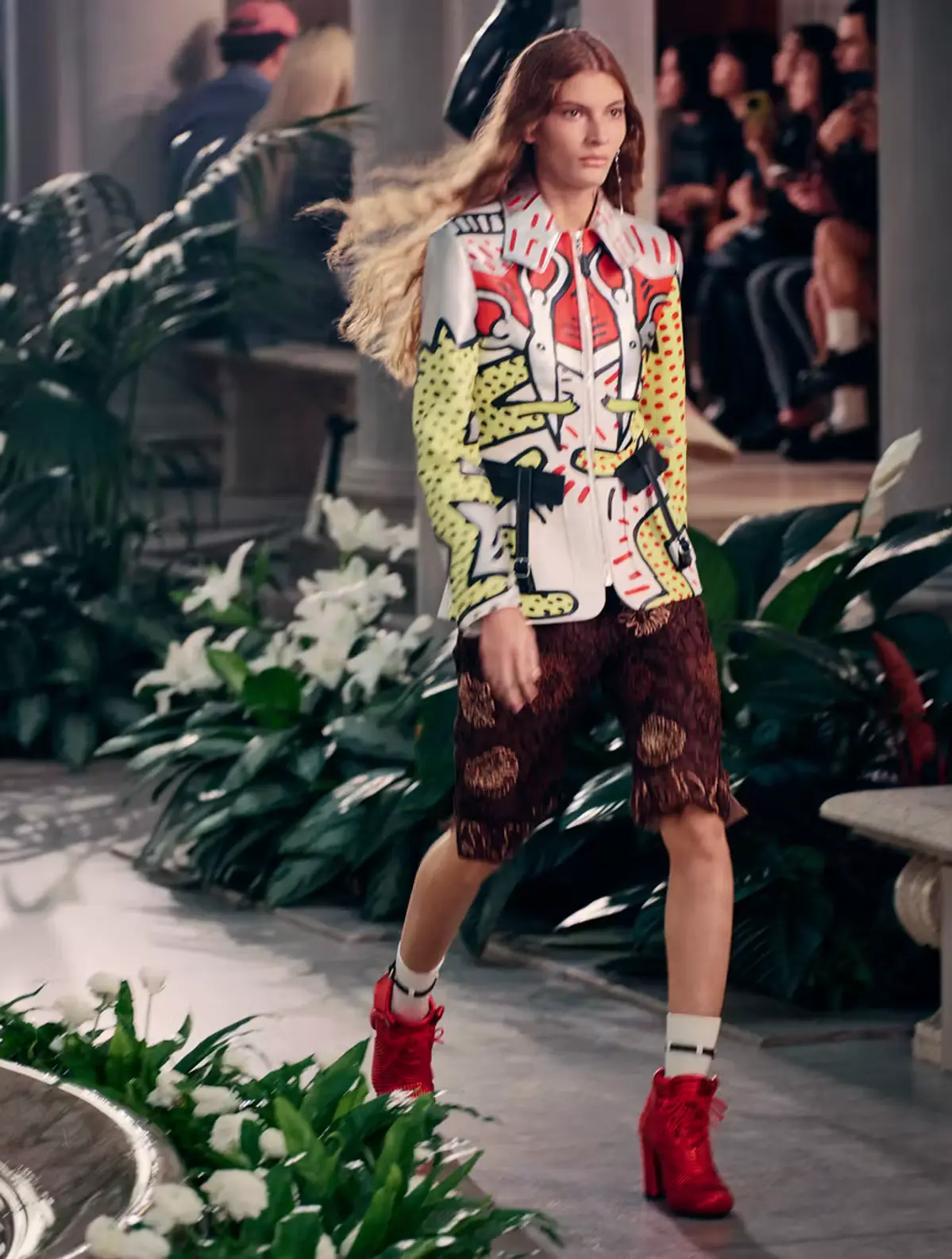
Search behavior is backing it up, too. Turquoise searches have climbed 45%, while orange searches are up 16%, suggesting that the interest isn't staying confined to fashion insiders or runway imagery.
The bigger story here is that color is becoming a form of emotional dressing again. After the dominance of cream, black, grey, beige, and brown, people are actively looking for pieces that have an immediate visual impact.
And this is another area where the archive has a major advantage. Vintage fashion has never been particularly afraid of color. From electric blue Prada to hot pink Versace, acid green accessories, orange leather, and saturated runway pieces, the archive is full of shades that can make a contemporary neutral wardrobe feel completely different.
Maybe the new luxury isn't blending in. Maybe it's being impossible to ignore.
Handbag Maximalism Is Here
If color is getting louder, handbags are getting more tactile.
Consumers increasingly want bags covered in beads, sequins, crystals, embroidery, glitter, fringe, intricate appliqués, and exaggerated hardware. The polished, anonymous leather tote is being challenged by bags that demand to be touched, photographed, and examined.
This feels particularly significant for Y2K fashion because the era was already obsessed with statement accessories. The best bags of the late '90s and 2000s weren't designed to disappear into an outfit. They were covered in rhinestones, logos, metallic finishes, charms, unusual textures, oversized buckles, and decorative hardware. They had personality.
Now, that same instinct is coming back.
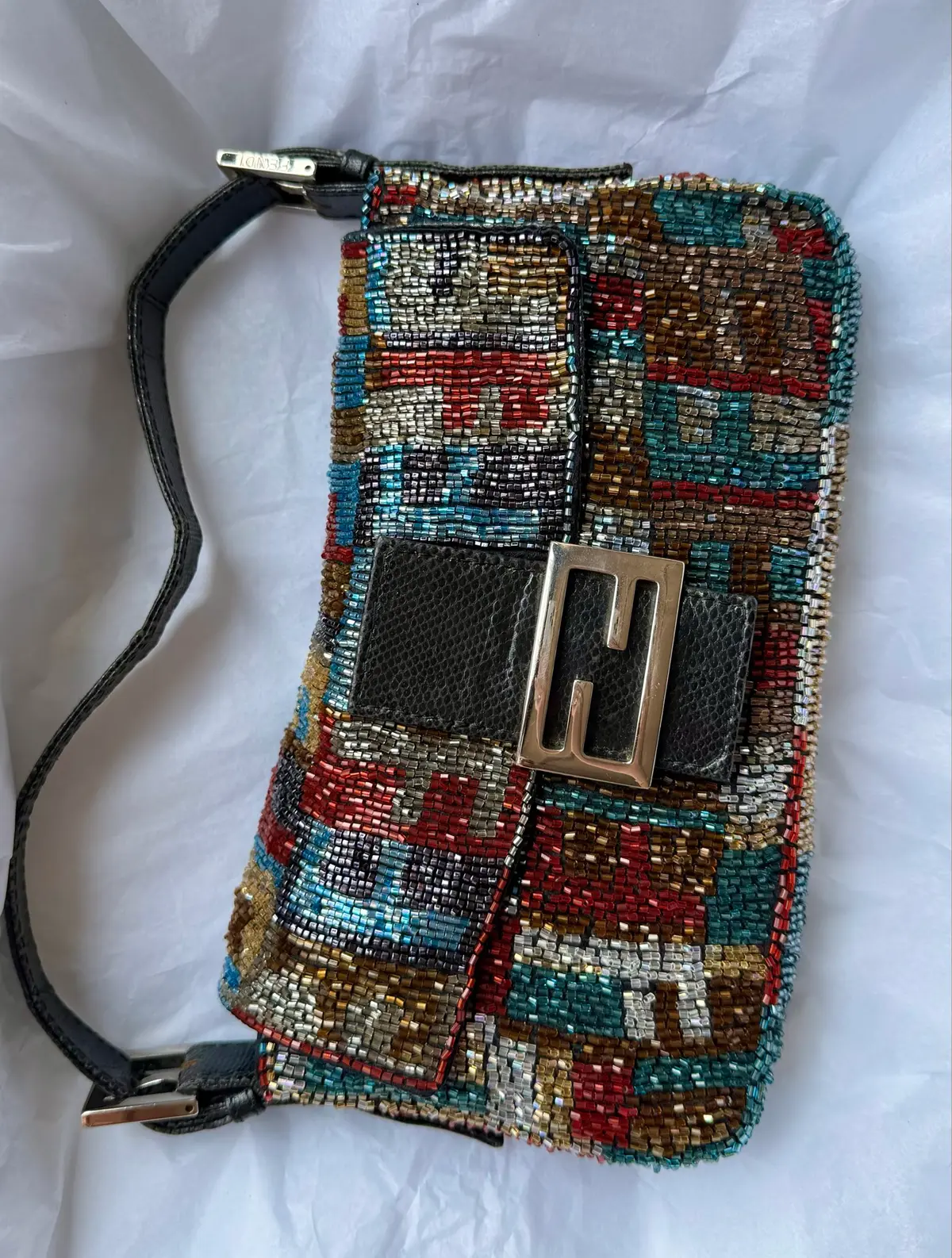
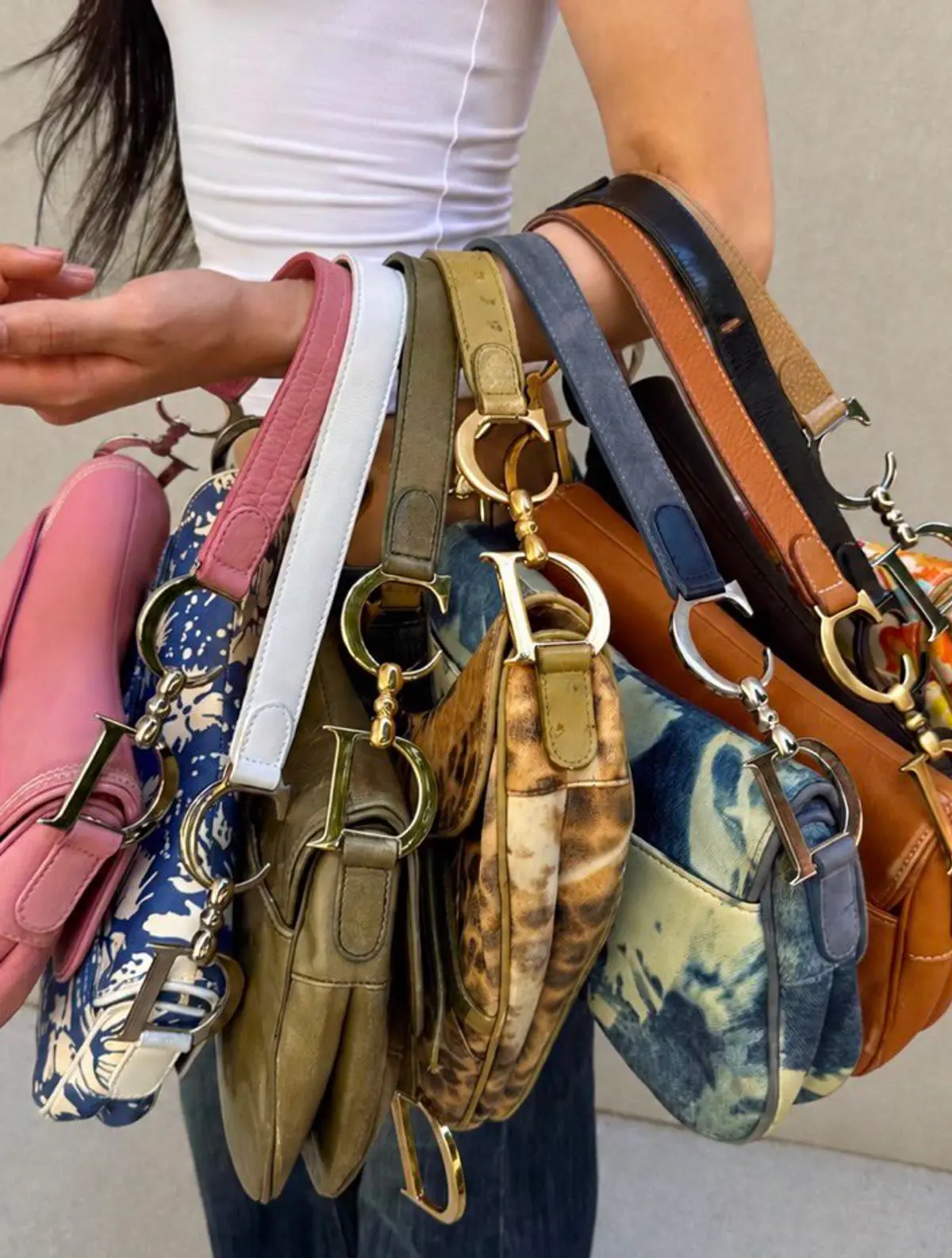
And for Into Archive, it completely validates our focus on Y2K statement bags. The pieces that feel most exciting right now aren't necessarily the quietest or most practical. They're the ones that make you stop scrolling: the beaded evening bags, crystal-covered shoulder bags, heavily embellished minis, strange silhouettes, and pieces with hardware that feels almost excessive.
There's a reason these bags work so well on social media, too. Texture reads immediately on camera. A heavily beaded bag, glittering crystal finish, or unusual piece of hardware creates visual interest before you even know what brand you're looking at.
People don't just want a bag. They want a bag with a story.
SKIMS Goes Streetwear
Moving into the business side of fashion, SKIMS just made a major creative hire. The brand appointed former Supreme Chief Creative Officer Erin Magee as its first-ever Chief Design Officer, bringing more than two decades of Supreme experience into a company that is rapidly expanding its physical retail footprint and global presence.

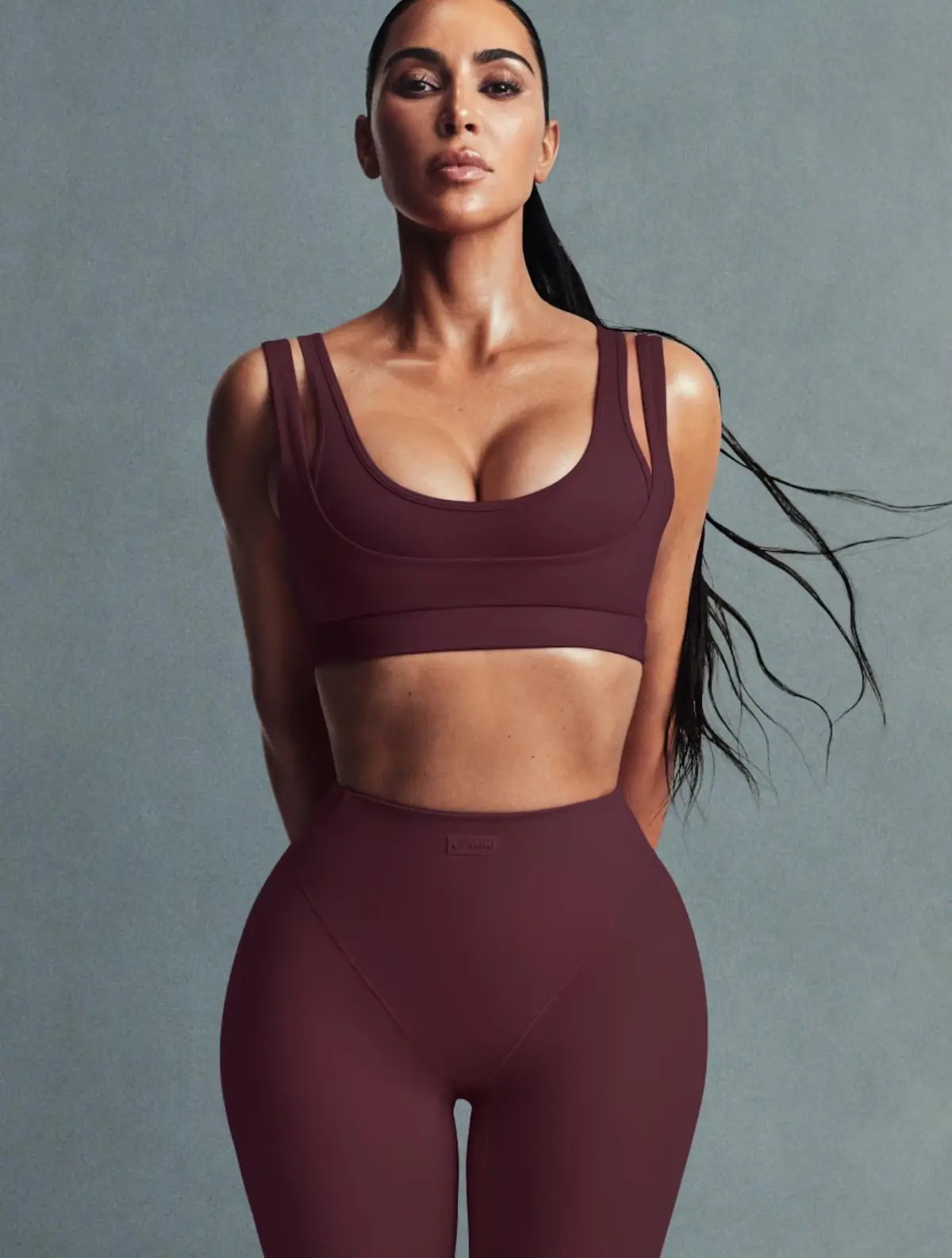
Magee's appointment is particularly interesting because Supreme has had an enormous influence on fashion, despite many consumers probably being unable to name the person behind its creative direction. For years, the brand's identity was bigger than any individual designer. Its cultural influence came from a combination of product, community, scarcity, collaborations, and a very specific understanding of what makes something feel desirable.
Now that Magee has stepped away from Supreme and into one of fashion's biggest celebrity-founded brands, we're curious to see what happens when that creative language meets SKIMS.
The appointment could push SKIMS further into streetwear, fashion collaborations, and more collectible product. It also demonstrates how blurred the boundaries between luxury, celebrity, shapewear, streetwear, and mainstream retail have become.
SKIMS doesn't need to prove that it can sell. The more interesting question is how Magee might change what people want it to sell next.
WYouth Is Bringing Gen Z Back to Print
At the same time, another major shift is happening in media.
W Magazine's new Gen Z-focused title, WYouth, is preparing for its inaugural September print issue, with Sofia Coppola, her daughter Cosima Mars, former Heaven by Marc Jacobs creative lead Ava Nirui, and Sara Moonves involved in the project.
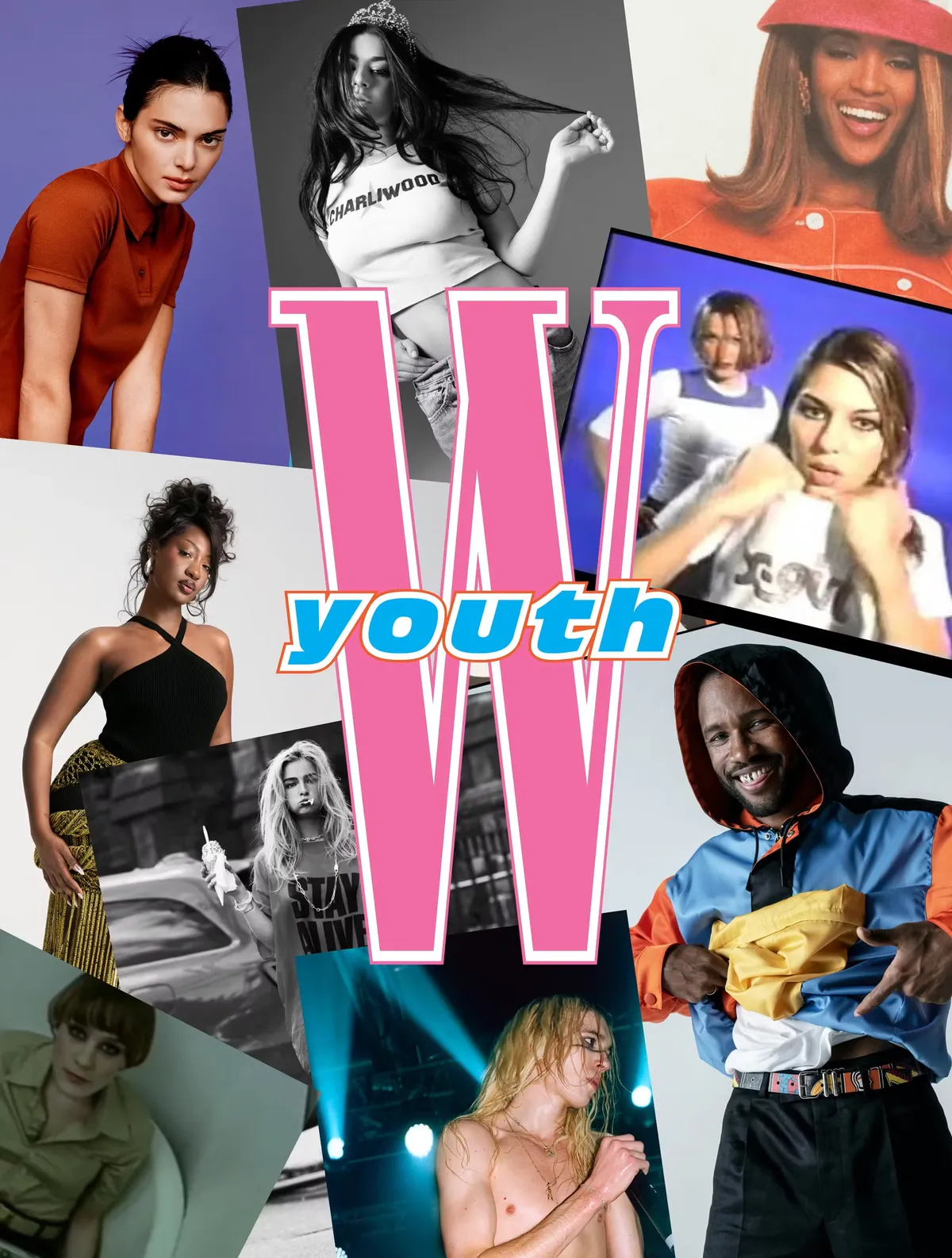
On paper, launching another print magazine in 2026 might seem almost deliberately nostalgic. But that is precisely what makes it interesting.
Gen Z is often described as the most digitally native generation, yet younger consumers have developed a surprisingly strong appetite for physical objects. Film cameras, vinyl records, printed magazines, vintage clothing, books, and collectible objects all offer something that an infinite digital feed can't: permanence.
You can close an app. You can't swipe away a physical magazine sitting on your coffee table.
That same desire for tactility is deeply connected to archival fashion. An image of an old Prada bag can circulate endlessly online, but owning the actual bag is a completely different experience. You can feel the leather, inspect the hardware, see how the object has aged, and understand that it existed long before the algorithm decided it was relevant.
In that sense, WYouth isn't simply nostalgic. It's part of a broader cultural desire to own a piece of the reference instead of just looking at it.
Yeezy Returns to Mainstream Retail
Yeezy is also back on the retail floor.
The footwear brand has returned to mainstream physical and digital channels through JD Sports, marking its first major wholesale expansion since its split from Adidas. The move brings Yeezy back into a much more traditional retail environment after a period in which its products became increasingly tied to the secondary market.
It's an interesting case study in what happens to a product after its original cultural moment—and controversy—has passed.
The secondary market has always been an important part of fashion's ecosystem because it allows products to continue circulating long after brands stop producing them. But when a product returns to mainstream retail, its cultural status can shift again.
Yeezy's return puts a spotlight on the complicated relationship between scarcity, controversy, resale value, and commercial relevance. It also reinforces something the archive has always understood: an item's story doesn't end when it leaves the original retail floor. Sometimes, that's when the more interesting part begins.
The AI Gender Gap Is Getting Harder to Ignore
Down on the technology side of our board, a recent LinkedIn report highlighted a significant disparity in the rapidly expanding AI workforce. Women accounted for only 26% of new AI hires, while women hold just 13% of executive roles in the field. With average U.S. AI salaries reaching around $177,000, the imbalance represents more than a diversity problem—it is also a significant economic disparity.
The numbers become even more important as AI moves from being an emerging technology into an increasingly fundamental part of everyday life.
AI is already influencing fashion through image generation, product recommendations, trend forecasting, search, marketing, customer service, and e-commerce. The people building these systems inevitably influence how those systems understand consumers and culture.
That makes representation at the development level important. If the technology shaping how we discover, buy, and understand products is being built by an increasingly narrow demographic, questions around bias aren't theoretical. They affect the tools consumers and businesses interact with every day.
For an industry that has always been concerned with representation and cultural perspective, the AI workforce is another area worth watching closely.
Google Just Bought an Archive of Corporate Memory
Perhaps the strangest technology story this week came from Google's $10 million purchase of Spirit Airlines' internal data at a bankruptcy auction.

The deal reportedly includes around 100 million corporate emails, approximately 500 million Microsoft Teams messages, internal documents, and years of company code and operational information. Personal customer data was kept off the table, while the larger dataset will be de-identified.
Why does Google want it?
Because real-world corporate behavior is becoming valuable training material for AI.
Public internet data has been extensively scraped and increasingly exhausted, creating a growing demand for proprietary, real-world datasets. Spirit's internal records offer something generic web content can't: a detailed picture of how an actual company communicates, makes decisions, solves problems, manages operations, and functions at scale.
In other words, Google isn't simply buying information. It's buying a record of how an organization works.
There is an interesting parallel to fashion archives here. We often think of an archive as a collection of garments, runway images, magazines, or photographs. But an archive is ultimately a record of behavior and culture. It preserves evidence of what existed and how people interacted with it.
The fact that Google is willing to spend $10 million on corporate history suggests that archives—physical or digital—may become increasingly valuable as technology advances.
Gold Is Reminding Us Why Objects Hold Value
Finally, gold is having a major week.
As the U.S. dollar weakens and investors respond to continued economic uncertainty, gold has been attracting renewed attention as a hard asset. The precious metal's appeal comes from its physicality and scarcity—qualities that become particularly attractive when confidence in traditional financial markets fluctuates.
For the luxury industry, the connection is immediate.
Luxury has always existed somewhere between consumption and collecting. A gold bracelet can be a piece of jewelry, a design object, a piece of fashion history, and a material asset simultaneously. The same can be true of certain handbags, watches, and accessories whose scarcity and cultural significance have allowed them to retain value long after their original release.
This is why archival gold jewelry is particularly interesting right now. Vintage gold pieces aren't simply styling accessories. Their value can come from the material itself, as well as craftsmanship, provenance, rarity, designer, and historical significance.
The same principle applies to iconic hardware and collectible handbags. Vintage Chanel, Hermès Birkin, and other highly sought-after pieces occupy an unusual space between fashion and tangible asset.
Luxury isn't necessarily just about buying something beautiful.
Sometimes, it's about owning something that lasts.
So, What Are We Into?
When you look at this week's nine stories together, the pattern becomes hard to miss.
Fashion is moving toward more. More color. More texture. More embellishment. More personality. More physicality. More history.
The strange shoe is suddenly desirable because it looks different. The embellished handbag works because it feels personal. Color provides an antidote to years of neutral minimalism. A new print magazine feels exciting because it is something you can physically own. Yeezy's retail return reminds us that cultural relevance can be cyclical. And the rising value of gold and collectible luxury objects reinforces the idea that physical things can carry value beyond their original purpose.
Even the technology stories point toward the same question: what happens to things after the moment they're created?
Data becomes an archive. A magazine becomes a collectible. A handbag becomes an investment. A vintage shoe becomes a reference. A piece of jewelry becomes a piece of history.
And that's exactly where Into Archive fits in.
Our playbook for this week is simple: feature the textured Y2K bags, lean into archival gold jewelry and iconic hardware, and front-load the freakiest vintage footwear we can find. The pieces with the most personality are the ones we want to put in front of people right now.
Because if the past few years taught fashion how to be quiet, 2026 looks like it's teaching it how to be interesting again.
→ Book a private showroom appointment
About Into Archive
Into Archive is a New York-based archival fashion showroom specializing in rare and collectible designer pieces from fashion’s most influential eras. Our collection features vintage and archival garments and accessories from designers including Dior, Prada, Chanel, Jean Paul Gaultier, Vivienne Westwood, and more.
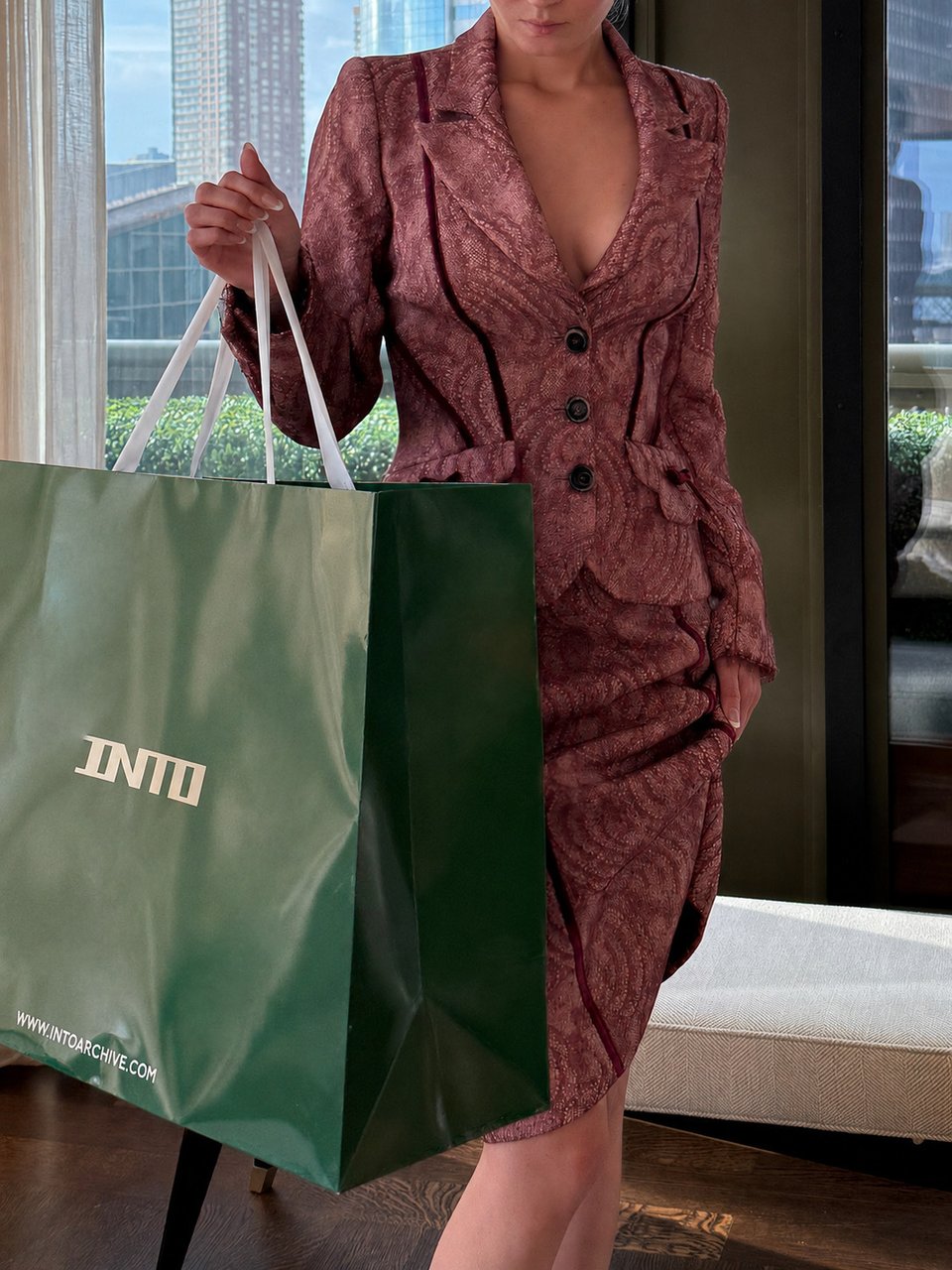
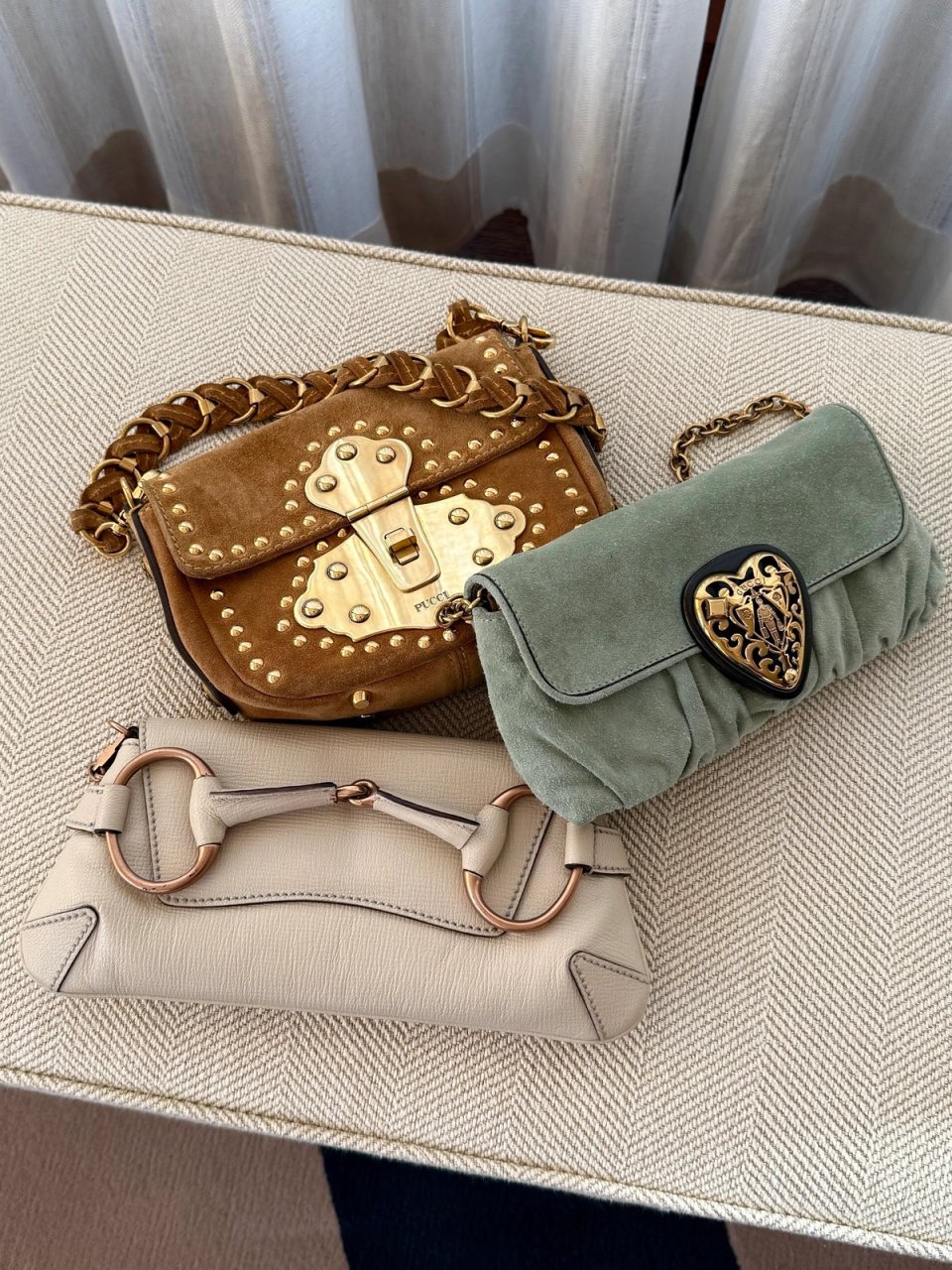

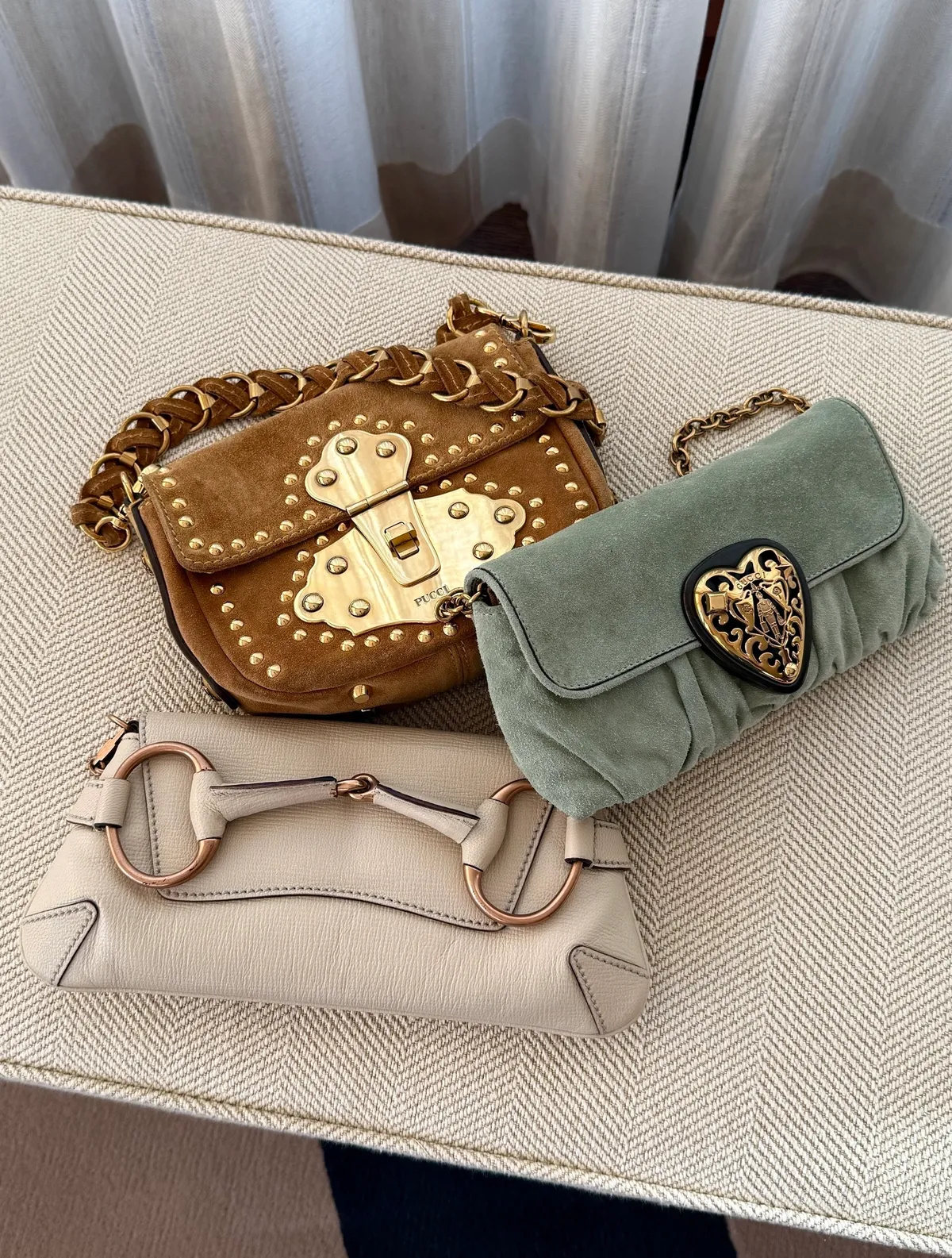
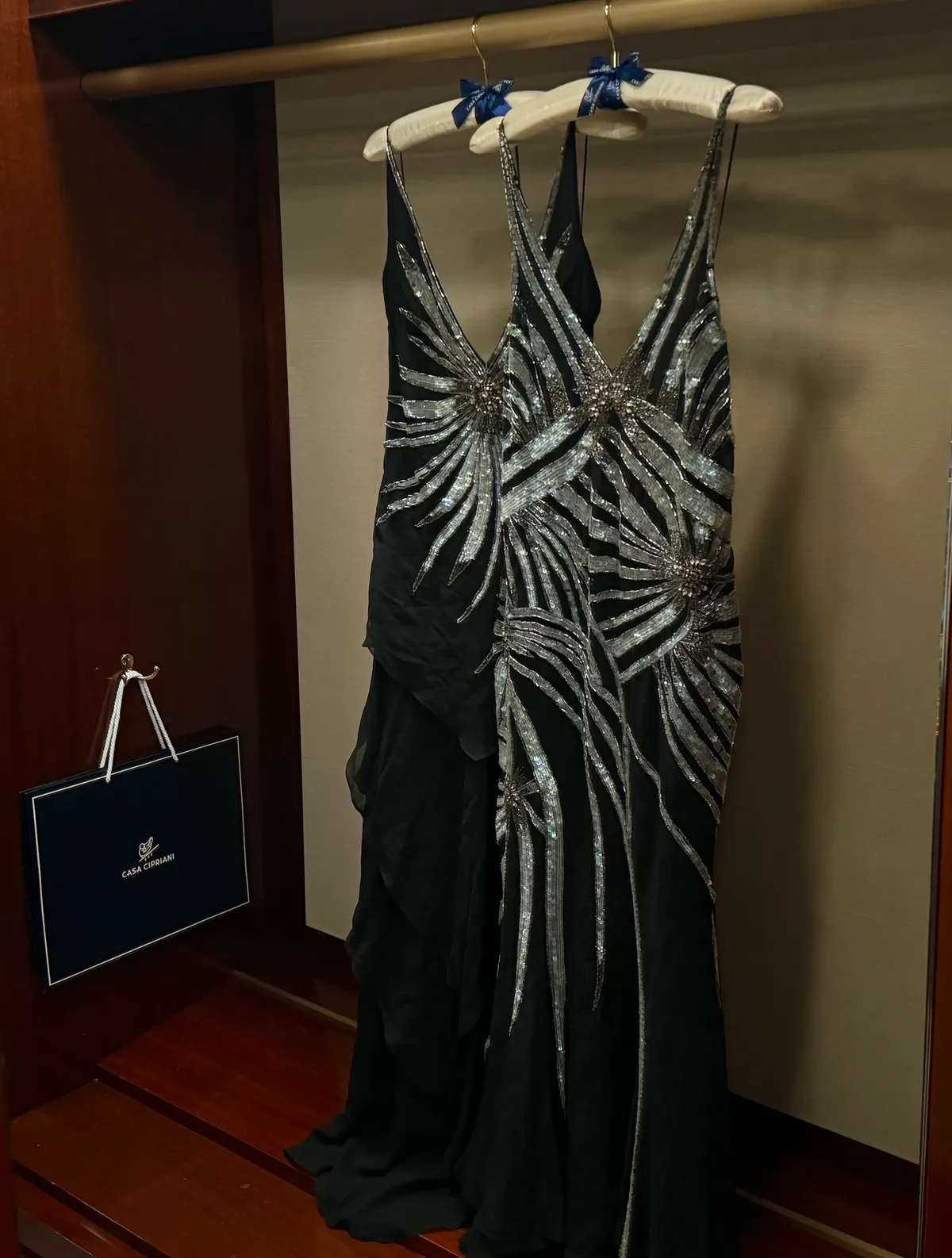
The Vintage Suite: Into Archive at Casa Cipriani
This September, Into Archive brings its collection of rare and collectible vintage fashion to Casa Cipriani New York for an intimate two-day presentation during New York Fashion Week.
From September 16–17, 2026, a private suite at Casa Cipriani will become a temporary home for the archive—a considered selection of exceptional pieces from some of fashion’s most influential houses and eras.
Rather than a traditional retail setting, The Vintage Suite offers a more personal way to experience archival fashion. Guests are invited to browse the collection at their own pace, discover pieces with history, and experience the archive within the refined surroundings of Casa Cipriani.
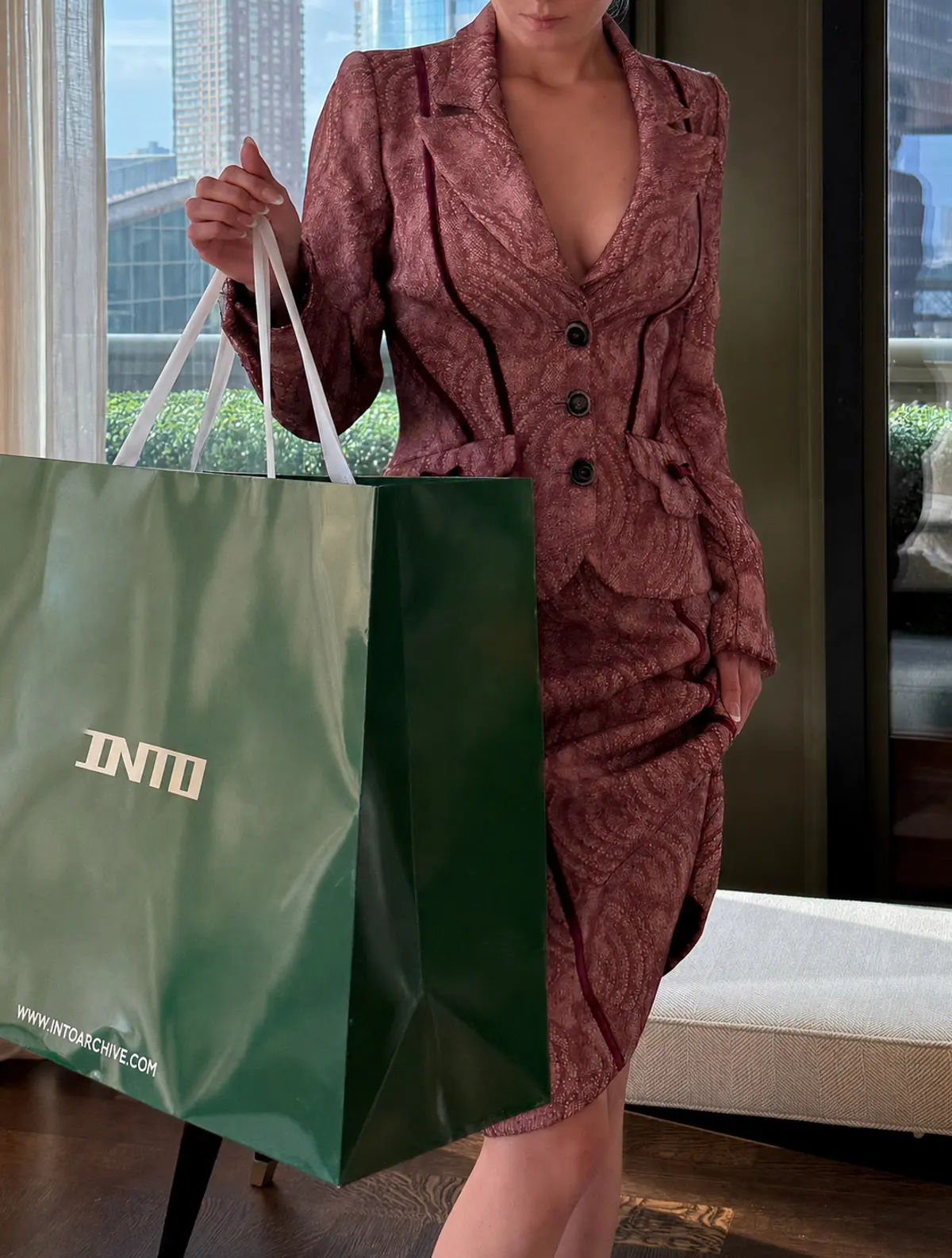
An Archive in Residence
The collection will feature a selection of rare vintage and archival garments and accessories from designers including Dior, Prada, Chanel, Jean Paul Gaultier, Vivienne Westwood, and more.
Each piece offers a glimpse into a particular moment in fashion history—from the designers who shaped the codes of their era to the silhouettes and details that continue to influence fashion today.
For NYFW, the suite becomes an intimate setting for discovering these pieces away from the pace of the traditional showroom. Guests can view the collection, arrange private fittings, and find something distinctive for the week—or simply spend time with the archive.
The atmosphere is intentionally understated: a private suite, a curated wardrobe, and two days dedicated to fashion worth remembering.
A Meeting of Archives
Into Archive will also welcome Hedy Japan, one of our longstanding Japanese vintage partners, for the occasion.
Known for its thoughtful approach to vintage fashion, Hedy brings a distinctly Japanese perspective to the suite, complementing the Into Archive collection and highlighting the international community of collectors and vintage specialists preserving fashion history today.
During New York Fashion Week
There is something particularly fitting about bringing an archive to Casa Cipriani during fashion week.
NYFW is inherently about what comes next, while archival fashion offers a way to look back—to revisit the designers, collections, and ideas that continue to shape what we wear now. For two days, the Vintage Suite brings those two perspectives together.
Set within the privacy of a Casa Cipriani suite, the experience is designed to feel less like a shopping destination and more like an intimate fashion appointment: considered, personal, and centered around the pieces themselves.
The Vintage Suite: Into Archive at Casa Cipriani
September 16–17, 2026
Casa Cipriani New York
By RSVP only.
RSVP HERE
For those unable to attend, Into Archive’s New York City showroom in Flatiron remains open throughout the year by private appointment, offering access to a larger collection of rare and collectible archival fashion.
→ Book a private showroom appointment
About Into Archive
Into Archive is a New York-based archival fashion showroom specializing in rare and collectible designer pieces from fashion’s most influential eras. Our collection features vintage and archival garments and accessories from designers including Dior, Prada, Chanel, Jean Paul Gaultier, Vivienne Westwood, and more.
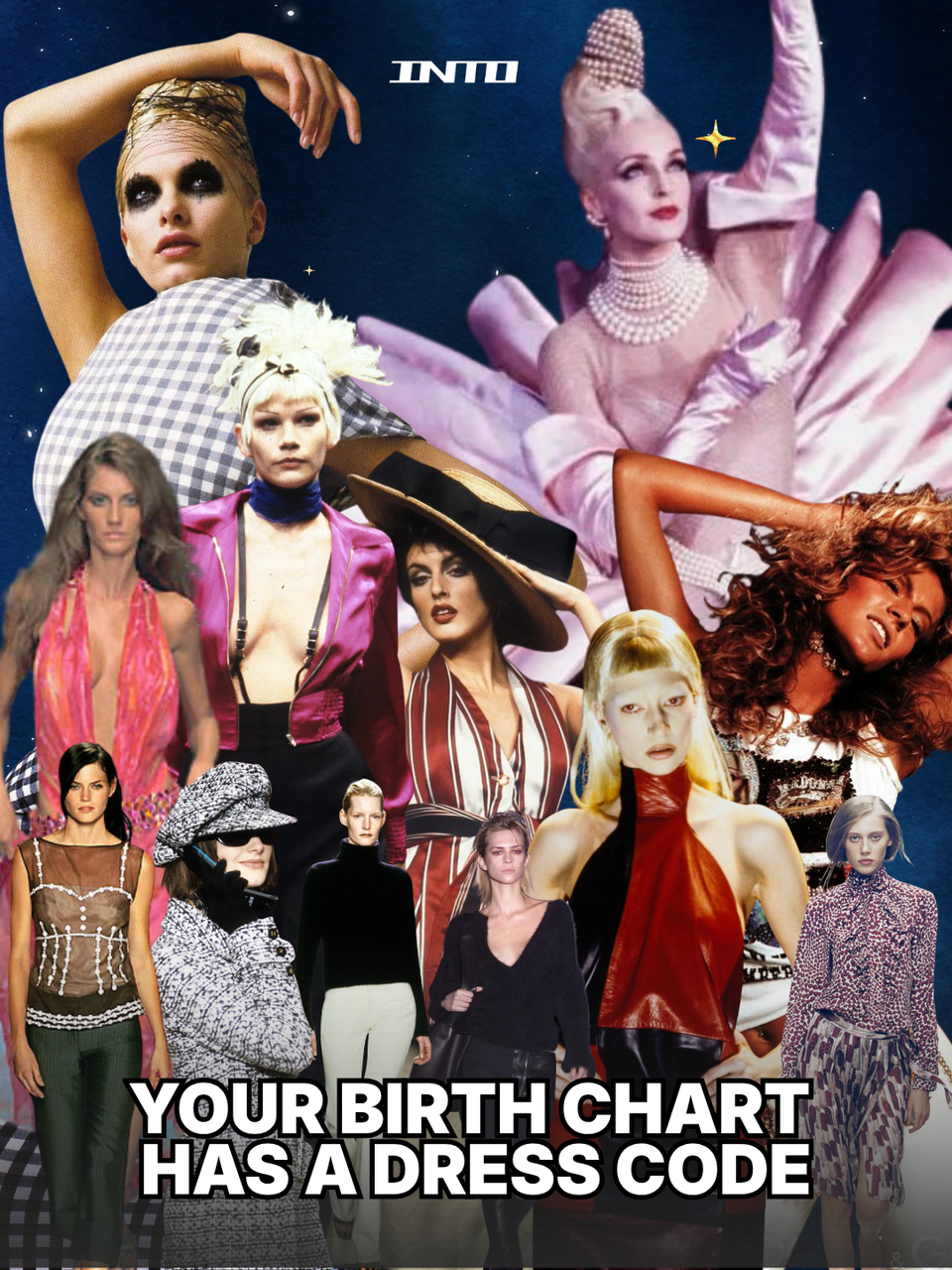
Your Birth Chart Has a Dress Code
Your Birth Chart Has a Dress Code
What if your zodiac sign wasn’t a personality trait—but a very specific 1990s or 2000s runway collection? We matched all 12 signs to the archival fashion moments that feel suspiciously, almost offensively, like you.
There are two kinds of people who read their horoscope: those who want to know what is happening in their love life, and those who want to know whether they are spiritually destined to wear Prada.
We’re more interested in the latter.
Forget vague predictions about “embracing your confidence” or “making time for yourself.” Your birth chart has a dress code, and it is much more specific than that. We went deep into the fashion archive to find the exact 1990s and early 2000s collections that correspond to each zodiac sign—not just by aesthetic, but by temperament, contradictions, bad habits, and the oddly specific things you would absolutely do.
Because obviously an Aries is not simply “bold.” An Aries is Alexander McQueen Fall/Winter 1998, walking into a room like they have a personal vendetta against everyone in it.
And a Libra? Of course they’re Prada Spring/Summer 2000. They would never describe themselves as difficult. They just happen to make objectively strange clothes look incredibly chic.
So, find your sign. Then tell us whether we got you frighteningly right.
Aries — Alexander McQueen FW 1998, “Joan”
You don't enter a room. You make an entrance.
Alexander McQueen’s Fall/Winter 1998 collection, Joan, was inspired by Joan of Arc, martyrdom, persecution, religion, violence, and warfare. The runway was staged in an industrial warehouse with a black-ash runway, red lighting, and a finale surrounded by flames.
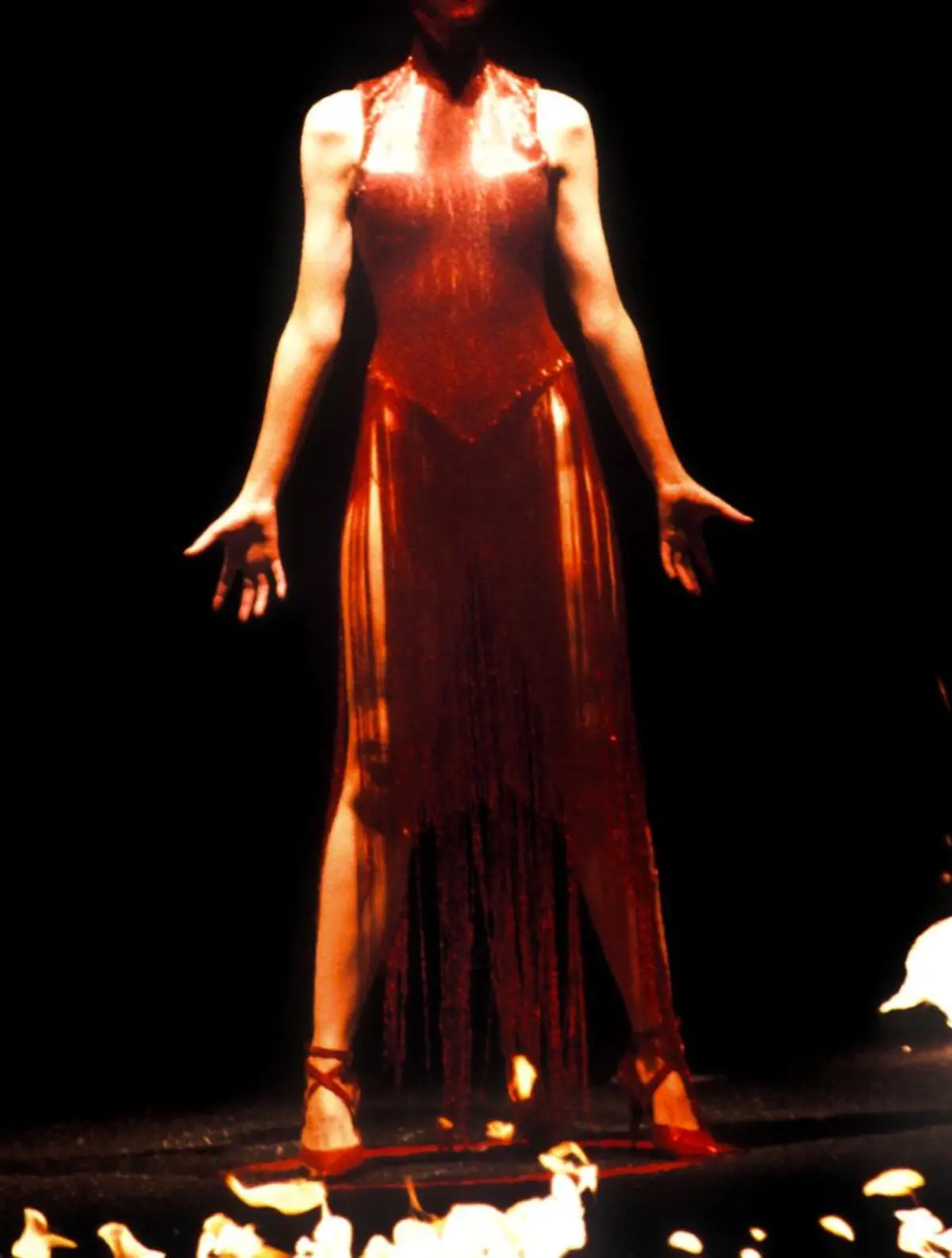
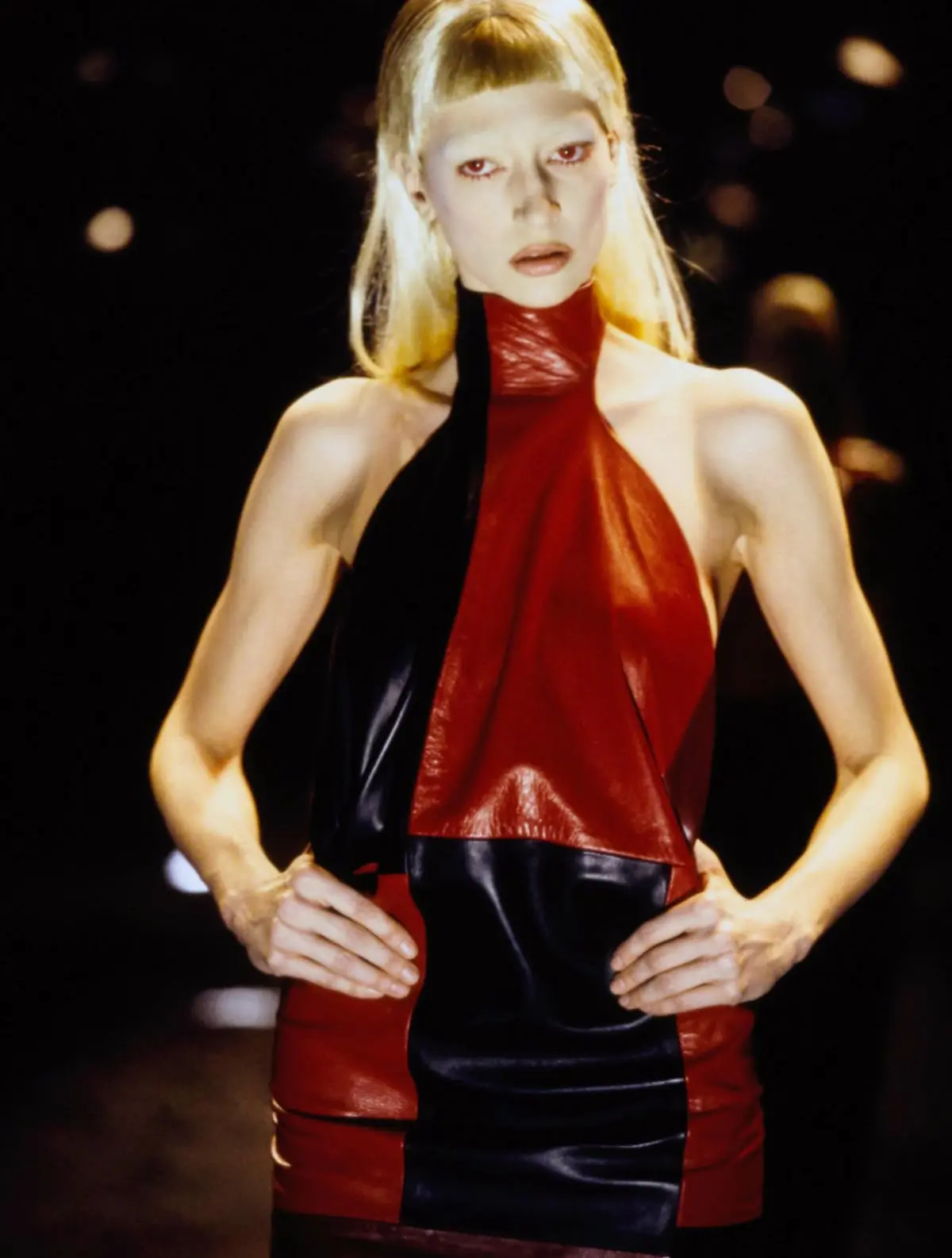
Naturally, this is Aries.
You have never understood the concept of “maybe tone it down.” You would rather be slightly intimidating than forgettable. You probably have at least one jacket that makes you feel like you could successfully overthrow a government.
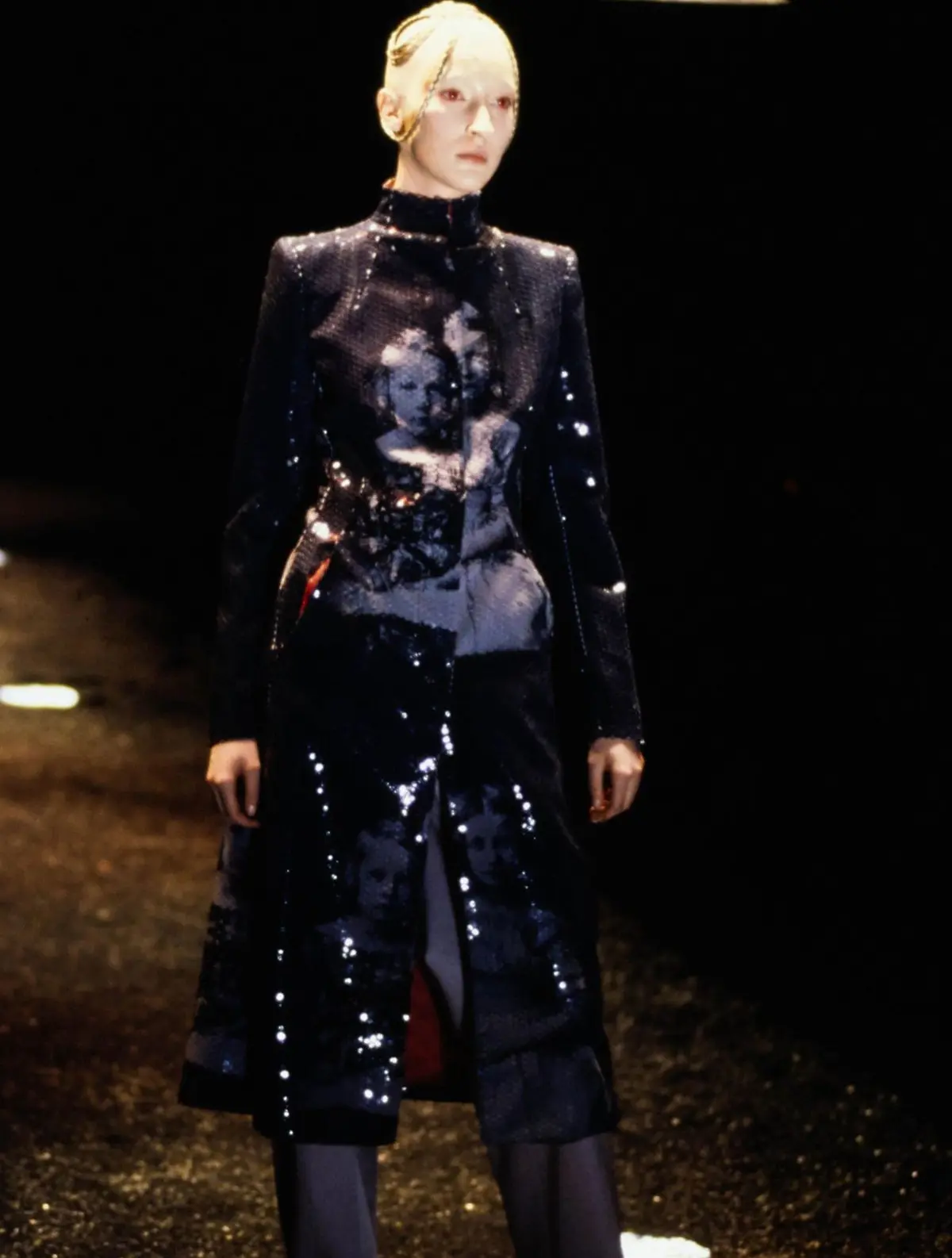
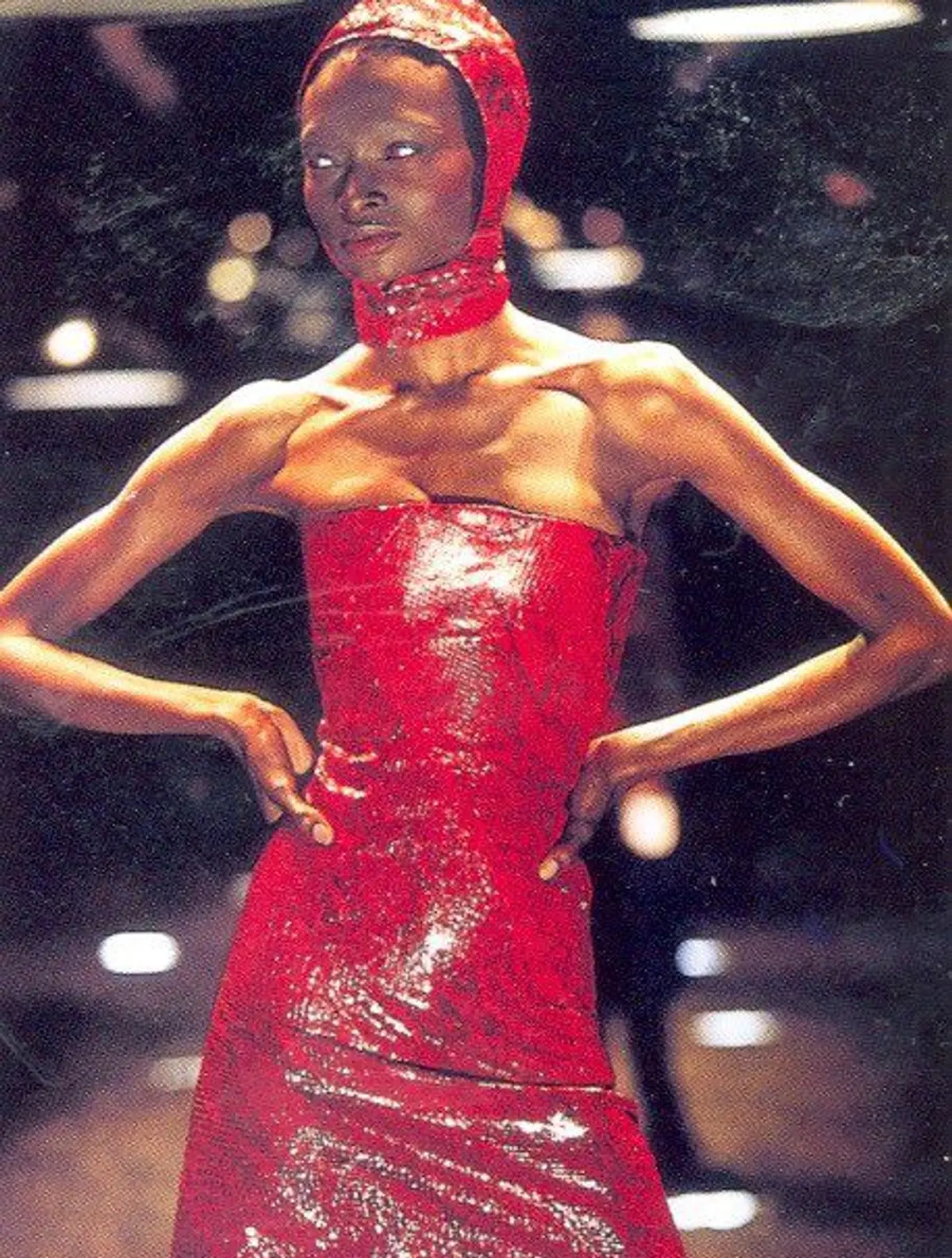
You are competitive even when nobody else realizes there is a competition. You turn getting dressed into armor. And if someone tells you that your outfit is “a little intense,” you will consider that a compliment.
Your Aries uniform: red, black, something sharp, and absolutely no apologies.
Taurus — Dolce & Gabbana SS 2001
You believe getting dressed should feel good. Ideally, very good.
Taurus doesn't understand why anyone would choose uncomfortable minimalism when lace, leather, gold, and something slightly body-conscious are available.
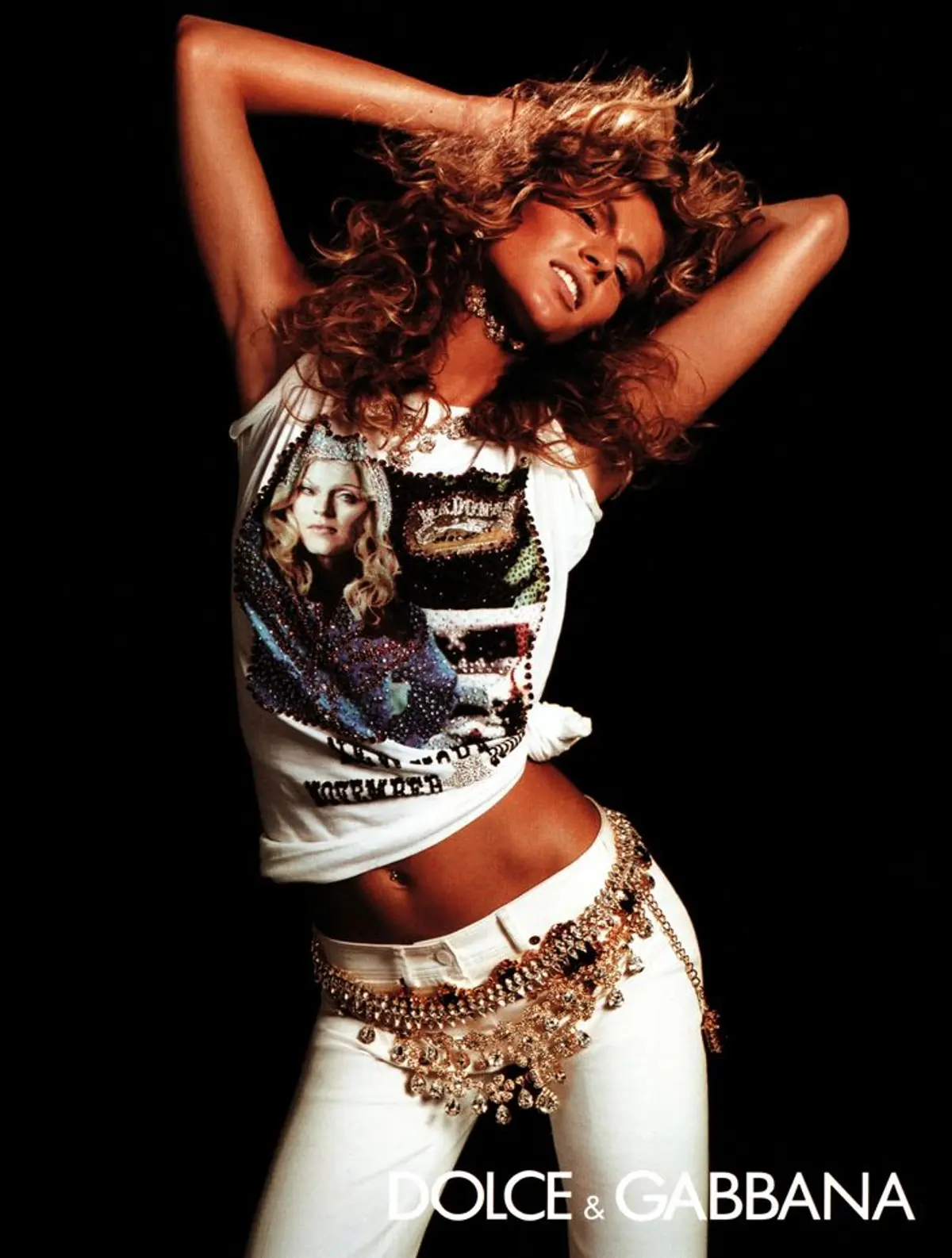
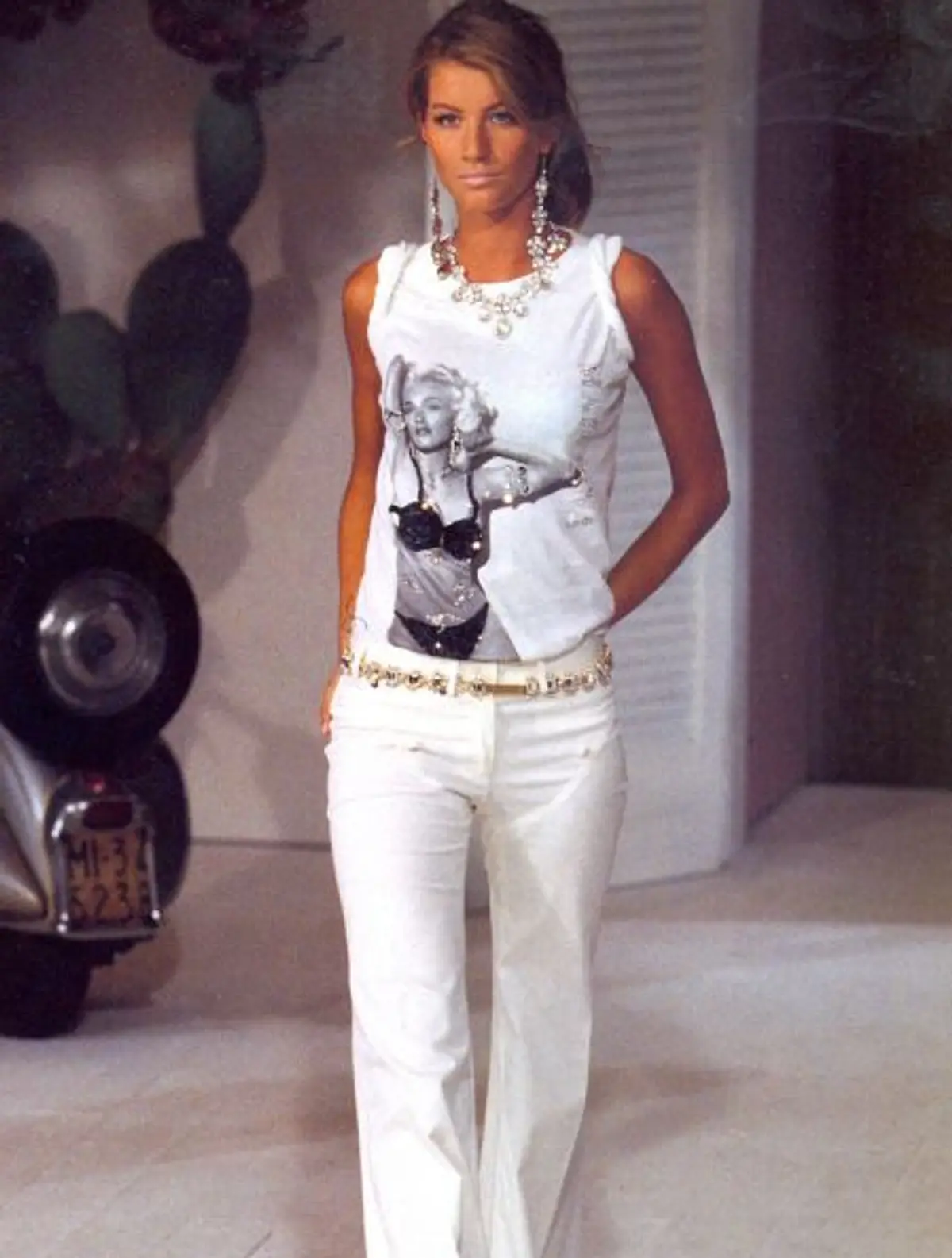
Dolce & Gabbana Spring/Summer 2001 is your natural habitat: sensual, unapologetically glamorous, and designed for someone who understands that clothing is a physical experience.
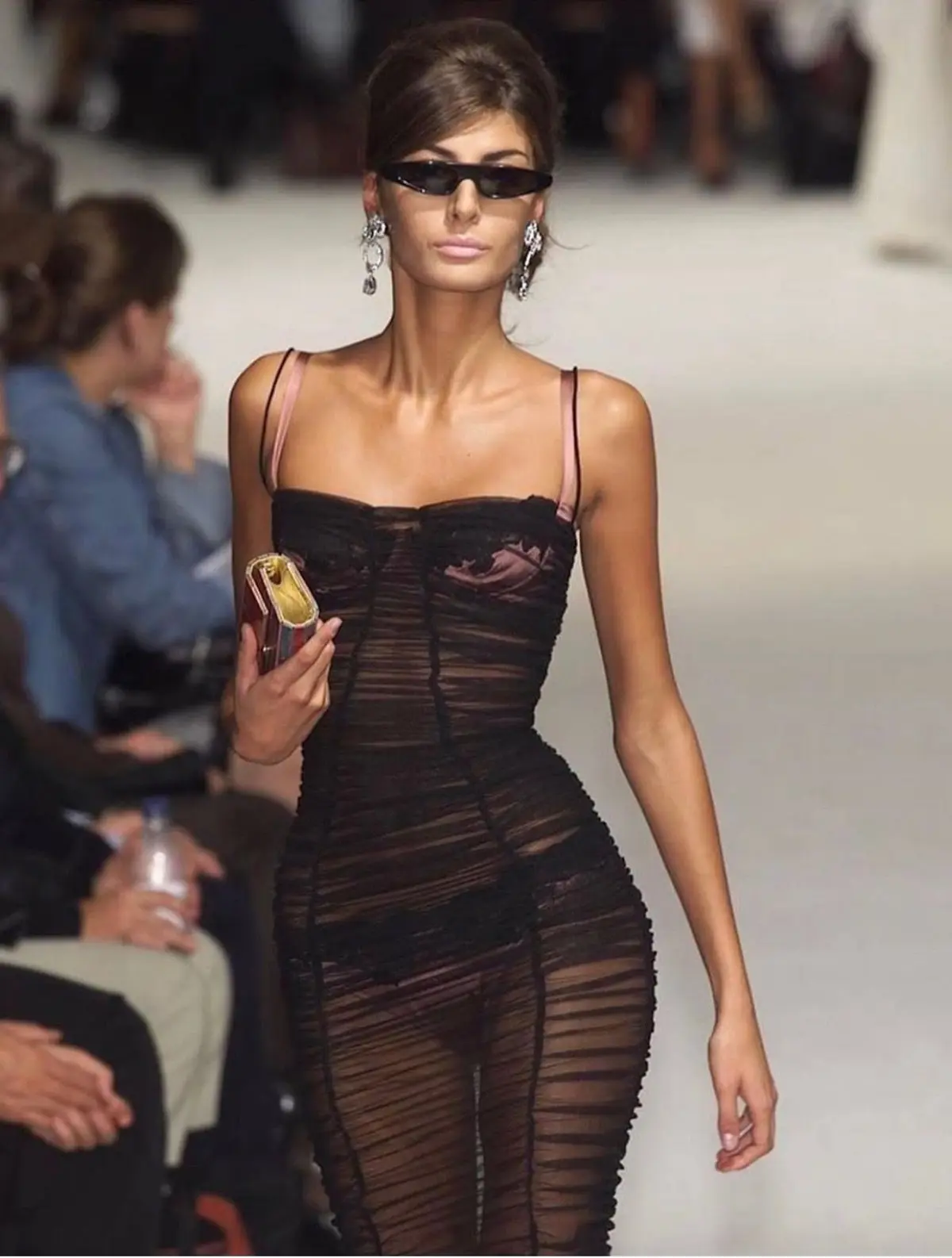
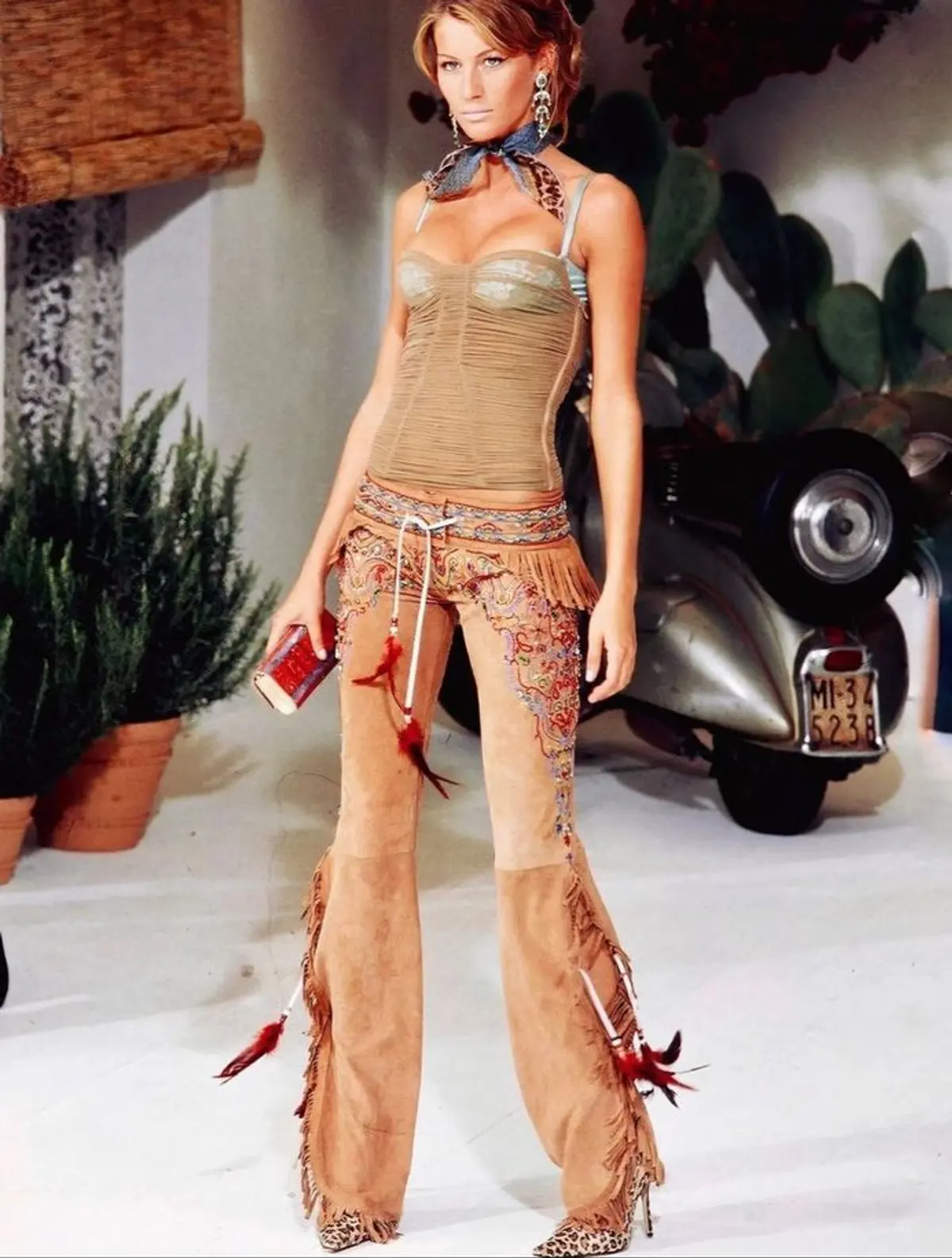
You are the friend who will spend 40 minutes choosing between two nearly identical restaurants because one has better lighting. You remember the texture of a hotel robe. You can identify good leather by touch. You believe a good meal, a great outfit, and an unnecessarily expensive perfume can solve most problems.
And honestly? You may be right.
Your Taurus uniform: lace, gold jewelry, low-rise anything, and something you can touch.
Gemini — Comme des Garçons SS 1997, “Body Meets Dress, Dress Meets Body”
You contain multitudes. Unfortunately, all of them want to get dressed differently.
Rei Kawakubo's Spring/Summer 1997 Body Meets Dress, Dress Meets Body collection famously challenged conventional ideas of the fashionable body with padded, distorted silhouettes. The collection became known as the “lumps and bumps” show.
It is almost too perfect for Gemini.
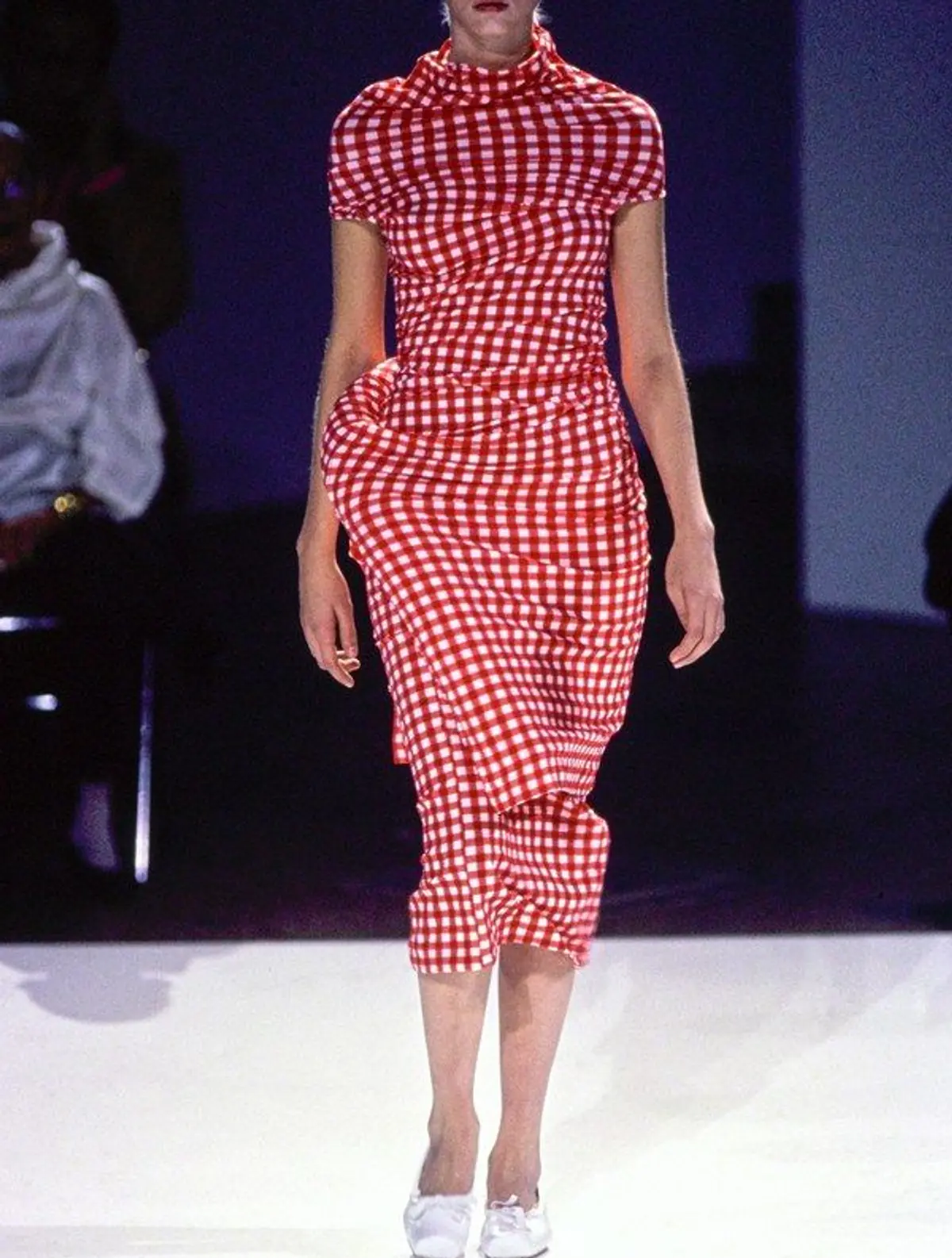
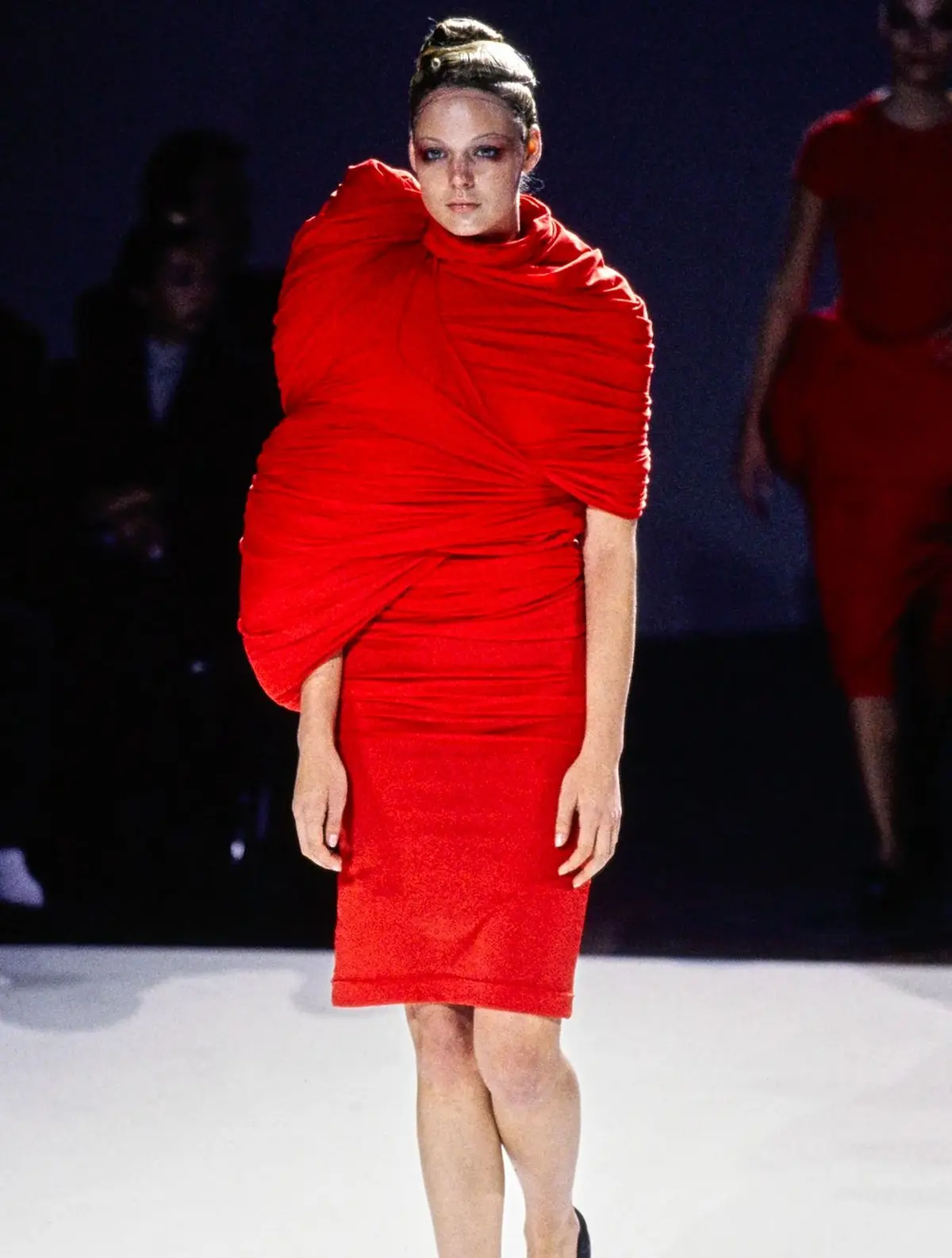
You can be charming and completely impossible within the same conversation. You want to go out, but you also want to stay home. You want the attention, but only from the right people. You have three personalities, five playlists, and at least two completely different aesthetics saved to your Pinterest.
Your wardrobe should technically make no sense. Somehow, it does.
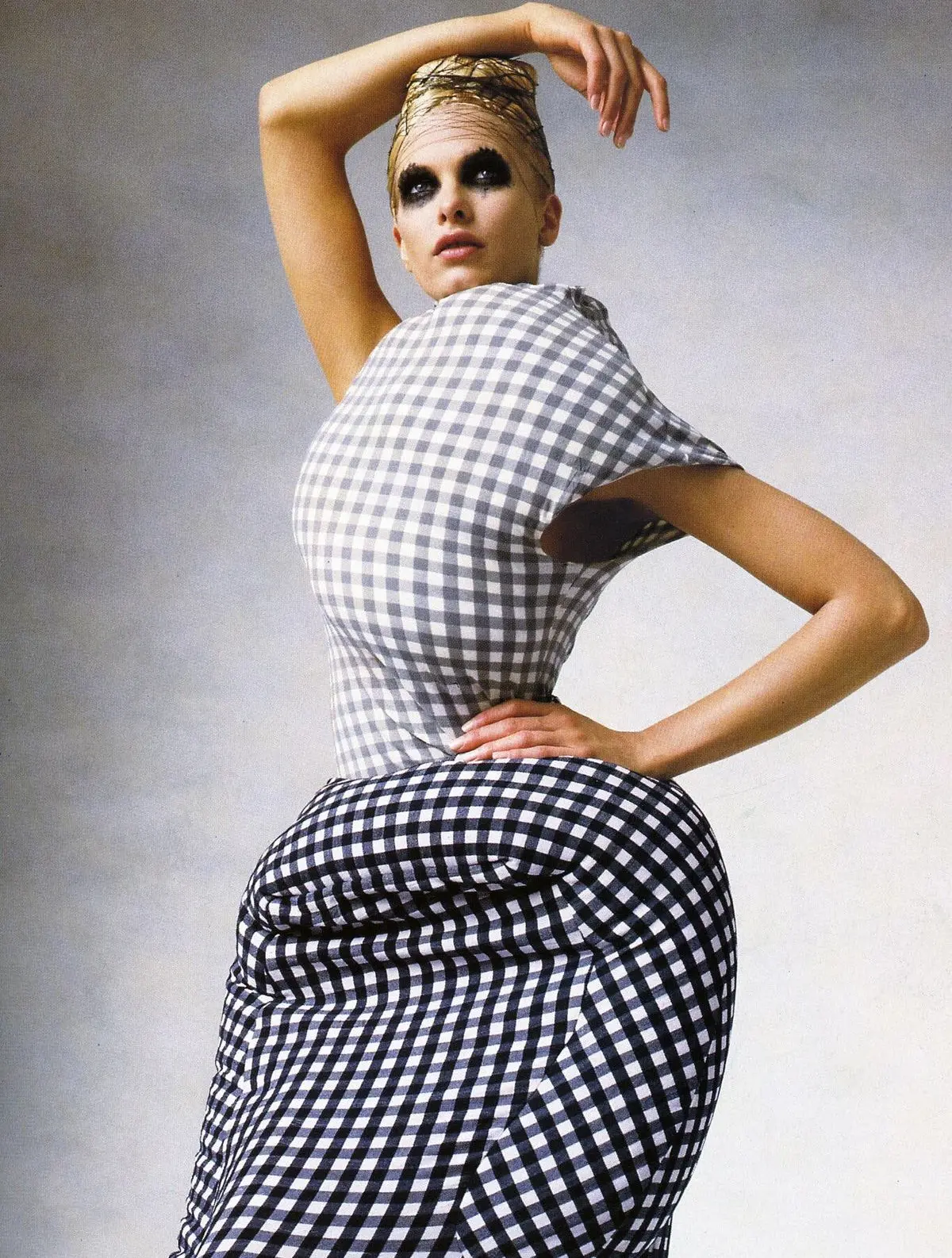
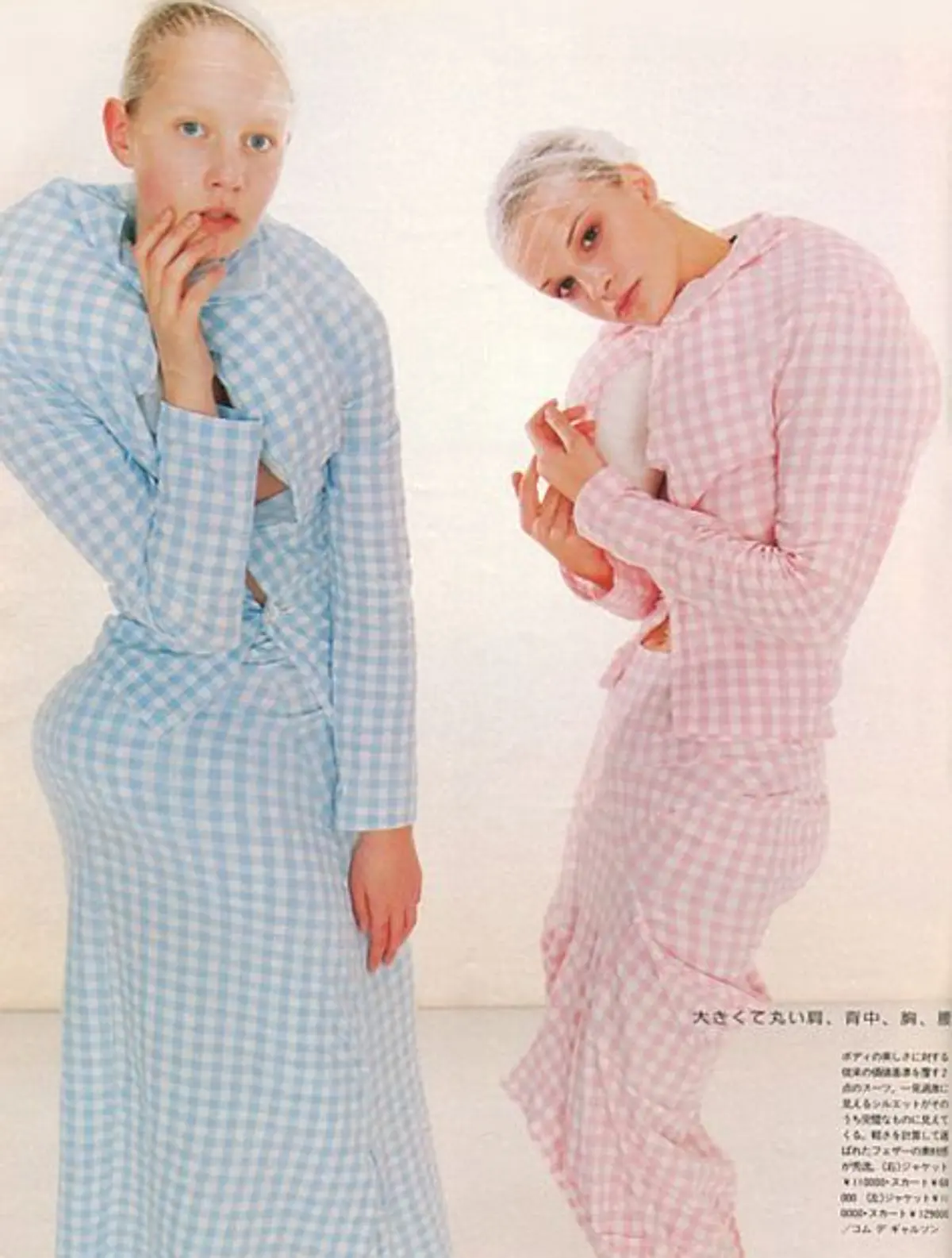
Kawakubo's collection blurred the boundary between the body and the garment itself, making the clothing feel almost like another body.
Your Gemini uniform: something that makes people ask, “Wait… what am I looking at?”
Cancer — Miu Miu SS 1999
You don't wear clothes. You wear memories.
Miu Miu Spring/Summer 1999 feels like the Cancer who insists they’re “not sentimental” while keeping a concert ticket from 2004 in their wallet.
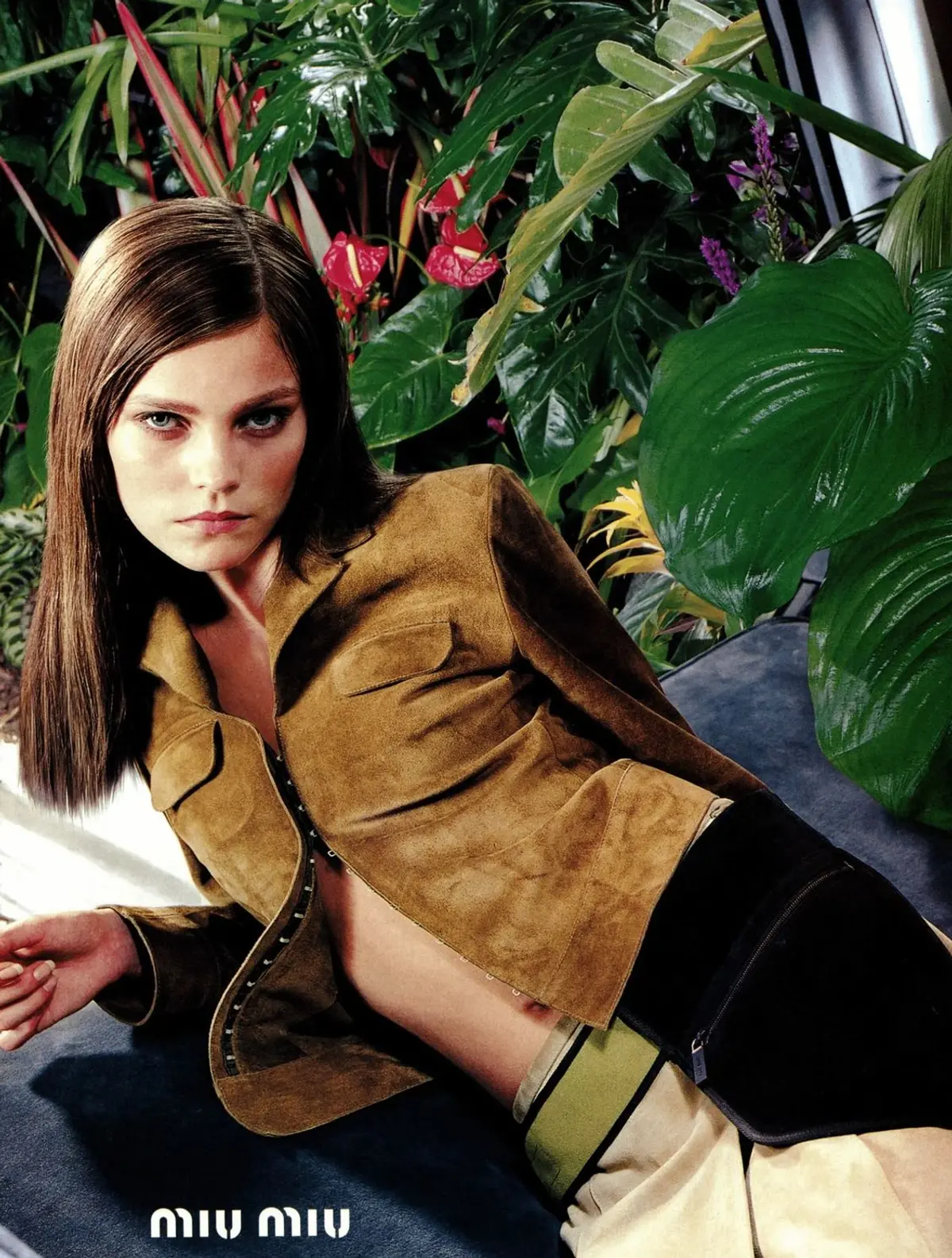
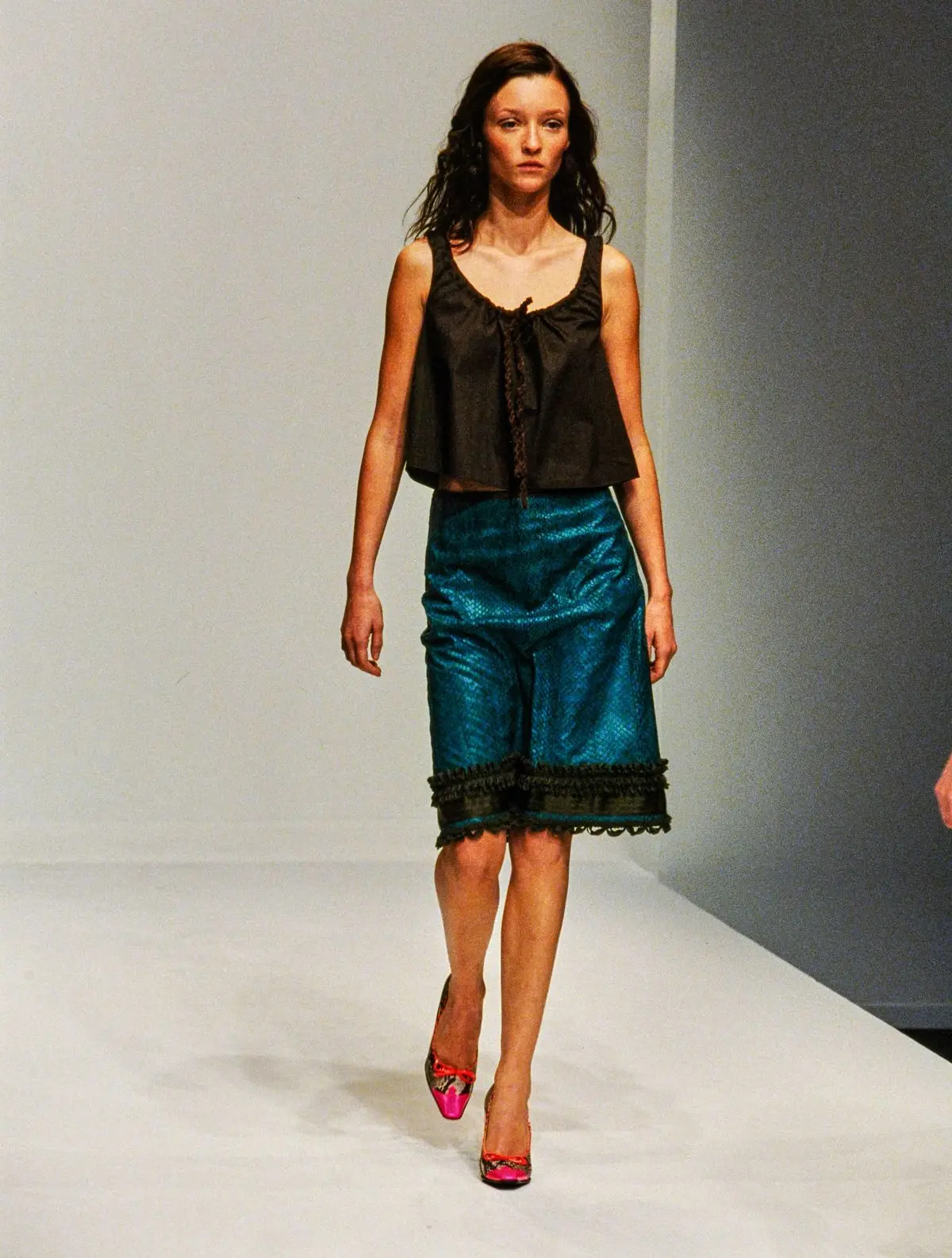
The collection has that particular Miu Miu tension between youthfulness, practicality, eccentricity, and nostalgia. Miuccia Prada played with outdoorsy references, fringe, cowboy boots, suede, and more utilitarian silhouettes, while the collection itself captured that strange in-between feeling of growing up and figuring out who you are. Vogue describes the Miu Miu of this period as occupying that ambiguous space between youth and adulthood.
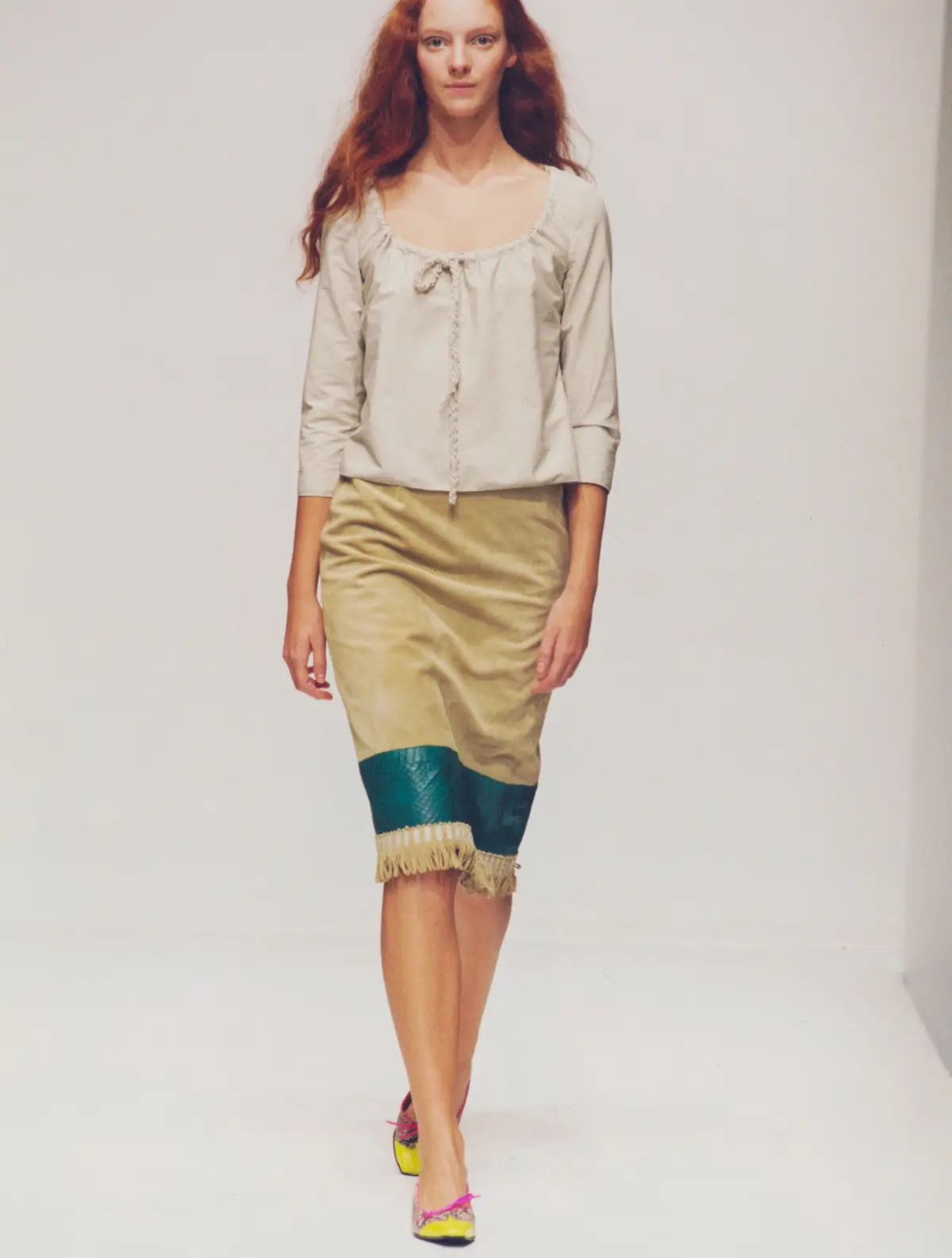
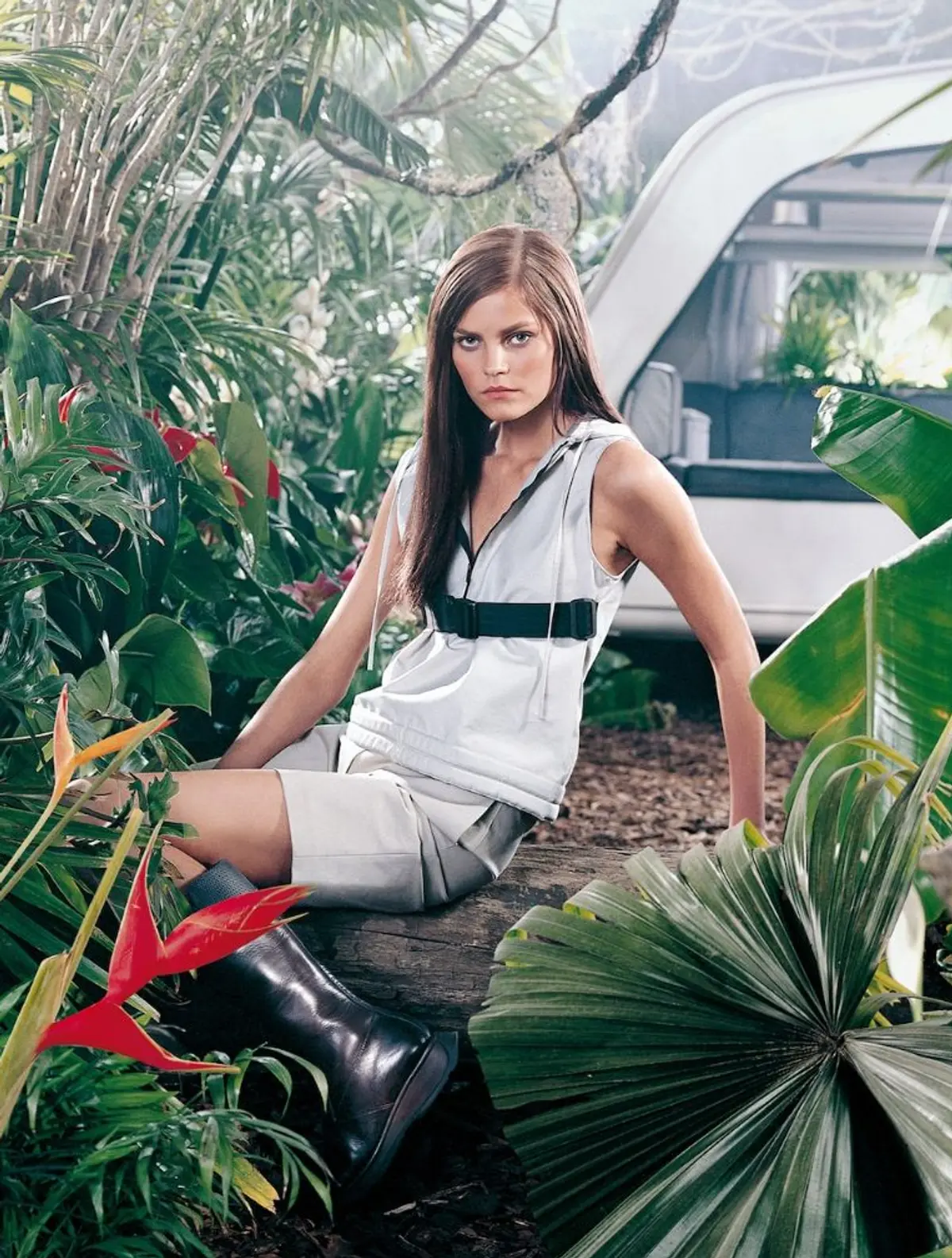
Which is basically Cancer in clothing form.
You are deeply attached to things other people would consider objectively replaceable. The sweater from your first apartment. The perfume you wore during a very specific summer. The bag your mom used to carry. The shirt that technically doesn't fit anymore but somehow feels wrong to throw away.
You romanticize places, people, seasons, entire years.
And yes, you probably have a Notes app entry called something like “things I miss”.
Your Cancer uniform: vintage suede, something slightly worn-in, a sentimental accessory, and one piece you could never explain why you needed to keep.
Leo — Versace SS 2000
You were never going to choose the quiet option.
Leo doesn't want understated. Leo wants the camera flash.
Versace Spring/Summer 2000 is pure spectacle: skin, glamour, body-conscious silhouettes, and the kind of confidence that makes subtlety seem personally offensive.
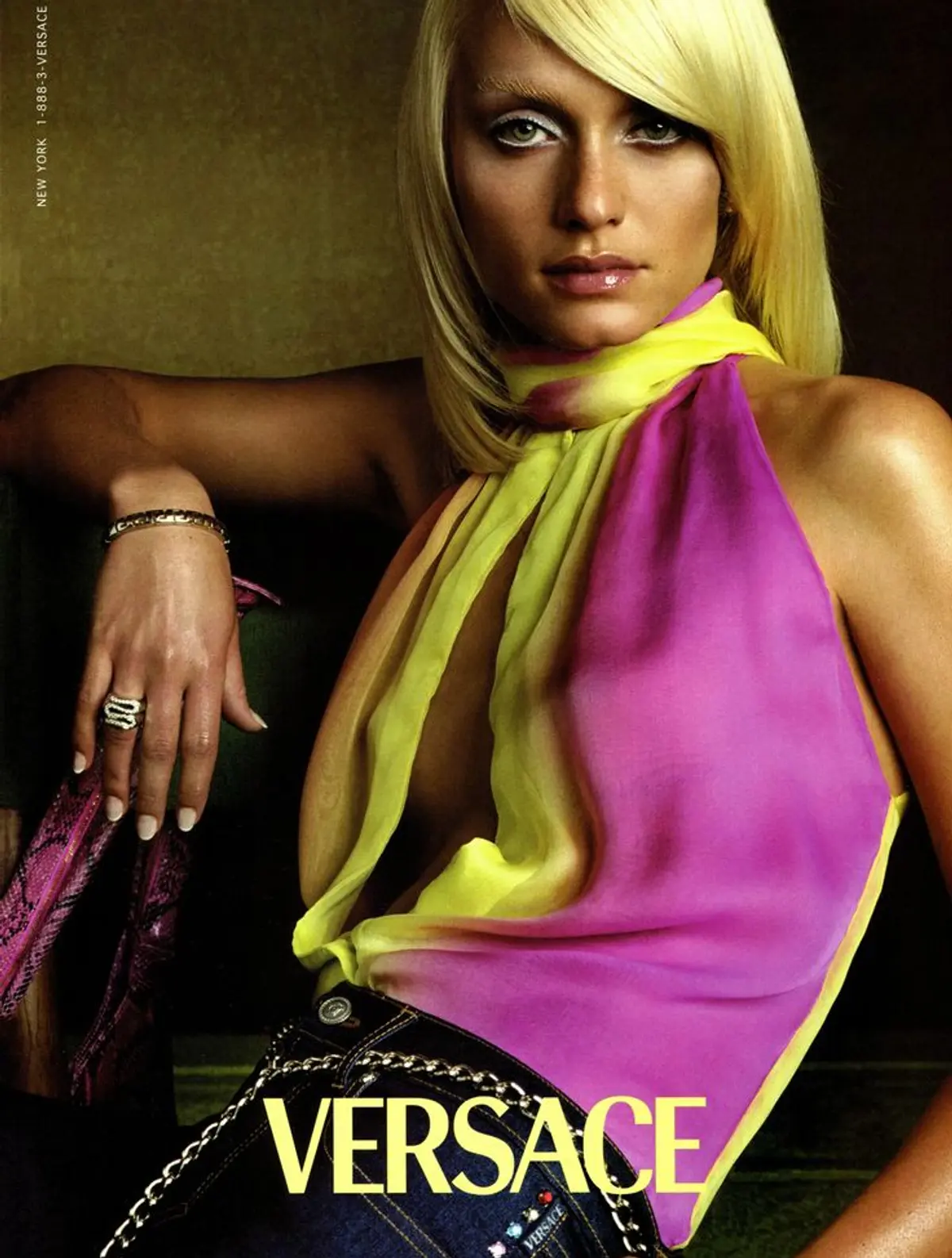
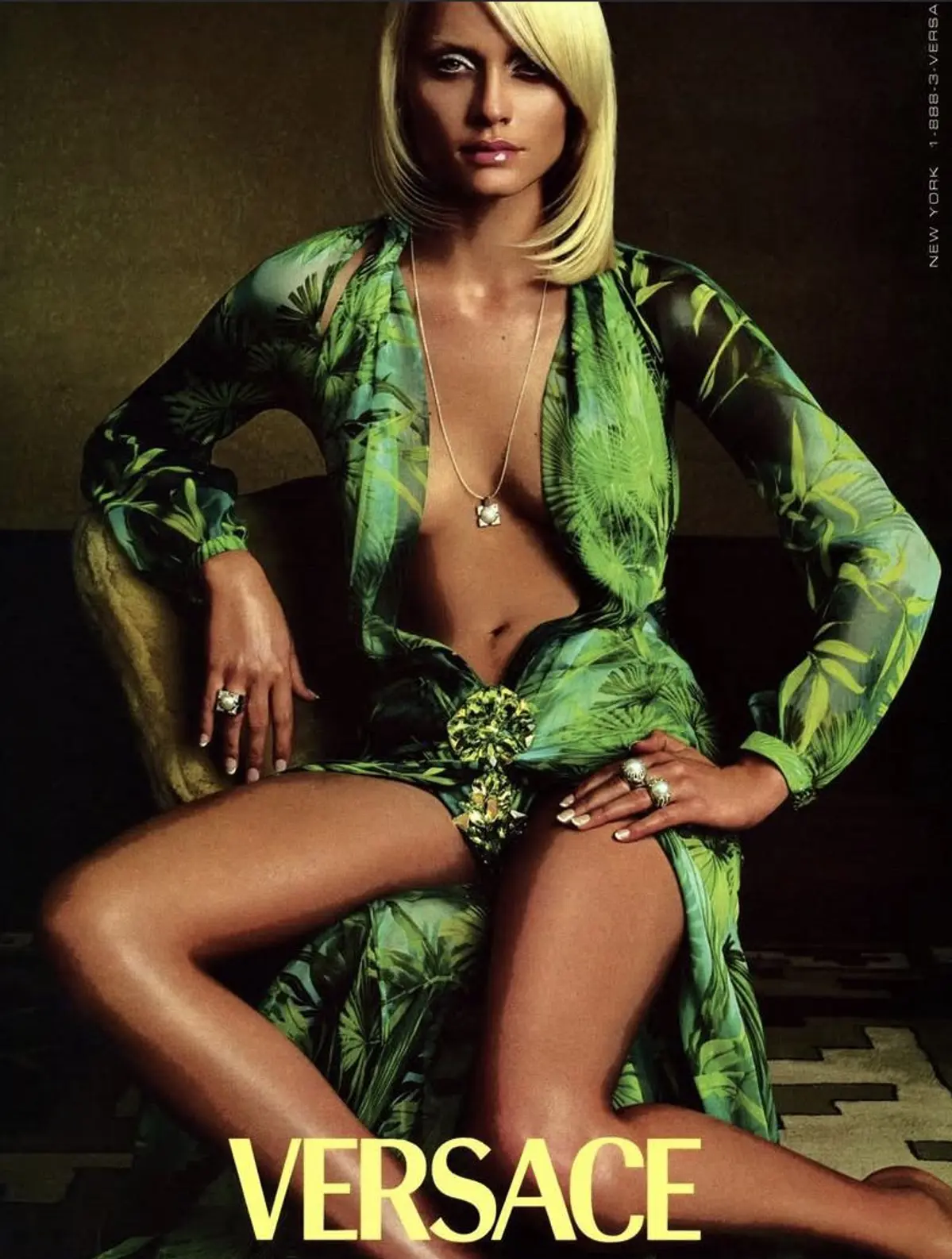
You don't necessarily need to be the center of attention. You simply assume the center of attention will find you.
You have probably overdressed for something and then pretended it was accidental. You understand that sunglasses can be worn indoors. You believe an outfit can be “too much” only if you are not confident enough to wear it.
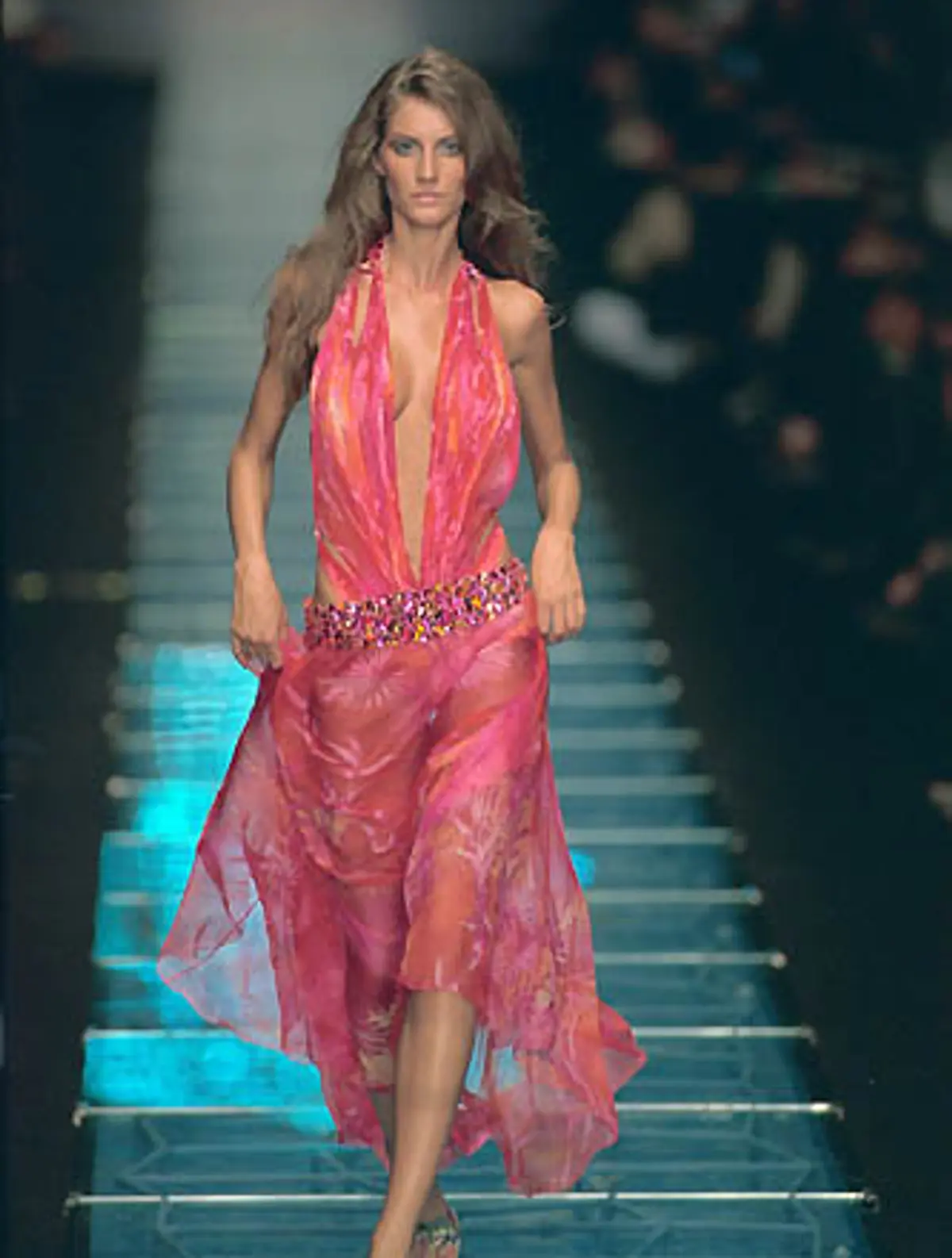
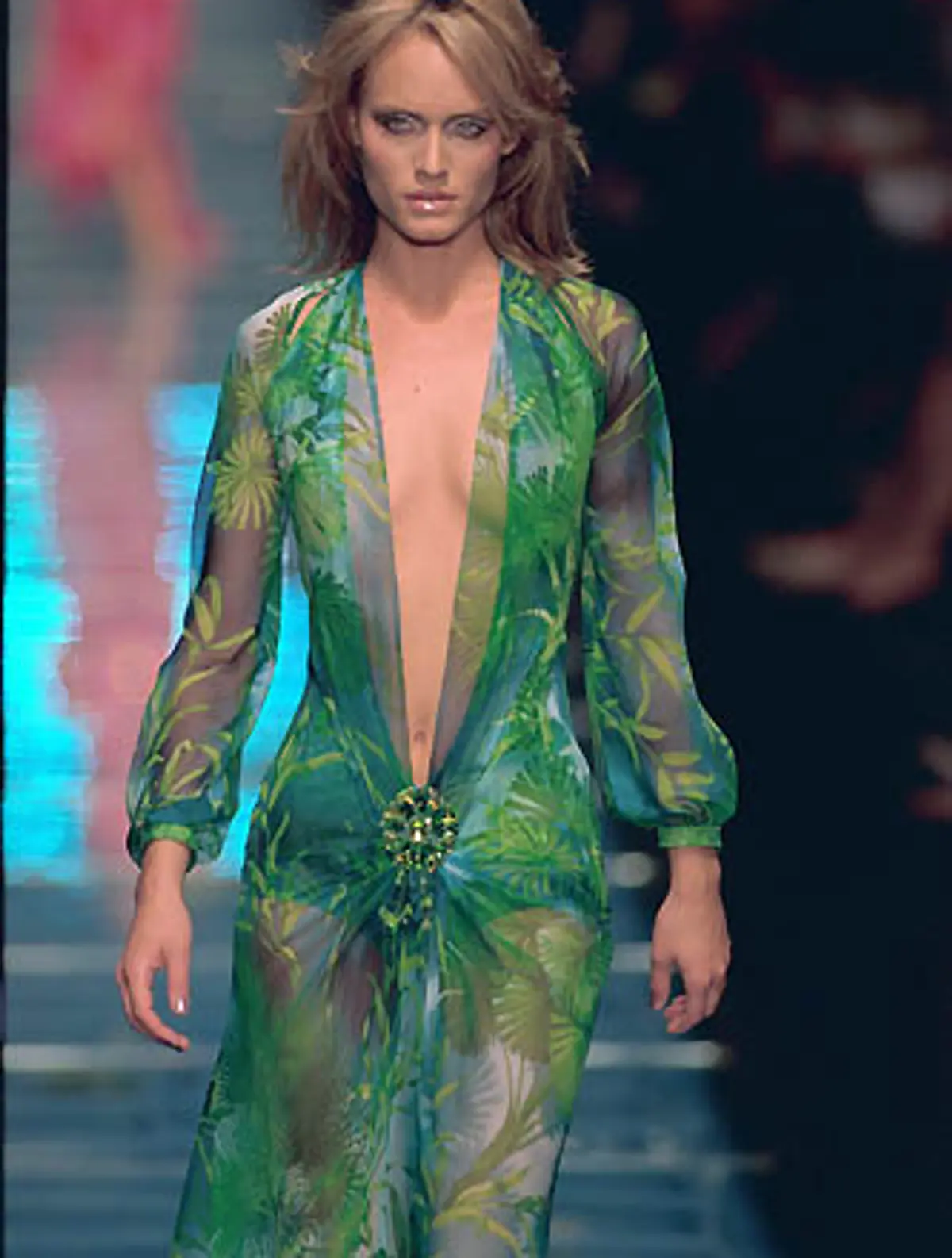
Your Leo uniform: gold, bare skin, statement sunglasses, and something that photographs extremely well.
Virgo — Calvin Klein Collection FW 1999
You have already noticed that the proportions are wrong.
Virgo is not boring. Virgo is precise.
Calvin Klein Collection Fall/Winter 1999 represents the kind of restrained, polished minimalism that requires an almost unreasonable amount of attention to detail. Nothing looks accidental. Every proportion, line, and layer has a purpose.
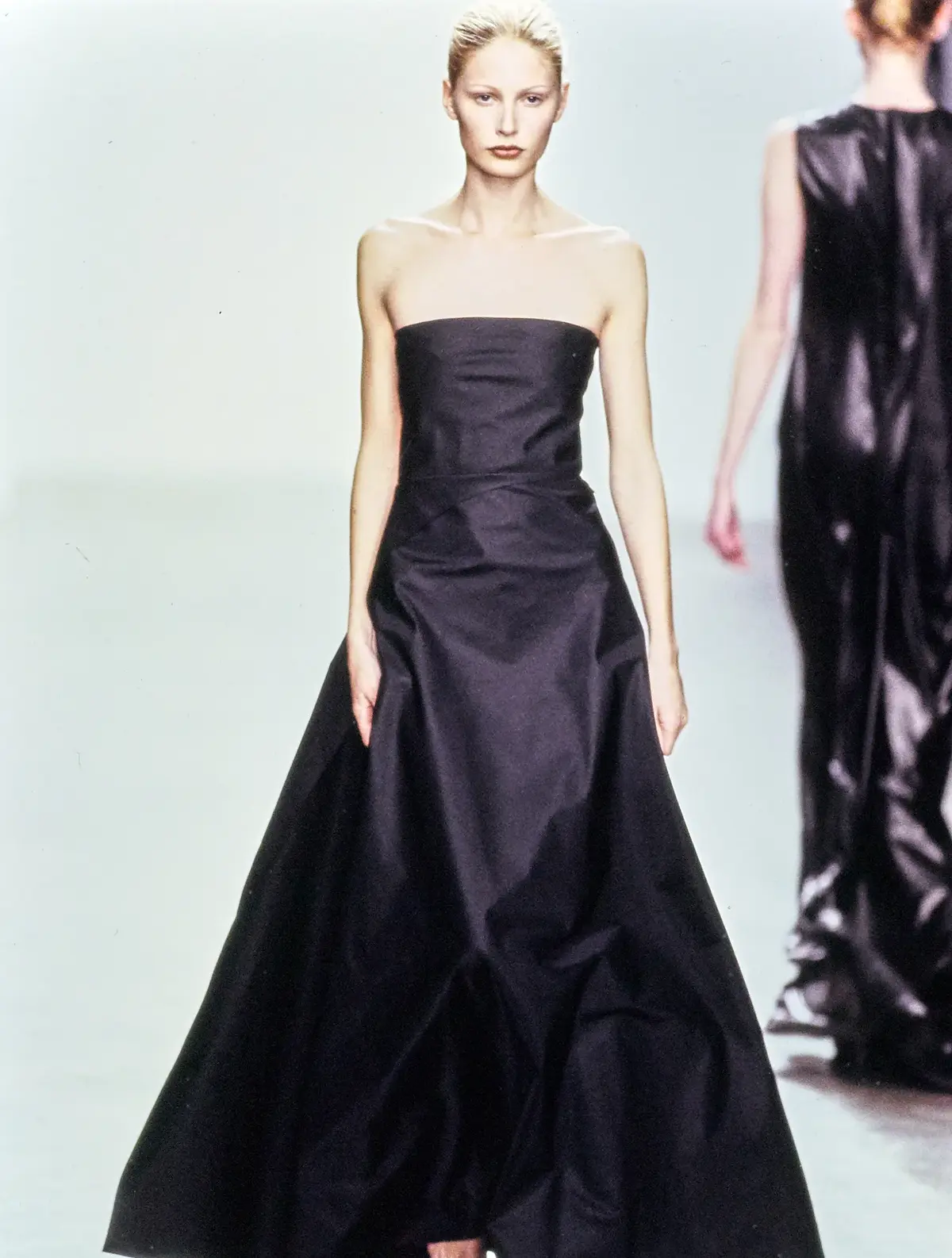
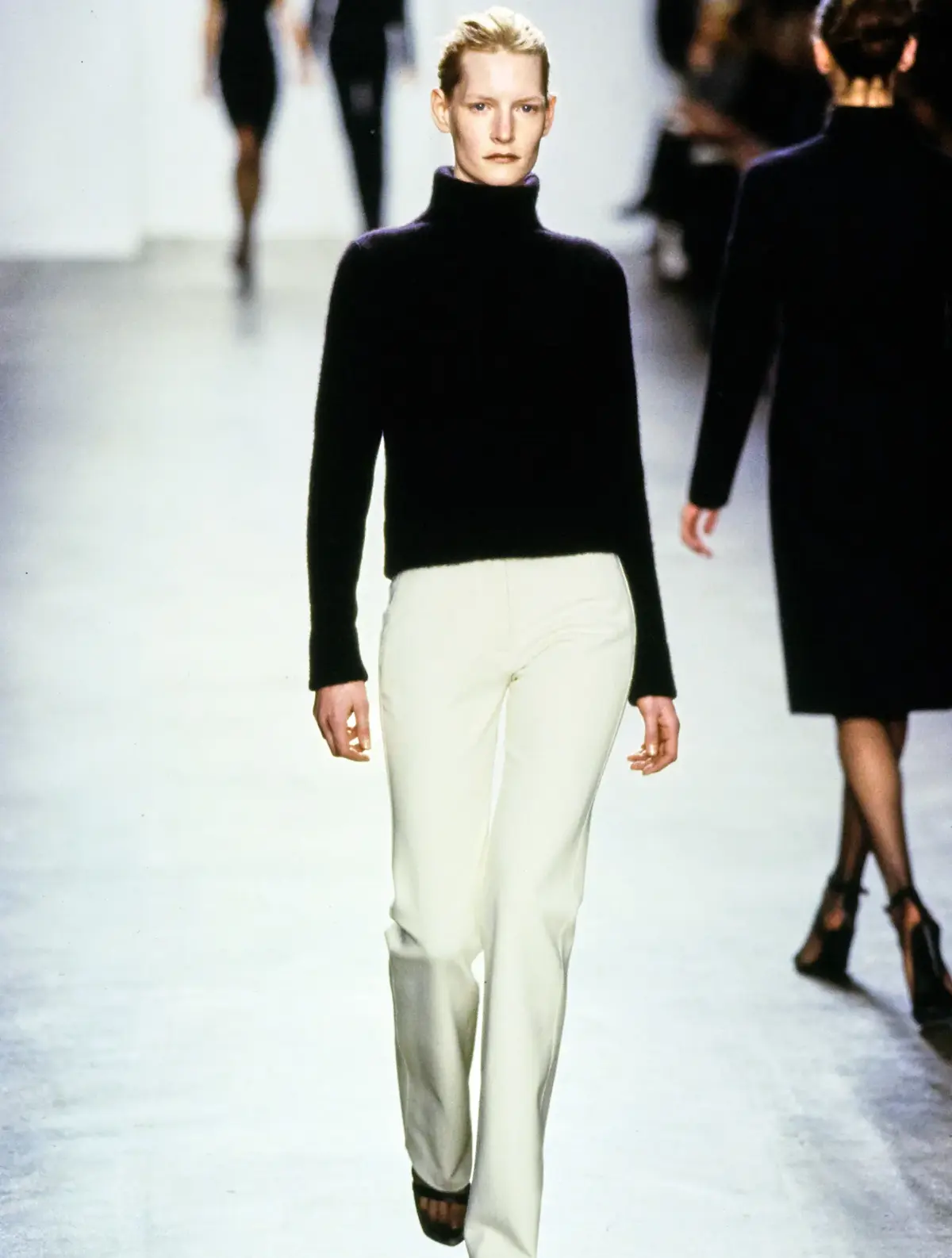
This is the person who says, “I just threw this on,” after spending 45 minutes deciding which white shirt has the correct collar.
You don't need logos. You need the perfect cut.
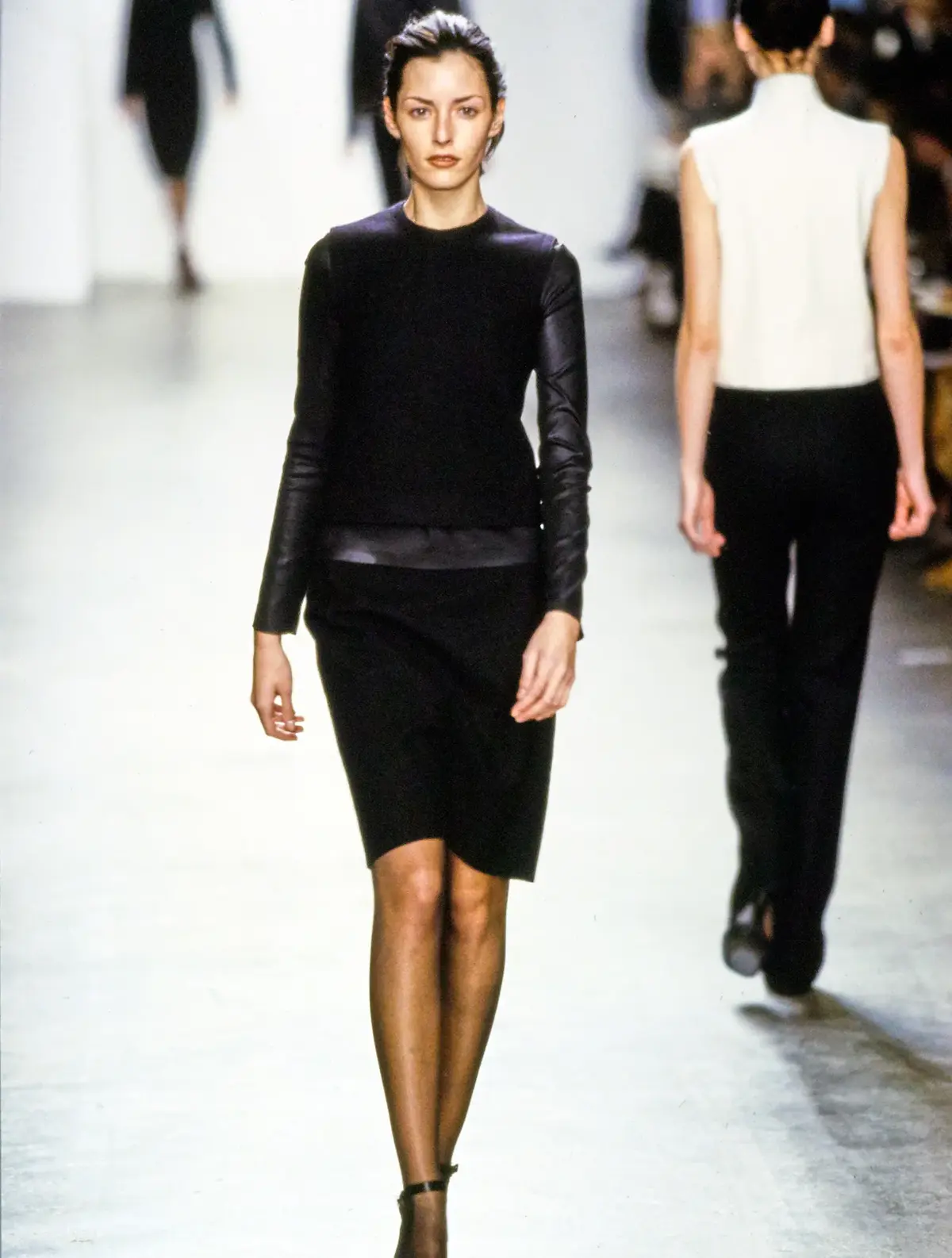
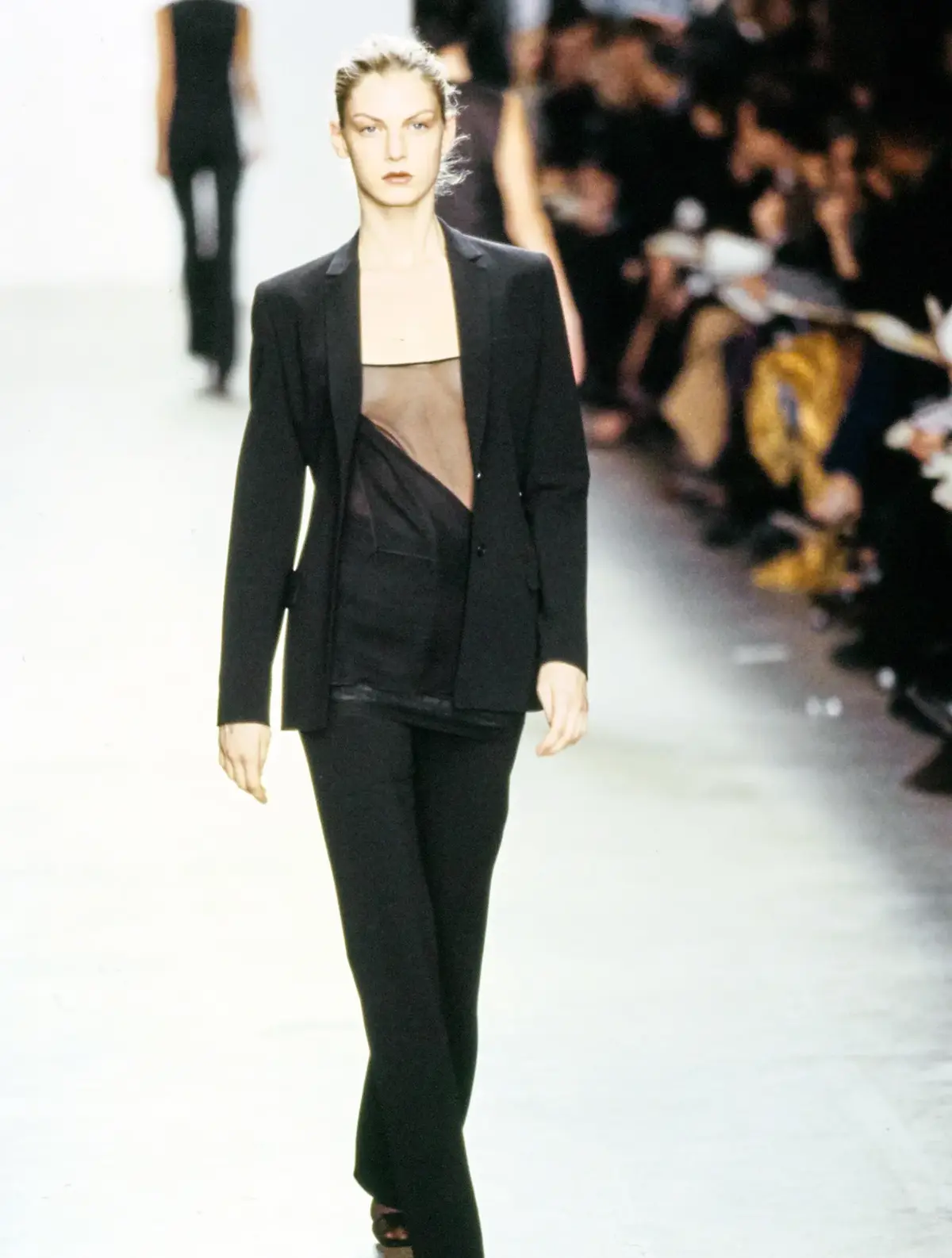
You will also absolutely notice if someone's trousers are too long—but you will politely keep that information to yourself.
Probably.
Your Virgo uniform: a perfect white shirt, tailored trousers, immaculate shoes, and one tiny detail nobody else noticed.
Libra — Prada SS 2000
You somehow make weird look beautiful.
Libra is ruled by Venus, so obviously you care about beauty. But you're not interested in straightforward beauty. That's too easy.
Prada Spring/Summer 2000 is for the person who sees a questionable shoe, an odd color combination, or a strangely proportioned skirt and immediately understands the vision.
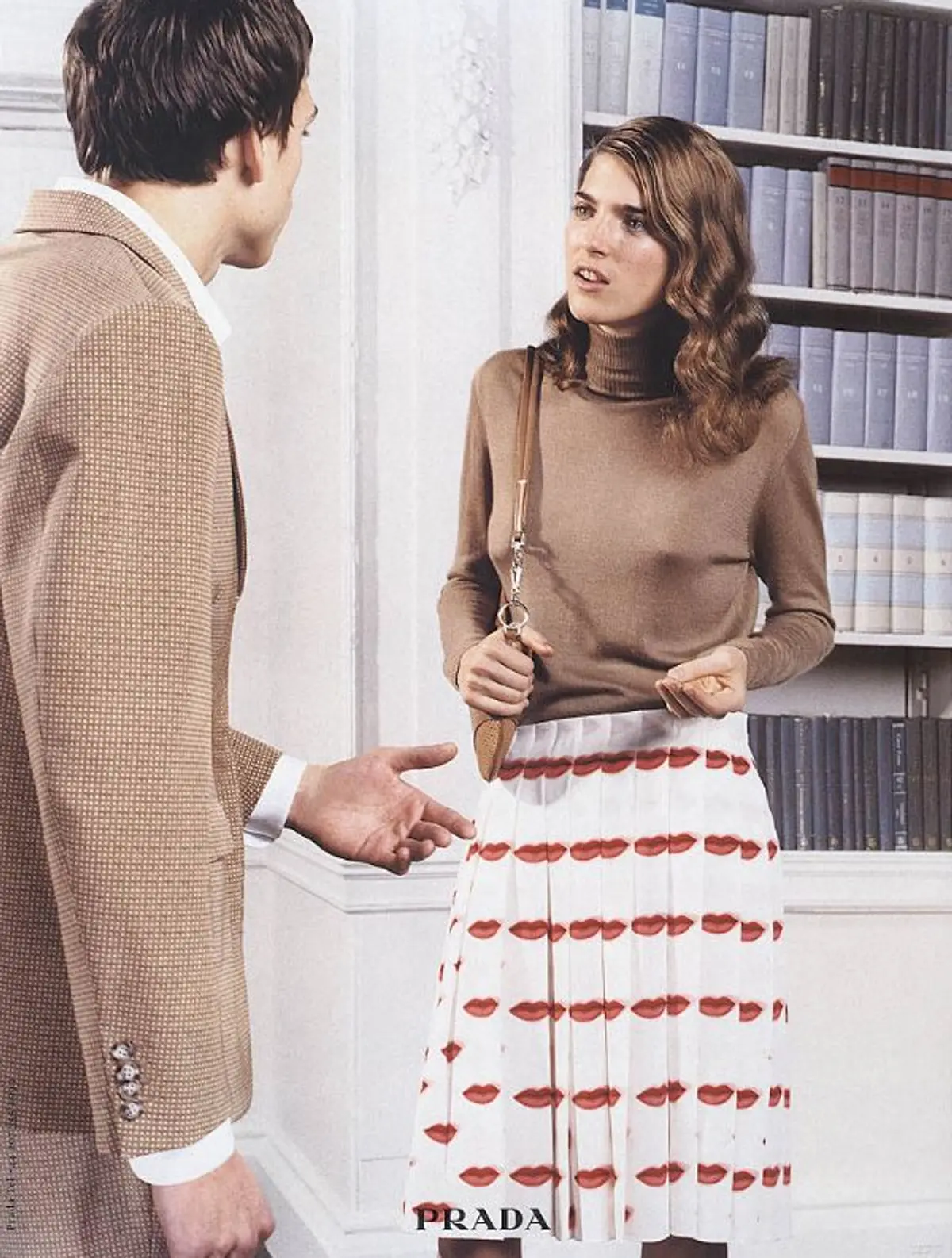
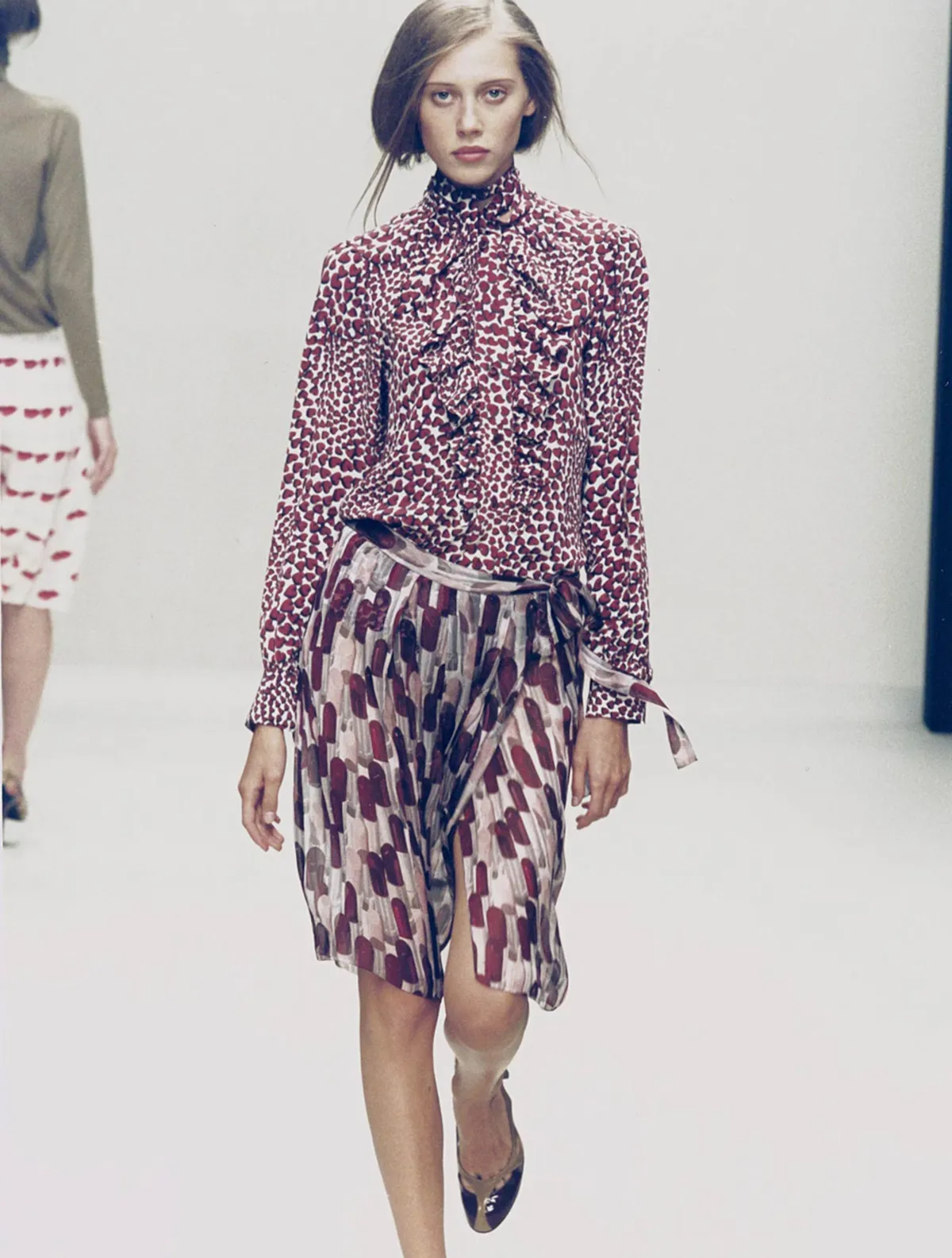
You are aesthetically indecisive in the most sophisticated way possible. You want minimalism, but not too minimal. You want romance, but not anything obvious. You want to look effortless, but you also want everyone to notice that you look effortless.
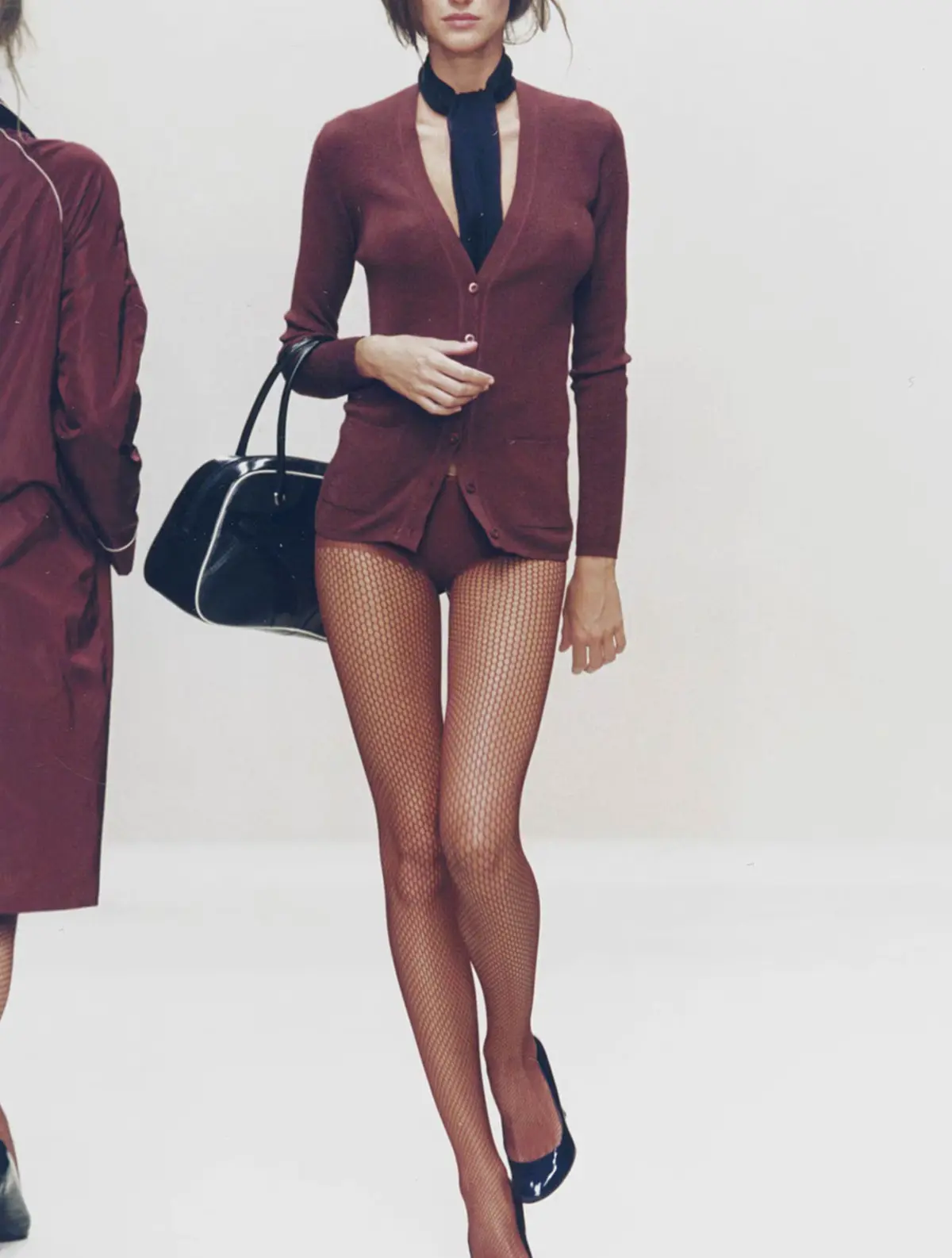
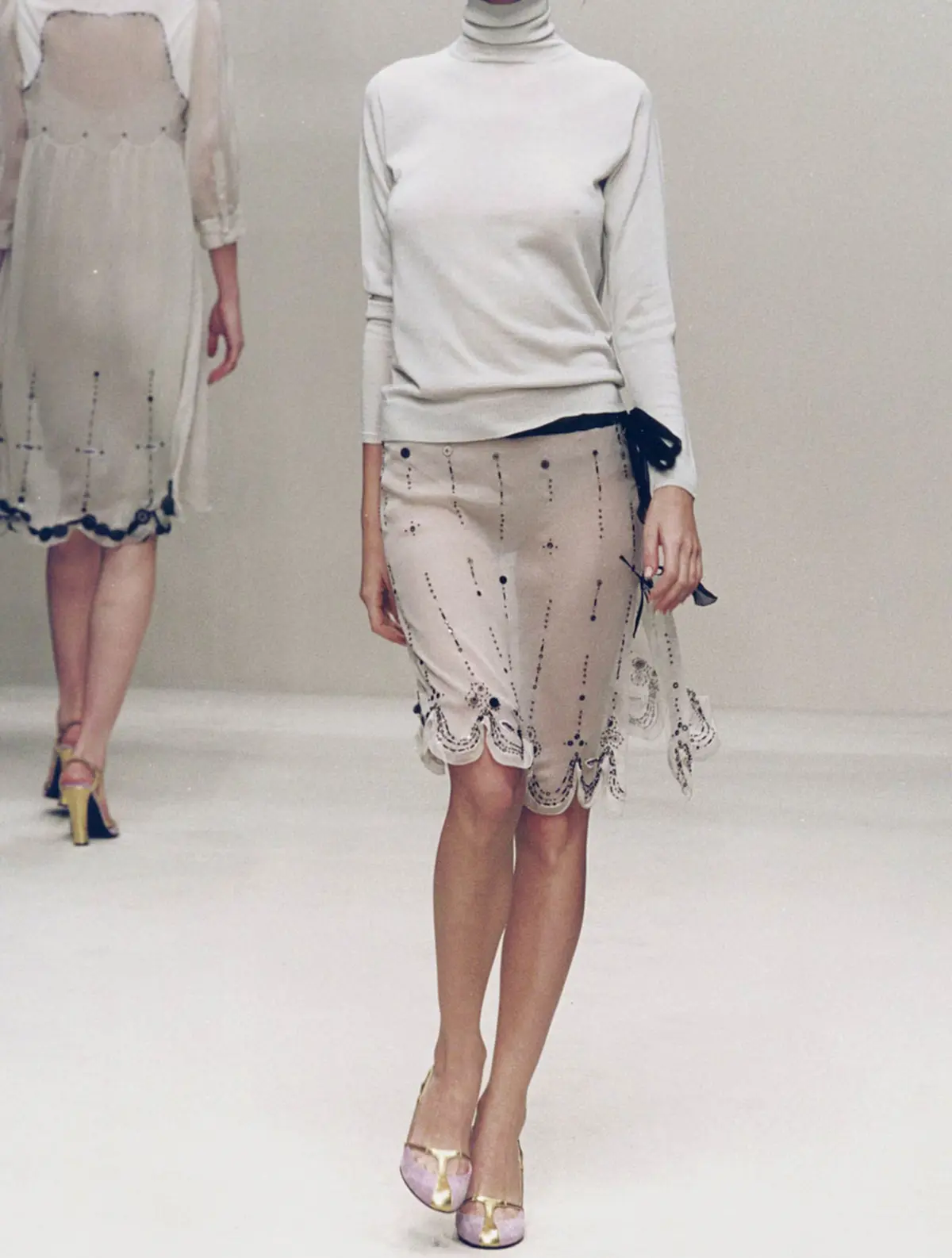
You will spend 20 minutes deciding which of two almost identical bags feels more “you.”
And you will choose correctly.
Your Libra uniform: something slightly strange, impeccably styled, and impossible to stop thinking about.
Scorpio — Gucci FW 2001, Tom Ford
You don't flirt. You create situations.
Scorpio gets Tom Ford-era Gucci.
Fall/Winter 2001 is dark, sensual, polished, and just dangerous enough to make everyone slightly uncomfortable. This is fashion for someone who understands that revealing less can sometimes be more provocative.
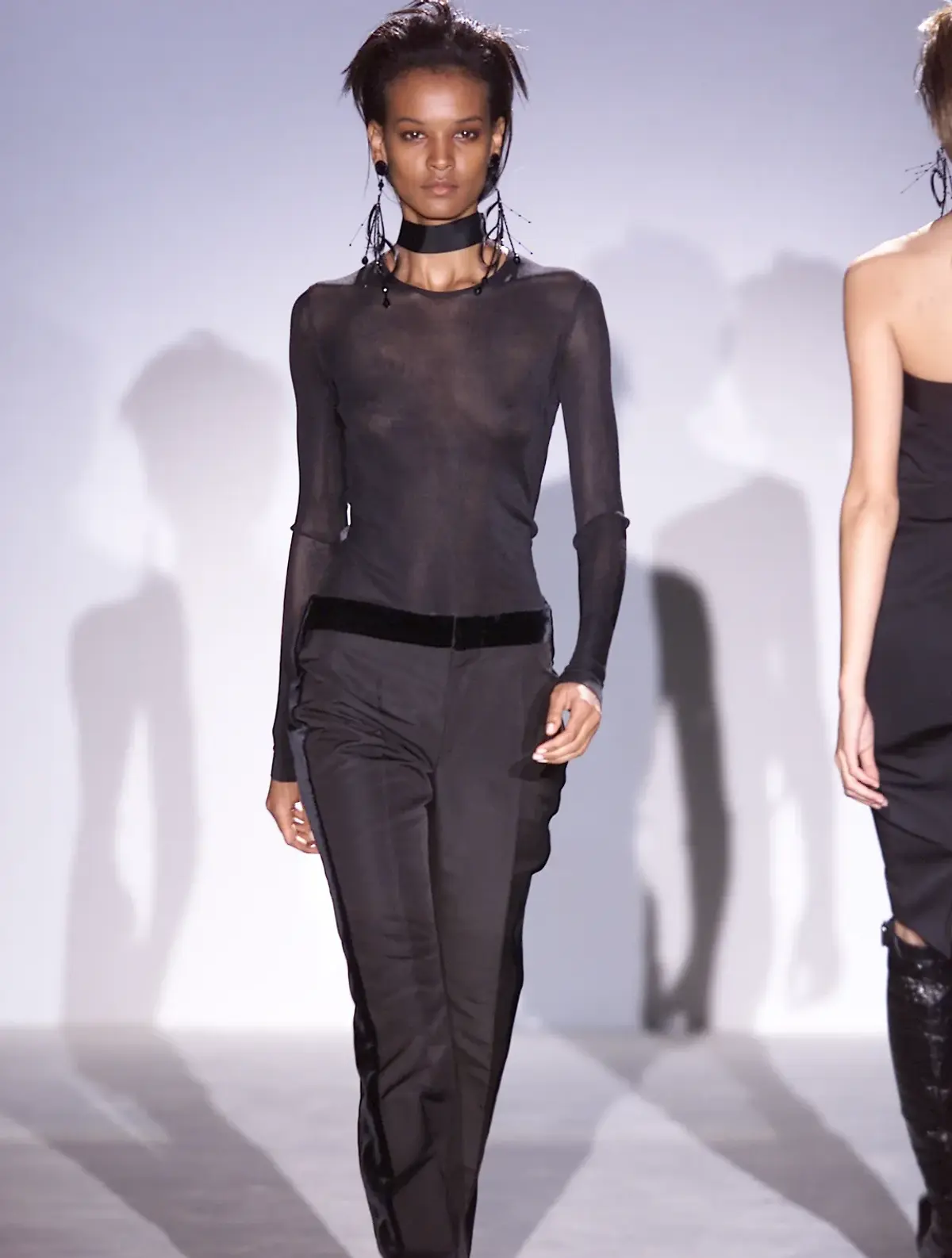
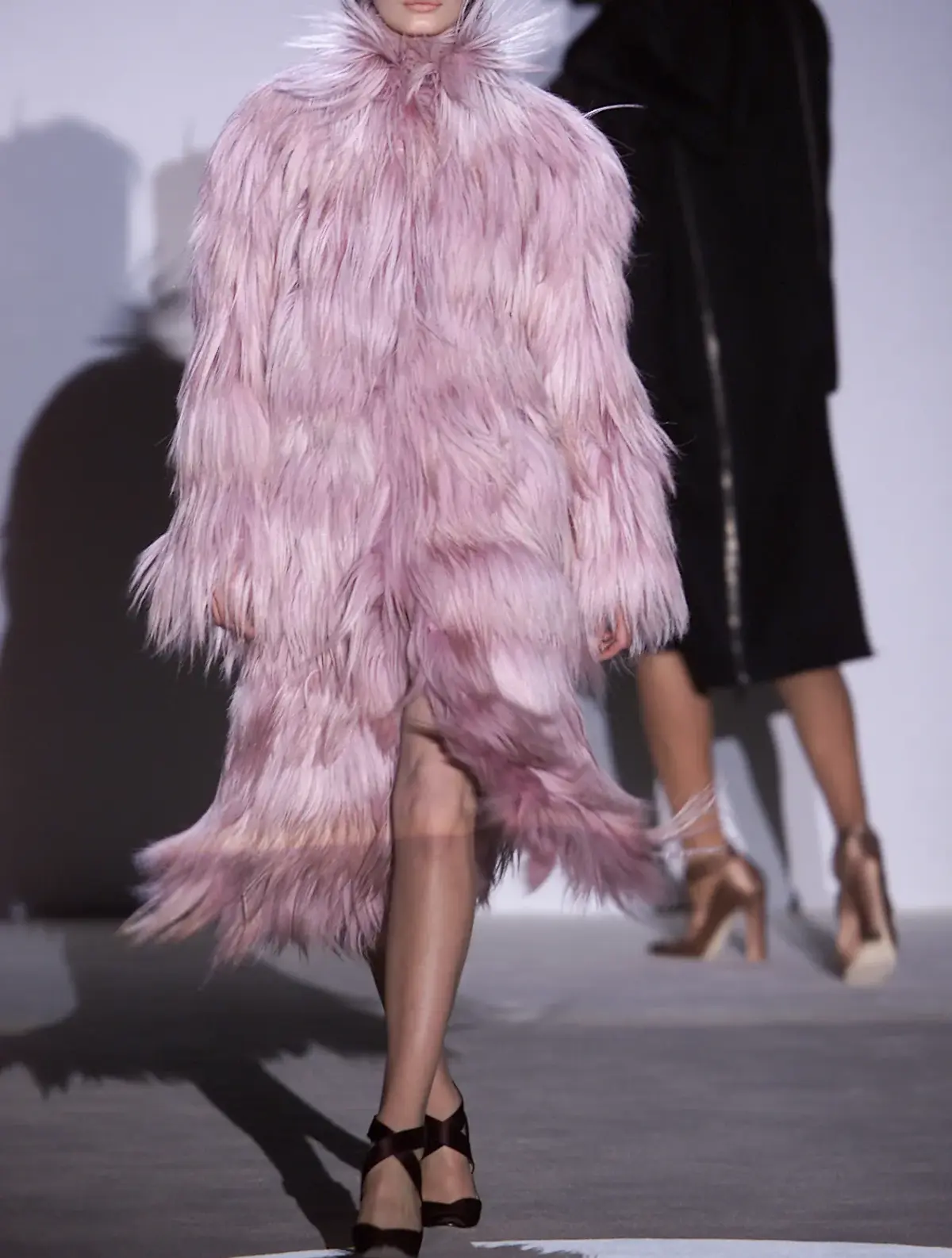
You know exactly what you're doing.
You also know exactly what everyone else is doing.
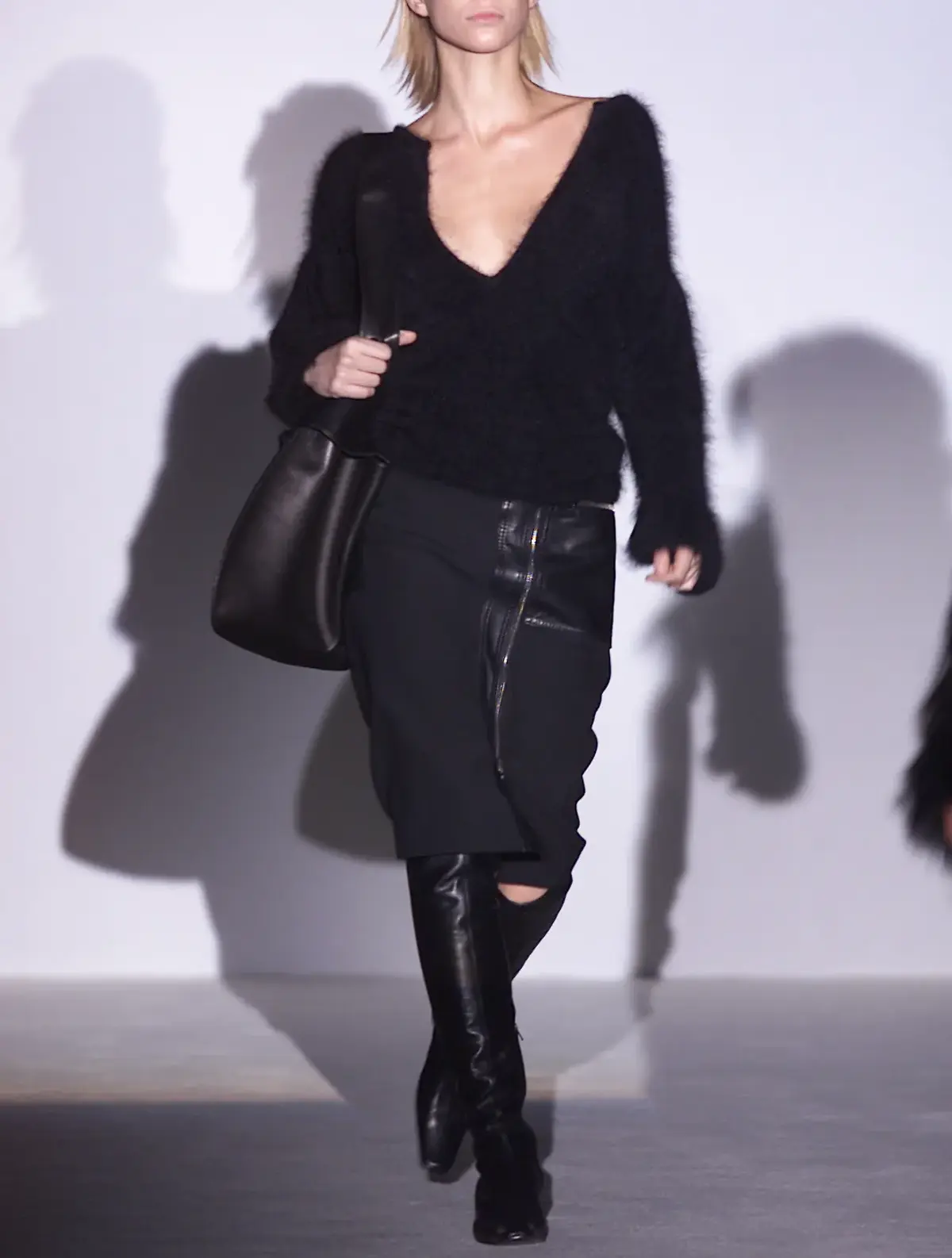
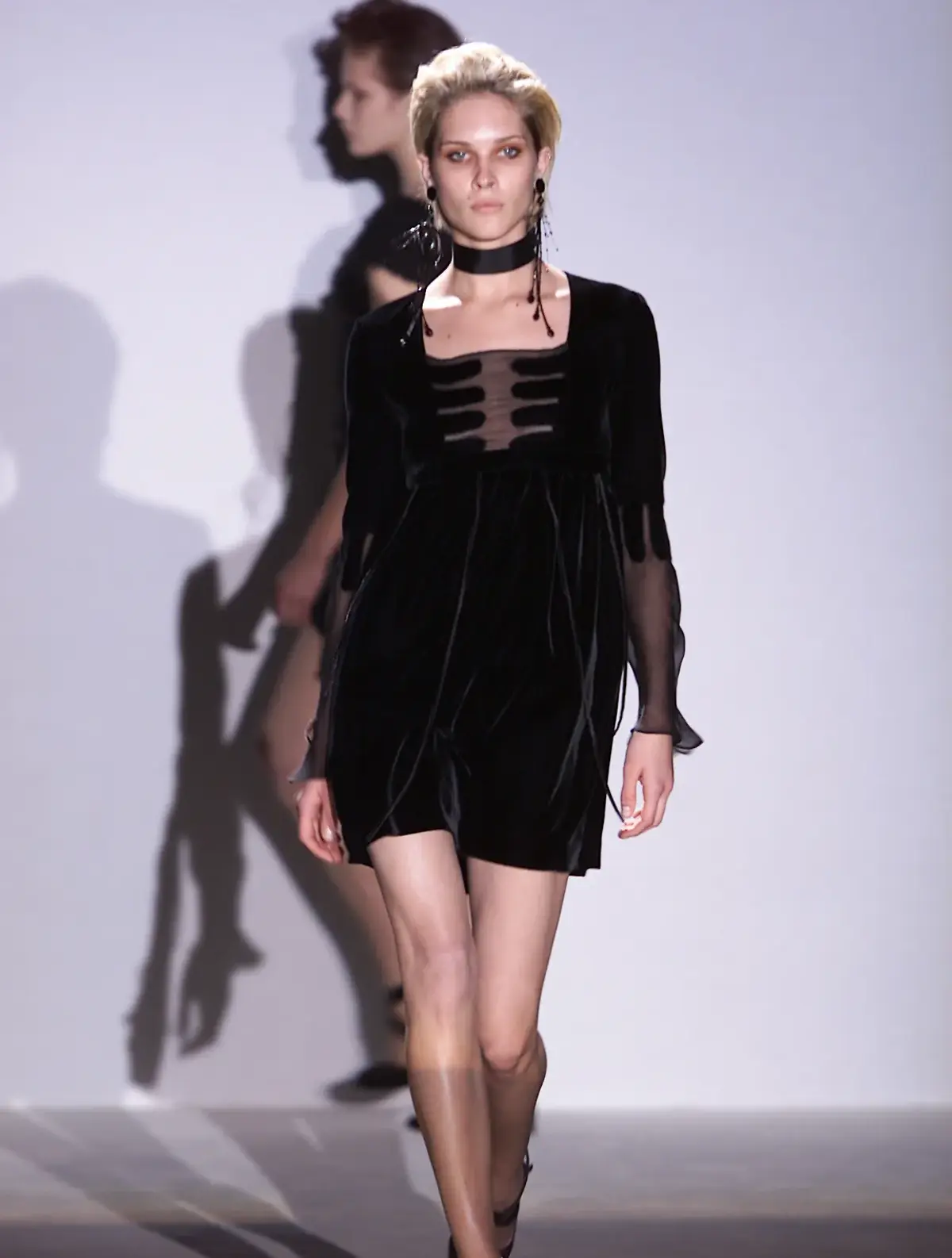
You probably have a black wardrobe that somehow contains 17 different versions of black. You don't overshare. You don't need to. Your sunglasses have already communicated enough.
Your Scorpio uniform: black tailoring, something sheer, dark sunglasses, and a reason not to explain yourself.
Sagittarius — Vivienne Westwood FW 1996, “Dressed to Scale”
You would wear a corset to the airport.
Sagittarius needs clothes that can keep up with them—and preferably clothes with a story.
Vivienne Westwood's Fall/Winter 1996 Dressed to Scale collection is perfect for the sign that refuses to stay within one aesthetic, one era, or one continent.
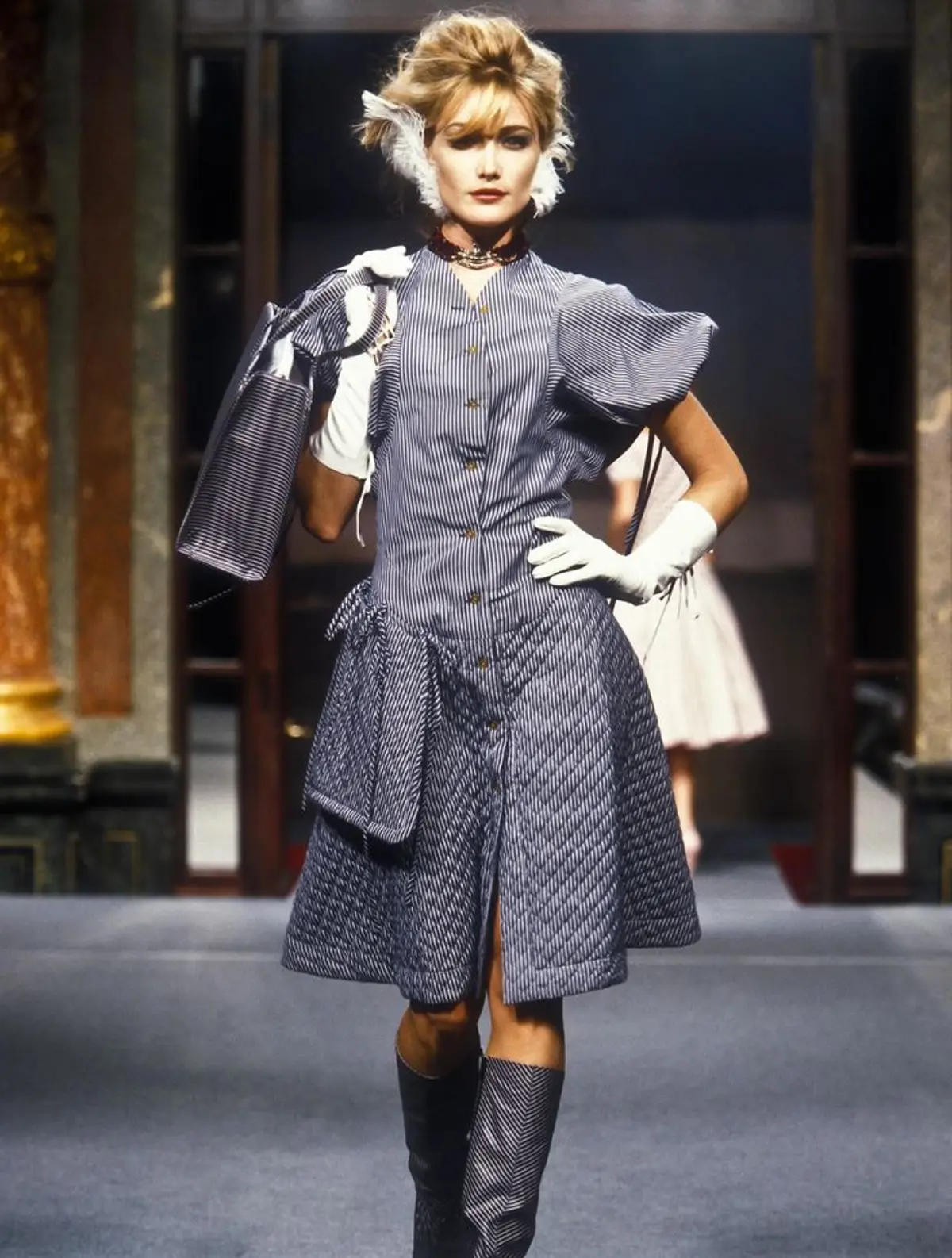
You collect references the way other people collect souvenirs. One day you're wearing something inspired by 18th-century tailoring; the next you're in jeans and a vintage football shirt; somehow both outfits feel completely natural.
You are incapable of packing light.
You are also incapable of having a boring holiday.
Your Sagittarius uniform: historical references, something borrowed from another culture, excellent boots, and a plane ticket.
Capricorn — Chanel FW 1994
You don't follow trends. You acquire assets.
Capricorn sees a vintage Chanel jacket and immediately thinks: investment piece.
Chanel Fall/Winter 1994 is for the person who understands the power of a fashion house with history behind it. You're not chasing whatever is viral this week. You're thinking about what will still look good—and retain its value—twenty years from now.
You probably have a five-year plan.
You definitely have a spreadsheet.
You may say you're “just browsing” while mentally calculating the resale value of a vintage bag.
Your Capricorn uniform: Chanel, inherited jewelry, impeccable tailoring, and a calendar that is booked three months ahead.
Aquarius — Thierry Mugler FW 1995
You were never supposed to look human.
Aquarius doesn't want to blend in. Aquarius wants to look like they were downloaded from the future.
Thierry Mugler Fall/Winter 1995 is all about sculptural silhouettes, futuristic glamour, exaggerated anatomy, and a body transformed into something almost otherworldly.
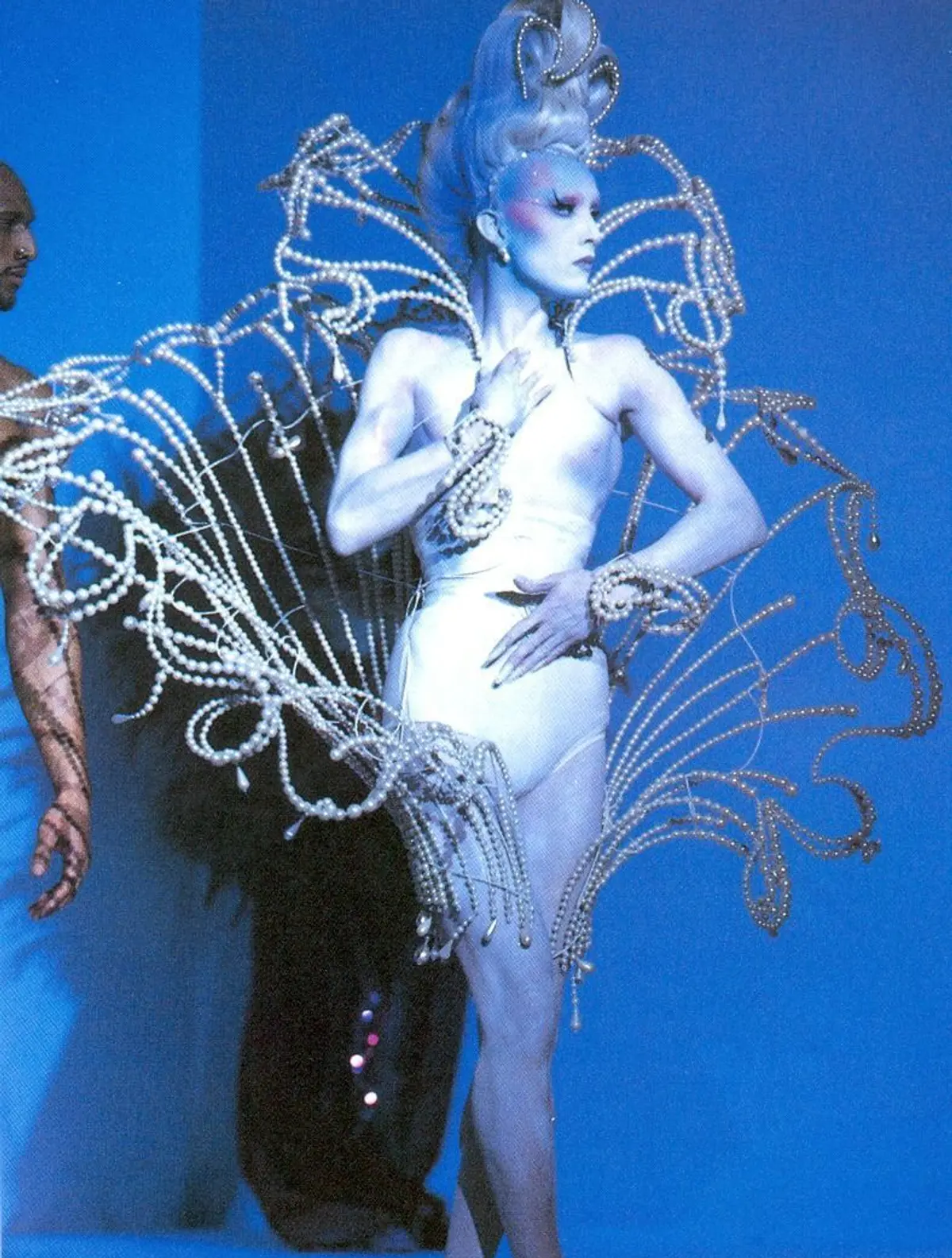
You are the person who buys the strange vintage piece nobody else understands.
You are also the person who will make it look obvious in five years.
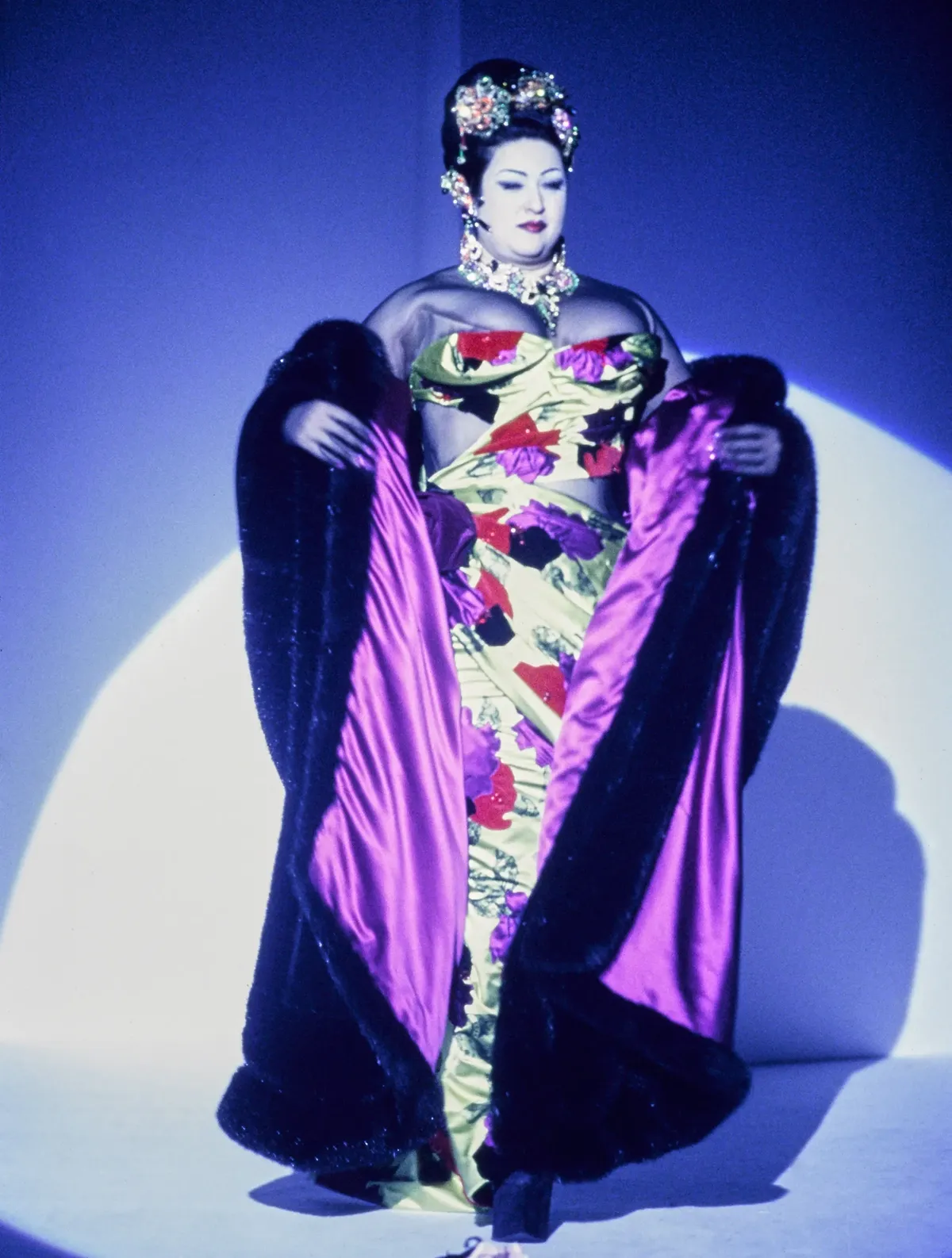
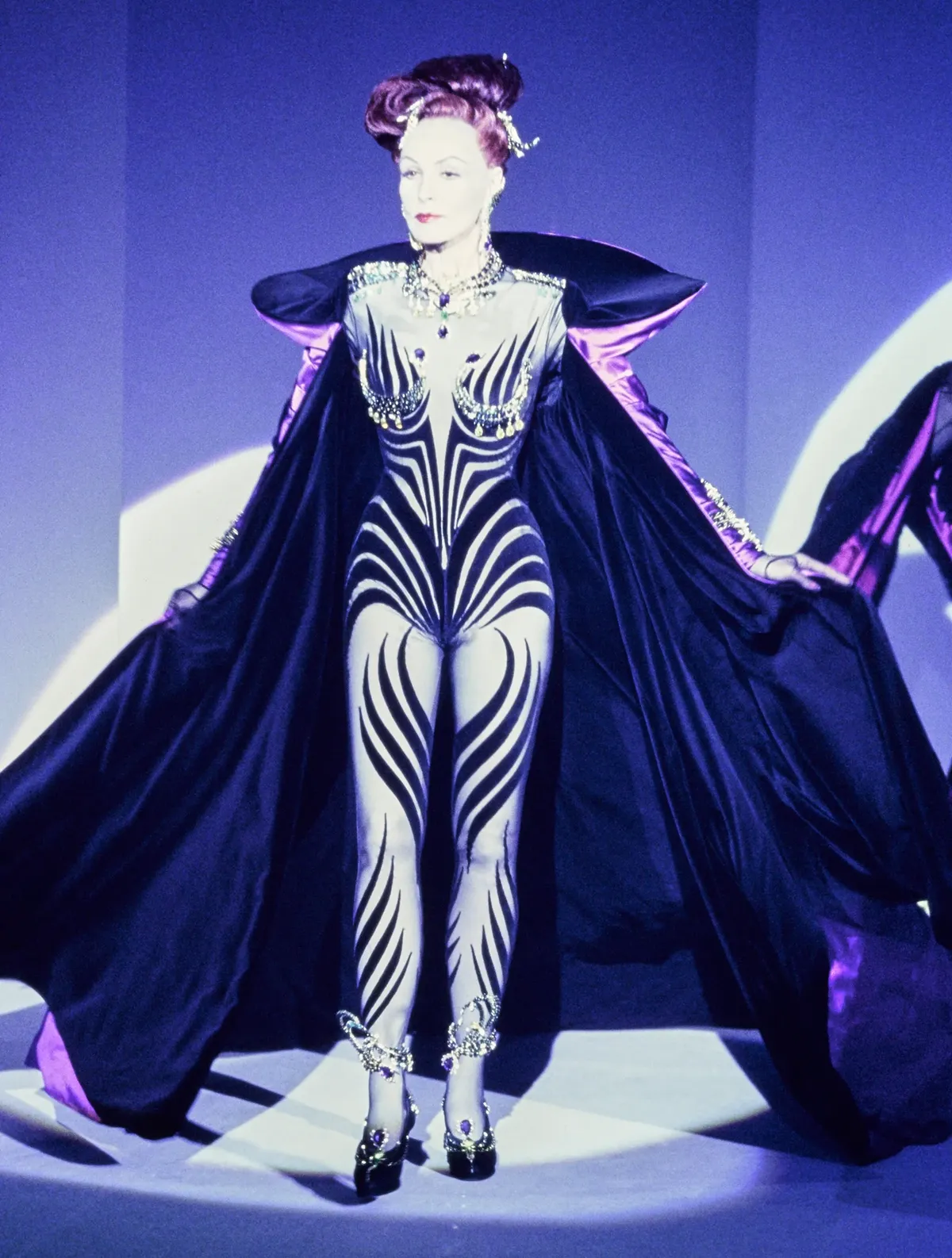
Aquarius doesn't ask, “Will people like this?”
Aquarius asks, “Has anyone done this before?”
Your Aquarius uniform: architectural shoulders, impossible silhouettes, metallic details, and something that looks slightly extraterrestrial.
Pisces — Jean Paul Gaultier SS 1997
Your outfit has a backstory, even if you made it up.
Pisces lives somewhere between reality and fantasy, so Jean Paul Gaultier Spring/Summer 1997 feels inevitable.
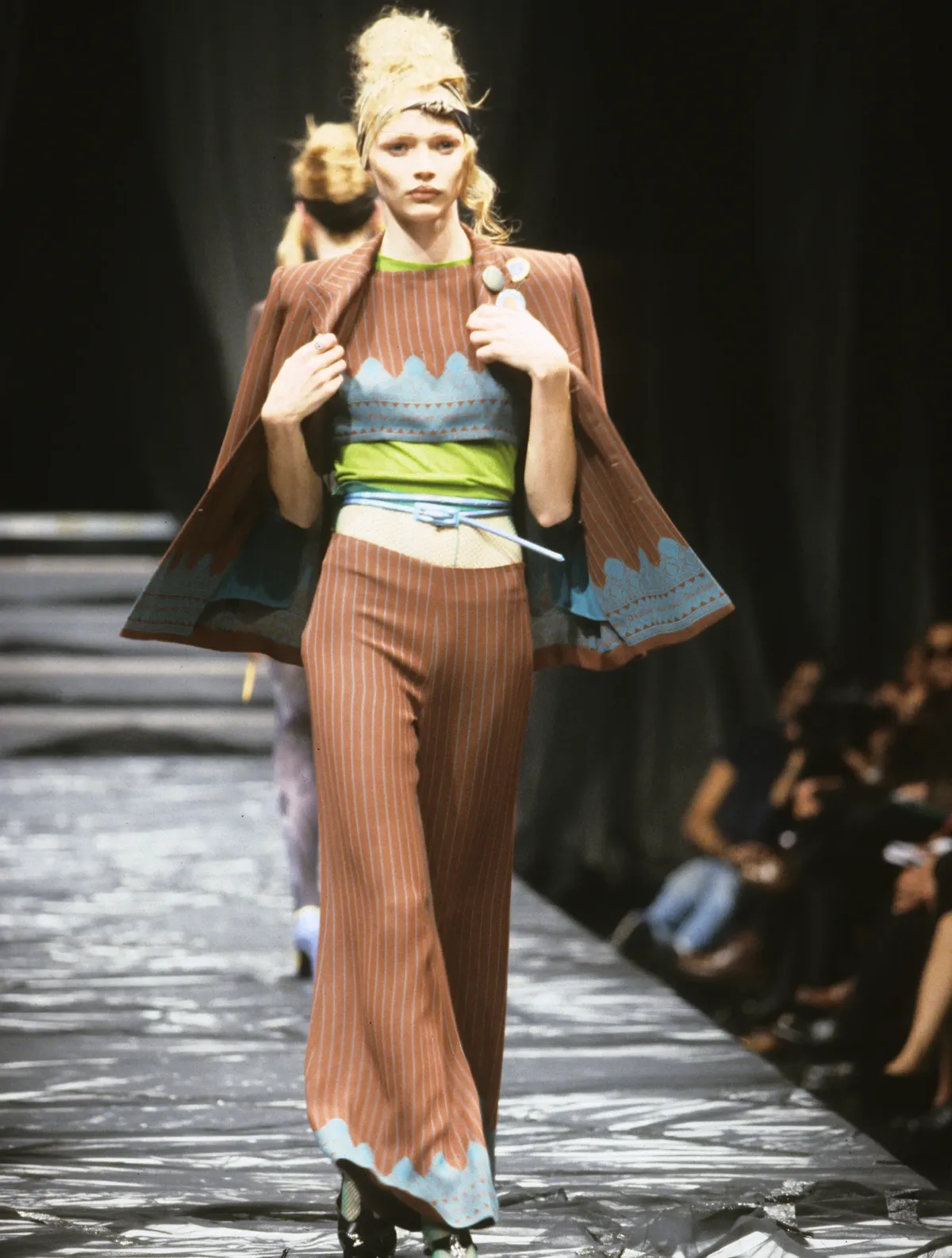
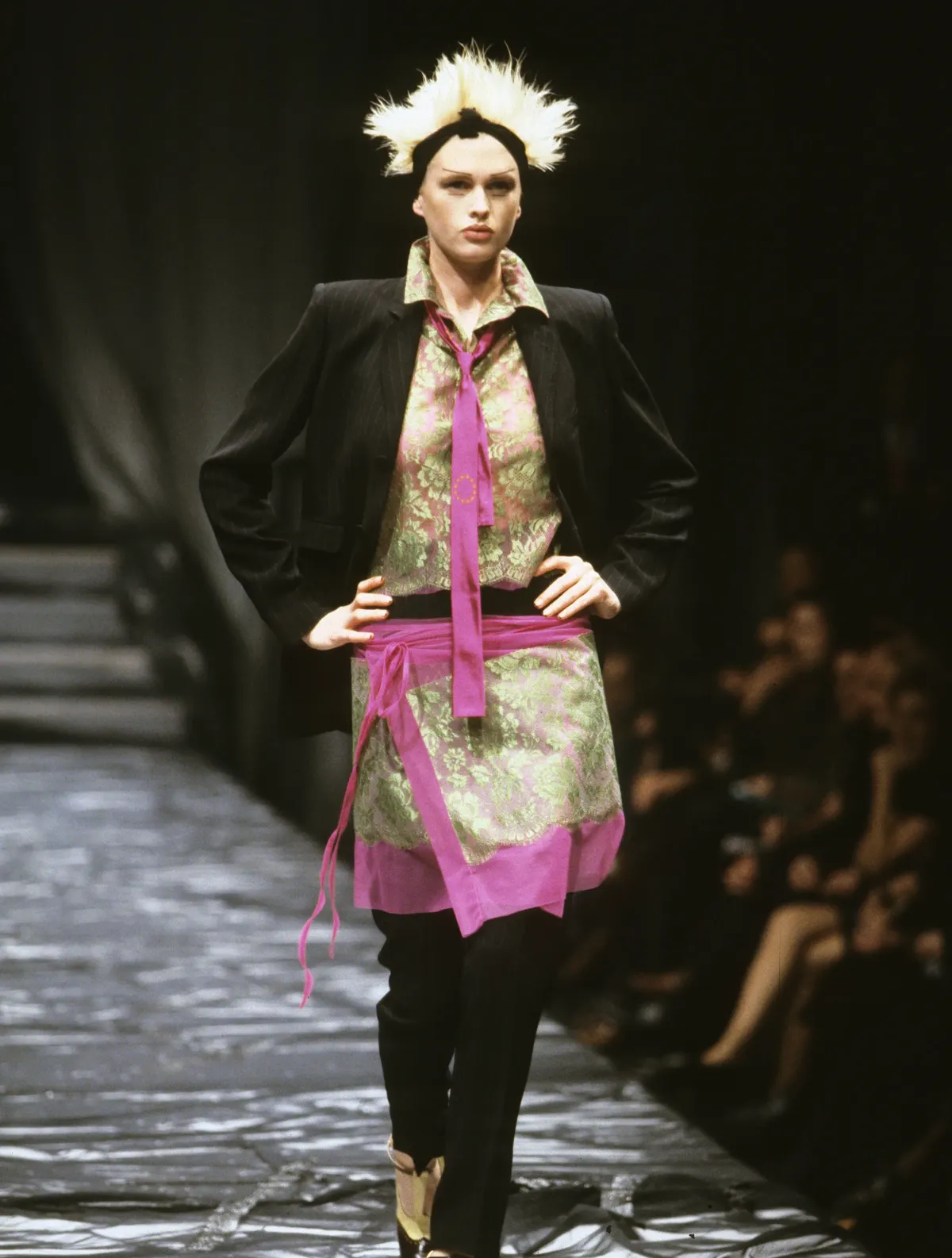
You want clothes that feel romantic, strange, sensual, nostalgic, and slightly cinematic. You don't simply buy a vintage corset—you imagine the person who wore it before you.
You have probably fallen in love with someone because they looked good in a particular jacket.
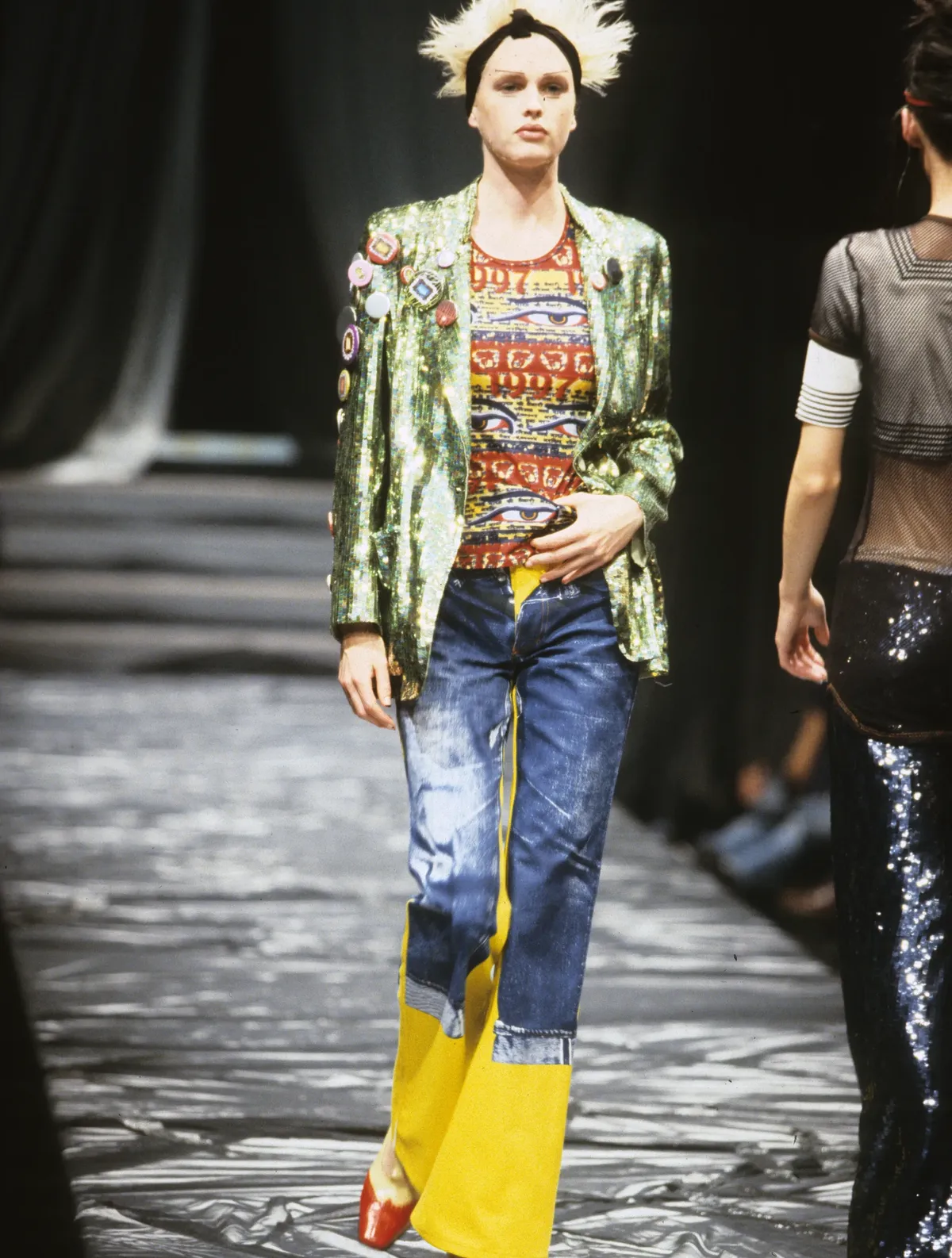
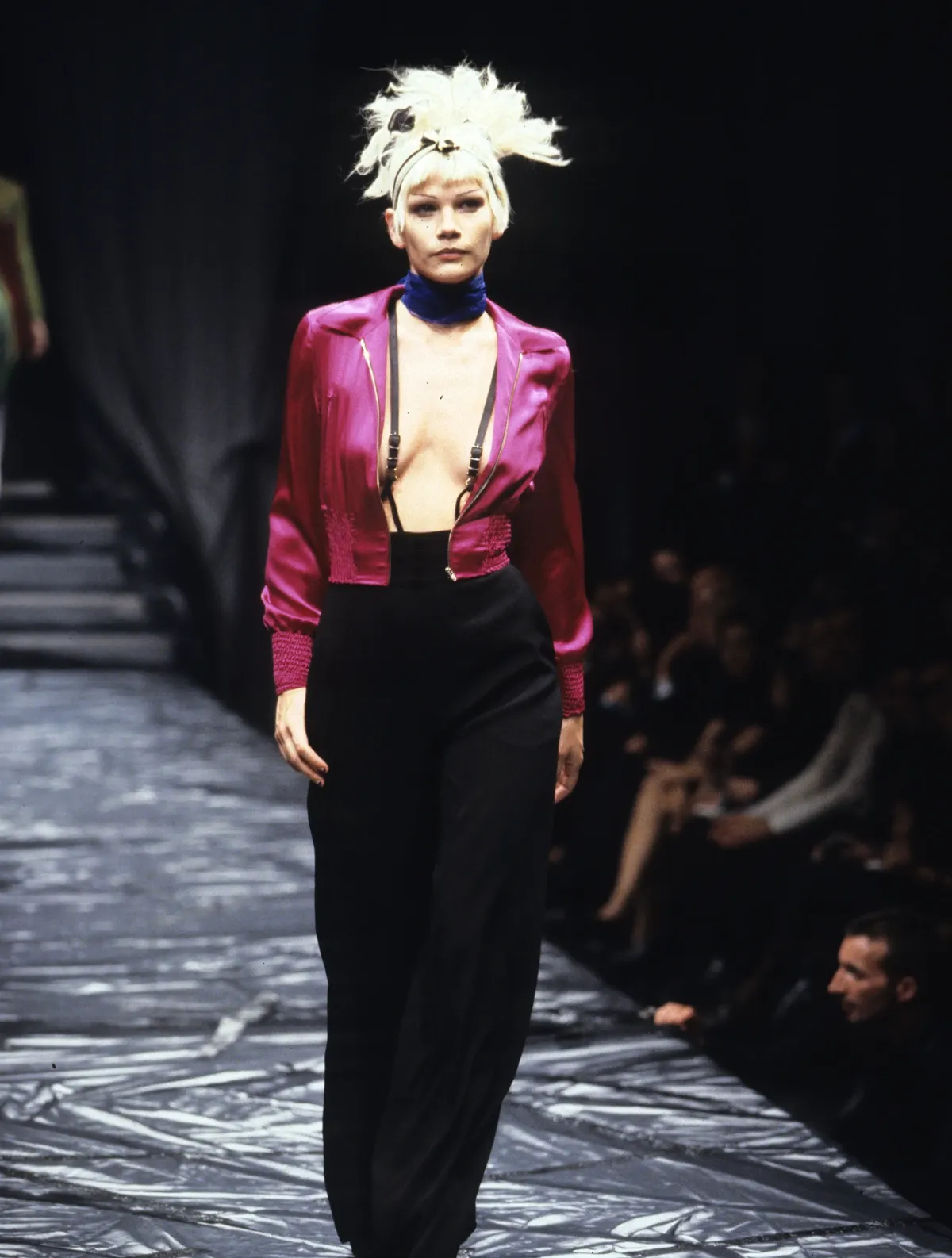
You have definitely made an entire personality out of a song.
And your Pinterest boards are less “outfit inspiration” and more “alternate universe I would like to live in.”
Your Pisces uniform: sheer layers, corsetry, unusual prints, something romantic, and a little mystery.
So, What Does This Mean for Fashion?
Maybe astrology has been asking the wrong question.
Instead of What does your sign say about you?, we should be asking: What does your wardrobe say about your sign?
The best archival fashion does something that contemporary trend cycles often struggle to do: it gives you a point of view. A 1990s or early-2000s collection can tell a story about sexuality, rebellion, nostalgia, wealth, technology, femininity, masculinity, or simply the strange desire to look unlike everyone else.
That is why these collections still feel relevant decades later.
McQueen's Joan still feels confrontational. Kawakubo's Body Meets Dress, Dress Meets Body still challenges the idea of what a fashionable body should look like. Mugler still looks like the future. Prada still makes “ugly” feel aspirational.
And perhaps that's the real reason archival fashion is so addictive: you aren't just buying something old. You're choosing which fashion history you want to belong to.
So whether you're a Prada Libra, a McQueen Aries, a Tom Ford Scorpio, or a Mugler Aquarius, there is probably a piece in the archive that feels less like something you found—and more like something that was waiting for you.
Your birth chart has a dress code. We just found it.
→ Book a private showroom appointment
About Into Archive
Into Archive is a New York-based archival fashion showroom specializing in rare and collectible designer pieces from fashion’s most influential eras. Our collection features vintage and archival garments from designers including Dior, Prada, Chanel, Jean Paul Gaultier, Vivienne Westwood, and more.
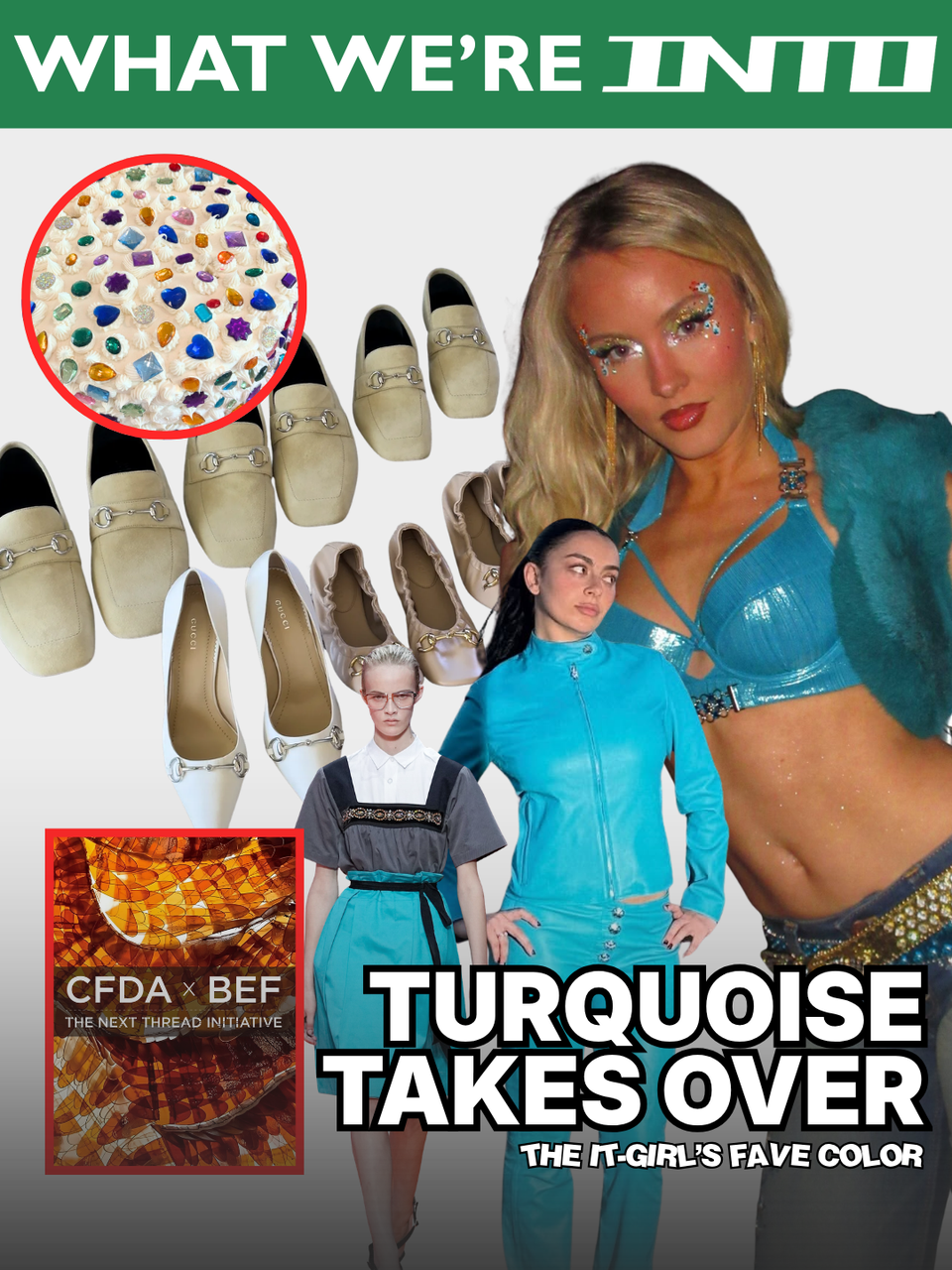
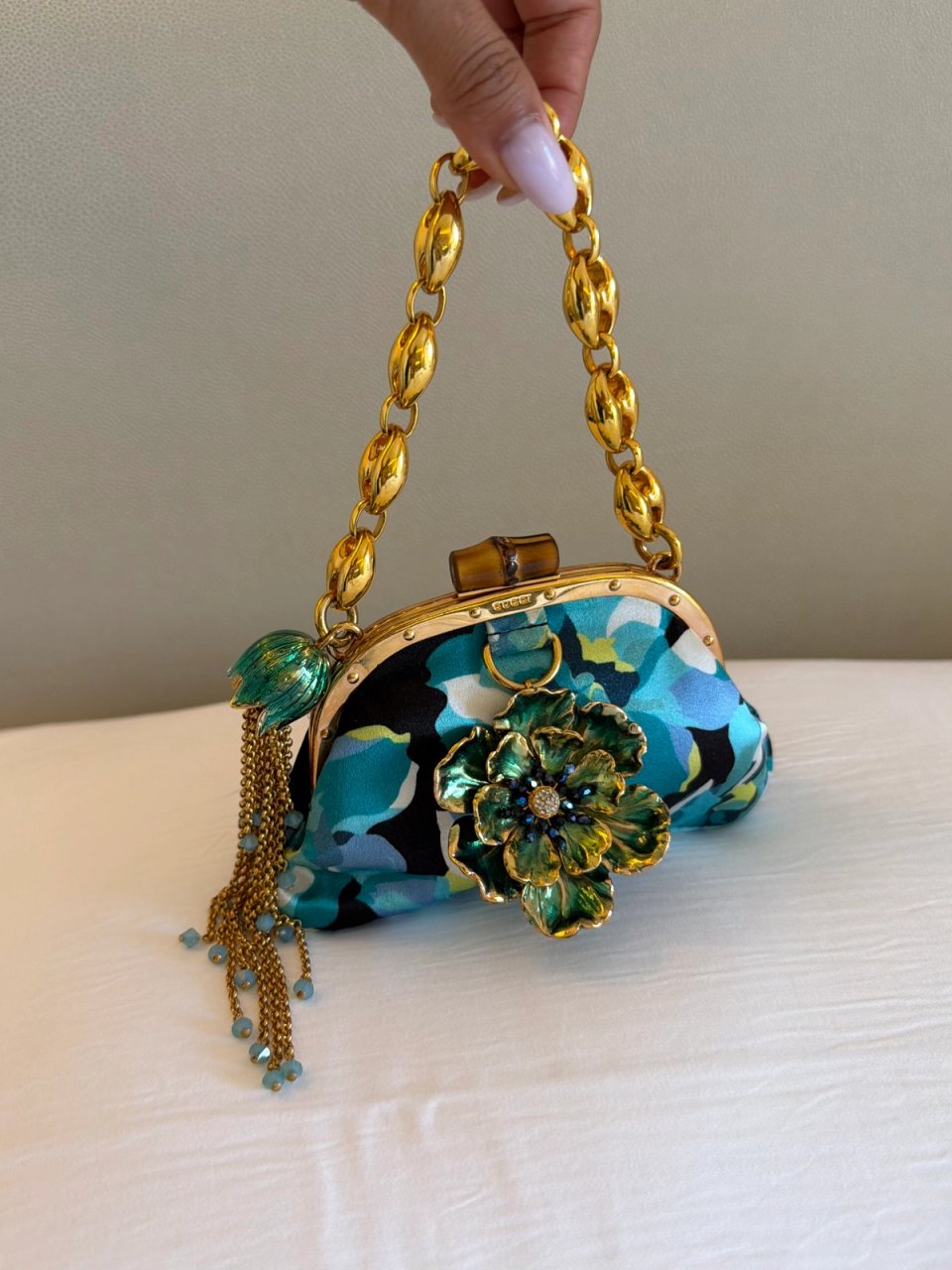

A Little Less Sex, A Lot More Flora: Gucci SS 2006
Before Gucci became synonymous with the polished maximalism of the 2010s, Frida Giannini was quietly changing the mood of the house — and she started with flowers.
There’s something about a tiny Gucci bag that makes a very big statement. This Gucci Spring/Summer 2006 blue floral silk pochette, finished with a dimensional flower at the front, is a perfect example. Petite, romantic, and just a little bit ridiculous in the best possible way, it feels like a snapshot of Gucci at a fascinating crossroads.
Because SS 2006 wasn’t just another Gucci collection. It was the beginning of a new chapter.
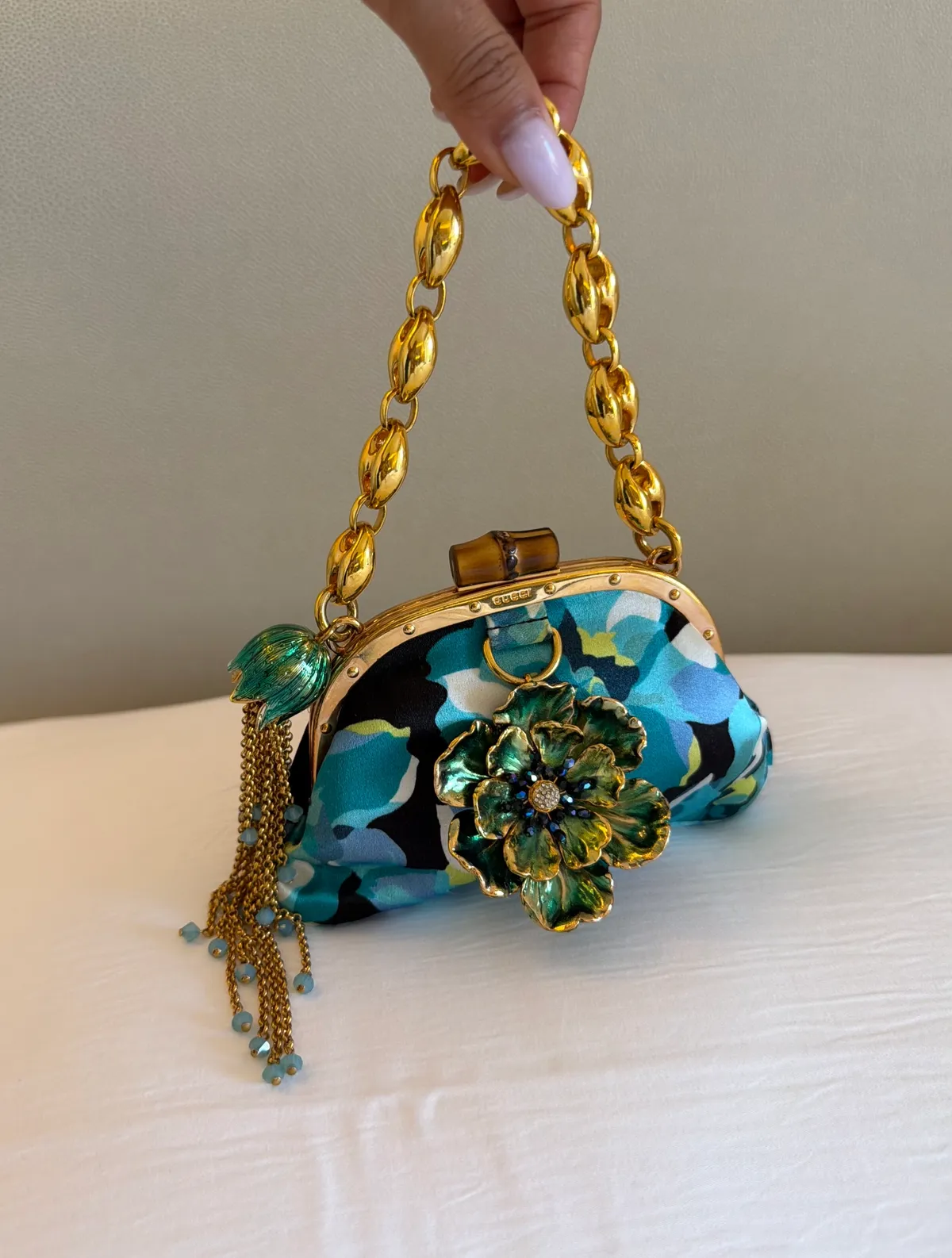
Welcome to the Frida Era
By Spring/Summer 2006, Gucci was moving away from the dark, overtly sexual aesthetic that had defined much of the house under Tom Ford. Ford’s Gucci had become legendary for its razor-sharp tailoring, bare skin, low-slung silhouettes, and unapologetically provocative glamour. It was sleek, seductive, and unmistakably of its time.
Frida Giannini offered something different.
After making her name within Gucci's accessories division, Giannini was appointed creative director of womenswear in 2005. Spring/Summer 2006 was her first full womenswear collection for the house, making it one of the earliest collections to establish what would become her signature Gucci woman.
And she wasn't interested in simply recreating what came before.
The SS 2006 runway introduced a Gucci girl who was still glamorous, but in a softer, more romantic way. There were flowing silhouettes, colorful prints, feminine dresses, silk, and plenty of floral motifs. Instead of the hard-edged sensuality of the Ford era, Giannini leaned into an almost garden-like femininity — a little more playful, a little more nostalgic, and considerably more colorful.
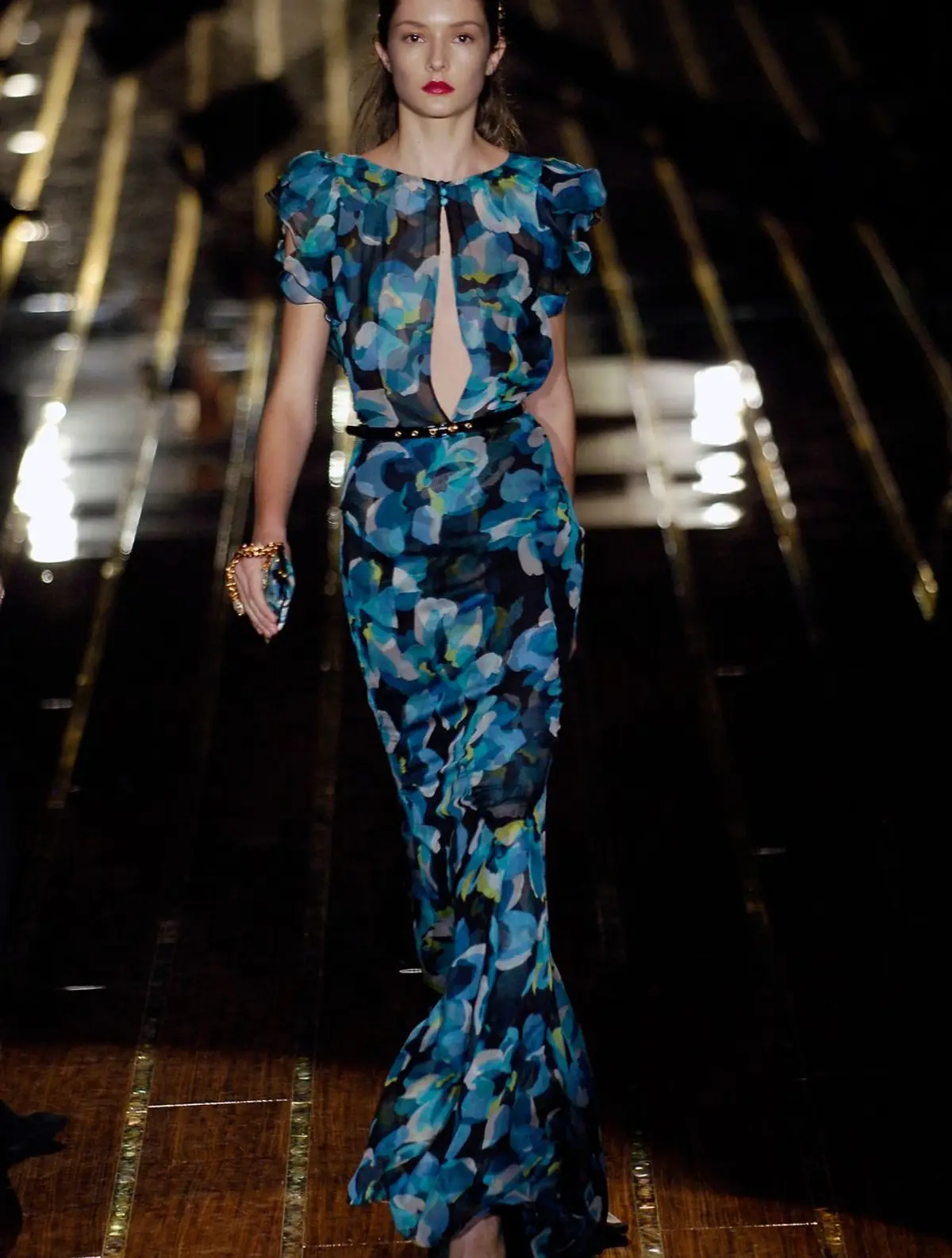
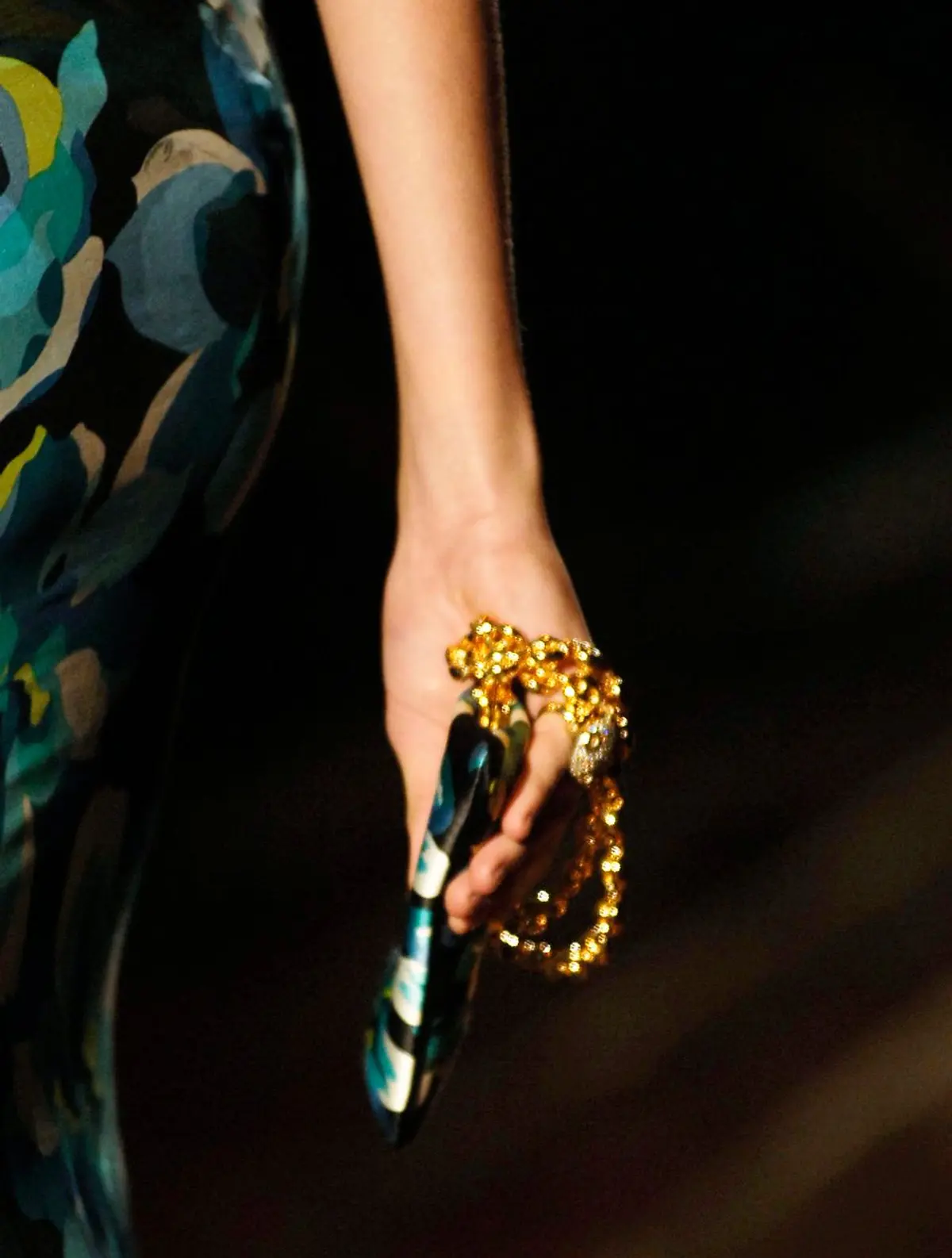
In other words: a little less sex, a lot more Flora.
The Flower Takes Center Stage
The floral theme wasn't pulled out of thin air.
One of Giannini’s earliest major successes at Gucci came from reviving the house’s famous Flora motif, which dates back to the 1960s. The original Flora print was created as a scarf for Princess Grace of Monaco after she visited Gucci in 1966. Made up of an intricate arrangement of flowers, plants, and insects, it eventually became one of Gucci's most recognizable decorative codes.
Giannini understood the power of that history.
Rather than treating the archive as something untouchable, she brought its most romantic elements back into the contemporary Gucci wardrobe. By the time SS 2006 arrived, flowers were everywhere — appearing across silk dresses, blouses, accessories, and, of course, handbags.
Our blue floral pochette is a particularly fun expression of that idea.
Covered in a delicate blue floral silk print, the bag is tiny enough to feel almost ornamental. Then comes the flower: a three-dimensional bloom attached to the front, turning an otherwise petite pochette into a full-on accessory moment.
It’s not subtle.
It isn't supposed to be.
A Bag That Belongs to the Outfit
The proportions are part of what makes the pochette so quintessentially mid-2000s. This was an era when the evening bag could be impossibly small and still feel like one of the most important parts of the look.
The pochette isn't designed to compete with the clothing. It completes it.
Imagine it with one of the collection's fluid floral dresses, tucked under the arm at a cocktail party, or carried with a simple black look where the blue print and oversized flower become the entire point. It's the kind of accessory that proves you don't necessarily need a giant logo to make a Gucci statement.
The construction is delicate, the print is romantic, and the flower is deliberately exaggerated. Together, they create something that sits somewhere between handbag, corsage, and collectible object.
And that's very Giannini.
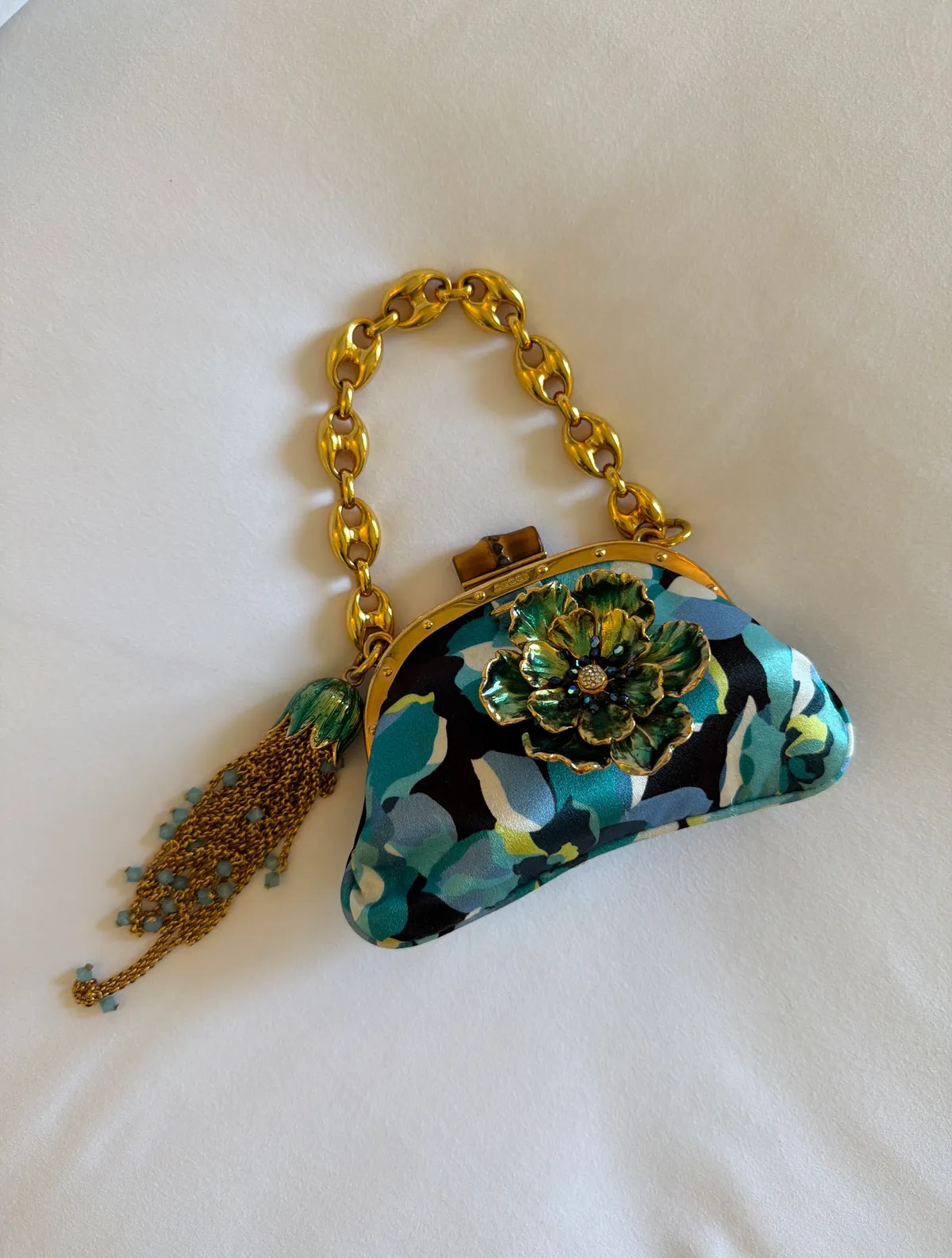
What Made Gucci SS 2006 So Special?
Looking back, SS 2006 feels like a collection caught between two versions of Gucci.
There was still plenty of the house's inherent glamour and sensuality, but Giannini was beginning to redirect it. The collection embraced a more feminine wardrobe without becoming overly prim, using silk, florals, color, and fluid shapes to create a different kind of allure.
That tension is what makes the collection so interesting today.
It wasn't a complete rejection of the Gucci that came before it. Instead, Giannini took some of the house's most recognizable codes and softened them. The result was a Gucci that felt more romantic and wearable, while still retaining the sense of fantasy that makes luxury fashion exciting.
And accessories were central to that transformation.
Coming from Gucci's accessories division, Giannini understood that a handbag could carry an entire idea. Her Gucci wasn't only about the runway silhouette; it was about the objects people would actually want to hold, collect, and recognize years later.
The blue floral pochette is a perfect example.
The New Gucci Girl
If Tom Ford's Gucci girl walked into a room like she owned it, Giannini's was perhaps more likely to arrive with flowers in hand.
She was still glamorous. Still dressed for attention. Still very much a Gucci woman.
But the mood had changed.
There was something more romantic and nostalgic about her — a fascination with femininity, vintage references, and the decorative codes buried inside Gucci's history. The flower became more than a print; it became a symbol of this new direction.
Nearly two decades later, that makes this little pochette feel surprisingly significant.
It's easy to look at it simply as a pretty vintage Gucci bag. But look a little closer and it becomes a snapshot of a house reinventing itself: Tom Ford's Gucci girl was giving way to Frida Giannini's floral one.
And honestly, we're always going to have a soft spot for the flower.
The Gucci SS 2006 Blue Floral Silk Pochette is currently available in our NYC showroom.
→ Book a private showroom appointment
About Into Archive
Into Archive is a New York-based luxury archive specializing in rare, collectible, and historically significant fashion. Our collection spans decades of iconic designers, runway pieces, accessories, and hard-to-find vintage treasures, with an ever-growing selection of pieces available for sale, rental, and editorial styling.
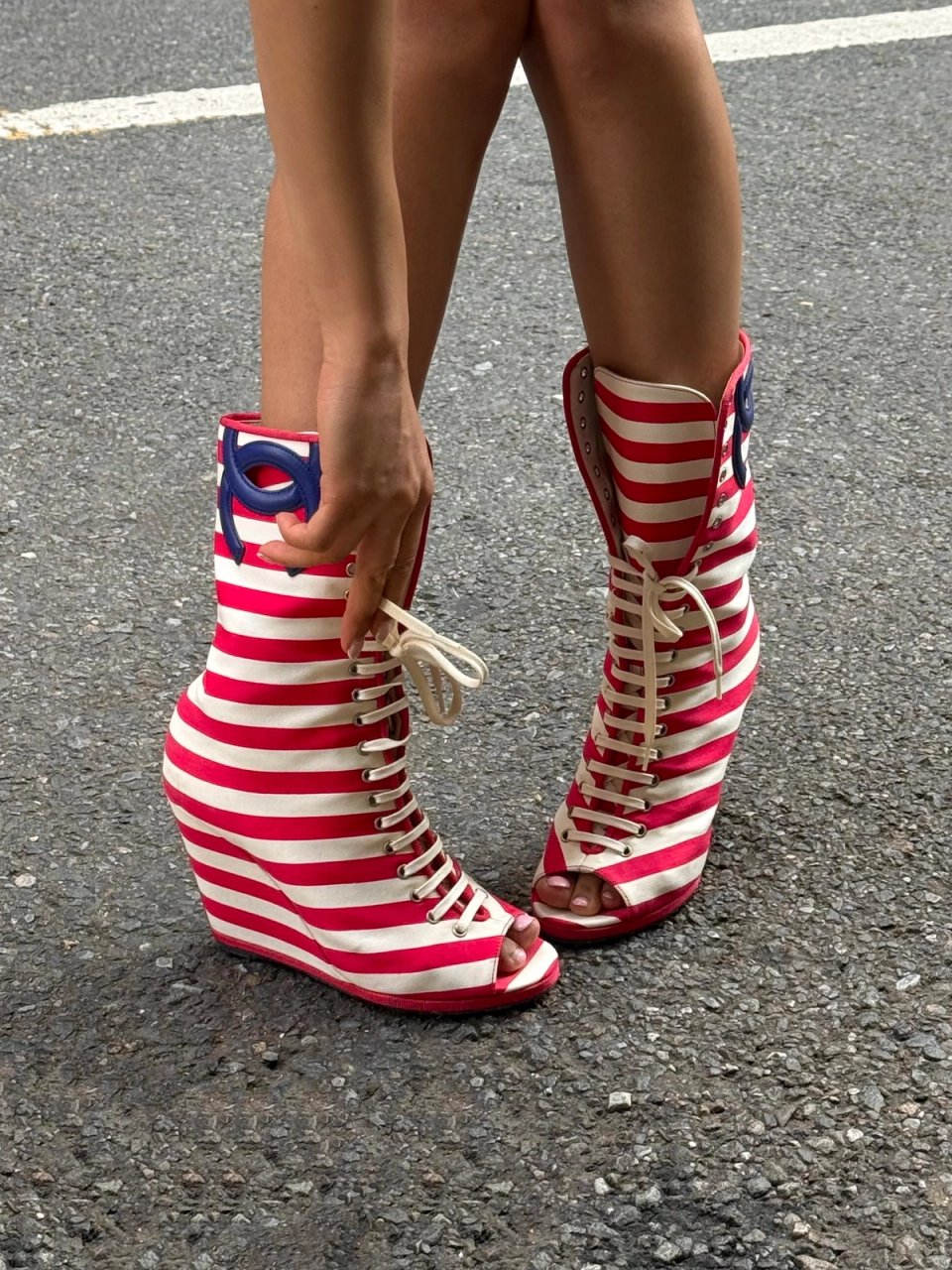
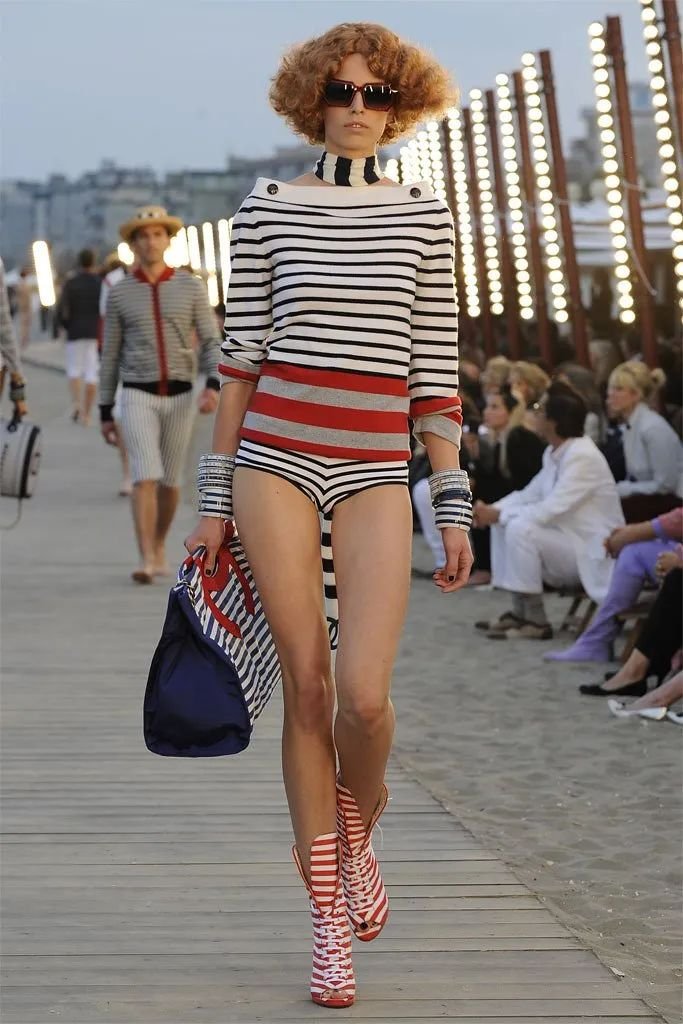
Red, White & Très Chanel: An Ode to Chanel Cruise 2010
From the French Riviera to the New York City showroom, Chanel's red-and-white striped Cruise 2010 wedges capture the playful, sun-soaked spirit of Karl Lagerfeld-era Chanel—and prove that the right archive piece never really goes out of style.
There are some fashion pieces that feel instantly tied to a particular moment. Then there are the pieces that somehow manage to escape it entirely. Chanel’s red-and-white striped wedges from Cruise 2010 belong firmly in the latter category.
With their graphic stripes, towering wedge silhouette, and unmistakable Chanel attitude, the shoes are a perfect snapshot of the house’s Cruise-era escapism. They feel like they belong somewhere between a Riviera holiday, a late-afternoon apéritif, and the pages of a 2010s fashion editorial—and yet, more than a decade later, they look just as relevant.
Now available to view at the Into Archive NYC showroom, the wedges are a reminder of why archival Chanel continues to command attention: the best pieces don't simply document fashion history. They keep participating in it.
The Chanel Cruise Fantasy
Cruise collections have always been about fantasy. Designed to bridge the gap between seasons, they offer designers an opportunity to imagine a particular destination, lifestyle, or mood—and Chanel has historically been especially good at turning that fantasy into a full visual world.
For Cruise 2010, Karl Lagerfeld leaned into the kind of polished escapism that made Chanel's resort collections so desirable. The collection played with seaside references, graphic patterns, and the effortless glamour associated with the French Riviera.
The red-and-white striped wedges distill that mood into a single shoe.
The stripes immediately evoke deck chairs, beach umbrellas, nautical uniforms, and vintage Riviera imagery, while the exaggerated wedge gives the look a distinctly fashion-forward edge. It is playful without being novelty, and glamorous without taking itself too seriously.
That balance is very Chanel.
Why the Stripes Still Work
Stripes are one of fashion's most enduring visual languages. They can be nautical, preppy, punk, minimalist, or distinctly Parisian depending on how they're styled.
Chanel has returned to stripes in countless forms throughout its history, making the motif feel almost inseparable from the house's visual vocabulary.
What makes these wedges particularly compelling is the combination of red, white, and black. The palette feels unmistakably Chanel while also giving the shoe the graphic quality of a vintage postcard.
The result is a statement shoe that can carry an entire outfit.
Pair them with denim and a simple white tank for a more casual Riviera reference, or let them do the talking with a minimalist black dress. Either way, the shoes bring an immediate sense of character.
The Wedge, Reconsidered
The wedge has had its share of fashion lives.
From the cork-soled styles of the 1940s to the sky-high platforms of the 1970s and the ubiquitous wedge sneakers of the 2010s, the silhouette repeatedly returns whenever fashion starts craving something a little more exaggerated.
Chanel's Cruise 2010 version feels particularly interesting today because it sits somewhere between classic espadrille dressing and the maximalist footwear that defined much of the late-2000s and early-2010s.
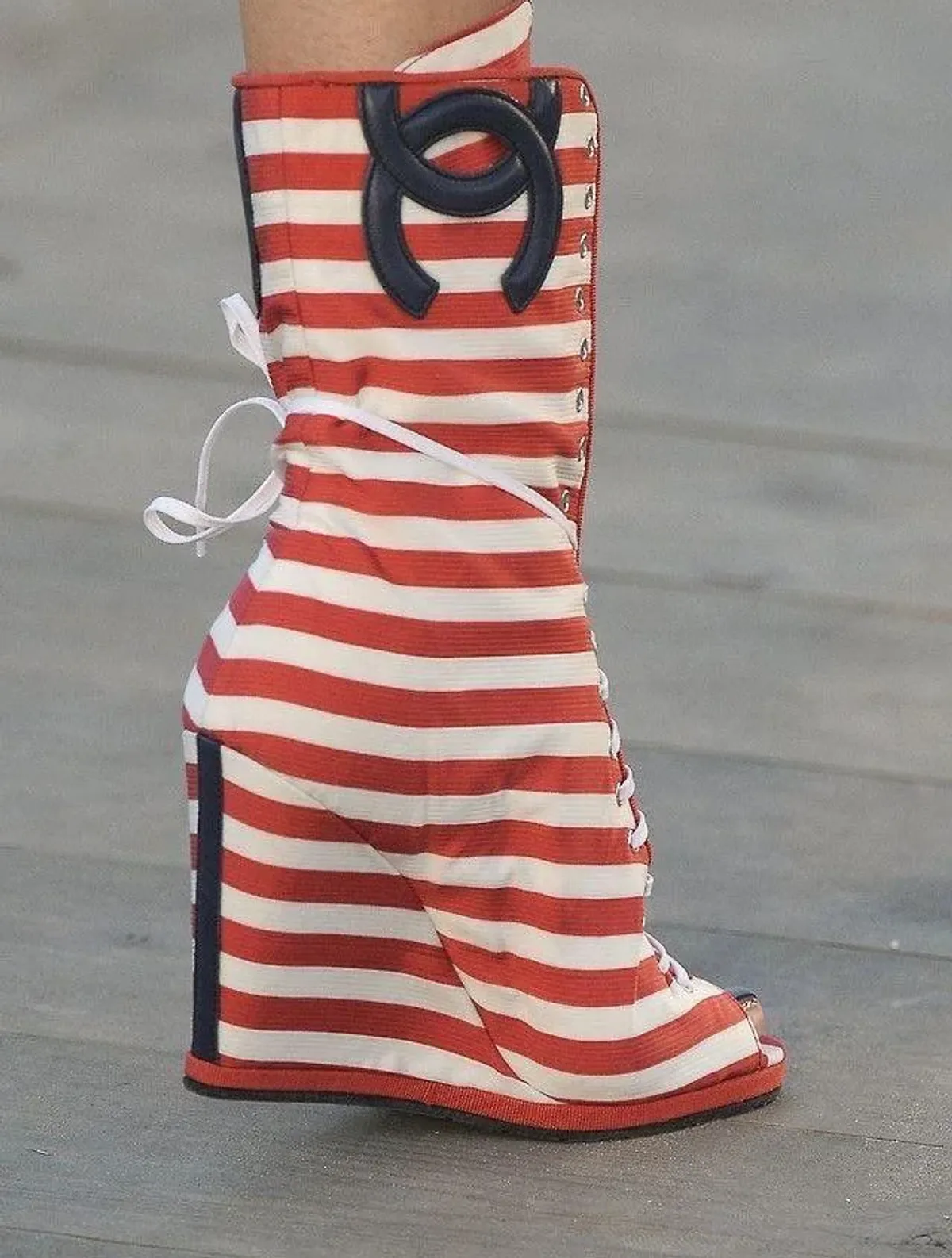
There is height, color, pattern, and branding—but none of it feels excessive. Instead, the proportions make the shoe feel almost sculptural.
And that is exactly what makes an archival shoe worth revisiting.
Why We’re Into It Now
Fashion's current obsession with archival dressing has made pieces from the late 1990s and 2000s increasingly relevant. But the appeal isn't simply nostalgia.
The best archival pieces offer something that contemporary fashion can sometimes struggle to replicate: a sense of history.
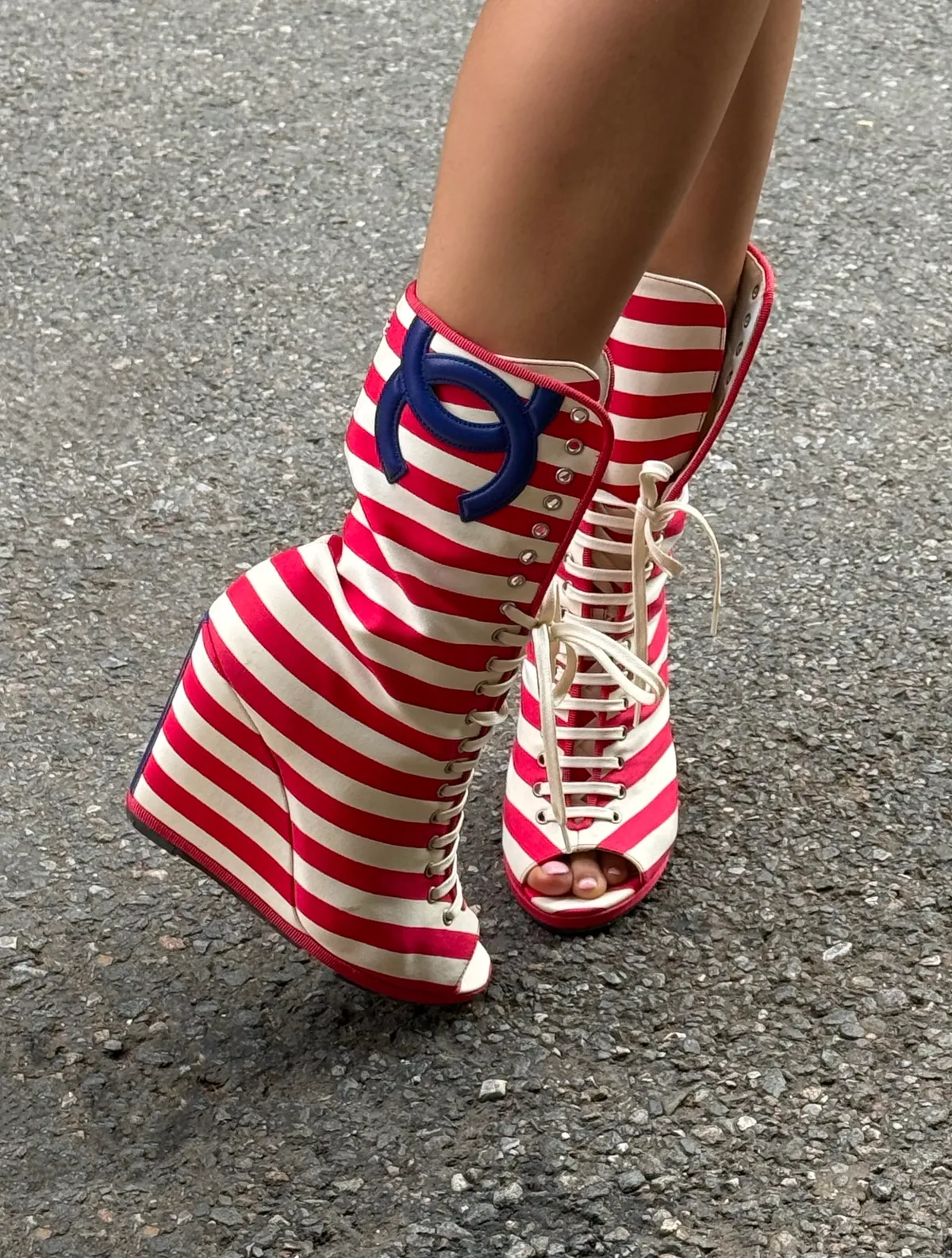
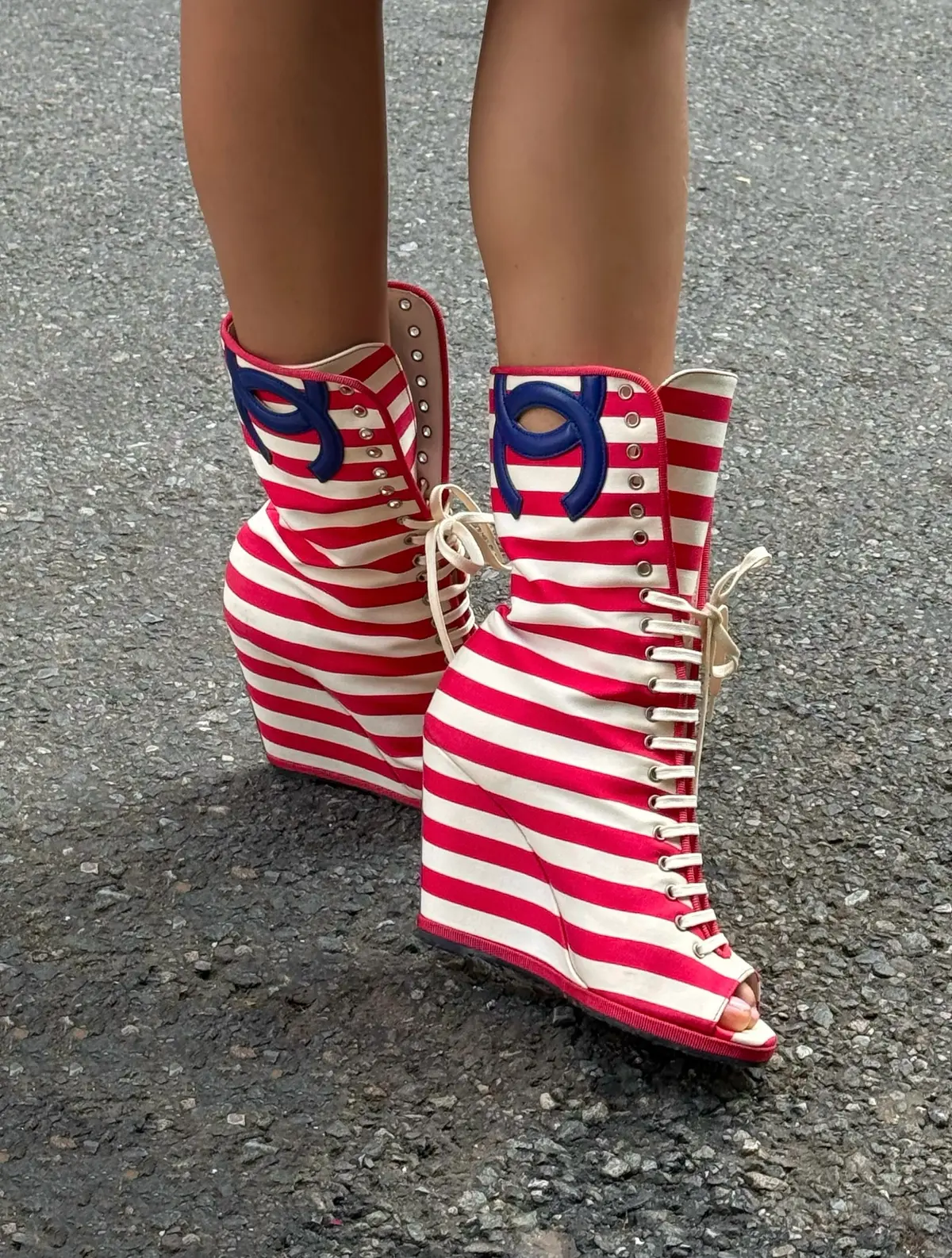
The Chanel Cruise 2010 wedges already have a story. They belong to a specific collection, a specific era of Chanel, and a specific vision of resort dressing under Karl Lagerfeld. Wearing them today adds another chapter.
That is the appeal of collecting fashion history. An archival piece isn't frozen in time—it gets reinterpreted every time someone wears it.
And in an era where personal style is increasingly about finding something unexpected, a pair of nearly two-decade-old Chanel wedges can feel far more exciting than something brand new.
A Little Riviera, Anywhere
You don't necessarily need to be in Saint-Tropez to dress like you're headed there.
That's perhaps the enduring appeal of Cruise fashion. It is aspirational, but it is also incredibly wearable. The fantasy can be transported anywhere.
These Chanel wedges bring that feeling with them. The red-and-white stripes add instant summer energy, while the Chanel construction and silhouette keep them firmly rooted in luxury fashion.
They're nostalgic without feeling costume-y, statement-making without requiring an entire look built around them.
In other words: they're very Chanel.
So, What Does This Mean for Fashion?
The enduring appeal of Chanel Cruise 2010 is a reminder that good design has a much longer shelf life than the season it was created for.
The red-and-white striped wedges were designed for a resort fantasy more than fifteen years ago. Today, they read as archival, collectible, and surprisingly current.
That is what makes archival fashion so exciting. Trends may come and go, but the pieces with personality keep finding new lives.
And sometimes, all it takes is a great pair of wedges to bring the Riviera back.
See Them in NYC
The Chanel Cruise 2010 red-and-white striped wedges are currently available to view at the Into Archive NYC showroom.
What We’re Into: Who’s Hot, Who’s Not & Who Just Made $27M
From Chanel’s continued reign to The Devil Wears Prada 2 putting fashion archives back on the auction block, here’s what’s driving fashion, retail, and digital commerce right now.
Fashion’s current mood is a strange mix of old and new. Luxury houses are battling for cultural relevance, sports merchandise is becoming legitimate fashion currency, archival pieces are heading to auction, and AI is quietly changing the way shoppers discover what they want.
In other words: the fashion industry is still obsessed with the past — but the way we shop for it is getting very futuristic.
Here’s what we’re into this week.
Chanel Is Still That Girl
According to the latest Lyst Index, Chanel continues to dominate the luxury conversation, while Miu Miu remains firmly in the upper tier of fashion’s most desirable brands. The bigger story, however, is how much the definition of “hot” is changing.
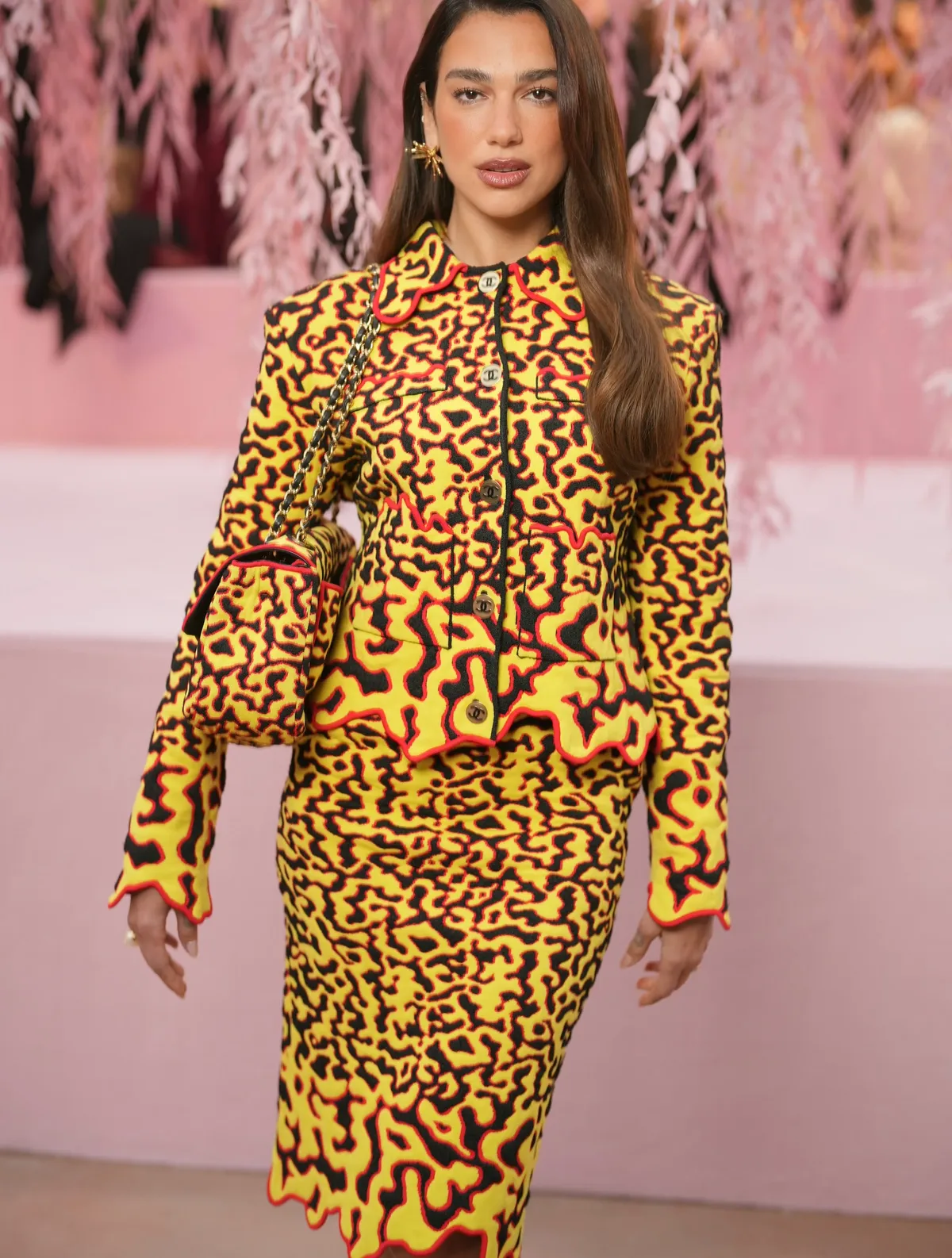
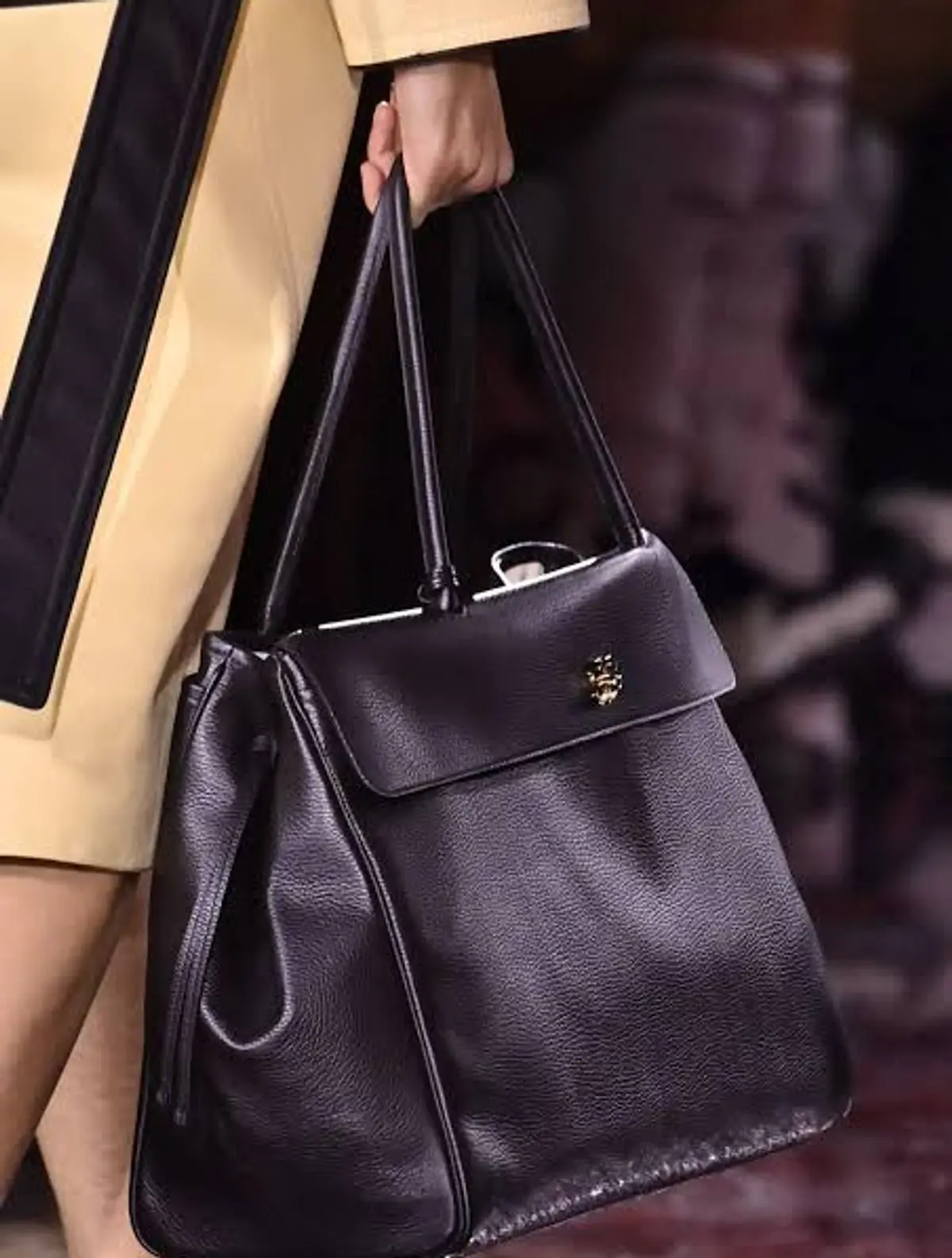
Lyst’s 2026 methodology looks beyond traditional search behavior, incorporating measures of desire, demand, and discovery to understand how brands are actually performing across fashion’s increasingly fragmented digital ecosystem.
And that matters because fashion attention is no longer generated by runway shows alone.
Chanel’s continued strength is a reminder that heritage still has enormous commercial power when it can be translated into something people actually want to wear. Searches for Chanel sunglasses, in particular, have helped keep the house at the center of consumer attention.
Meanwhile, Miu Miu continues to prove that the Prada-owned label has become one of fashion’s most reliable engines of desirability. Its appeal isn't dependent on one microtrend — it has become a visual language of its own.
The sleeper hit? Massimo Dutti.
The Inditex-owned brand made one of the biggest jumps in the ranking, climbing eight places into the Top 10.
Its rise makes sense. Mediterranean dressing, resort wardrobes, relaxed tailoring, leather accessories, and celebrity vacation dressing have all become increasingly influential online. Massimo Dutti sits directly in that sweet spot between aspirational luxury and attainable fashion.
It’s another sign that consumers don't necessarily need a four-figure price tag to participate in the luxury aesthetic.
The Hottest Fashion Accessory Might Be… a Knicks Cap
If you thought fashion's obsession with sports was fading, think again.
The New York Knicks cap landed at the top of Lyst's hottest products, proving that sports merchandise has officially moved beyond the stadium and into the fashion ecosystem.
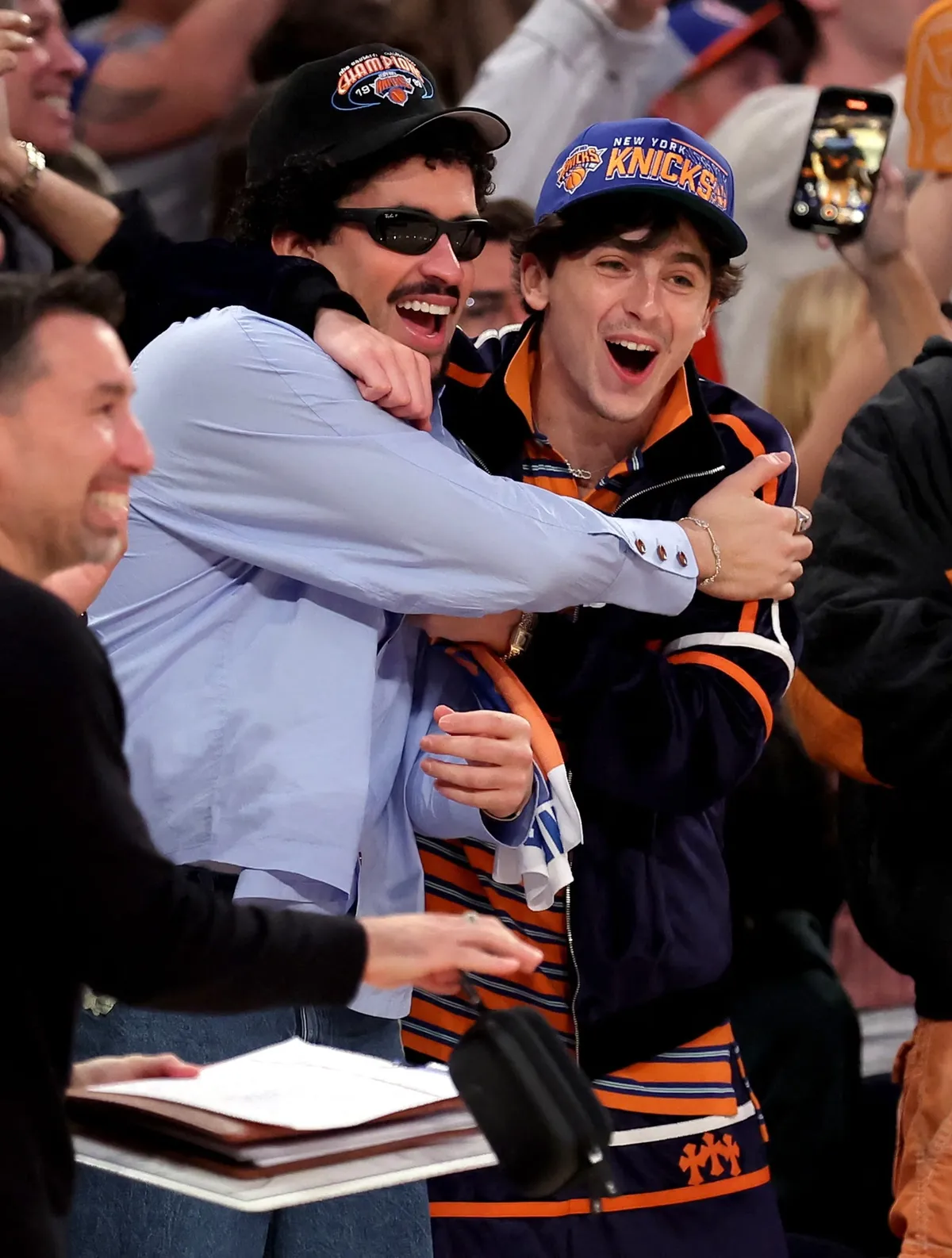
This is particularly interesting for vintage and archival retailers. A sports item doesn't need to be traditionally “fashion” to become collectible. What matters is cultural relevance — and right now, sports, music, celebrity, and fashion are operating in essentially the same ecosystem.
Summer footwear is following the same logic. Jelly shoes, open-toe silhouettes, and statement heels are all benefiting from the current appetite for accessories that photograph well and immediately communicate a point of view.
Basically: if it looks good in a vacation photo, it has a chance.
The Devil Wears Prada 2 Is About to Send Everyone Back to the Archives
There may be no better example of fashion nostalgia becoming commerce than Christie's upcoming The Devil Wears Prada 2 auction.
From September 1 through 15, Christie's will host an online sale featuring screen-worn fashion and accessories connected to the film. The auction includes pieces worn by Meryl Streep, Anne Hathaway, Emily Blunt, Stanley Tucci, Simone Ashley, and Lady Gaga, with proceeds benefiting the Committee to Protect Journalists and the Council of Fashion Designers of America.
And yes, the clothes are exactly as good as you'd expect.
Highlights include Miranda Priestly's Dries Van Noten tassel jacket, a Schiaparelli blazer, prototype Valentino Rockstud pumps, Emily's Tiffany & Co. Elsa Peretti Bone Cuff, and the Gabriela Hearst dress worn by Anne Hathaway's Andy Sachs — complete with the food stain from the film.
The auction isn't just happening online, either. Christie's will host a free public exhibition at its Rockefeller Plaza headquarters from September 8 through 13, conveniently landing in the middle of New York Fashion Week.
And that's where this gets particularly interesting for the vintage market.
A major fashion film doesn't just sell movie costumes. It creates a search behavior.
Suddenly, people who haven't thought about Dries Van Noten, Schiaparelli, Elsa Peretti, or early-2000s corporate dressing in years are searching for them again. Editorial coverage creates curiosity; social media turns that curiosity into inspiration; resale platforms turn inspiration into transactions.
The archive doesn't need to be new to feel new again.
Rhode Just Proved That Community Is a Commerce Strategy
On the beauty side, Rhode continues to demonstrate the enormous commercial power of founder-led, community-first DTC.
The brand reportedly generated $27 million in sales in a single day around its summer drop, bringing in roughly 90,000 new customers, with a significant share of buyers returning for additional purchases.
The number is impressive, but the more interesting takeaway is what it says about modern product launches.
Rhode doesn't operate like a traditional beauty company waiting for consumers to discover a product on a department-store shelf. Its launches function more like internet events.
There is anticipation. There is scarcity. There is social content. There is community participation. And then there is the drop.
That same formula is increasingly relevant to fashion resale: the product itself is only half of the experience. The other half is making people feel like they discovered something at exactly the right moment.
Shopify Wants AI to Become the New Storefront
The next major shift is happening before a customer even reaches a website.
Shopify reported 34% year-over-year revenue growth in Q1 2026, with merchants generating more than $100 billion in quarterly GMV. The company has also been aggressively positioning itself around AI-powered commerce and discovery.
AI-driven traffic to Shopify stores increased sharply during the quarter, while AI-attributed orders grew even faster, pointing toward a major change in how consumers are discovering products.
Translation: the future customer may not start by Googling “vintage Dior bag.”
They might ask an AI assistant:
“Where can I find a 2000s Dior bag that looks like something Carrie Bradshaw would wear?”
And suddenly, product descriptions, metadata, imagery, editorial content, and searchable archives matter in an entirely new way.
For vintage retailers, this is huge.
The more context a product has — designer, year, collection, color, material, celebrity associations, runway references, styling possibilities — the easier it becomes for both humans and AI systems to understand why that product is relevant.
SEO is no longer just about ranking for keywords.
It's about becoming the answer.
Whatnot Is Betting Big on Live Shopping
And then there's Whatnot.
The live-shopping platform has raised $545 million at a $20 billion valuation, nearly doubling its previous valuation. Its business model combines livestreaming, community, auctions, and commerce — particularly across collectibles, fashion, sneakers, and other highly engaged categories.
The scale is notable. Whatnot's gross merchandise volume surpassed $8 billion in the first half of 2026, already exceeding its total for 2025, while its buyer base has more than doubled.
The bigger story is that investors are still willing to put enormous amounts of money behind human-led commerce.
While much of Silicon Valley is racing toward fully automated shopping experiences, Whatnot is betting on the opposite instinct: watching a person discover, explain, model, auction, and sell something in real time.
For vintage fashion, that format makes obvious sense.
A rare piece is more exciting when someone tells you why it's rare.
A 2001 Galliano dress becomes more compelling when you see it on a body.
A vintage Chanel bag becomes more desirable when someone explains the collection, hardware, provenance, and styling history.
Live commerce turns product knowledge into entertainment — and entertainment into conversion.
So, What Does This Mean for Fashion?
The biggest trend across all of these stories isn't actually Chanel, Rhode, AI, or Whatnot.
It's discovery.
Consumers are increasingly buying things because they discovered a story, a person, a reference, or a cultural moment first.
Chanel wins because its codes remain recognizable.
Miu Miu wins because its aesthetic travels effortlessly across social media.
Massimo Dutti wins because resort dressing has become a digital fantasy.
The Devil Wears Prada 2 wins because nostalgia makes archival fashion feel culturally urgent again.
Rhode wins because its community turns product launches into events.
Shopify is investing in AI because discovery is moving away from traditional search.
And Whatnot wins because watching someone discover something can be just as compelling as discovering it yourself.
For the vintage and archival market, that's a pretty exciting place to be.
Because the next big thing doesn't necessarily have to be new.
It just has to be discovered again.
→ Book a private showroom appointment
About Into Archive
Into Archive is a New York-based archival fashion showroom specializing in rare and collectible designer pieces from fashion’s most influential eras. Our collection features vintage and archival garments from designers including Dior, Prada, Chanel, Jean Paul Gaultier, Vivienne Westwood, and more.