Why Your Vintage Python Boots Might Get Stuck at Customs

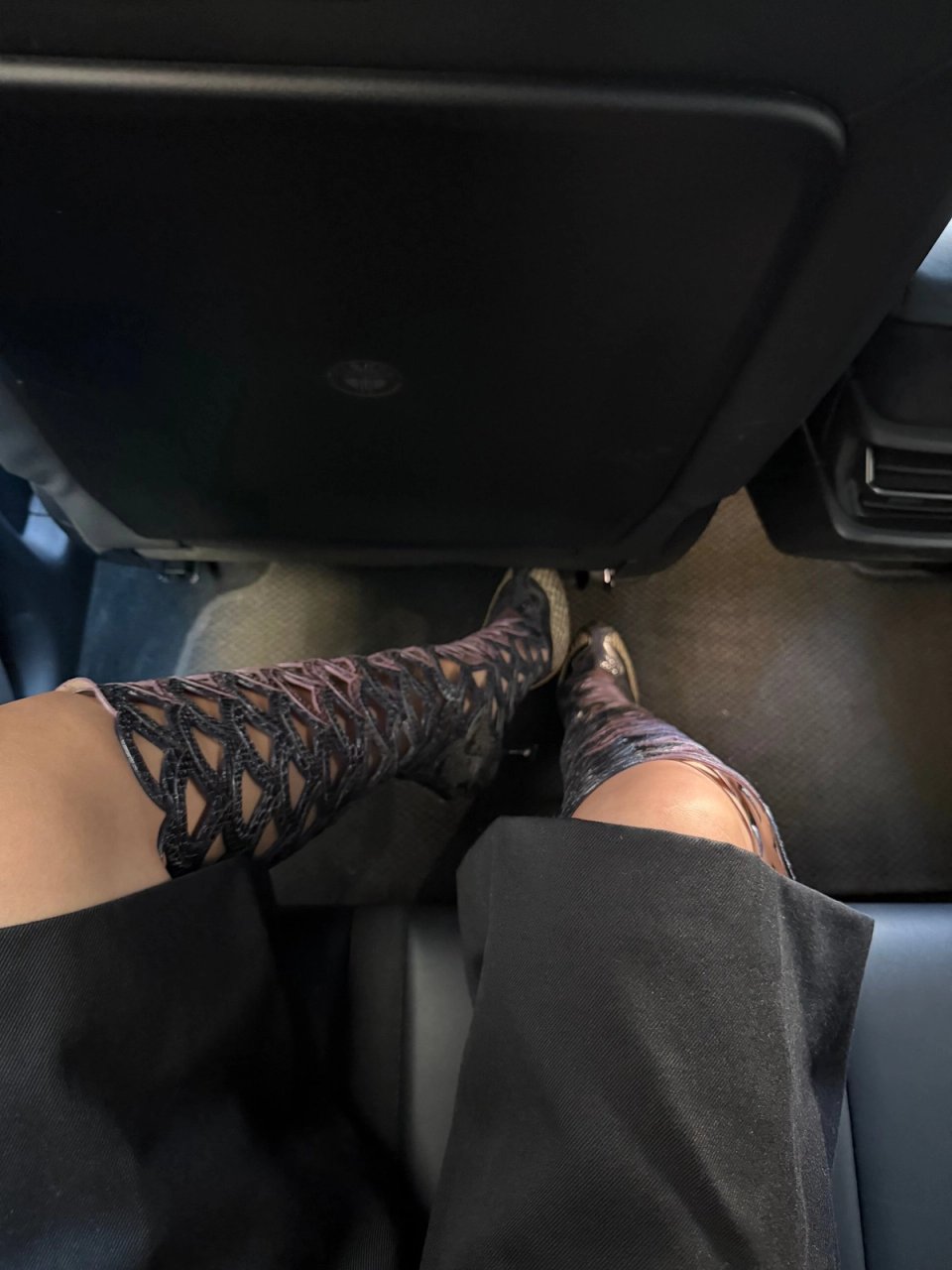
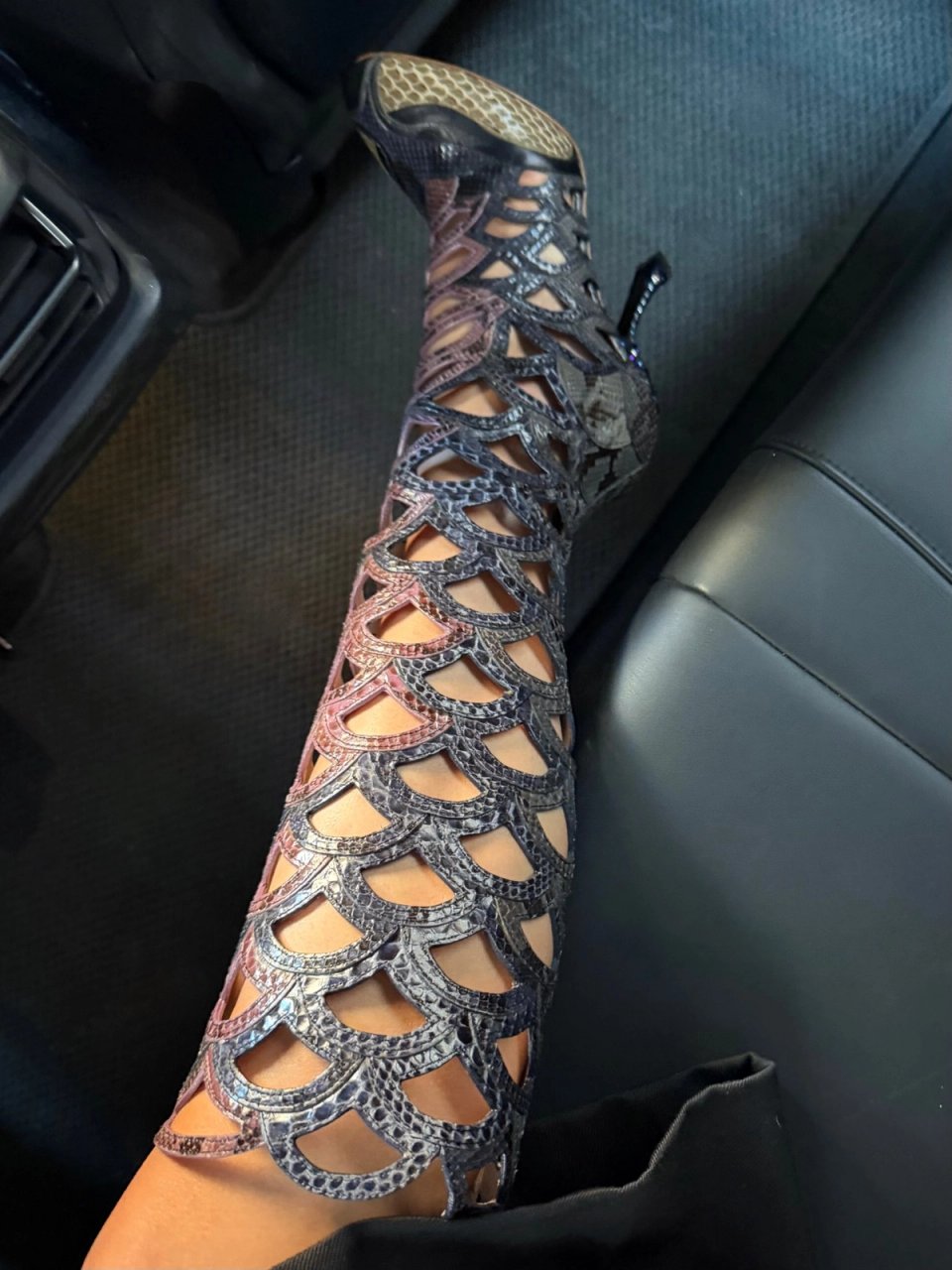
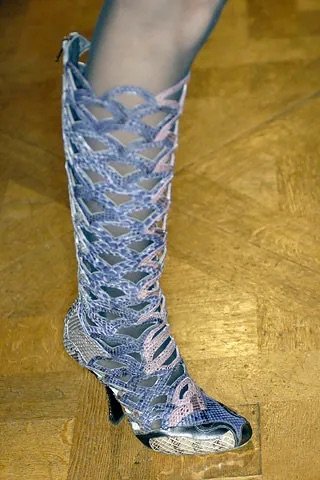
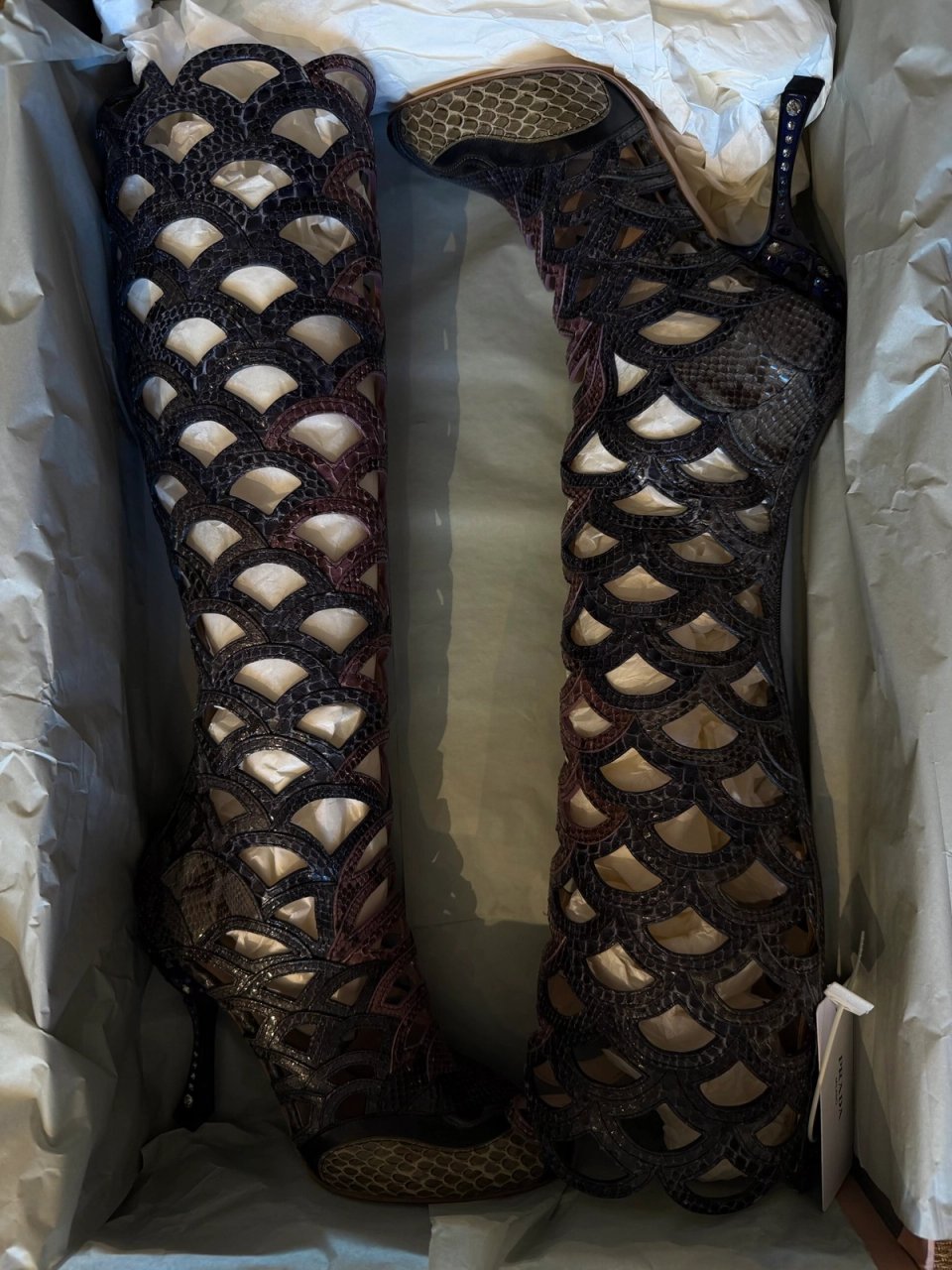
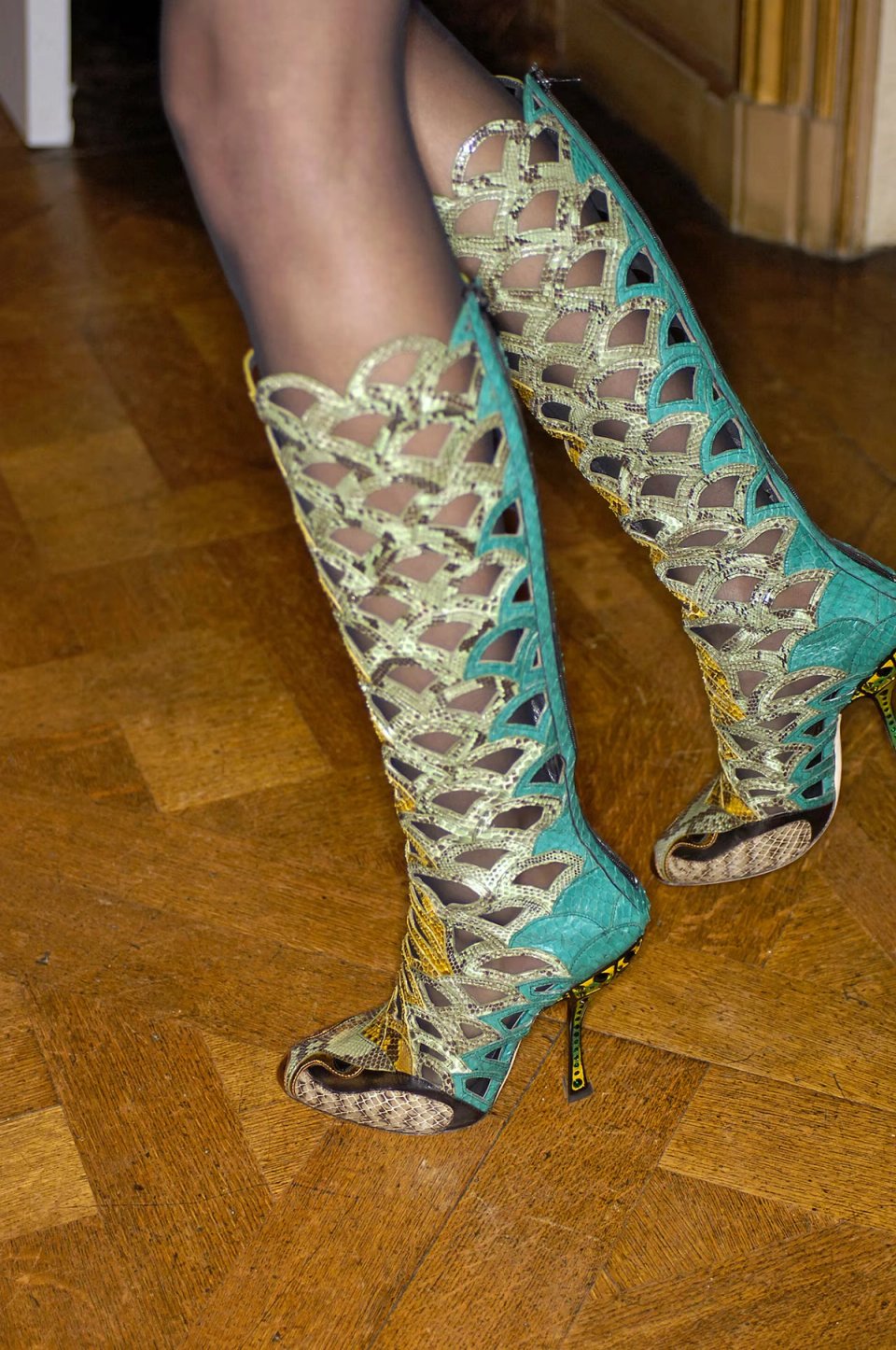
It’s the digital equivalent of striking gold: scrolling through a blurry archival listing and realizing you’ve found the "One." The Miu Miu Fall/Winter 2005 scalloped python boots aren't just footwear; they are a holy grail of mid-aughts maximalism. With their intricate, laser-cut lattice work and that unmistakable, dangerous texture of genuine python, they represent Miuccia Prada at her most subversive—turning cold, reptilian scales into a provocative, second-skin masterpiece. But as you hover your cursor over the "Buy Now" button on that international shop, a cold reality sets in. Between you and your archival obsession stands a gatekeeper more formidable than any waitlist: International Customs.
The Archival Allure of Miu Miu FW05
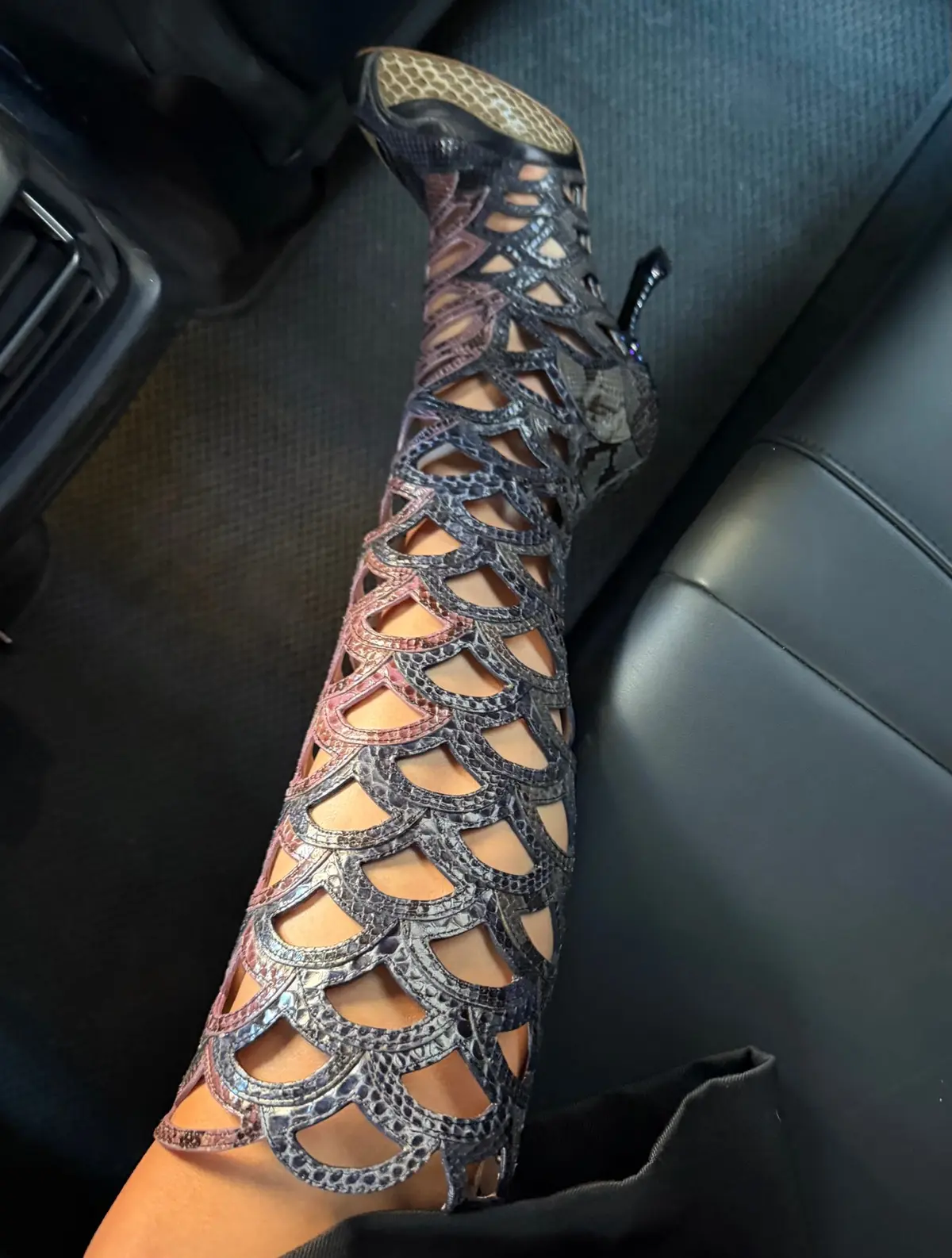
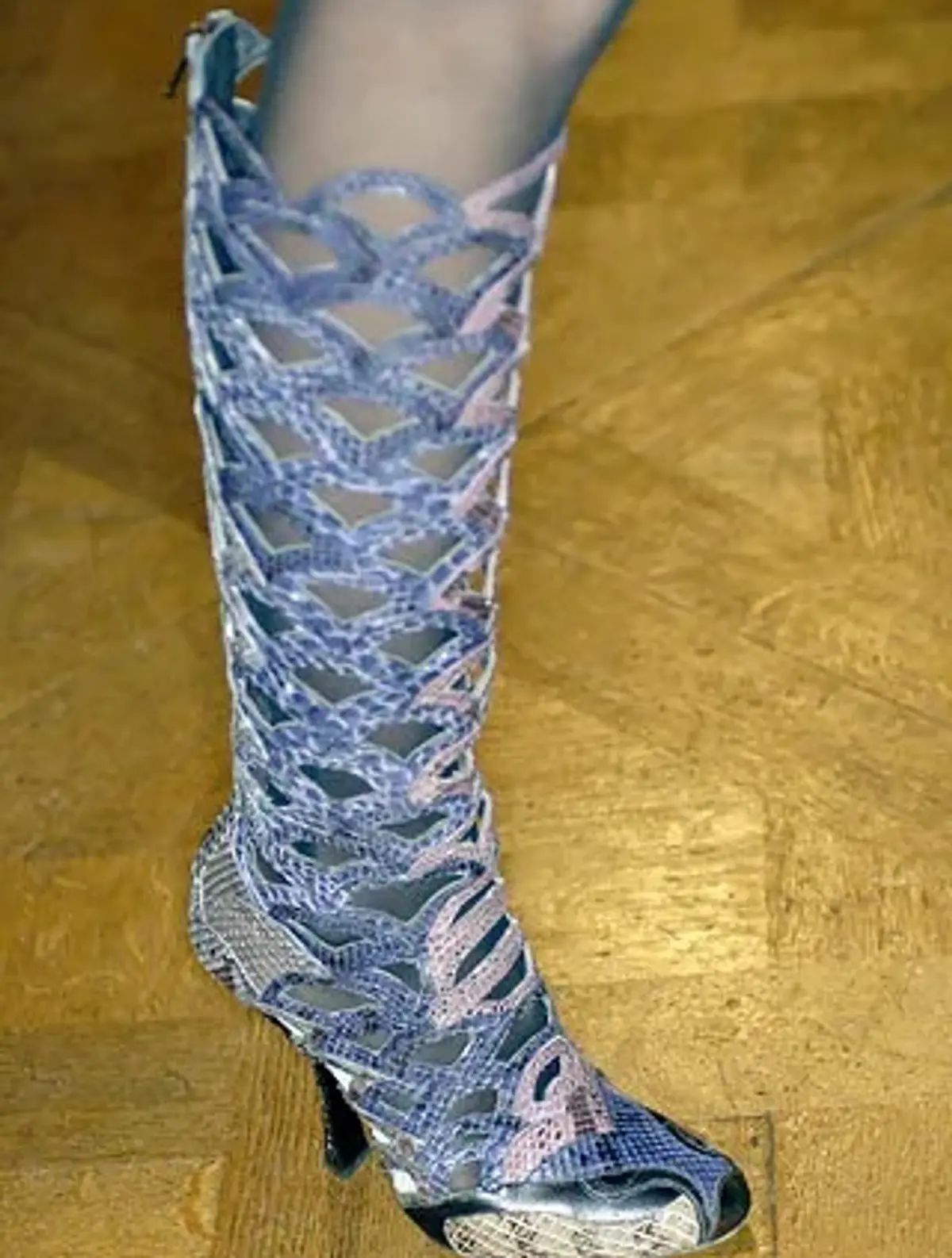
To understand why these boots are such a trophy for collectors, we have to look back at the Miu Miu Fall 2005 runway. This collection was a masterclass in "Victorian-punk" subversion. While the main Prada line was exploring structural sobriety, Miu Miu was experimenting with raw textures, cut-outs, and dark romanticism. These specific boots were the standout accessory of the season, defined by a meticulously laser-cut "scallop" pattern that mimics the natural scales of the snake while revealing the leg underneath.
The craftsmanship required to execute this in genuine python is immense. Python skin is naturally supple but incredibly durable; however, the lattice-work makes the material delicate. When you find a pair in 2026 that hasn't stretched or cracked at the joints, you are looking at a piece of fashion history that has been cared for like a museum artifact.

The Material Science of Python Leather
Unlike calfskin or lambskin, python leather is an "exotic" material that reacts differently to its environment. The texture is composed of individual scales that can lift, dry out, or become brittle if stored in low humidity. This is why vintage python is such a gamble. A pair of archival Miu Miu boots from twenty years ago might look perfect in a photo, but if the leather hasn't been properly conditioned with specialist exotic creams, the first time you flex your foot, the scales could snap.
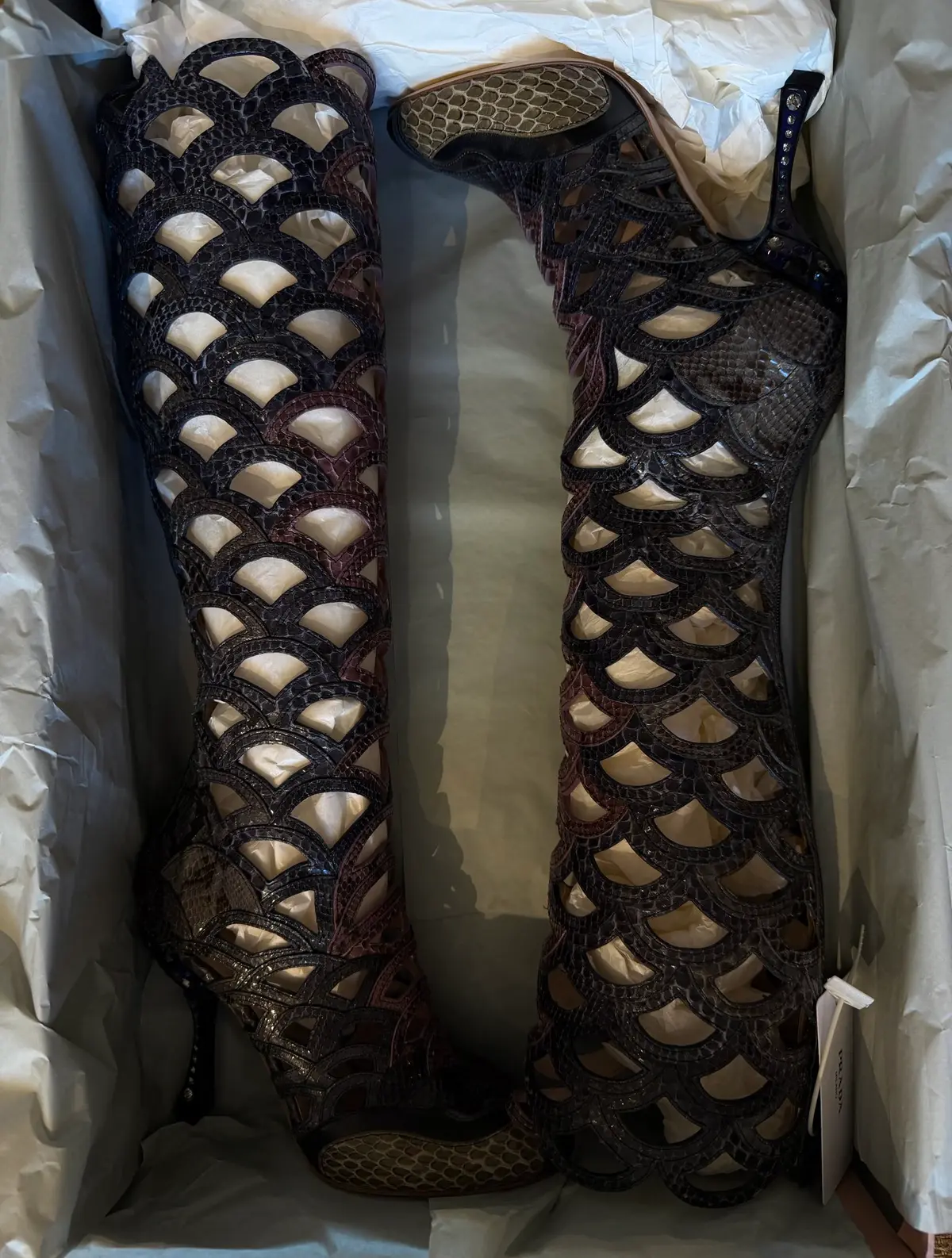
From an SEO and value perspective, "natural" python (the black, grey, and cream variety seen in your photos) is often more coveted than dyed versions. It showcases the biological geometry of the animal, making every single boot a "one-of-one" creation. No two python patterns are identical, which adds a layer of exclusivity that synthetic "snake-print" leather simply cannot replicate.
The Customs Crisis: Understanding CITES
Now, we get to the reason your dream purchase might end up in a government warehouse. Most luxury collectors have heard of CITES (the Convention on International Trade in Endangered Species of Wild Fauna and Flora). Because python is a protected species, these boots are treated with the same legal scrutiny as a modern exotic handbag or a piece of ivory. Even if your boots were manufactured over twenty years ago, they are still subject to strict international trade regulations.
When you move these across a border—say, from a seller in London to a buyer in New York—you are technically required to have a CITES Re-export Certificate. This document acts as a passport for the leather, proving it was sourced legally and is being traded according to international law. Without this specific paperwork, customs agents have the authority to seize the item. In many heartbreaking cases, because the "illegal" import of protected species is a felony in some jurisdictions, the boots are simply destroyed rather than returned to the seller.
The California Ban and Regional Restrictions
The complication deepens depending on where you call home. If you live in California, for instance, the laws are notoriously rigid. As of 2026, the state continues to enforce a strict ban on the import and sale of python products. This means that even if you find a pair of Miu Miu boots within the United States, if they have to cross the California state line, the transaction is technically illegal. Many major resale platforms have built-in geofencing that won't even let you see listings for exotic skins if your shipping address is in a restricted zone.
How to Safely Shop for Archival Python
If you’ve set your heart on these 2005 masterpieces, the smartest path forward is to shop domestically whenever possible. Buying within your own country—or within the EU trade zone if you are in Europe—eliminates the border check entirely. If you must buy from abroad, you should only deal with professional archive sellers who can provide original documentation or an export permit.
Some sellers might suggest marking the package as a "gift" or "used shoes" to bypass inspection. You should be extremely wary of this. Customs agents are specifically trained to recognize the distinct, three-dimensional grain of python. Once a package is flagged and the material is identified as an undocumented exotic skin, there is very little a buyer can do to get it back.

Preserving the Legacy
Once you actually have the boots in your hands, the work doesn't stop. These are twenty-year-old skins. To ensure they last another two decades, avoid direct sunlight, which can bleach the natural pigments, and store them with high-quality boot trees to prevent the scalloped cut-outs from collapsing. By respecting both the legalities and the leather itself, you ensure that this piece of Miu Miu history remains a centerpiece of your wardrobe rather than a cautionary tale.
You can view all pieces at our NYC showroom. Book an appointment HERE.