The Ultimate 2000s Status Symbol Was a Skull-Print Scarf


Before logo-covered handbags became the ultimate fashion flex, there was a much smaller, much more rebellious status symbol: a silk scarf covered in tiny skulls.
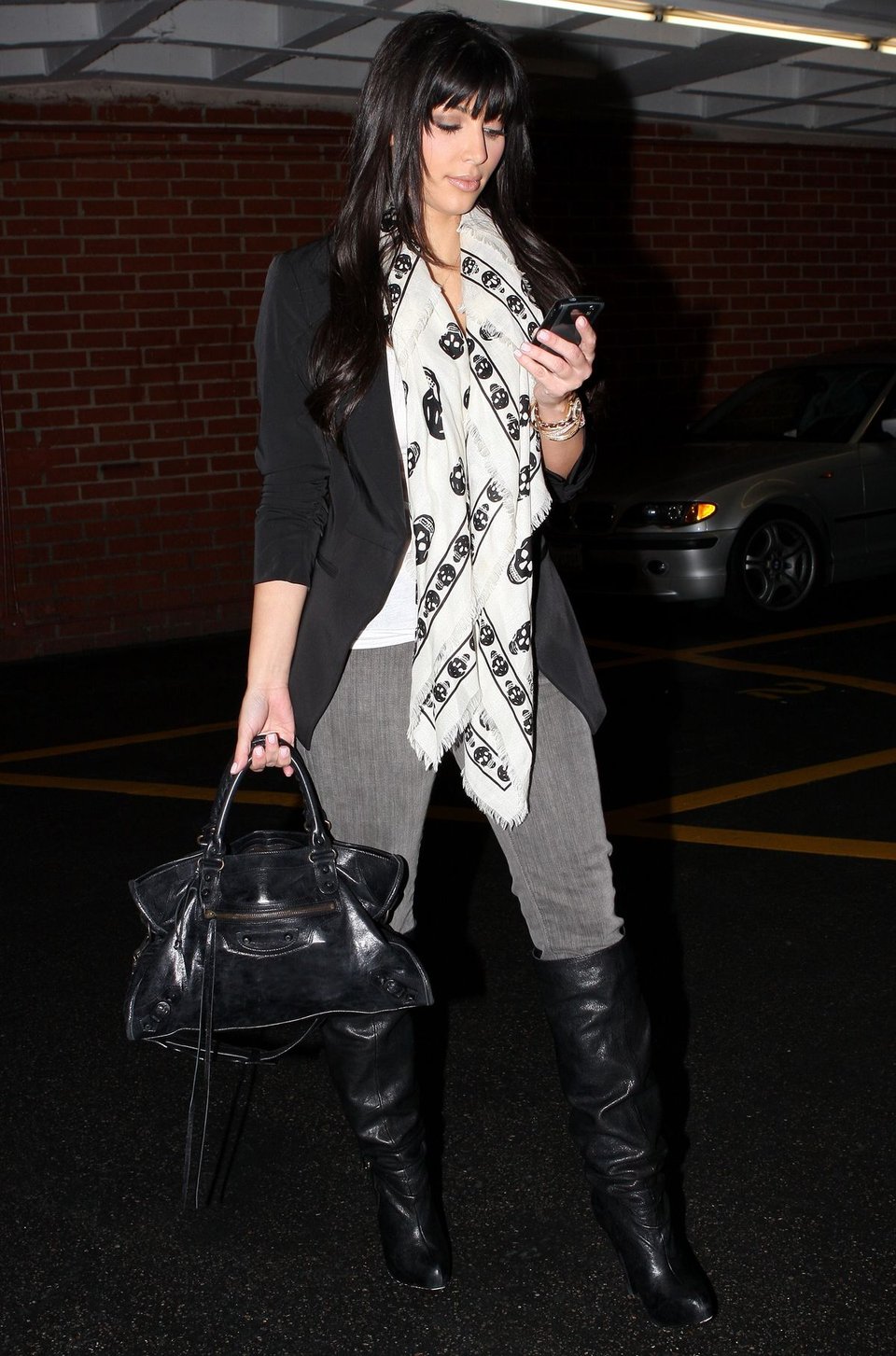
If you were paying attention to fashion in the mid-2000s, chances are you remember it. Draped around the neck, knotted over a leather jacket, or tied to the handles of an oversized Balenciaga City bag, the Alexander McQueen skull scarf was practically a uniform for the decade's fashion girls. It was worn by Kate Moss, Kim Kardashian, Nicole Richie, and the Olsen twins, becoming one of those rare designer accessories that could be recognized from across the street.
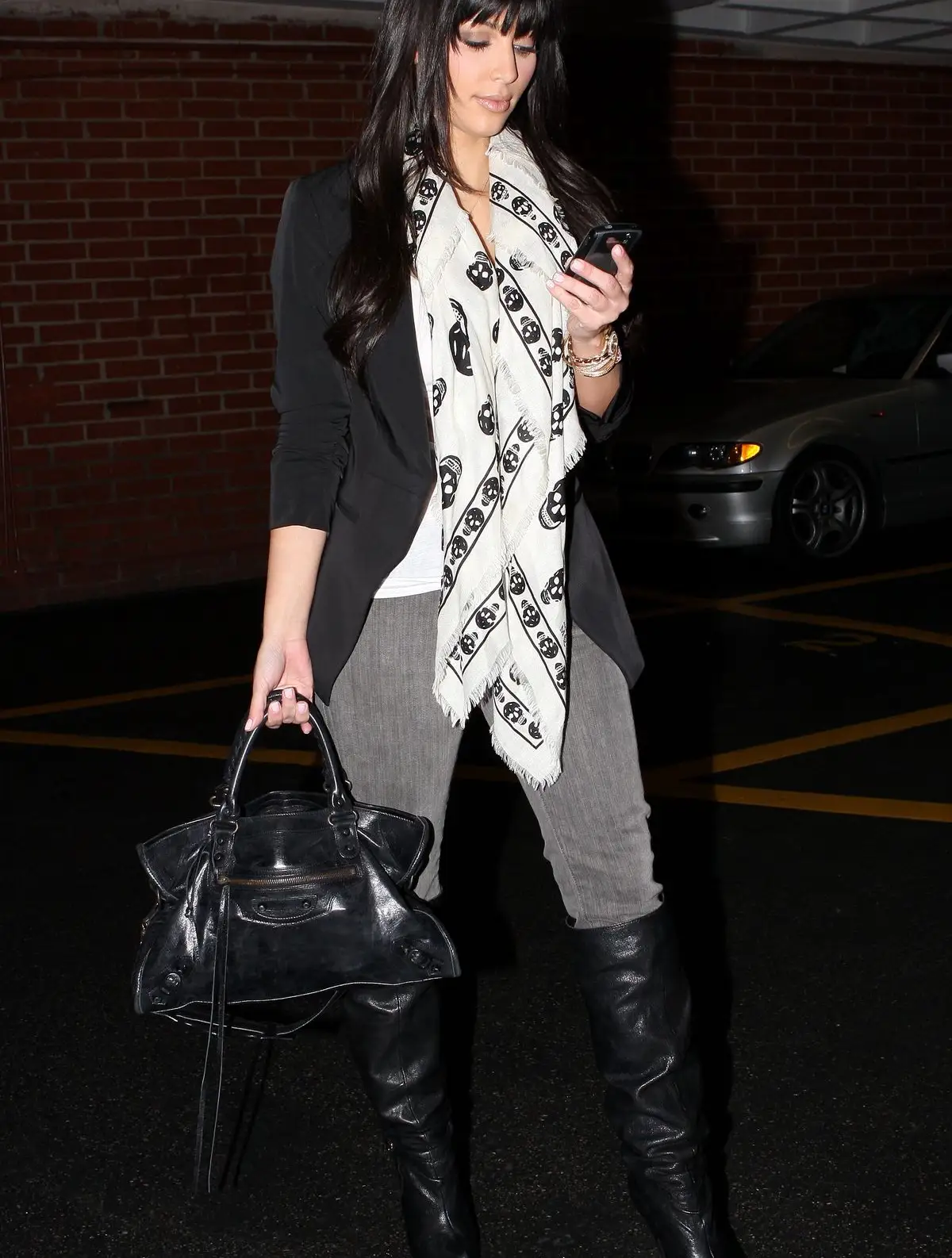
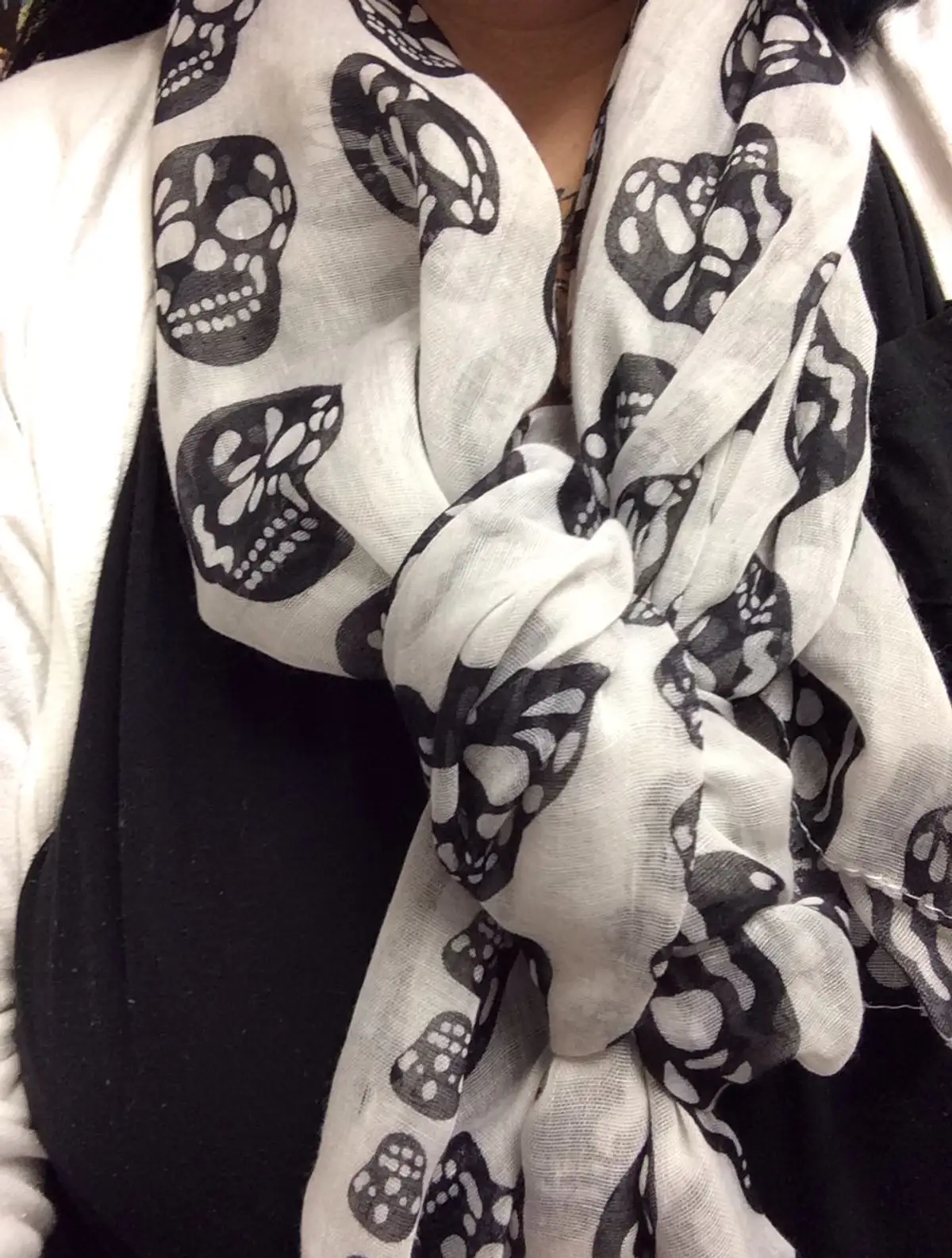
Today, the scarf is just as recognizable as ever. With Y2K fashion, indie sleaze, and archival designer accessories finding their way back into the spotlight, the McQueen skull scarf has become a reminder of a time when a single accessory could say everything about your personal style.
From the Runway: Alexander McQueen Spring/Summer 2003
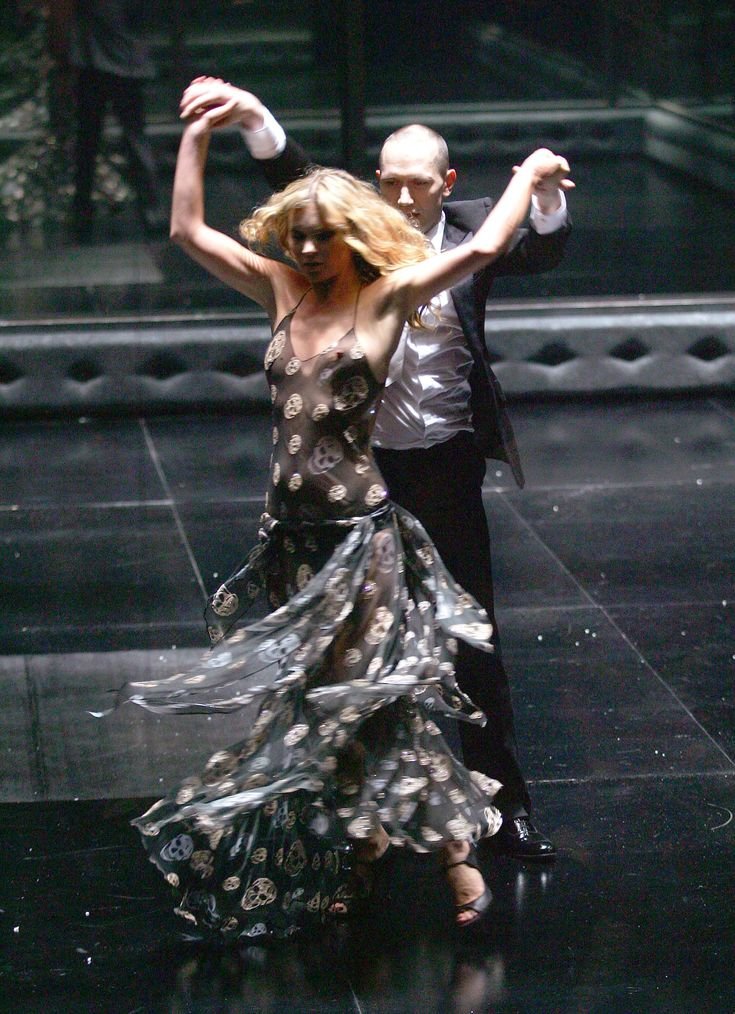
The Alexander McQueen skull scarf made its runway debut in Spring/Summer 2003, as part of the designer's Irere collection. Inspired by shipwrecks, pirates, and the idea of transformation, the show unfolded like a dark romantic adventure. Models walked in shredded chiffon, distressed leather, and flowing silhouettes that evoked the aftermath of a shipwreck.

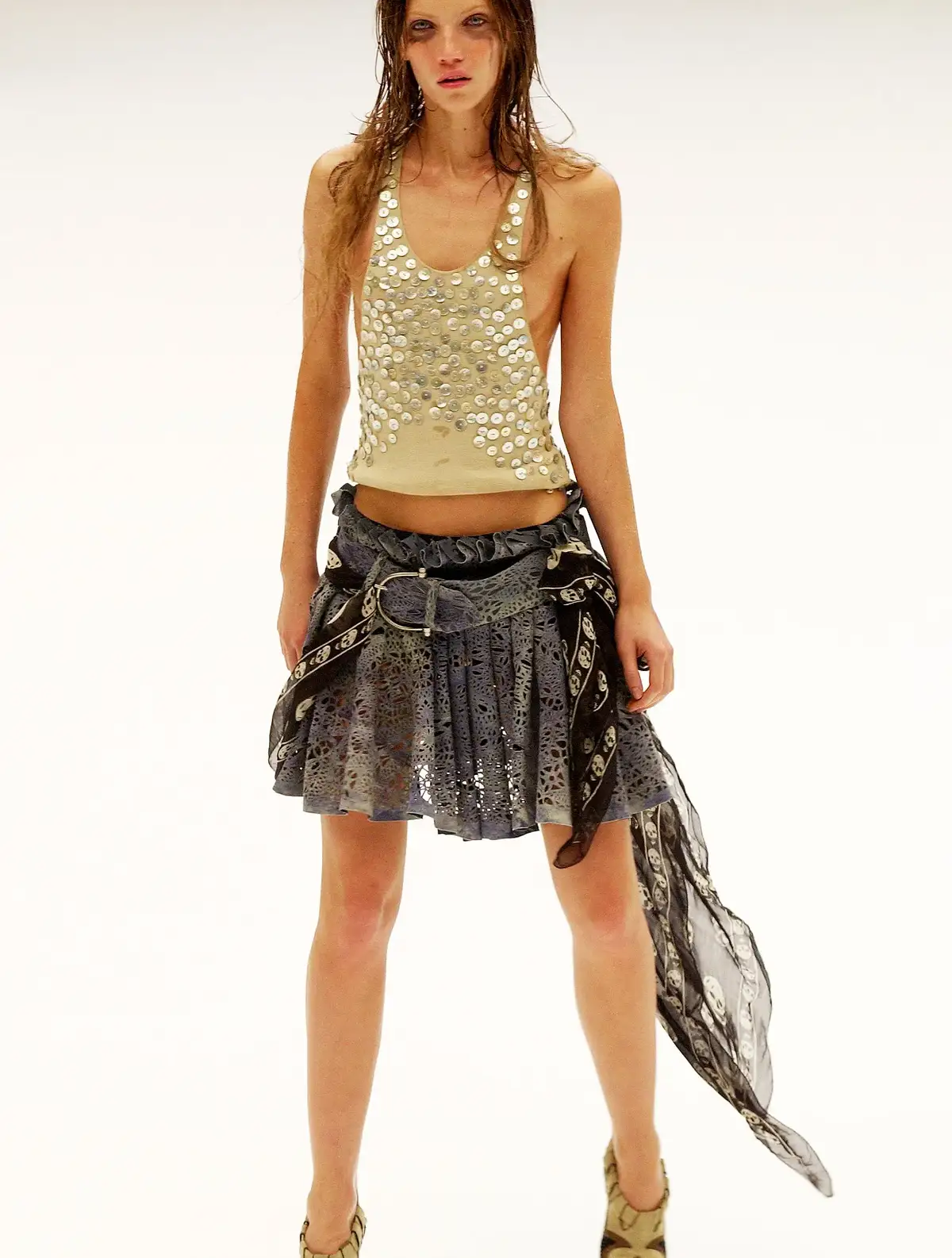
Among the collection's most memorable details were oversized black-and-white silk scarves printed with rows of tiny skulls. Styled around models' waists and trailing from leather belts, they introduced an unexpectedly wearable accessory into an otherwise theatrical runway presentation.
The skull motif was already an important part of McQueen's visual language. His fascination with mortality, history, and the macabre had appeared throughout his work, including his Autumn/Winter 1996 Dante collection. With Irere, however, the motif moved beyond the runway and into everyday wardrobes.
It was the perfect contradiction: something delicate and luxurious, decorated with one of fashion's most enduring symbols of death.
The 2000s It-Girls Made It a Status Symbol
The scarf's transition from runway accessory to fashion phenomenon was helped along by the women who wore it. During the mid-to-late 2000s, the Alexander McQueen skull scarf became a fixture in celebrity street style, particularly among the era's bohemian, rock-inspired fashion crowd.
Kate Moss, Kim Kardashian, Nicole Richie, Lindsay Lohan, and Mary-Kate and Ashley Olsen were among the names associated with its popularity. Their wardrobes helped establish a particular kind of off-duty dressing: oversized sunglasses, skinny jeans, slouchy boots, vintage leather jackets, enormous handbags, and just enough designer fashion to make the whole thing look effortless.


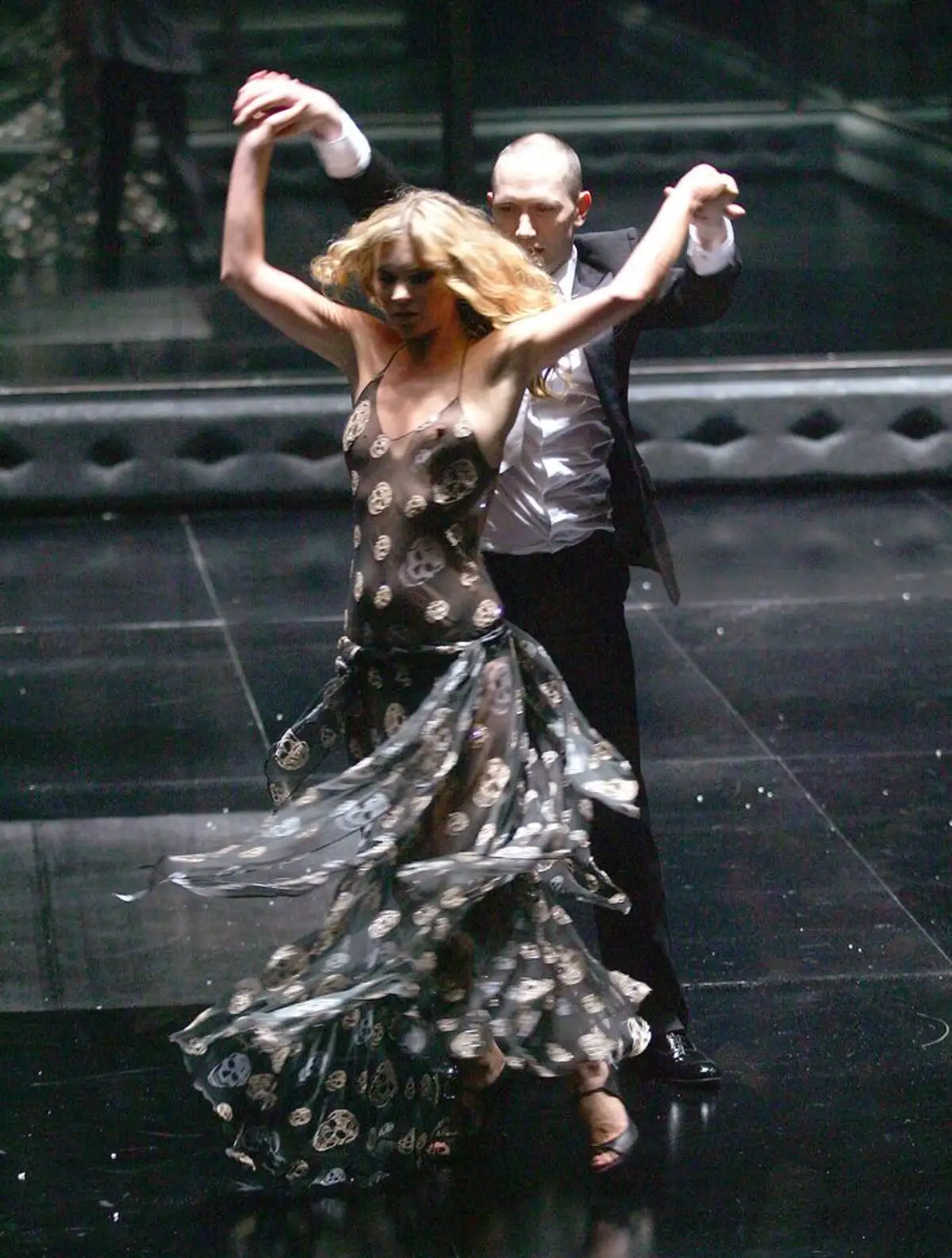
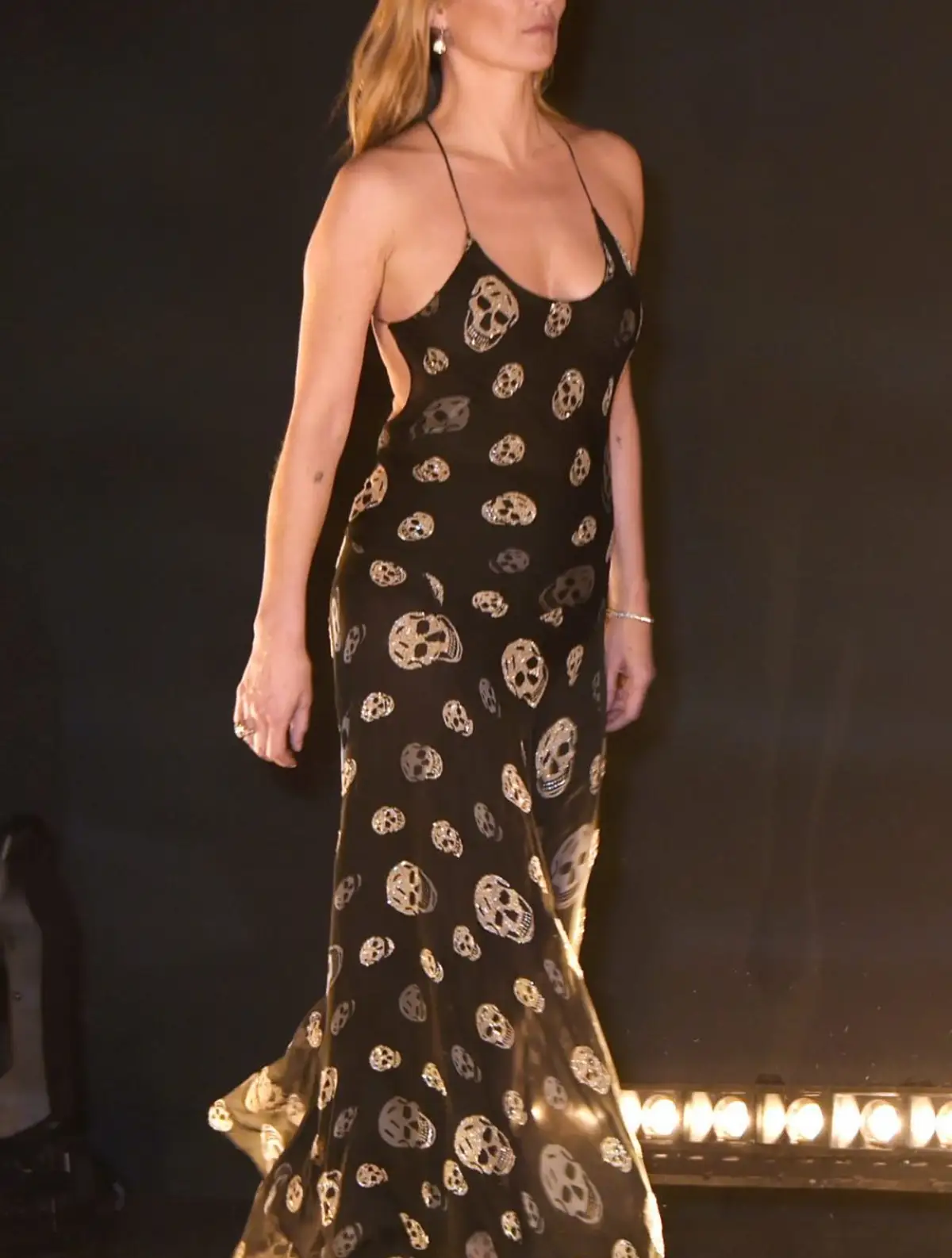
The scarf was especially clever because it never needed to dominate an outfit. A simple black top and jeans could suddenly feel like a complete look with a McQueen skull scarf thrown over the shoulders. It could be worn loosely around the neck, wrapped around a handbag, or styled as a belt.
Unlike a recognizable monogram or an oversized designer logo, the scarf communicated taste through recognition. You either knew what it was or you didn't.
And that was precisely the appeal.
The Indie Sleaze Era Wouldn't Have Been the Same Without It
Long before indie sleaze became a Pinterest mood board or a TikTok aesthetic, the McQueen skull scarf was already part of its visual vocabulary.
The mid-2000s fashion scene was defined by a particular mix of luxury and dishevelment. Think skinny jeans, American Apparel basics, vintage band tees, messy hair, ballet flats, worn-in leather jackets, and designer accessories that looked better when they weren't styled too perfectly.
The skull scarf fit right in. It brought a darker edge to the bohemian dressing associated with Sienna Miller, while its rock-and-roll associations made it equally at home in the wardrobes of London's fashion crowd.
It was also one of those accessories that blurred the line between luxury fashion and subculture. Alexander McQueen was a major designer, but the scarf didn't feel like something reserved for a formal occasion or a perfectly coordinated outfit. It felt personal, lived-in, and a little rebellious.
That balance is what made it so desirable. It wasn't simply about owning an expensive scarf. It was about looking like you knew something everyone else was still figuring out.
Why the Alexander McQueen Skull Scarf Never Really Went Away
Fashion trends tend to have a short memory, but certain pieces keep finding their way back into the conversation. The Alexander McQueen skull scarf is one of them.
Part of its longevity comes down to the design itself. The black-and-white skull print is instantly recognizable without being overly complicated, while the lightweight fabric makes it easy to style in different ways. It works with a leather jacket just as naturally as it does with a tailored coat, a vintage dress, or an oversized blazer.
Its cultural associations also give it a life beyond the original 2000s trend. The scarf represents a particular moment in fashion history, when celebrity street style, music culture, and designer fashion collided to create some of the decade's most memorable looks.
Its return to the fashion conversation is also part of a wider interest in archival designer accessories. As collectors and a new generation of fashion enthusiasts revisit the pieces that defined the early internet and celebrity street-style era, the McQueen skull scarf feels less like a dated trend and more like a piece of fashion history.
The skull motif has continued to appear in the house's collections, too, proving that its significance extends well beyond one particular accessory.
The Accessory That Outlived the Trend
There are plenty of designer accessories that defined the 2000s, but few have remained as instantly recognizable as the Alexander McQueen skull scarf. It captured the decade's obsession with celebrity style, indie-rock dressing, and the idea that the best luxury pieces should never look too precious.

More than twenty years after its runway debut, it still has the ability to transform an outfit. Whether worn in its original neck-scarf form, tied around a vintage handbag, or styled in a more unexpected way, it carries the same combination of romance and rebellion that made it so iconic in the first place.
Trends come and go. The skull scarf, apparently, has other plans.
→ Discover more archival fashion
→ Book a private showroom appointment
Into Archive is a global destination for rare and archival fashion, bringing together collectible pieces from leading designers, independent collectors, and international vendors. Visit our New York showroom by appointment to explore the archive in person.