I’ve Collected Galliano for a Decade—Why Does His Zara Collab Feel Like a Loss?
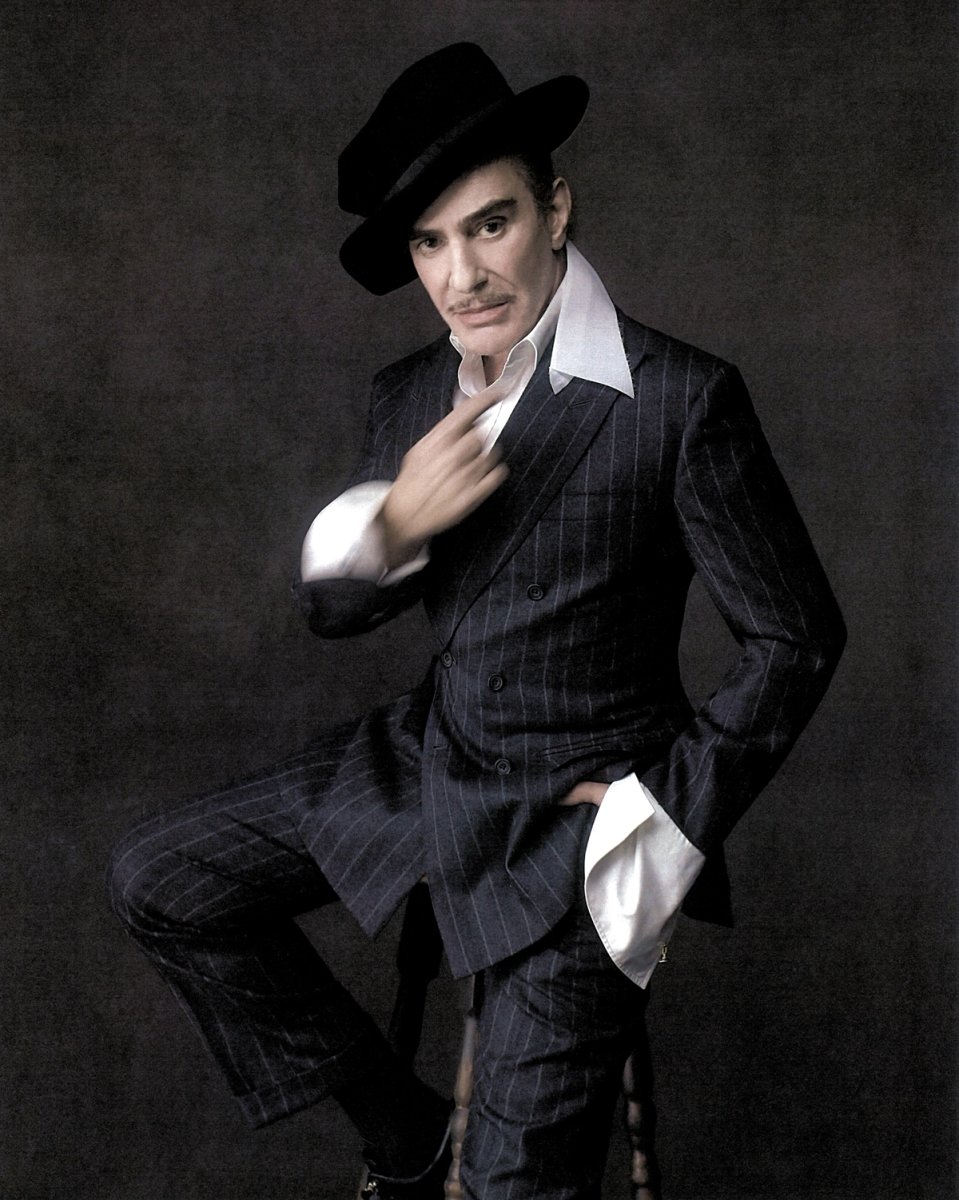
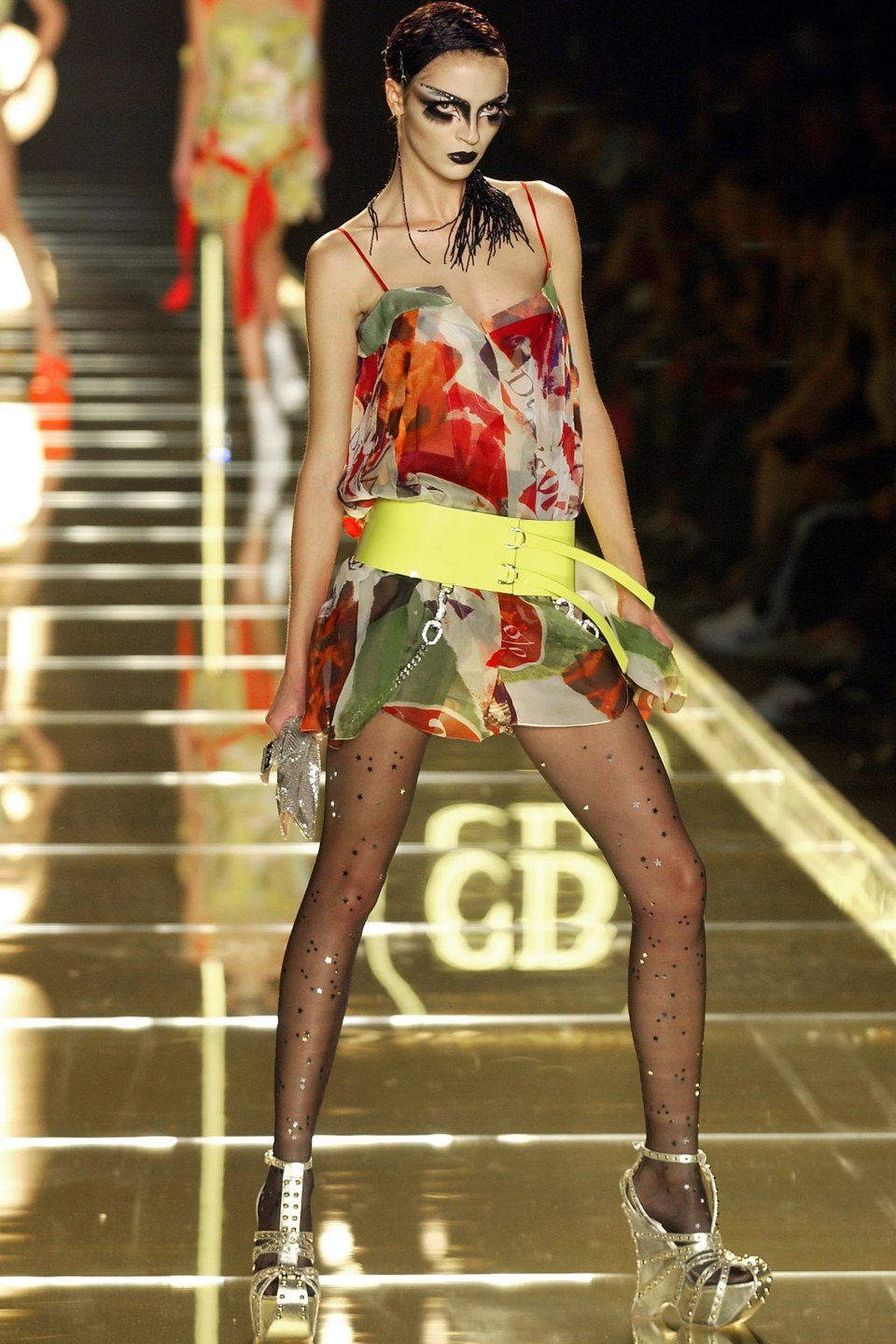

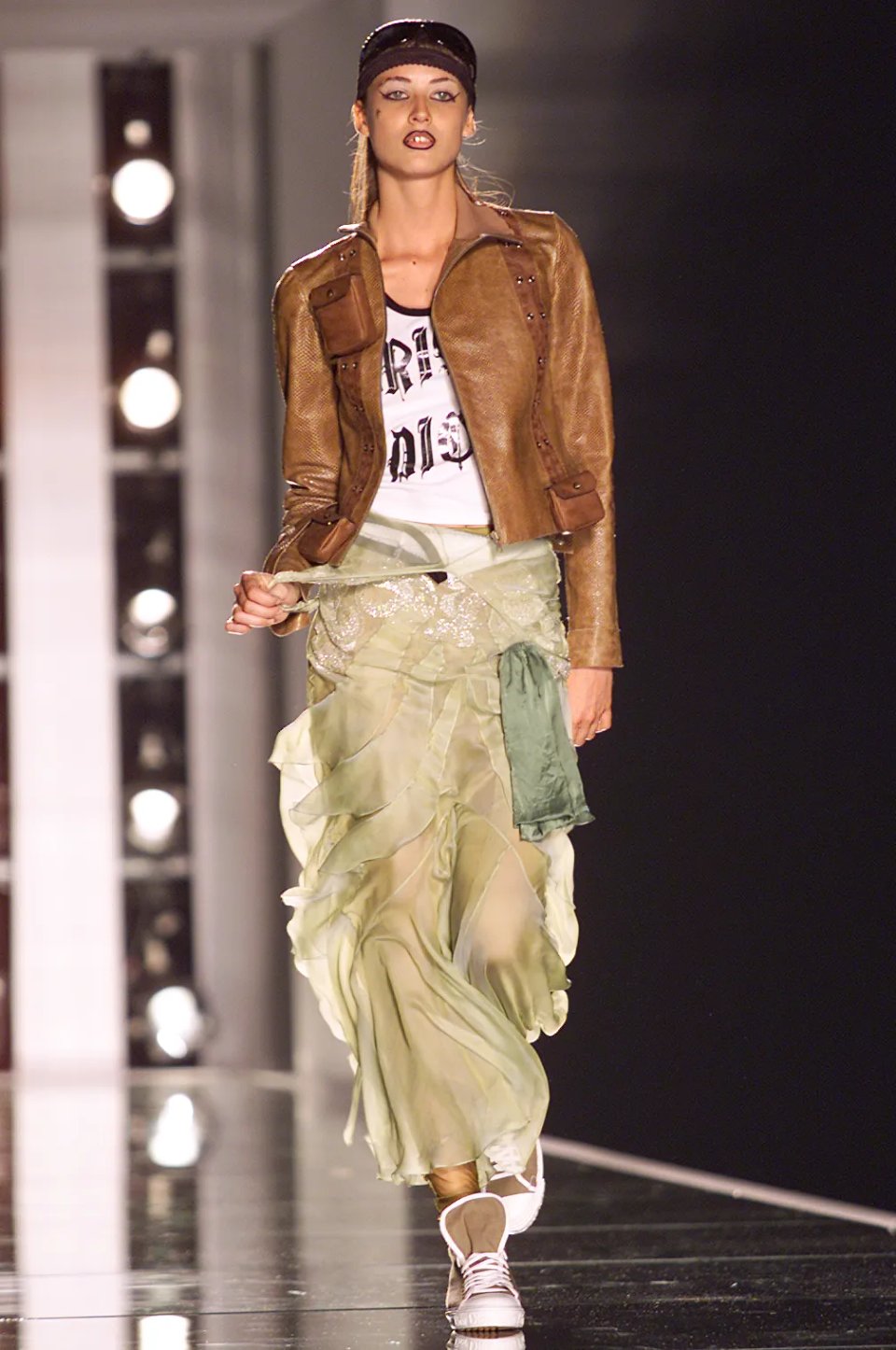

A 1999 newspaper print blouse. A tailored jacket from the "Homage to Christian Dior" collection. A deconstructed shirt from his tenure at Maison Margiela. These aren't just clothes; they are chapters of a story. They are artifacts of a brilliant, erratic, and utterly singular mind that redefined what fashion could be. For ten years, I’ve hunted, curated, and prized these pieces. They represented a rebellion against the ordinary—a commitment to the poetic, the theatrical, and the technically impeccable.
And now, John Galliano is at Zara.
When the news broke this March of his two-year "creative residency," my first reaction wasn't excitement. It was a strange, dull ache. As a collector, the allure of Galliano was always the "gatekeep"—the fact that you had to know the history to appreciate the stitch. Seeing his name on a blue-and-white cardboard mailer feels like the end of the sacredness that made collecting his work so meaningful.
The Allure of the Hunt vs. the Ease of the App
For a decade, Galliano was the holy grail. Owning a piece of his work was a statement. The difficulty of finding these pieces—scouring vintage shops, silent auctions, and the depths of the internet—was the point. Scarcity heightened the value.
But Zara is the high priest of the mainstream. It’s the democratization of fashion—a concept that is inherently antithetical to the very essence of what Galliano stood for. He was the haute couture champion of excess. Seeing his name on a hangtag in a store that moves thousands of units a week feels, quite frankly, like a glitch in the simulation.
The "Re-Authoring" Gimmick
The residency is being framed as "re-authoring" the Zara archives—taking garments from past seasons and deconstructing them. It’s a genius marketing spin on sustainability, but for a collector, it’s a bit of a meta-joke. The man who defined originality is now reworking mass-produced leftovers. Is this a brilliant commentary on the circularity of fashion, or just a fancy way to move deadstock?
As I watch him trade the moonlit Seine (his legendary 2024 Margiela swan song) for an Inditex warehouse, I can't help but wonder: Can the "soul" of a Galliano piece—the "emotional cutting" and narrative depth—truly be translated into the language of a global retail giant?
The Million-Dollar Question (Literally)
And then, of course, there’s the curiosity. While the exact figure of his contract is locked in a vault in A Coruña, industry whispers suggest a payout that would make even an LVMH executive blink. Zara has proven they have the capital to buy prestige (Pilati, Meisel, and now Galliano). Fashion people like money, and Zara has mountains of it.
I’m genuinely curious to see the "math" of it all. How do you apply a "couture process" to a polyester-blend blazer? How much of that signature Galliano bias-cut can survive a mass-production line? It’s like watching a Michelin-star chef design a menu for a fast-food chain; you’re skeptical of the ingredients, but you’re dying to see if they can actually make a burger taste like a memory.
The Collector’s Dilemma: I hate that the mystery is being dismantled, but my curiosity is peaking. I want to see the silhouettes, the toiles, and the sheer audacity of a man who once built empires out of dreams now building one out of Zara’s surplus.
This move feels like the ultimate triumph of the quantifiable over the poetic. It’s a sign that even the most individualistic talents can be absorbed by the giant engine of global commerce. I don't know if I'll ever look at my archival pieces the same way again, but I’ll certainly be watching the Zara windows this September—strictly for research purposes, of course.