What Gen Z Really Wants: Why Vintage Designer Is Outselling New Luxury in 2025
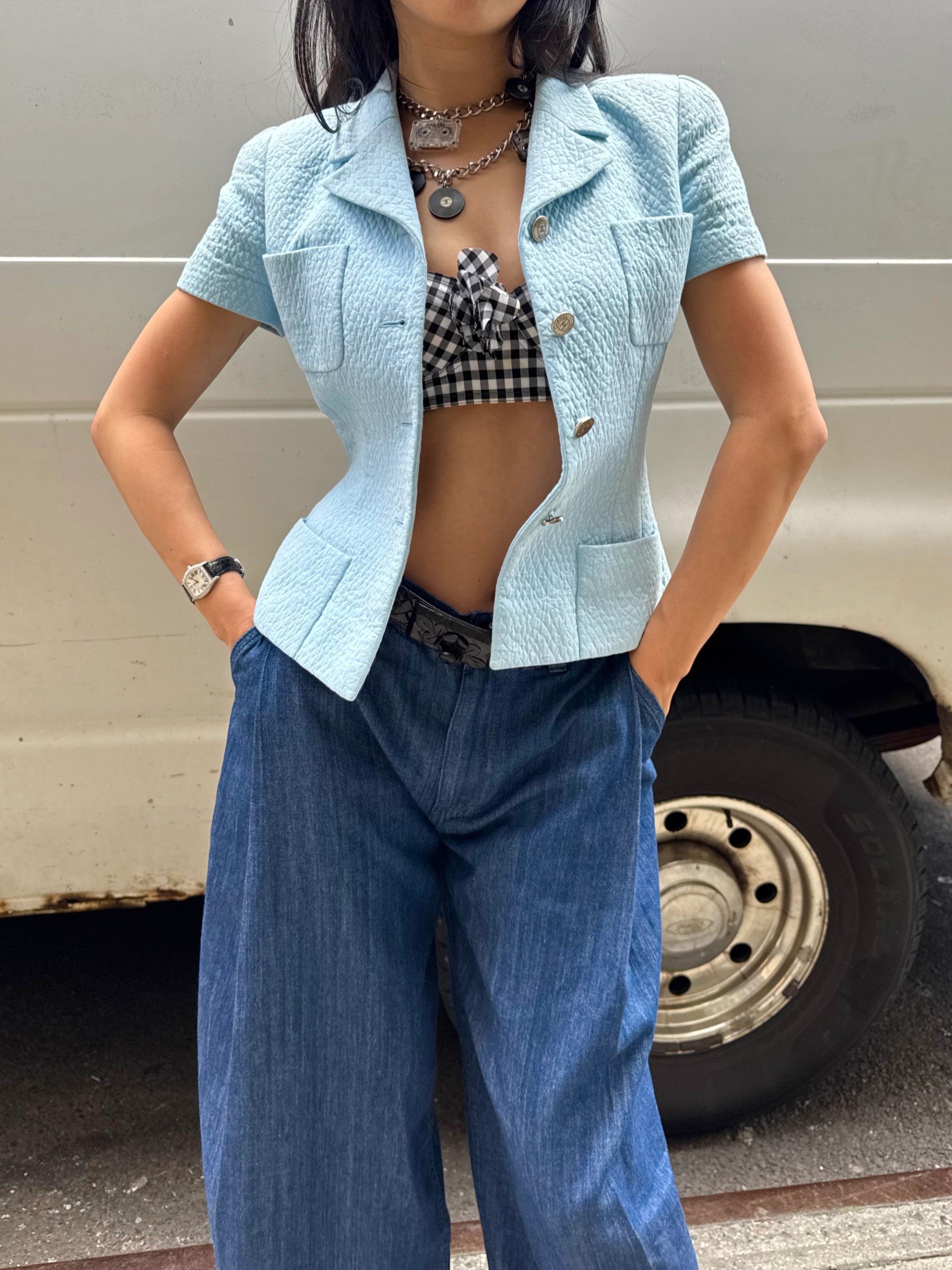
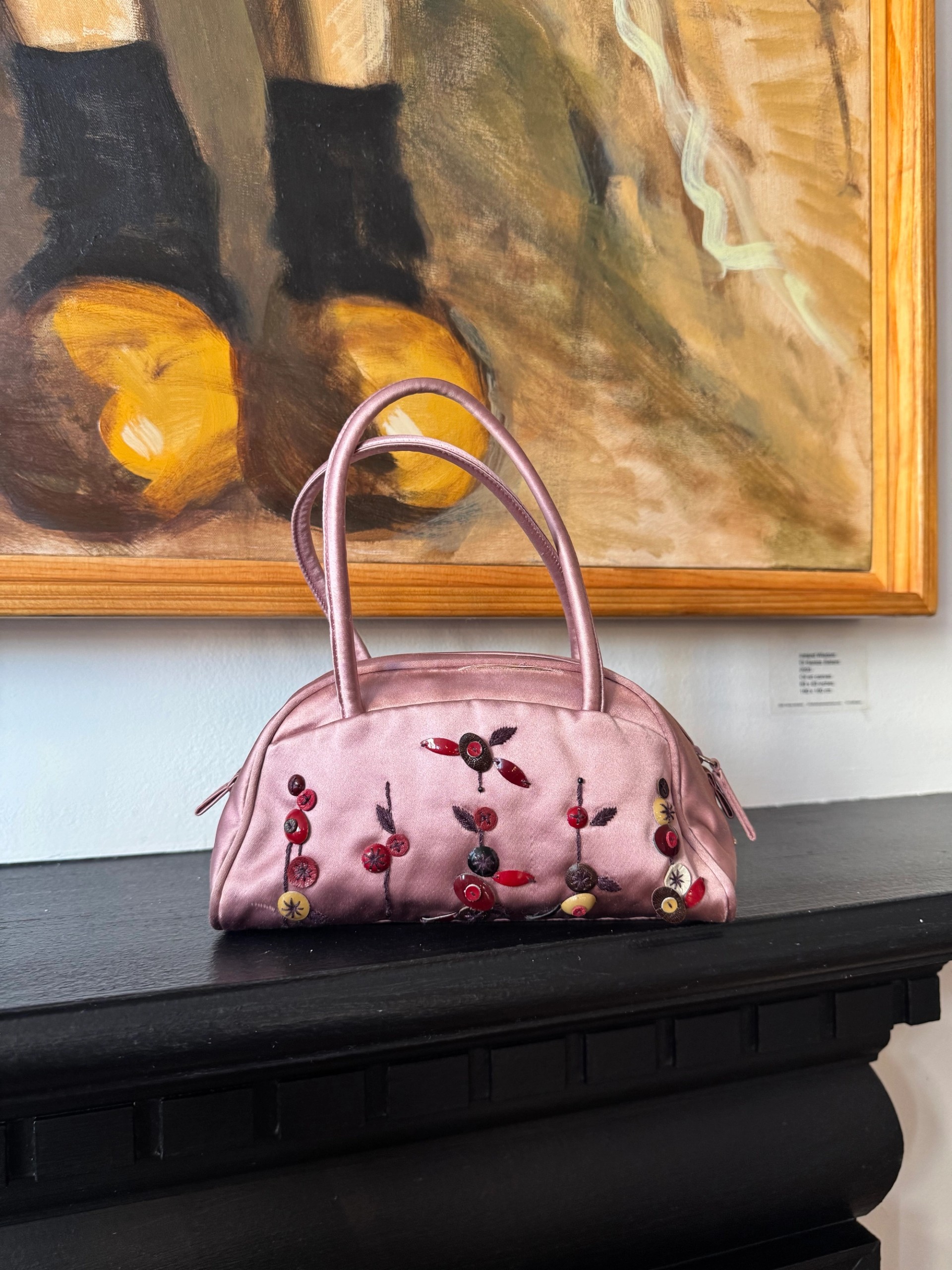
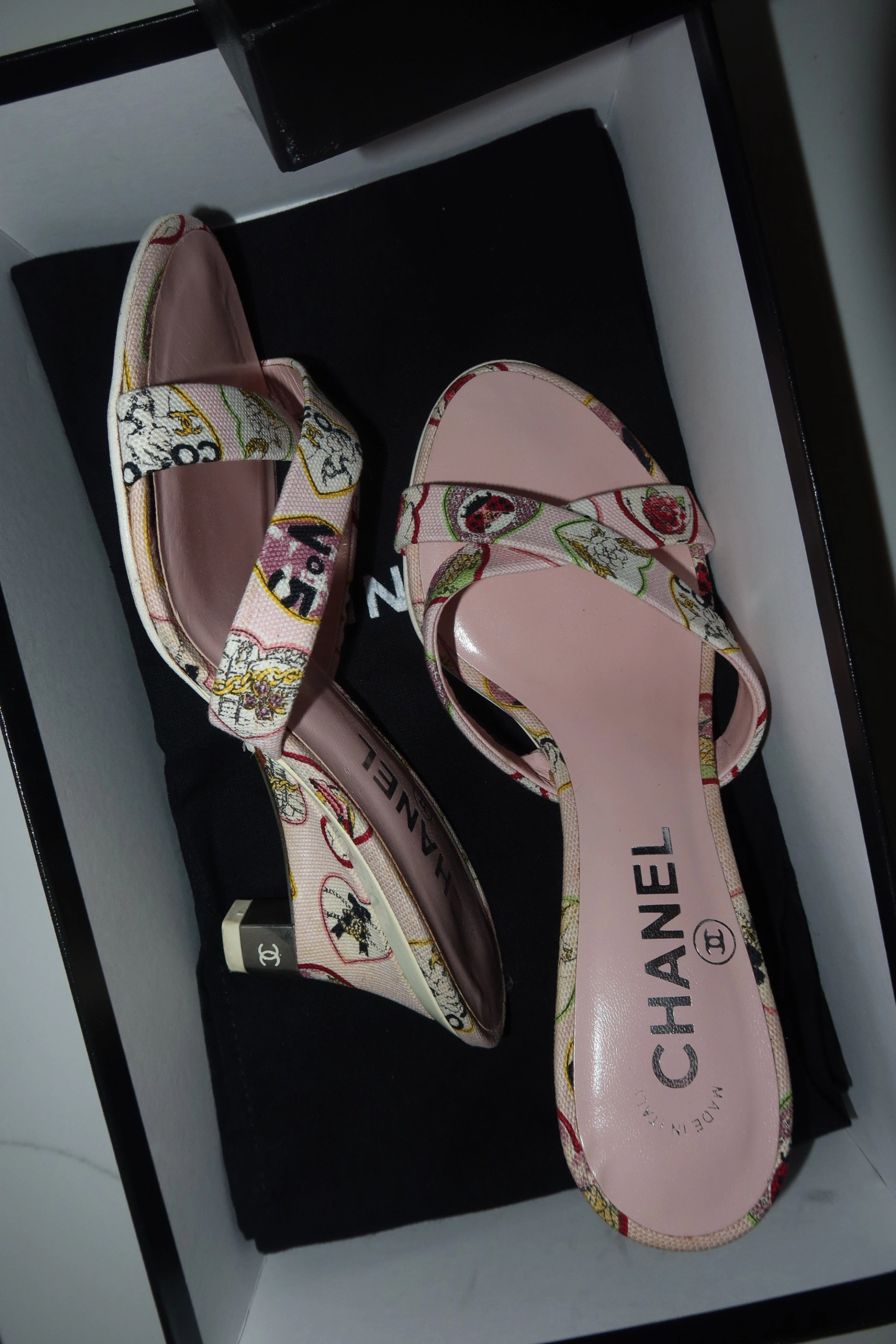
If Millennials made luxury aspirational, Gen Z has made it accessible, circular, and deeply personal.
Across the global luxury industry, resale growth is outpacing new retail, and the demographic driving this cultural and economic shift is clear: Gen Z prefers vintage designer over buying new luxury—by a wide margin.
Whether it’s 90s Prada, early-2000s Miu Miu, Tom Ford-era Gucci, or archival JPG mesh, older pieces are outperforming new-season collections on search volume, social media visibility, and—most importantly—actual purchasing behavior.
This isn’t a passing trend; it’s a complete redefinition of what “luxury” means.
Gen Z Has Redefined Luxury’s Value System
For previous generations, luxury was defined by logos, status, and exclusivity.
For Gen Z, the value system looks radically different.
Gen Z luxury priorities:
- uniqueness
- sustainability
- cultural nostalgia
- individuality
- transparency
- story-driven fashion
- authenticity over flash
Their version of luxury isn’t about owning what everyone else has; it’s about owning what no one else can find.
Vintage—especially archival designer—meets every single requirement.
Search & Social Data: The Numbers Back It Up
Across platforms, vintage-related searches and tags have surged dramatically.
TikTok
- #VintageFashion: billions of views
- #ArchivalFashion: consistently viral
- #Sustainablefashion + #reworkedfashion trending weekly
TikTok creators showcase 90s minimalism, Y2K denim, and old Céline as if they were fresh drops.
Influencers and stylists increasingly tag vintage pieces in their fits, often outperforming new designer engagement.
Searches for:
- “vintage bags”
- “90s outfits”
- “archival runway pieces”
are among the highest-performing fashion keywords of 2025.
Gen Z isn’t just admiring vintage—they are actively searching for it.
Why Gen Z Prefers Vintage: The Core Reasons Behind the Shift
1. Sustainability Is Non-Negotiable
Gen Z is deeply aware of the environmental cost of fast fashion and new luxury production.
Vintage is:
- circular
- low-impact
- waste-reducing
- resource-conscious
Buying vintage eliminates the guilt associated with brand-new consumption.
2. Uniqueness = Identity
Nothing feels more “Gen Z” than individuality.
A vintage piece:
- isn’t part of a mass-produced drop
- isn’t on every influencer’s feed
- doesn’t come with current-season hype
- tells a personal story
Owning something rare or archival feels like a badge of identity.
3. Price Transparency & Smart Consumer Behavior
Gen Z is the most financially strategic luxury consumer ever.
They prefer:
- resale over retail
- pieces that hold value
- items that appreciate, not depreciate
A vintage Prada nylon or Fendi baguette maintains its value better than many new-season bags.
4. Vintage Has Cultural Depth
Whether it’s:
- Tom Ford’s Gucci
- Galliano’s Dior
- Gaultier’s cyber mesh
- Helmut Lang’s 90s minimalism
These eras have cultural weight.
Gen Z values meaning, narrative, context—and vintage gives them that instantly.
5. New Luxury Feels Too Commercial
Mass-produced luxury drops lack the soul Gen Z wants.
They prefer the imperfections and lived-in feel of something with history.
The Aesthetic Influence: Why Vintage Fits Gen Z’s Look Better
Gen Z’s aesthetics align perfectly with archival fashion.
1. The 90s Minimalism Revival
- Prada
- Jil Sander
- Helmut Lang
- Calvin Klein by Francisco Costa
Clean lines, black nylon, simple structure—all vintage categories.
2. Y2K Nostalgia (but elevated)
Gen Z gravitates toward designer Y2K:
- Dior Saddle bags
- Blumarine pieces
- Fendi baguettes
- Miu Miu early-2000s
- Bottega Veneta hobos
Not costume Y2K—real, luxurious Y2K.
3. The “Beat-Up Luxury” / “Realistic Fashion” movement
Gen Z embraces bags with:
- patina
- softened structure
- worn edges
- authentic character
Vintage wear looks intentional, romantic, and story-filled.
4. Anti-Trend, Anti-Logo Style
Quiet luxury continues, but with a twist: quiet vintage luxury.
The Economic Factor: Vintage Retains (and Grows) Value
Another major reason Gen Z stays loyal to vintage: It’s financially smarter.
Vintage retains value when:
- the designer is iconic
- the era is culturally significant
- the materials age well
- demand stays consistent
Prada nylon, JPG mesh, Tom Ford Gucci, and Bottega intrecciato are textbook examples.
Vintage often appreciates over time
Especially pieces from:
- 90s archives
- discontinued silhouettes
- runway-only items
- early-era heritage (e.g., Margiela, McQueen, Phoebe Philo)
Gen Z understands fashion as an asset class—not just a purchase.
Why They Buy Vintage Designer Instead of New Luxury Drops
1. New luxury lacks originality
Many new-season bags are reinterpretations of older shapes.
Gen Z prefers the actual original.
2. Quality of older pieces is often better
90s and early-2000s designer pieces were often:
- thicker leather
- artisanal construction
- higher workmanship
They last longer and age beautifully.
3. Resale provides more transparency
Gen Z loves:
- detailed condition photos
- authentication
- pricing history
- open resale marketplaces
Vintage shopping feels straightforward and honest.
How Into Archive Fits Perfectly Into Gen Z’s Buying Behavior
Into Archive stands directly at the intersection of:
- archival fashion
- cultural storytelling
- sustainable luxury
- rare designer sourcing
1. The curation speaks to Gen Z identity
Our selection is not trend-chasing; it’s era-defining.
Pieces from Prada, Miu Miu, JPG, Bottega, Margiela, and Gucci represent the exact eras Gen Z is obsessed with.
2. Transparent condition notes reinforce trust
Gen Z values honesty over perfection.
IA’s detailed descriptions build credibility.
3. Rare finds satisfy Gen Z’s desire for uniqueness
Gen Z wants the piece no one else has—IA provides the hunt, the rarity, and the “where did you find that?” factor.
4. Archival storytelling beats marketing
IA’s focus on brands, history, designers, and cultural context aligns perfectly with Gen Z’s need for meaning.
5. Gen Z prefers discovery platforms
Into Archive’s presence across:
- TikTok
- online store
- NYC showroom
creates the exact omnichannel experience Gen Z prefers.
Looking Ahead: Gen Z’s Impact on Luxury’s Future
1. Vintage will outperform new luxury for years
With sustainability, rarity, and identity at the forefront, vintage remains the smarter consumer choice.
2. More luxury brands will reference archives
Expect more reissues and archive-inspired pieces from major houses.
3. Resale becomes the primary entry point for young luxury buyers
Gen Z’s first designer purchase is overwhelmingly from resale, not retail.
4. Archival eras will rise even further
Especially:
- 90s minimalism
- early-2000s exaggerated silhouettes
- cyberpunk Gaultier
- Tom Ford Gucci
- Prada nylon
5. Distressed and lived-in luxury will stay in demand
Because character > flaw.
Gen Z isn’t just participating in the luxury market—they’re rewriting it. Their preferences prioritize meaning, sustainability, rarity, and individuality. Vintage and archival designer deliver all of that in a way new luxury simply can’t match.
Into Archive sits at the center of this cultural and economic shift, offering exactly what the modern luxury consumer wants: pieces with history, intention, and soul.