The Story of the Gucci Bamboo: A Symbol of Craftsmanship and Innovation
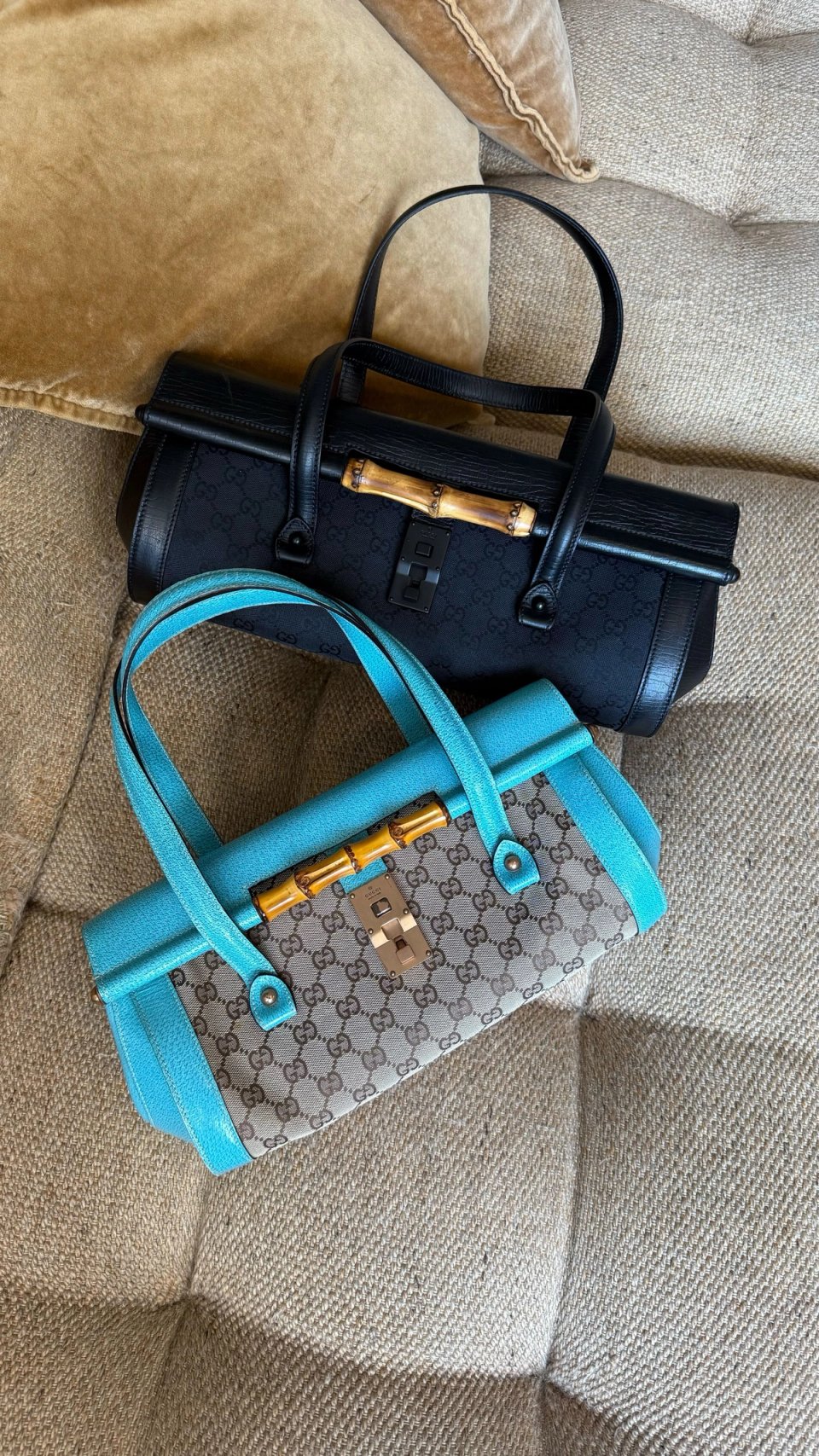

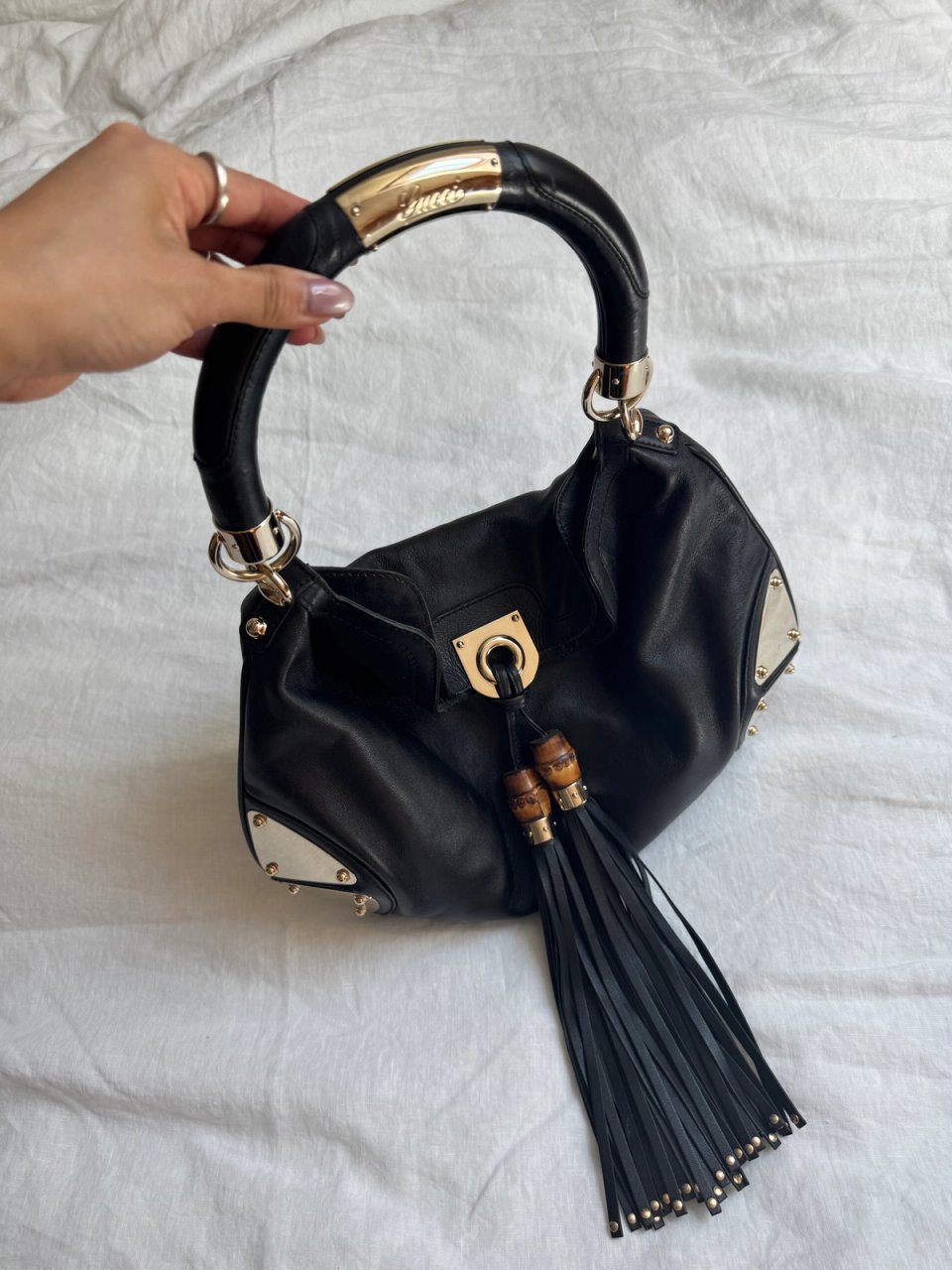
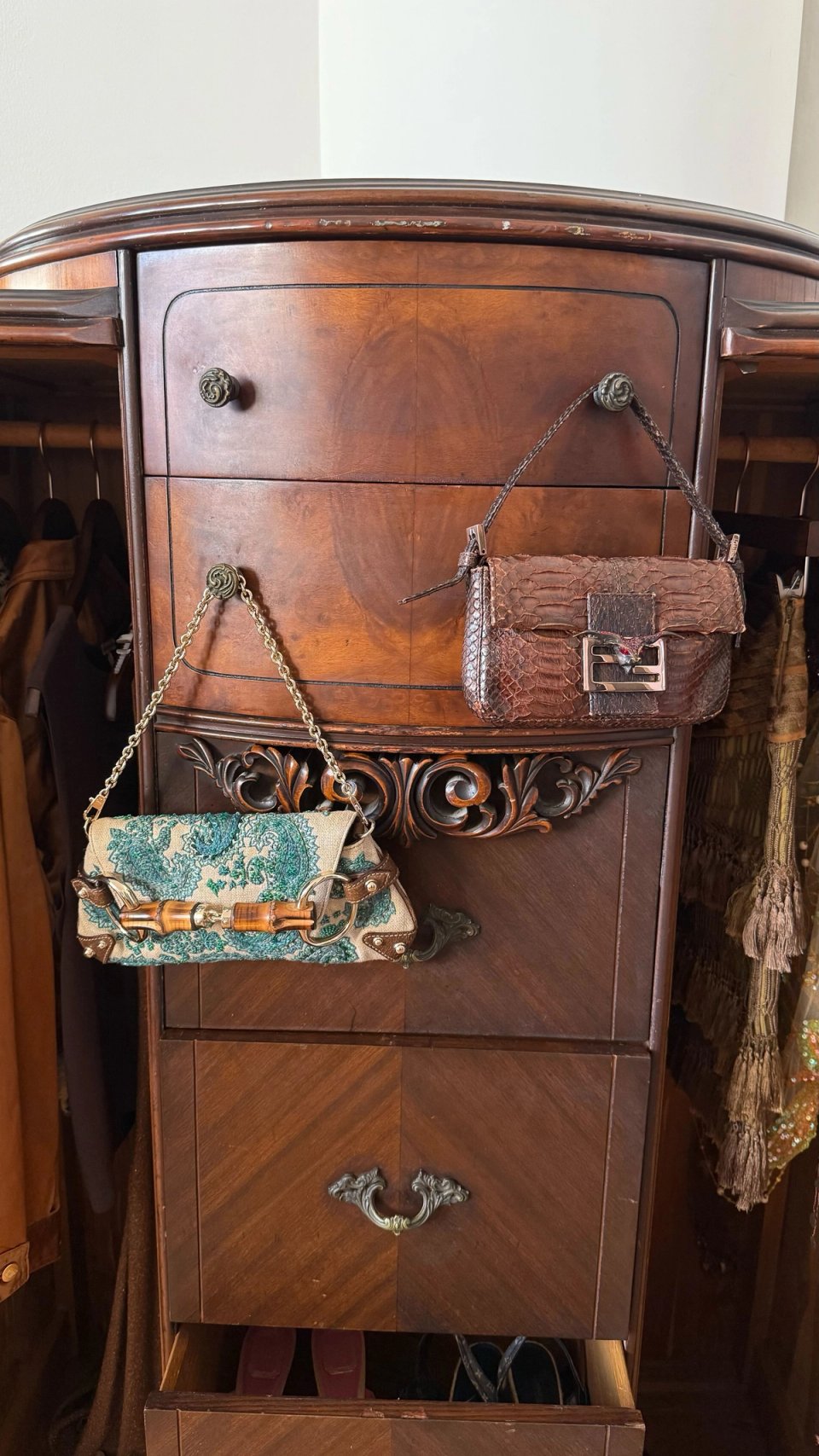
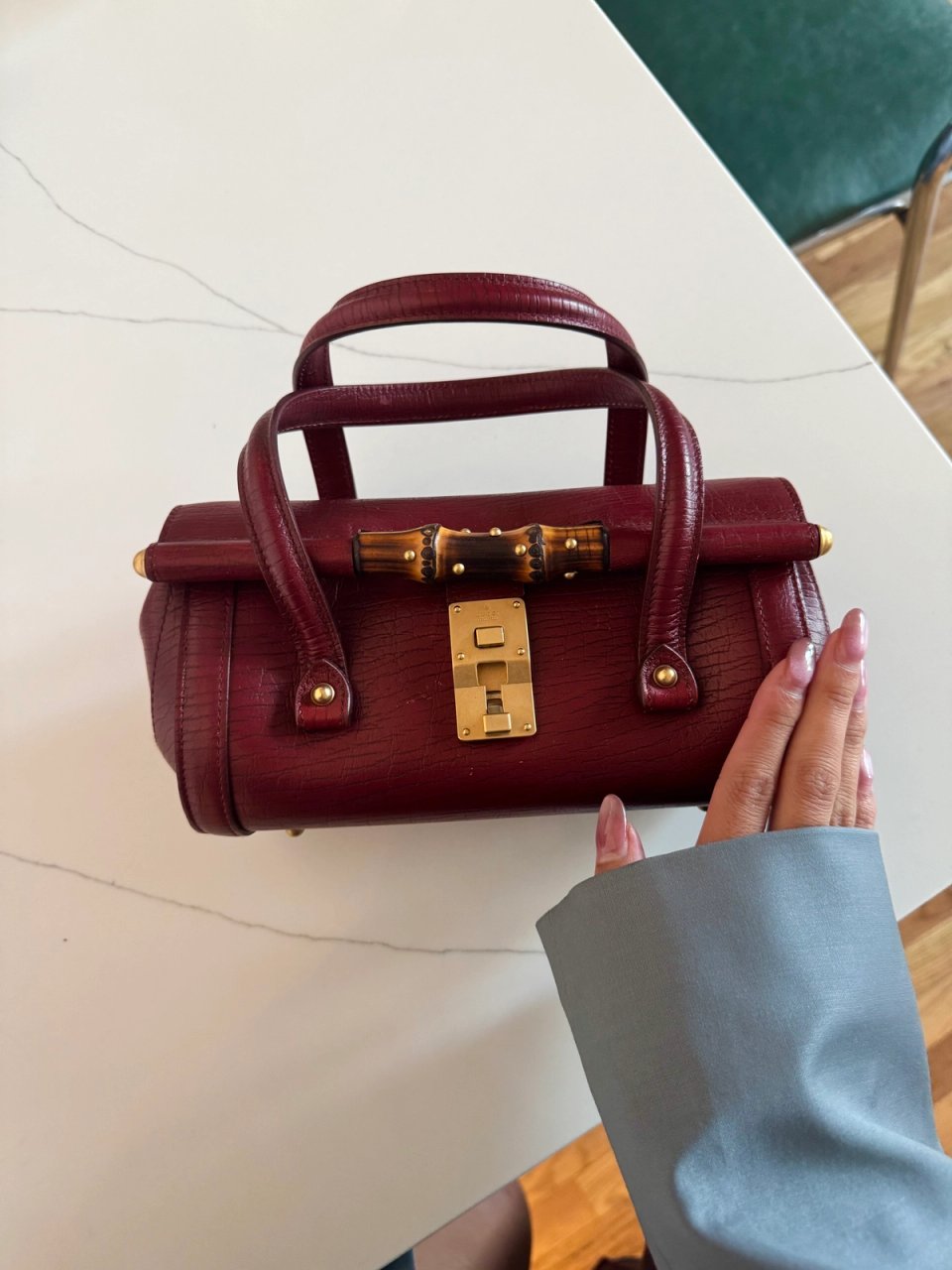
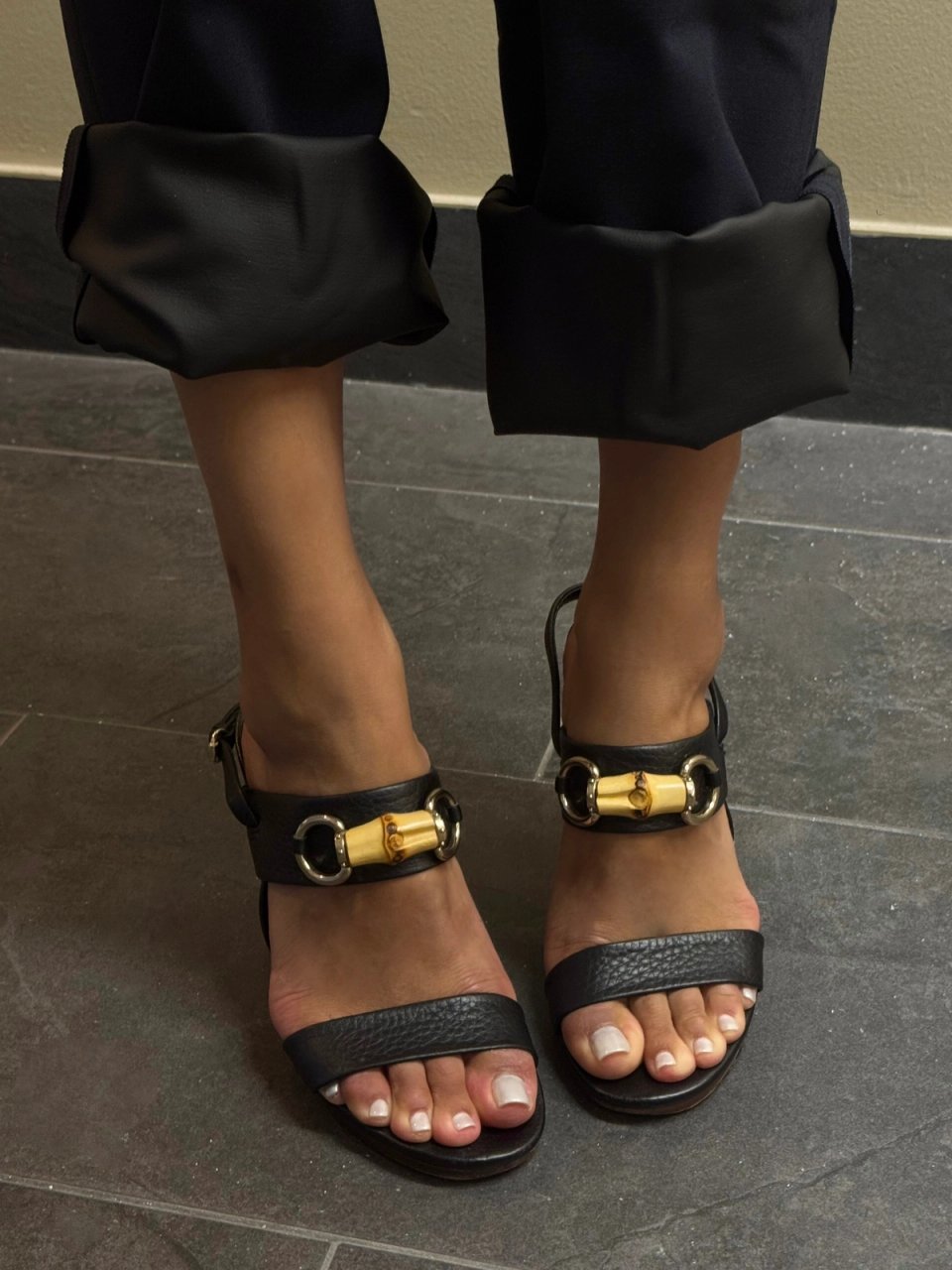
The Origins of the Gucci Bamboo Bag
Few accessories have withstood fashion’s changing tides quite like the Gucci Bamboo. Introduced in 1947, this bag emerged from necessity during a period of postwar austerity in Italy. With traditional materials scarce, Gucci artisans looked for creative alternatives and turned to bamboo, an unexpected yet durable material imported from Japan. By heating and bending the bamboo over an open flame, craftsmen shaped the handles into their signature curved form — a symbol of both resourcefulness and artistry.
The design was immediately distinctive. While other houses were still rebuilding, Gucci had created something timeless. The Bamboo bag’s blend of practicality and beauty positioned it as a piece of quiet innovation, emblematic of postwar Italian elegance.
Why Bamboo?
Bamboo was more than a substitute — it was a statement. In the late 1940s, Europe was still recovering from the war, and scarcity made luxury craftsmanship an act of ingenuity. Bamboo, imported from Japan, offered a sustainable and elegant solution. Its smooth surface, light weight, and strength made it ideal for sculpting into handles that could endure daily use while still appearing refined.
When heated over an open flame, bamboo bends easily without breaking, allowing artisans to mold it into graceful arcs that would cool into their now-iconic shape. The natural texture and golden tone also added warmth to the bag’s design, creating a perfect contrast to Gucci’s polished leather. What began as a creative workaround soon became one of the most recognizable symbols of the house.
From Utility to Icon
Throughout the 1950s and 1960s, the Bamboo bag found its way into the hands of actresses, aristocrats, and tastemakers. Hollywood icons like Ingrid Bergman and Elizabeth Taylor helped propel the design to international recognition. It was small enough to be practical, yet luxurious enough to signify understated glamour.
Each bag was handmade in Florence by Gucci’s artisans, combining supple leather with the polished bamboo handle. The contrast between natural texture and refined construction gave the bag an appeal that felt both classic and modern — a rare combination that helped secure its place as one of Gucci’s defining designs.
Different Bamboo Designs Through the Years
While the original Bamboo bag featured a structured leather body and a single curved handle, Gucci has since explored countless variations that celebrate the same spirit of innovation.
- The Bamboo Top Handle: The classic shape that began it all, known for its semi-circular bamboo handle and push-lock closure.
- The Bamboo Shopper: Introduced in the 2010s, a roomier silhouette designed for everyday practicality.
- The Bamboo Daily Bag: A softer, flap-style reinterpretation launched under Frida Giannini’s direction.
- The Bamboo 1947: A faithful reissue of the original design, reintroduced by Alessandro Michele as part of Gucci’s archival revival.
- Bamboo Handles in Ready-to-Wear and Accessories: The signature handle has appeared on clutches, backpacks, and even modern crossbody bags — proof of its timeless versatility.
Each iteration honors Gucci’s craftsmanship while adapting to contemporary lifestyles, ensuring the Bamboo motif remains relevant across generations.
Fun Facts and Little-Known Details
- Every bamboo handle is still shaped by hand in Florence, using the same open-flame technique from 1947.
- The bamboo used by Gucci is naturally anti-bacterial and highly resilient, which contributes to the longevity of the bags.
- The Gucci Bamboo was one of the first luxury accessories to feature a non-leather handle — a bold move for the time.
- The 1990s saw the Bamboo bag appear in several major fashion editorials, reinforcing its cult status among collectors.
- When Alessandro Michele reintroduced the Bamboo 1947, Gucci created a short film celebrating the artisans who still practice the original heating method.
Caring for Vintage Bamboo Pieces
Bamboo may be strong, but it benefits from careful maintenance to preserve its glow and prevent cracking.
- Avoid direct sunlight or heat exposure, which can dry out the bamboo over time.
- Wipe with a soft, dry cloth after use to remove oils or moisture.
- Store in a dust bag and avoid placing heavy objects on top of the handle to maintain its curve.
- For older pieces, a light application of neutral wax or mineral oil once a year can help maintain the bamboo’s natural sheen.
With proper care, a Gucci Bamboo bag can last for decades — a testament to the enduring quality of the design and its materials.
The Bamboo in the Modern Archive
Today, vintage Gucci Bamboo bags are highly collectible and remain a favorite among stylists and fashion historians. Their enduring value lies not only in their beauty but in their story — a reminder that true design is timeless. Within the resale and archival market, these pieces represent the very essence of Gucci’s identity: creativity born from craftsmanship.
From 1940s leather satchels to contemporary reissues, the Gucci Bamboo continues to connect past and present through artistry and tradition. For collectors, it remains an icon of innovation that has never gone out of style.