The Language of Issey Miyake: A Complete Guide to His Design, History, and Product Numbers

Decoding Issey Miyake: A Study in Innovation, Humanity, and Design
Issey Miyake was never interested in creating fashion for the sake of style. For him, clothing was a form of communication — a way to connect people through design, movement, and technology. His creations were born from a philosophy that placed the human body at the center of innovation. Whether it was the way fabric moved, stretched, or folded, Miyake wanted every piece to make life simpler and more joyful.
His legacy today extends far beyond clothing. It is a study in how art, science, and empathy can coexist within a single piece of fabric. From Pleats Please to Homme Plissé and Bao Bao, each line under his name continues to reflect that quiet brilliance — design that adapts to life.
The Beginning of Issey Miyake
Born in Hiroshima in 1938, Issey Miyake experienced both tragedy and rebirth firsthand. His childhood was marked by the devastation of the atomic bombing, a moment that shaped his desire to create beauty from pain. After studying graphic design at Tama Art University, he moved to Paris, where he worked under renowned couturiers Guy Laroche and Hubert de Givenchy. These years in Europe exposed him to the artistry and precision of haute couture, but also to its limitations — its inaccessibility, rigidity, and focus on form over feeling.
When Miyake returned to Japan in 1970 to establish the Miyake Design Studio, he set out to challenge these conventions. He envisioned a new kind of clothing — practical, artistic, and universal. His goal was to create garments that anyone, anywhere, could wear and feel comfortable in. That same year, he presented his first collection in New York, signaling the beginning of a global career that would redefine the relationship between technology and fashion.
The Philosophy of Universal Design
At the heart of Issey Miyake’s design philosophy is inclusivity. He believed that clothing should bring people together rather than separate them by size, gender, or status. His focus on functionality led to garments that were light, adaptable, and unconstrained by the traditional rules of tailoring.
Rather than forcing the body to conform to the garment, Miyake designed clothing that moved with the body. This concept of universal fit became central to his brand identity. Through innovative textile treatments and pleating technology, he created pieces that could stretch, fold, and return to shape, offering comfort and freedom without sacrificing structure or beauty.
The Expansion of the Issey Miyake Universe
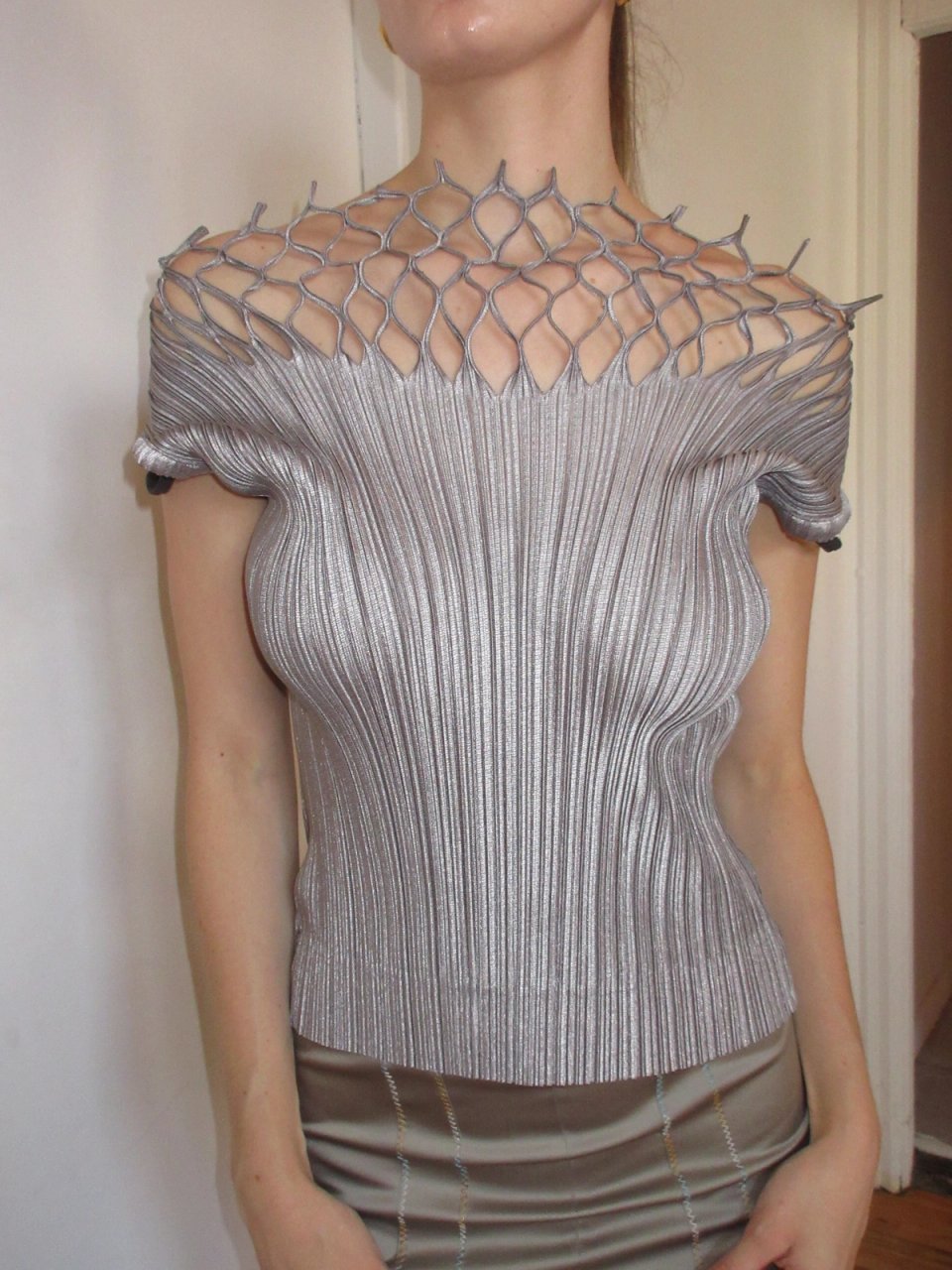
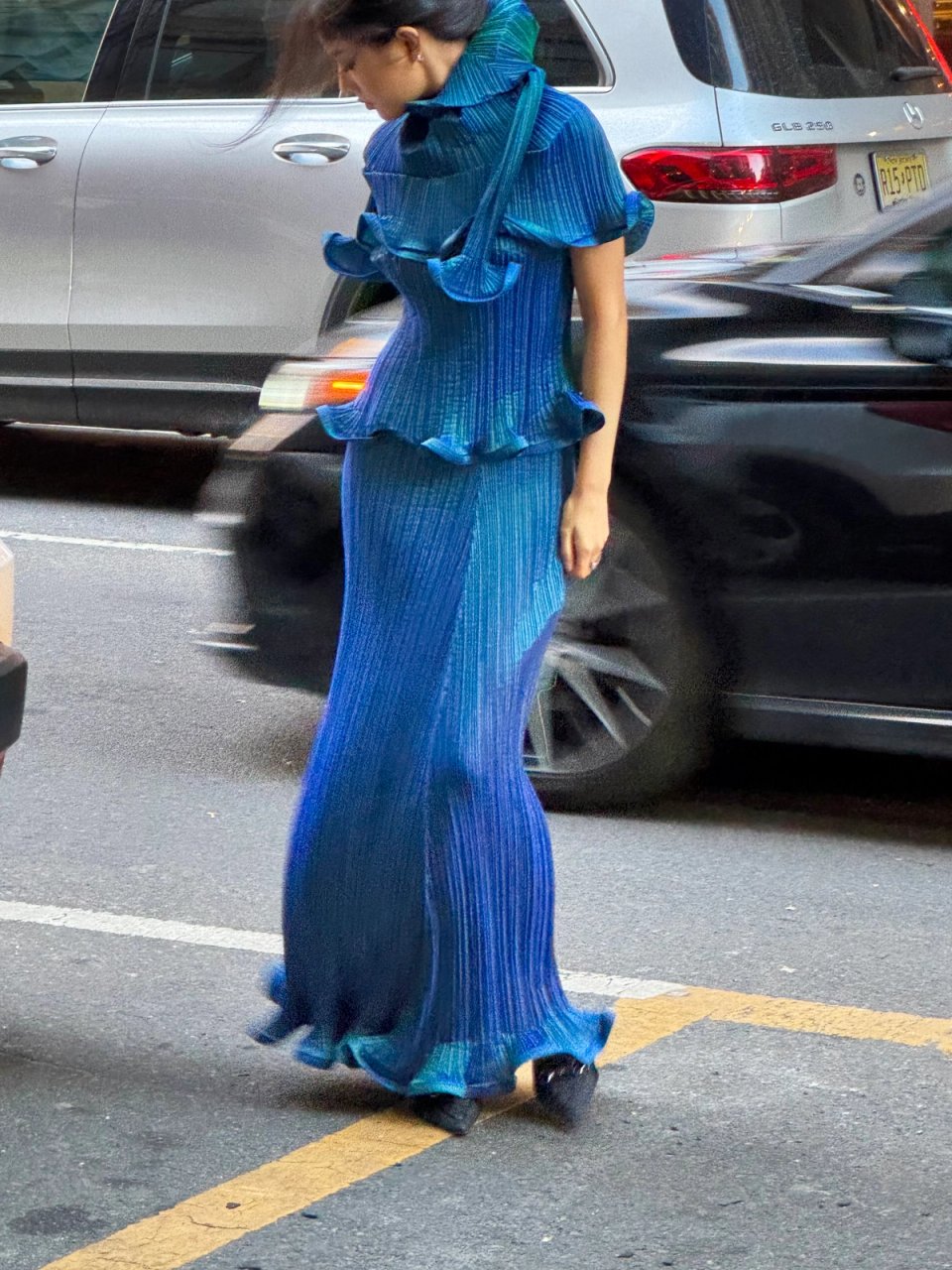
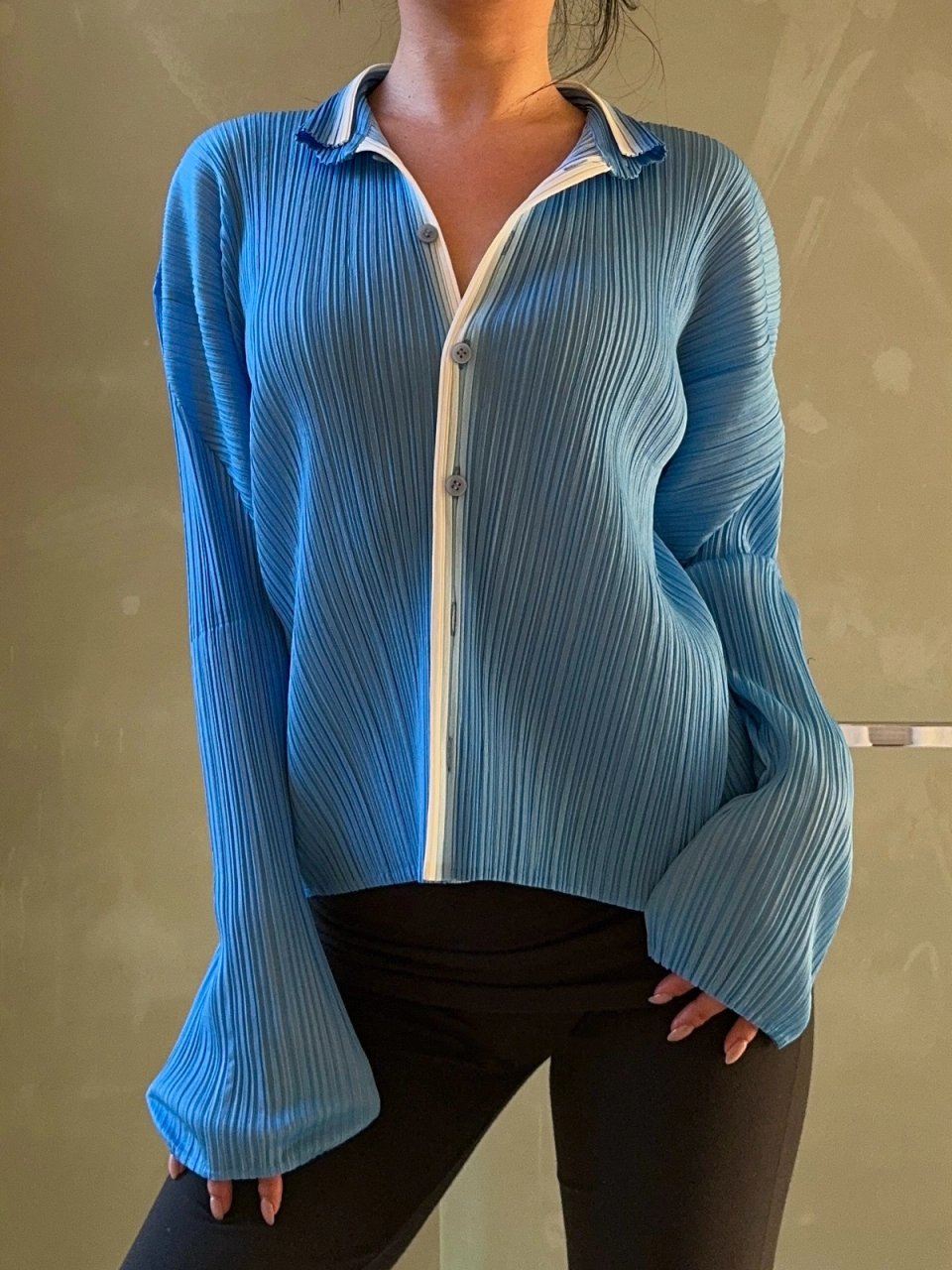
Throughout his career, Miyake built a constellation of lines, each exploring a different aspect of his vision. The Issey Miyake main line served as the foundation — an avant-garde womenswear collection that pushed the limits of form and fabric. In 1993, he introduced Pleats Please Issey Miyake, a collection that transformed the idea of pleating into wearable technology. These pieces were made from fabric cut two to three times larger than their final form, then heat-pleated to permanently hold their shape.
The success of Pleats Please led to the creation of me ISSEY MIYAKE, a youthful, colorful line focused on everyday wear, and Homme Plissé Issey Miyake, which brought the same philosophy to menswear. Other lines, such as A-POC (A Piece of Cloth), explored computer-based manufacturing that allowed garments to be made directly from a single piece of fabric, reducing waste and maximizing efficiency. Later projects like 132 5. Issey Miyake combined mathematical folding with environmental consciousness, while Bao Bao Issey Miyake introduced geometric, shape-shifting accessories that became instantly recognizable worldwide.
Every line shared the same goal: to combine technology, creativity, and practicality into design that feels timeless and personal.
The Art and Technology of Pleating
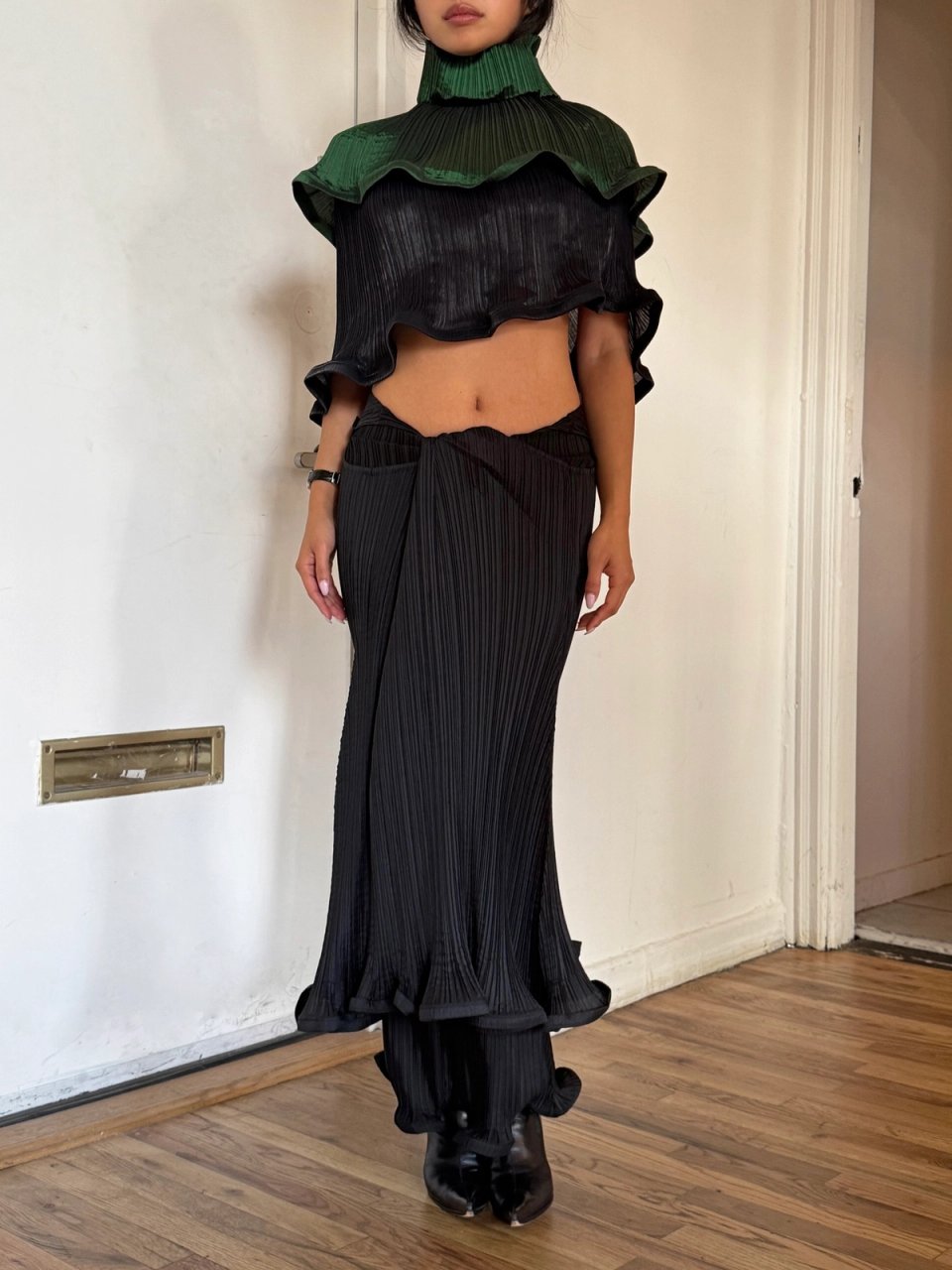
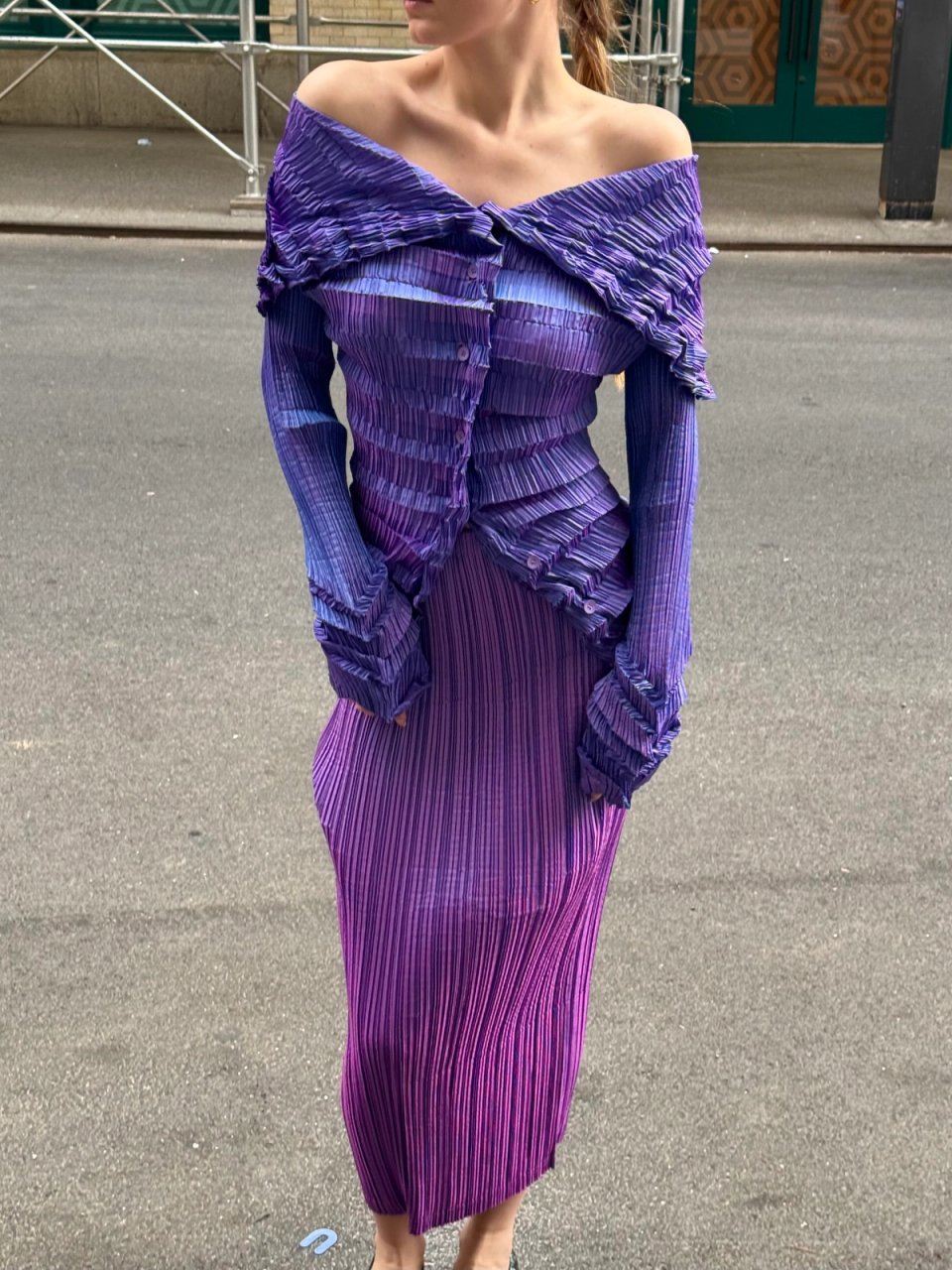
The pleating technique that made Issey Miyake famous was not just a visual statement — it was a technological achievement. Traditional pleating is done after a garment is cut and sewn, but Miyake reversed the process. His team would cut and sew the fabric at two or three times the desired size, then pleat the finished piece using heat and pressure. This innovative process allowed the pleats to move fluidly with the body, creating garments that could expand and contract while maintaining their form.
The result was clothing that was light, travel-friendly, and incredibly resilient. Pleats Please pieces could be folded, washed, and worn without losing shape, embodying the essence of what Miyake called “clothing for life.”
Understanding Issey Miyake Product Numbers
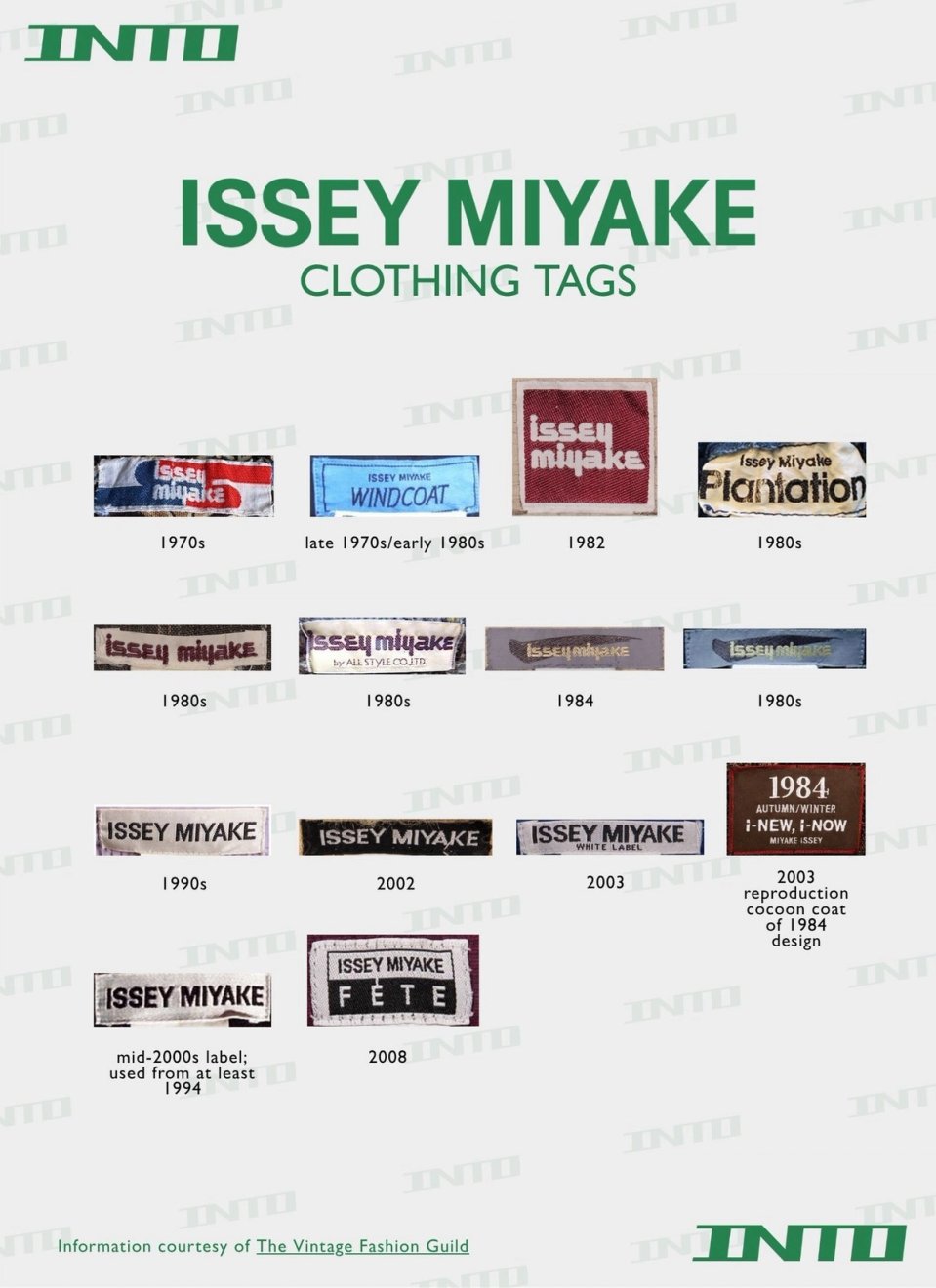
Each Issey Miyake garment tells a story, not only through design but also through the small details printed on its label. The serial code found on the product tag contains information about the specific line, year, and season of production. For collectors and fashion historians, these codes are invaluable tools for identifying and authenticating pieces.
The first two letters on the tag identify the brand or line. For example, IM indicates the Issey Miyake main line, ME stands for Issey Miyake Men, PP refers to Pleats Please, MI represents me ISSEY MIYAKE, HA corresponds to HaaT, and RH or RF denotes Issey Miyake Sport.
The next two numbers represent the year and season. The first number indicates the final digit of the production year, meaning a garment marked “2” could correspond to 1992, 2002, or 2012, depending on its style and label design. The following number reveals the season, with one representing summer, two for spring, three for autumn, and four for winter.
Your attached Issey Miyake Product Numbers chart visually breaks down this system, showing how collectors can read and interpret each code. By understanding these markings, one can determine exactly when a garment was made and which collection it belongs to, connecting a single piece to decades of the brand’s creative evolution.
Reading the Care Labels
In addition to the serial code, the care label offers important information about when a garment was produced. Older Issey Miyake pieces often feature different fabric compositions and laundry symbols than newer ones. A subtle but useful clue is found in the washing instruction symbols. Before 2017, Japanese garments used a distinct set of laundry icons, which changed in 2018 when Japan adopted the international system. Comparing these symbols helps collectors estimate whether a piece was made before or after this transition.
Care labels also embody Miyake’s belief that clothing should be practical. His garments were designed to require minimal maintenance — most pieces can be hand washed or gently machine washed, air-dried, and worn immediately. The combination of sculptural form and everyday functionality continues to define his aesthetic.
For Collectors and Enthusiasts
Understanding Issey Miyake’s serial codes and care tags is not just a matter of authentication. It is a way to connect with the brand’s history and craftsmanship. Each tag is a reflection of Miyake’s systematic yet poetic approach to design — precise, consistent, and rooted in purpose. For collectors, these details hold the key to preserving and cataloging the brand’s extensive archive, where every garment represents a piece of fashion history.
The numbering system also reflects Miyake’s commitment to transparency. Every element of his clothing, from the structure of the pleats to the information printed inside, speaks to a philosophy of openness and respect for the wearer.
Fun Facts About Issey Miyake
Issey Miyake was the first designer to show at Paris Fashion Week with models of diverse nationalities, emphasizing inclusivity long before it became an industry standard. He also designed the signature black turtlenecks worn by Steve Jobs, creating a simple uniform that symbolized both innovation and ease.
Miyake was fascinated by science and engineering, often collaborating with researchers and artists to explore new textile techniques. His work has been exhibited in major museums around the world, including the Museum of Modern Art in New York, where his pleated garments are recognized as functional works of art.
Even after his passing in 2022, the spirit of his brand remains deeply connected to the philosophy he built — a fusion of creativity, technology, and humanity.
The Legacy of Design That Adapts
To understand Issey Miyake is to understand the future of clothing. His designs were never bound by season or gender, and his innovations in pleating, fabrication, and construction changed how the world views clothing itself. Each garment, from a structured jacket to a geometric tote, carries the same vision: that design should serve people, not the other way around.
Through every pleat, fold, and serial code, Issey Miyake continues to remind us that fashion can be art, science, and empathy all at once. His legacy lives not only in the museums that display his work but in the wardrobes of those who wear it every day — effortlessly, beautifully, and without limitation.