The Valentino Code: How Couture Became Cultural Memory
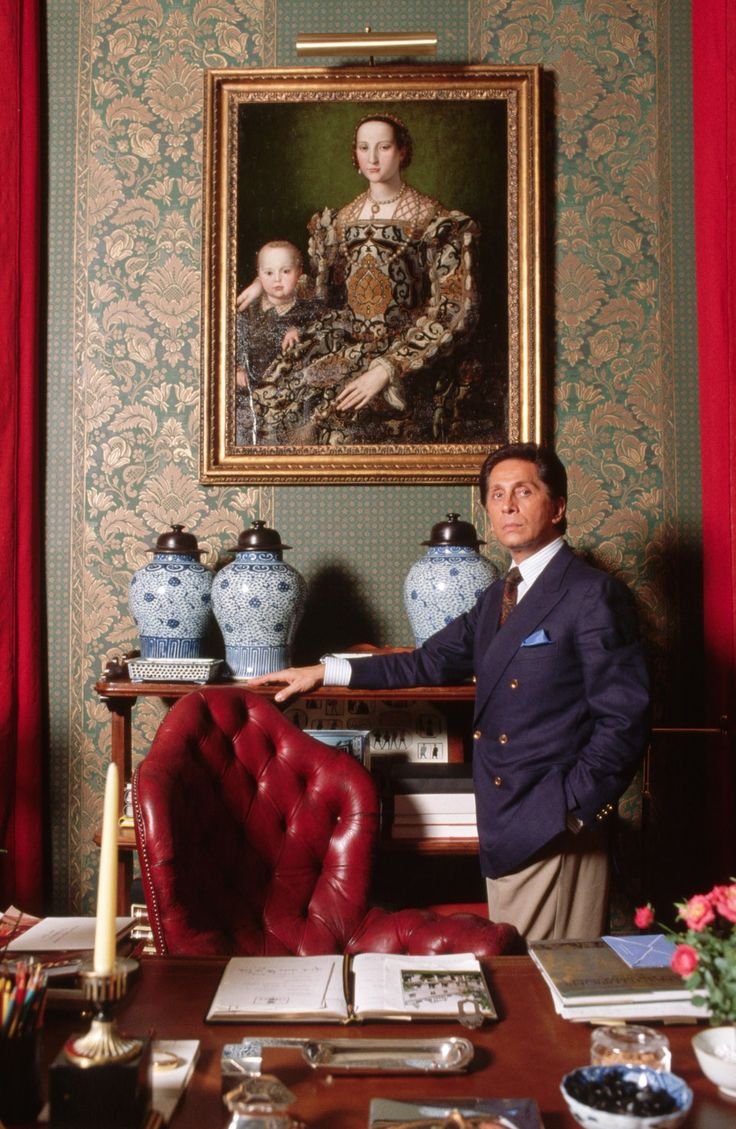
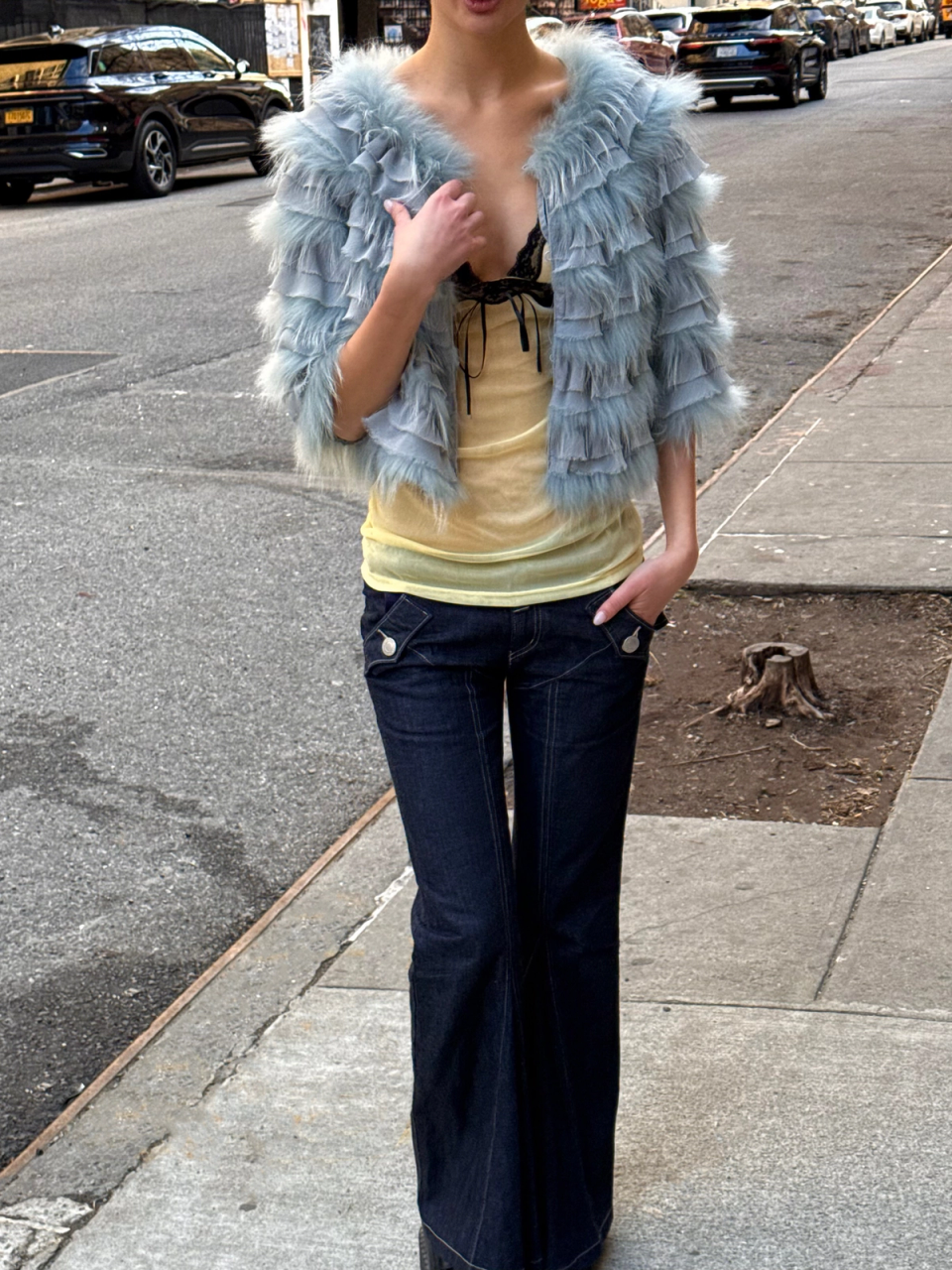
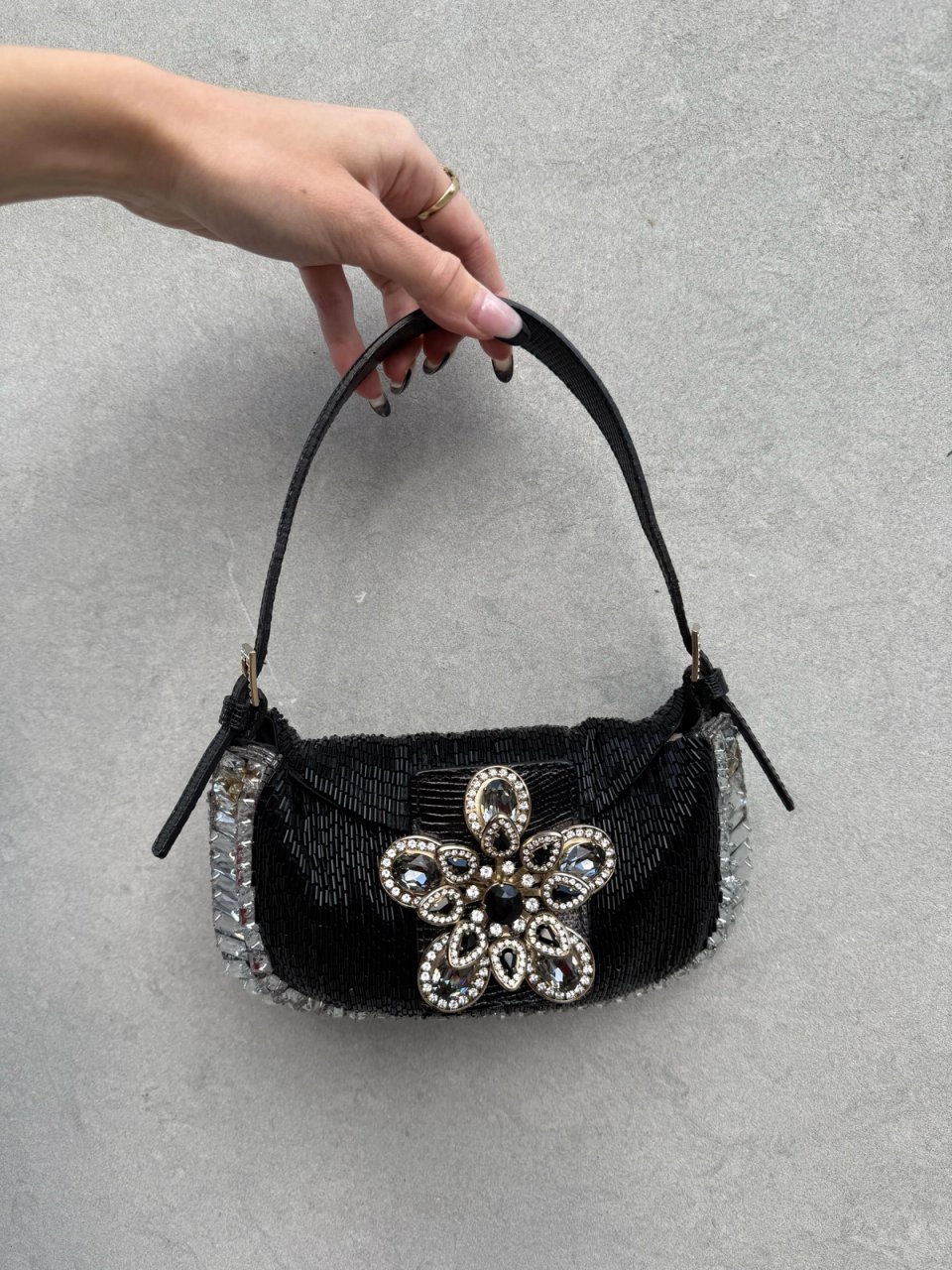
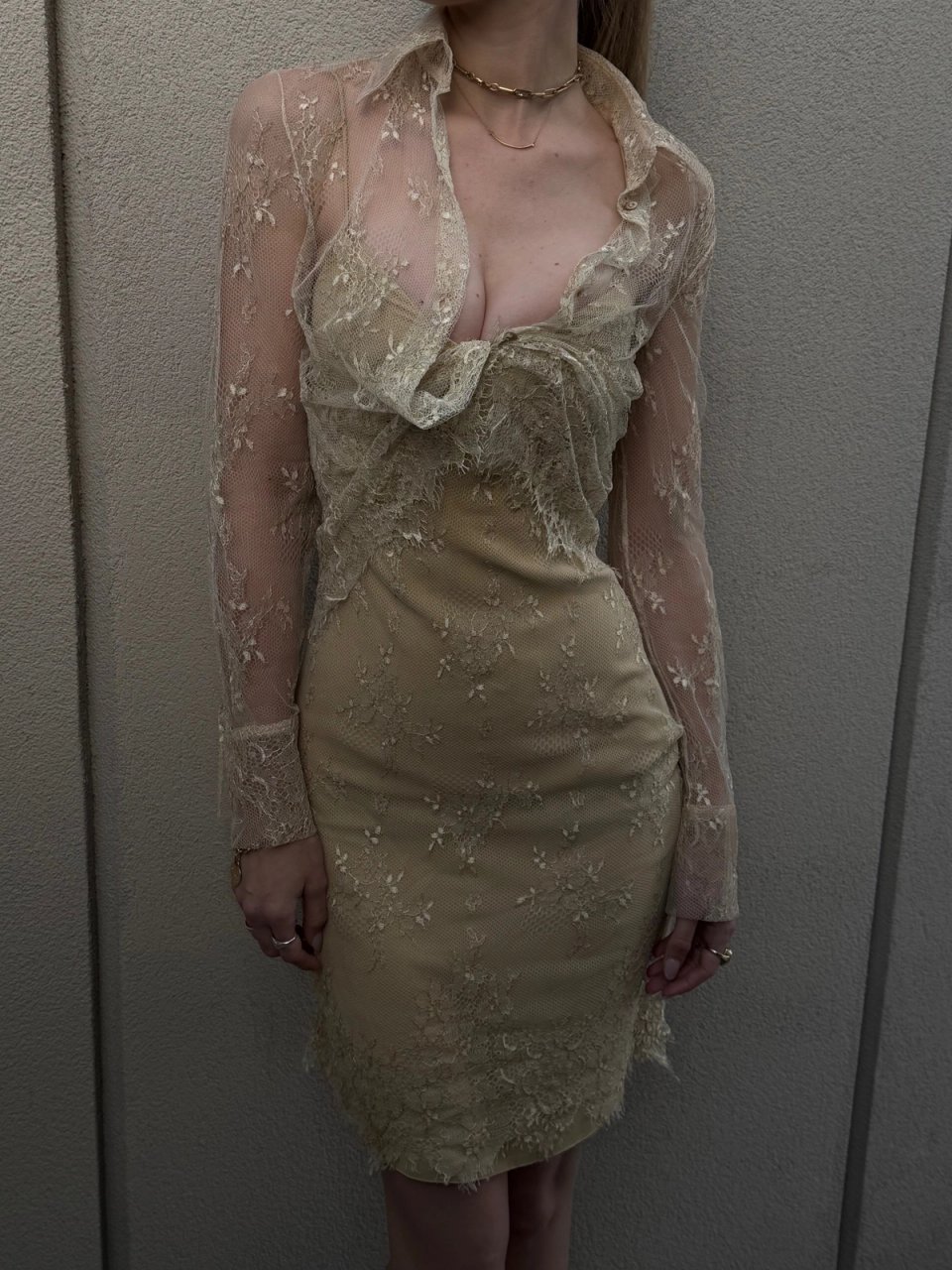
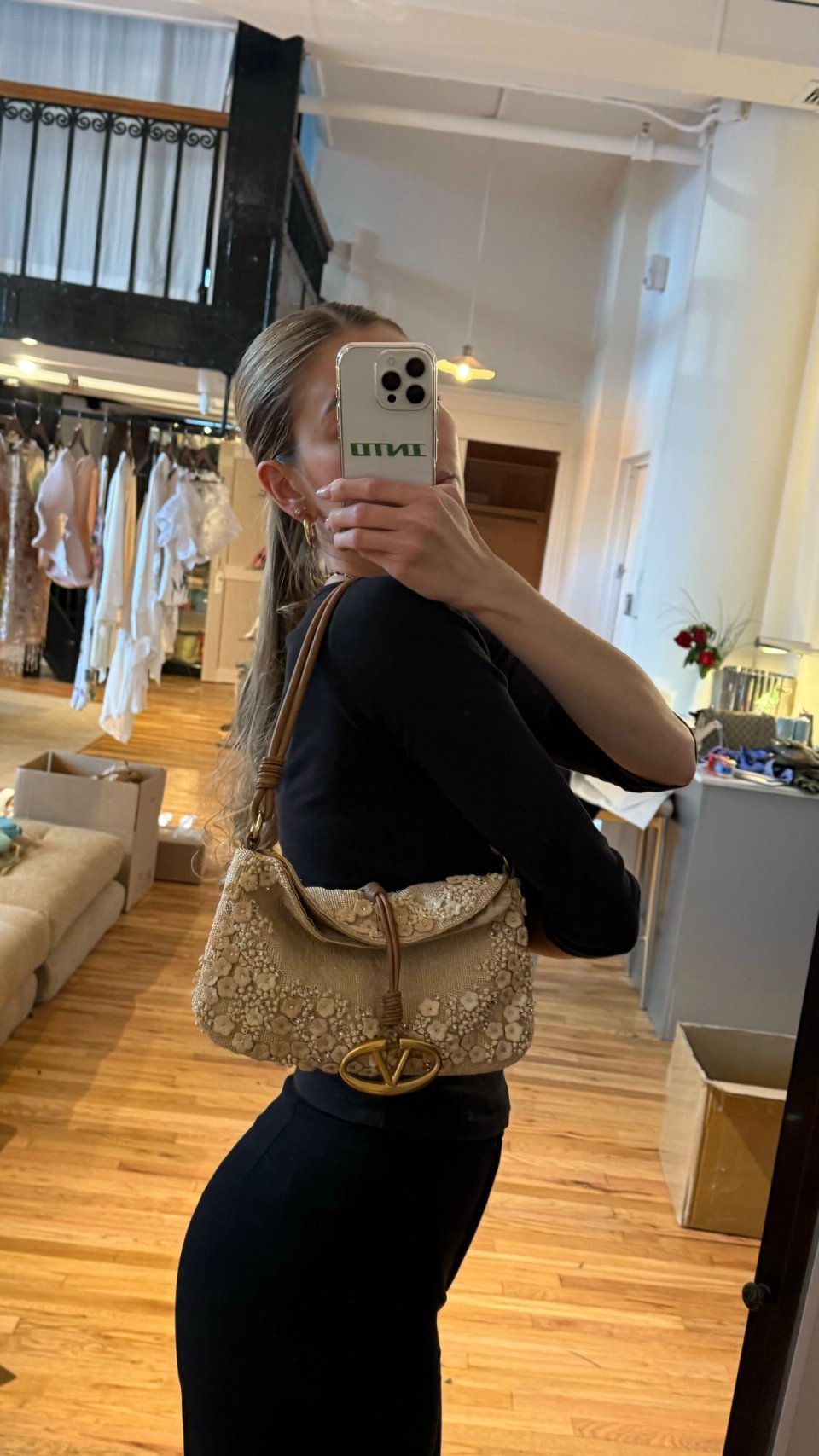
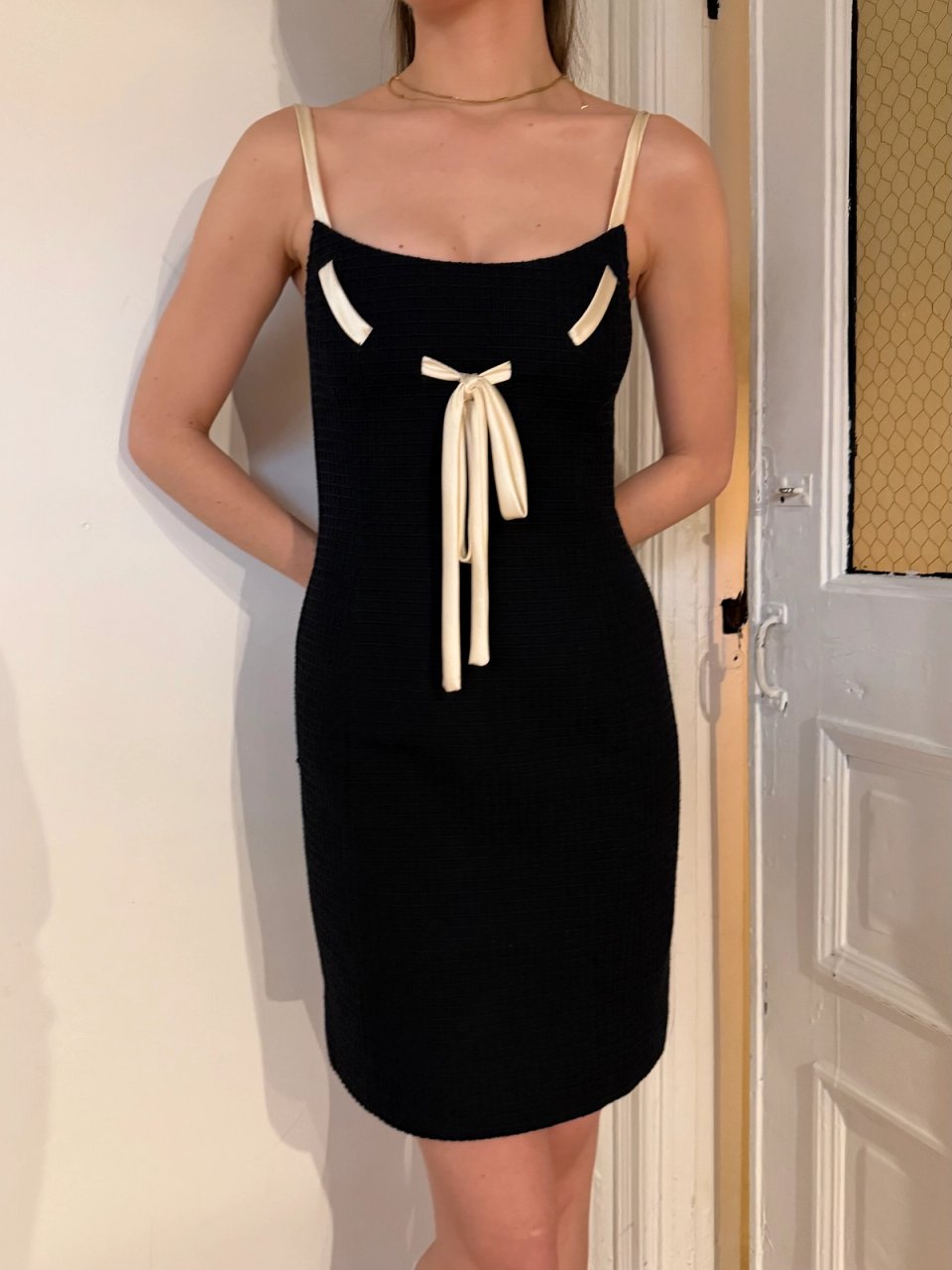
In the world of vintage fashion, not all luxury ages equally. Some houses are remembered for moments, others for spectacle. Valentino Garavani belongs to a rarer category: a fashion house whose garments function as cultural artifacts. Founded in Rome in 1960, Valentino did not simply design clothes—he established a code of elegance so precise that decades later, his work remains immediately recognizable, wearable, and relevant within the vintage space.
For collectors, stylists, and archives like Into Archive, Valentino represents permanence. His designs are not tied to novelty or trend cycles, but to proportion, craftsmanship, and emotional restraint. This is why vintage Valentino does not feel like a revival—it feels continuous.
Valentino as an Archival House
From its earliest couture collections, Valentino was constructed with longevity in mind. Fabrics were chosen not only for beauty, but for how they would age. Silhouettes were engineered to flatter the body across time, resisting the visual markers that often date garments to a single decade. Even when unmistakably of their era, vintage Valentino pieces retain a clarity that allows them to exist seamlessly in contemporary wardrobes.
This makes Valentino uniquely suited to the archive space. A vintage Valentino gown or tailored suit does not require context to justify its relevance—it carries its own authority. For Into Archive, this aligns with a core philosophy: fashion as preservation, not trend recycling.
The Importance of Valentino Red in Vintage Collecting
No discussion of Valentino is complete without Valentino Red, a color that has become both a brand signature and a historical marker. In the vintage market, this shade often signals a garment’s significance—frequently appearing in couture pieces, eveningwear, and iconic silhouettes worn during pivotal cultural moments.
Unlike trend-based color stories, Valentino Red transcends seasonality. Its presence in archival pieces reinforces the house’s commitment to visual continuity, making vintage Valentino instantly identifiable and deeply collectible. For collectors and stylists sourcing statement garments with historical weight, this color functions almost as a calling card.
Craftsmanship That Survives Time
One of the defining reasons vintage Valentino remains so relevant today is construction. Couture techniques—hand-finished seams, precise tailoring, complex lacework, and balanced embellishment—allow these garments to endure physically as well as aesthetically. Many vintage Valentino pieces require minimal restoration, a testament to the standards of the atelier.
In an era dominated by fast production and disposable fashion, this level of craftsmanship positions Valentino squarely within the values of modern archival collecting. These are garments designed to be worn, preserved, and reinterpreted—not consumed and discarded.
Cultural Memory and Wearability
Valentino’s clientele historically included royalty, political figures, and cultural icons—women who dressed not for spectacle, but for authority and presence. As a result, vintage Valentino garments often carry an understated power that feels particularly resonant today.
Within the vintage ecosystem, this translates to versatility. Valentino pieces are frequently sourced for:
- Editorial styling and film
- Red carpet and special events
- Private collectors building long-term wardrobes
- Clients seeking timeless alternatives to contemporary luxury
At Into Archive, this relevance matters. Vintage Valentino is not treated as costume or nostalgia—it is positioned as functional luxury with history embedded in every seam.
Valentino and the Modern Archive
What makes Valentino especially compelling in the context of Into Archive is its resistance to trend fatigue. As fashion cycles accelerate, archival Valentino offers grounding. These garments remind us that elegance is not loud, and luxury is not temporary.
By sourcing and preserving vintage Valentino, Into Archive participates in a broader act of cultural stewardship—ensuring that garments created with intention continue to exist, circulate, and be worn. Each piece becomes part of a living archive, bridging past craftsmanship with present desire.
Why Valentino Endures in the Vintage Space
Valentino Garavani’s legacy is not sustained by hype, but by discipline. His work proves that when fashion is built on proportion, restraint, and respect for the wearer, it does not expire.
In the vintage space, Valentino is not rediscovered—it is reaffirmed. And within archives like Into Archive, it stands as a reminder that true luxury is not about what is new, but about what remains.