The YSL Mombasa: Tom Ford’s Vision of “Savage Luxury”
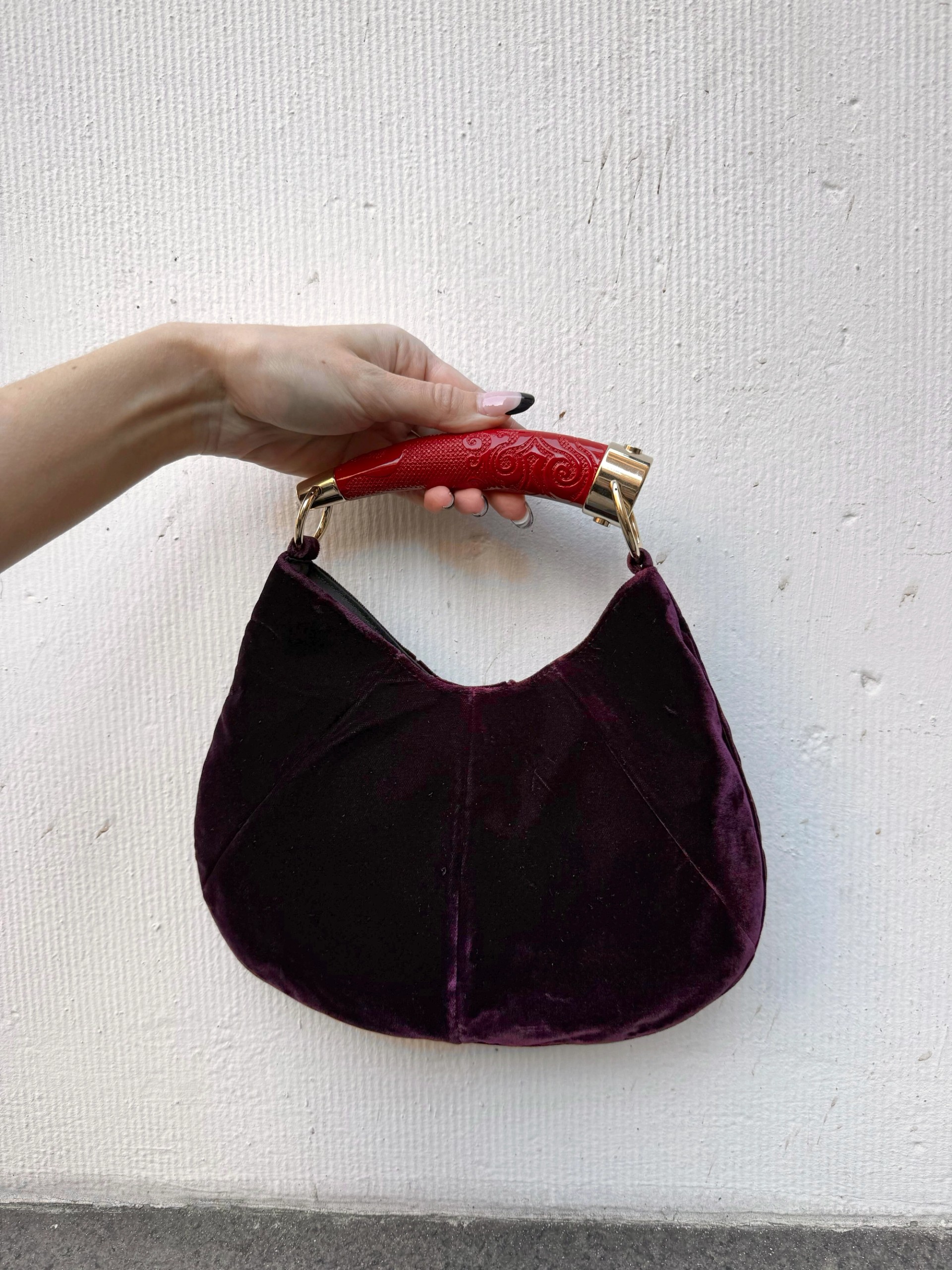
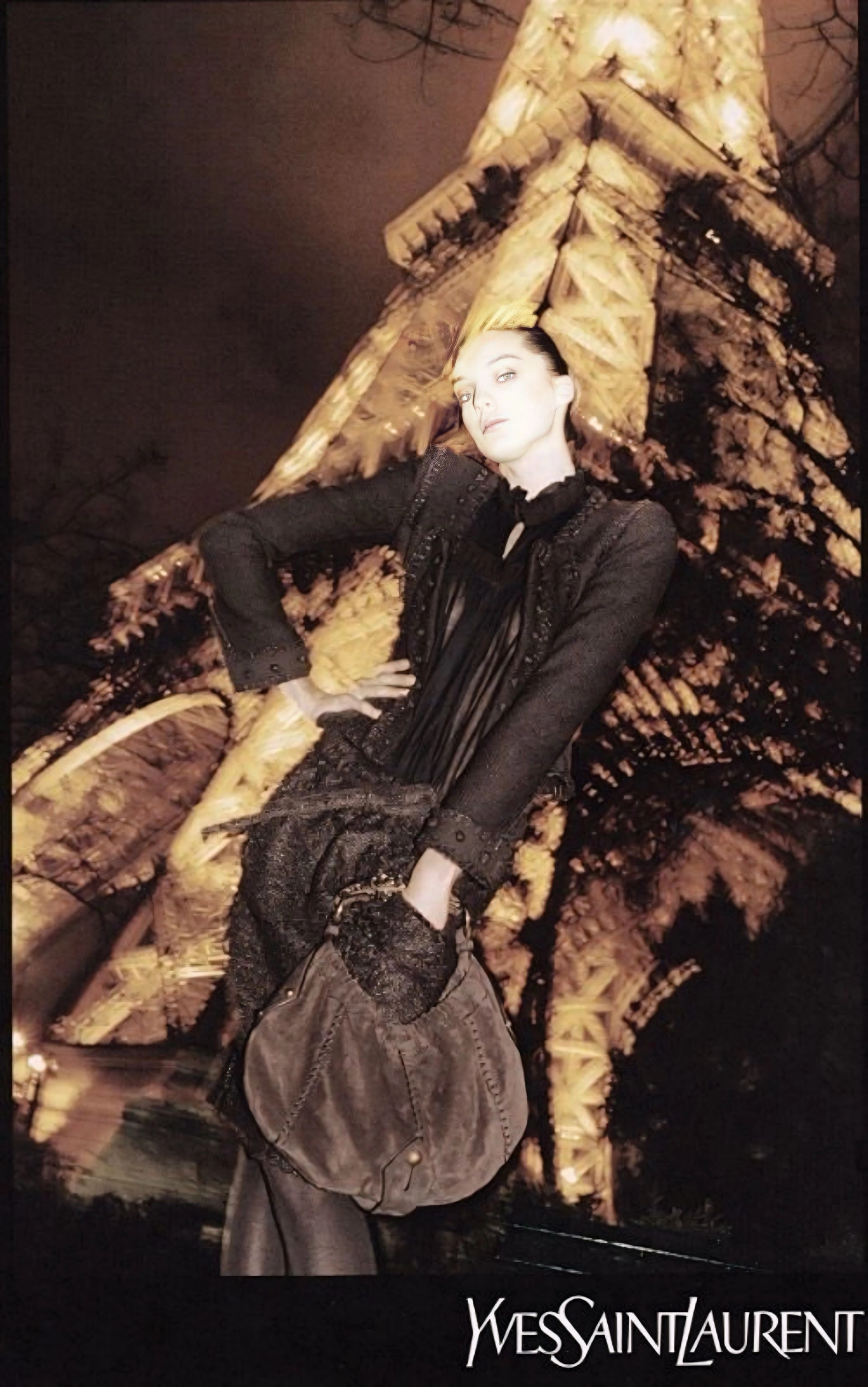
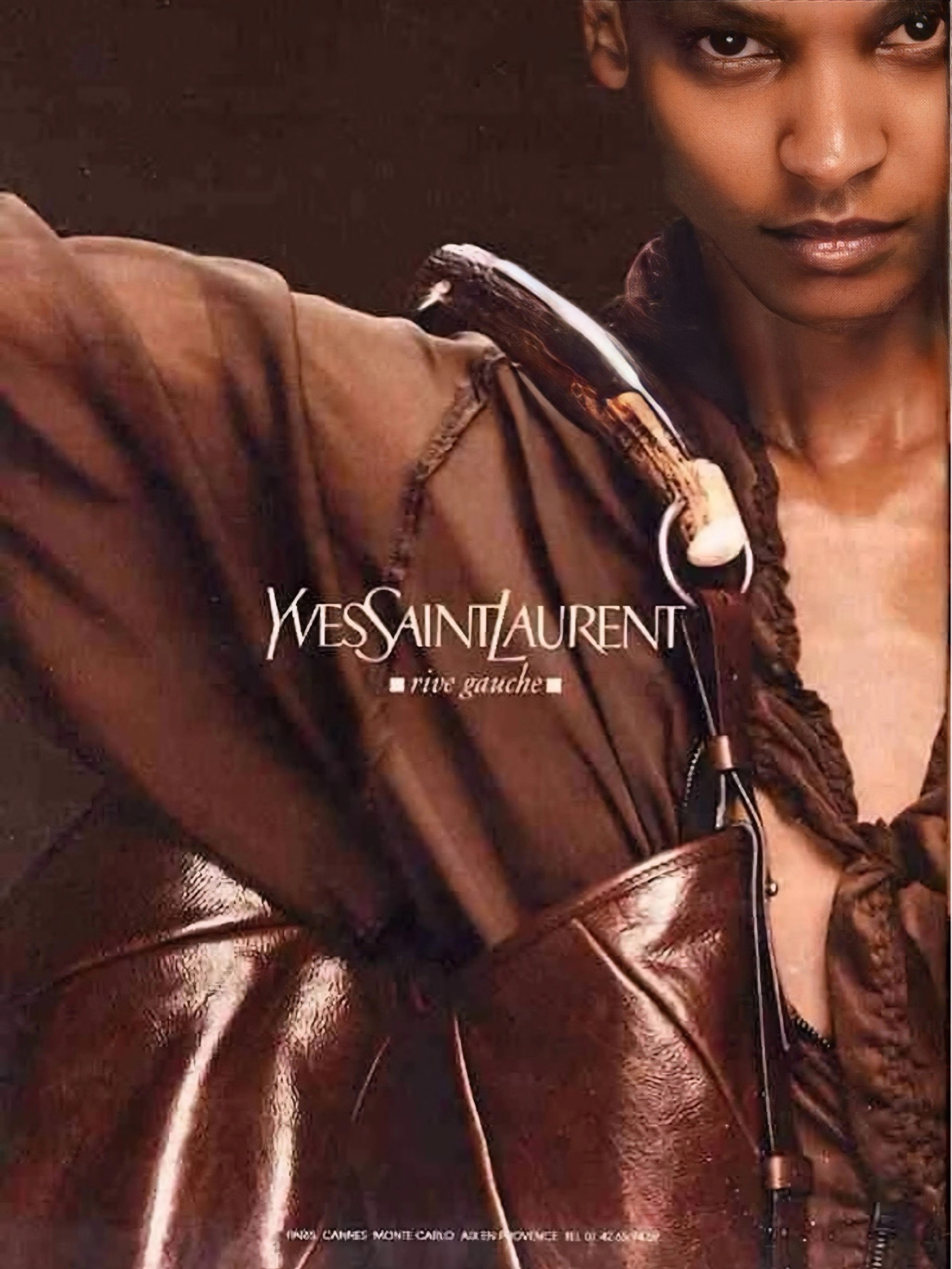
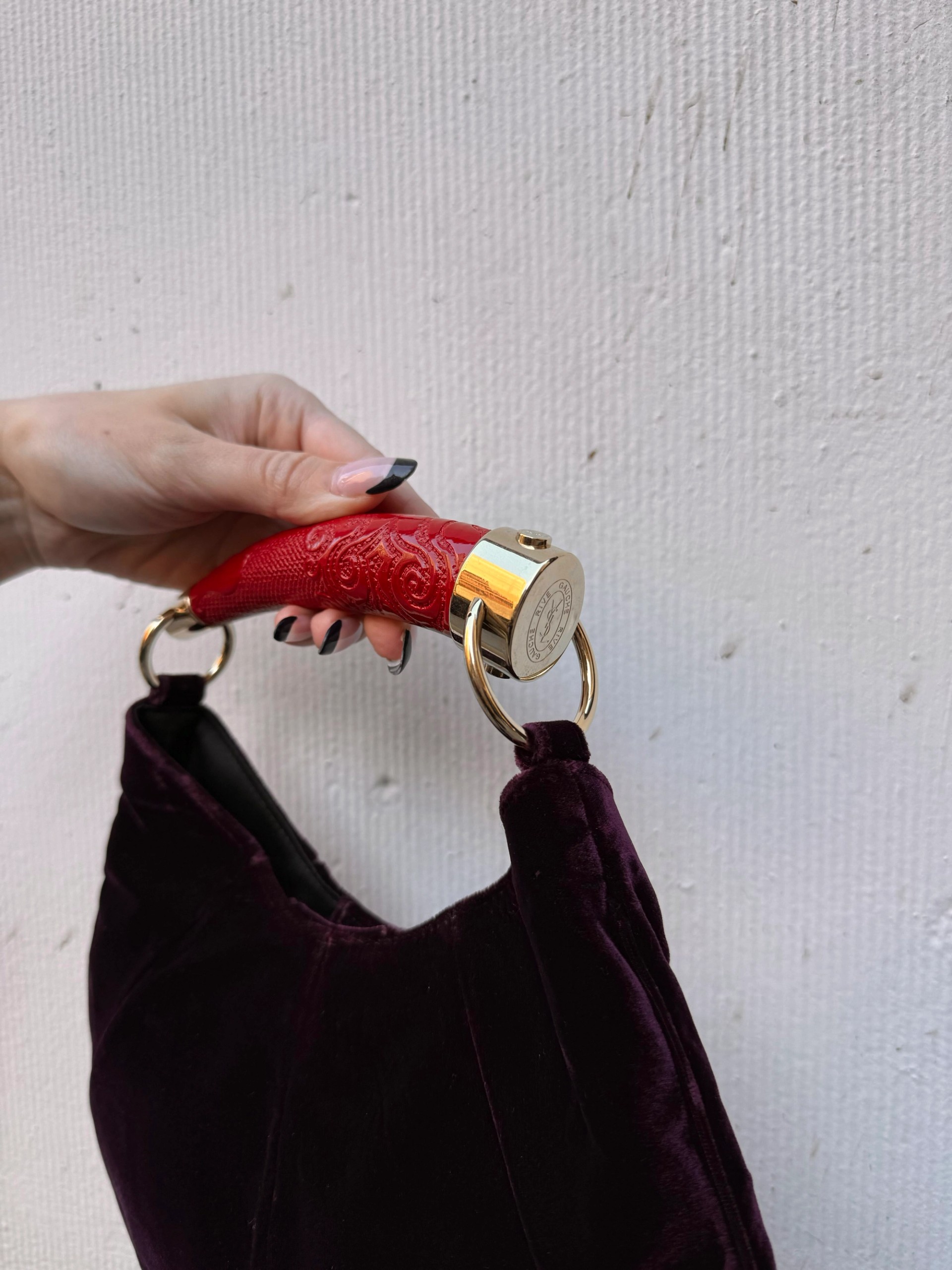
The YSL Mombasa Bag: Tom Ford’s Wild Expression of “Savage Luxury”
When Tom Ford took over Yves Saint Laurent Rive Gauche in the early 2000s, he redefined what Parisian luxury could look like. His tenure marked a bold new era where sensual minimalism, precision tailoring, and provocative glamour came together in a way that felt both modern and timeless. Among his many groundbreaking creations, one accessory captured this spirit better than any other: the YSL Mombasa bag, first introduced for the Spring/Summer 2002 collection.
The Mombasa quickly became more than just an accessory. It embodied Ford’s design philosophy, a balance of raw nature and refined craftsmanship that he famously described as “savage luxury.” This tension between untamed beauty and couture precision made it one of the defining handbags of the early 2000s and a lasting symbol of Ford’s influence on the YSL legacy.
Origins and Inspiration
The Mombasa takes its name from the Kenyan port city of Mombasa, a place long known for its trade in horn, wood, and ivory. Ford’s decision to use the name reflected his fascination with global influences, organic textures, and the sensual power of natural materials. The name evoked a sense of travel and adventure, aligning with the early 2000s fascination with craftsmanship and authenticity.
At a time when fashion was leaning toward sleek minimalism and heavily branded designs, the Mombasa stood out. It was earthy and tactile, celebrating the imperfections and individuality of its materials. Ford wanted to bring emotion and texture back into luxury, creating something that felt instinctive rather than overly polished. It was a bag that felt alive, with character in every curve and surface.
Design and Construction
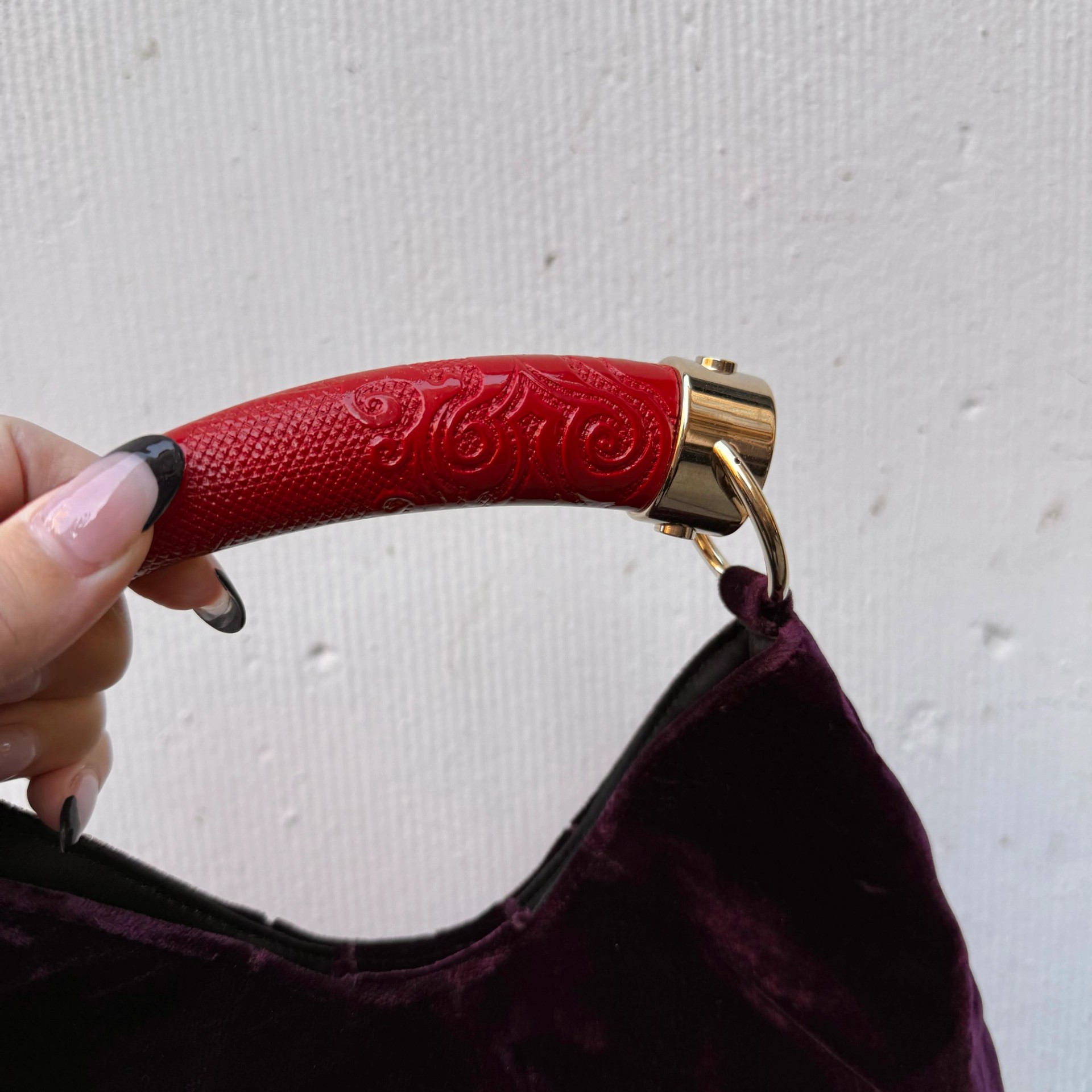
The most distinctive feature of the YSL Mombasa is its curved horn handle, originally carved from real deer horn. No two handles were exactly alike, giving each bag a subtle uniqueness that reflected the individuality of its wearer. This organic material contrasted beautifully with the soft, structured body of the bag, which was often made from distressed leather, suede, or calfskin. Together, the materials created a perfect balance between wildness and refinement.
The crescent-shaped body was designed to rest naturally against the body, combining comfort with sculptural form. Minimal YSL branding and aged brass hardware emphasized restraint over excess, letting the materials and silhouette take center stage. In an era defined by loud logos, the Mombasa represented quiet confidence.
Eventually, for ethical reasons, YSL replaced the natural horn with resin versions that replicated the same shape and texture. The update allowed the design to remain true to its spirit while aligning with evolving standards of sustainability and responsibility in fashion. The essence of the Mombasa—the meeting of raw and refined—remained unchanged.
Cultural Impact and Celebrity Endorsement
When the YSL Mombasa debuted in 2002, it immediately captured attention. It appeared prominently in YSL’s campaigns and quickly found its way into the wardrobes of fashion icons like Kate Moss, Naomi Campbell, Gwyneth Paltrow, and Amber Valletta. These women perfectly represented the kind of modern glamour the Mombasa stood for: confident, sensual, and effortlessly sophisticated.
The Mombasa became one of the most talked-about “It bags” of the decade, alongside icons like the Fendi Baguette and the Dior Saddle Bag. Yet it offered something different. Where others leaned into pop culture or overt trendiness, the Mombasa felt timeless and artistic. It wasn’t just a statement piece; it was a work of design that combined primal energy with elegant restraint.
Its popularity also reflected a wider shift in fashion at the time. Luxury houses were beginning to explore the beauty of natural materials and handmade craft. The Mombasa became a symbol of this new direction, showing that luxury could be raw and organic while remaining exquisitely made.
Tom Ford’s Vision for YSL
Tom Ford’s years at Yves Saint Laurent were brief but transformative. From 1999 to 2004, he brought a sense of bold sensuality and cinematic drama to the brand. Ford once said he wanted his designs to feel both erotic and elegant, and the Mombasa captured that perfectly.
The bag’s smooth silhouette and tactile handle made it feel intimate and sensual, while its simplicity gave it sophistication. It embodied Ford’s fascination with duality—strength and softness, control and instinct, nature and artifice. Under his creative direction, YSL became a brand that spoke to powerful modern women who wanted to express both beauty and authority. The Mombasa was their emblem.
Legacy and Collectibility
More than twenty years later, the YSL Mombasa remains one of the most collectible handbags of its era. Vintage collectors prize the original horn-handle versions for their craftsmanship and rarity. Each bag carries its own history, reflected in the natural variations of its handle and the patina of its leather.
Later creative directors, including Hedi Slimane and Anthony Vaccarello, have revisited the Mombasa’s signature silhouette and organic textures in their own collections. Even as YSL continues to evolve, the Mombasa remains one of its most enduring inspirations.
Today, the Mombasa is more than a handbag. It represents a moment in fashion when luxury began to embrace the imperfect and the authentic. It reminds us of Tom Ford’s incredible ability to merge sensuality with structure, instinct with elegance, and modernity with timeless craft.
The YSL Mombasa is a masterpiece of early 2000s design and one of the defining symbols of Tom Ford’s vision for Yves Saint Laurent. It tells a story about nature, craftsmanship, and the evolving idea of luxury. With its sculptural horn handle, curved silhouette, and understated power, the Mombasa remains a rare example of a design that feels as relevant today as it did over two decades ago.
For collectors, stylists, and fashion enthusiasts, it represents more than nostalgia. It is a reminder of what true design innovation looks like—an object that speaks not just to fashion, but to the artistry and emotion behind it.