Dolce & Gabbana: The History of the Italian Fashion House and Its Diffusion Lines


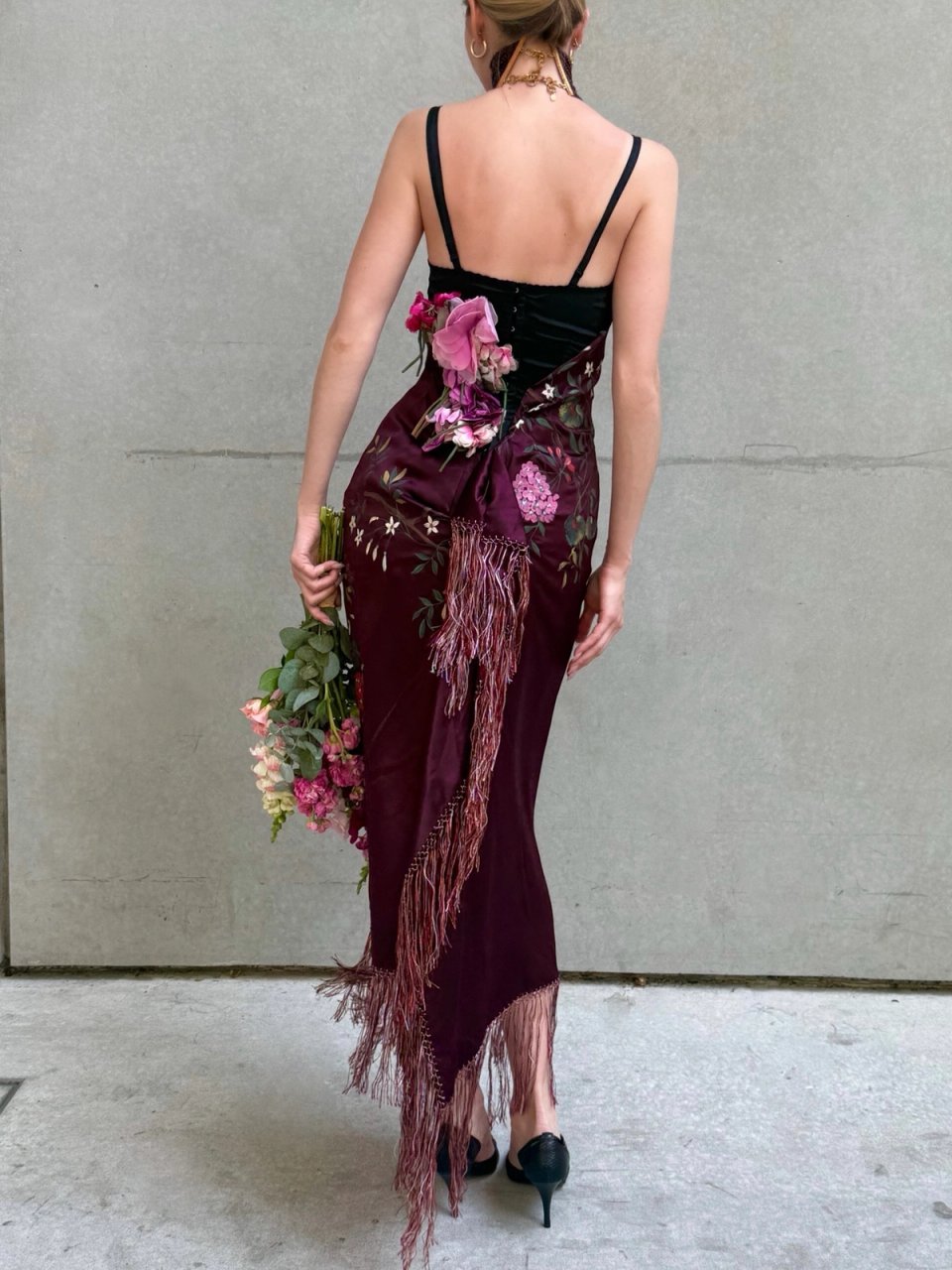

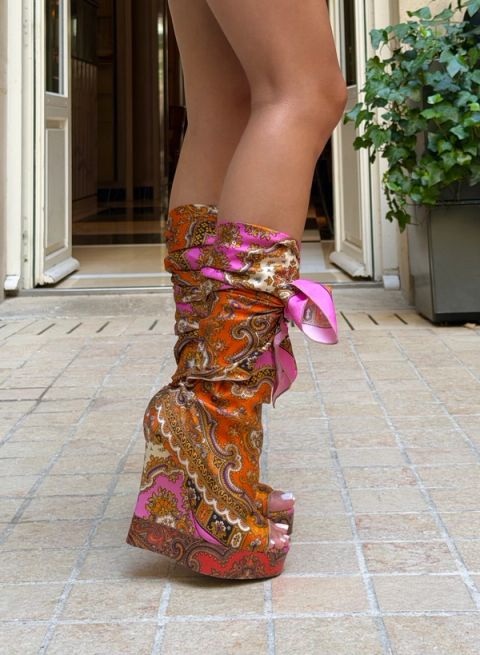
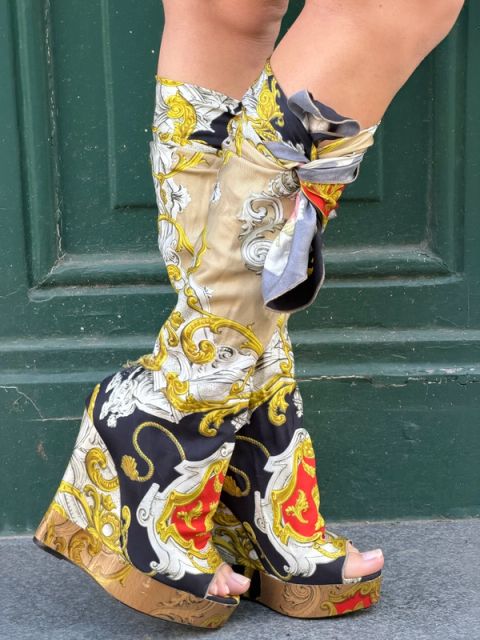
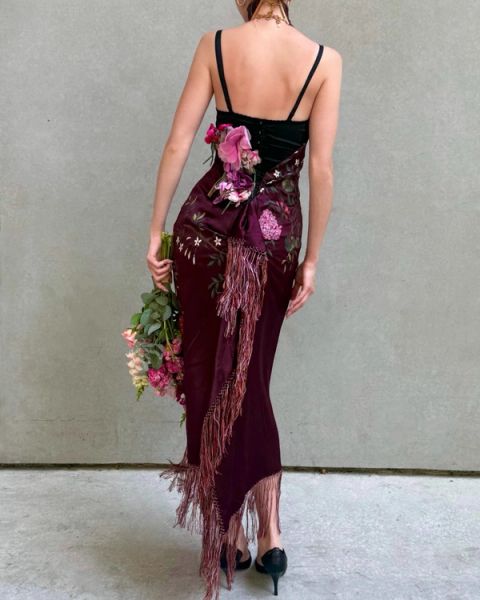
Few fashion houses understand the power of a little drama quite like Dolce & Gabbana. Think black lace, leopard print, corsetry, crystal embellishments, religious iconography, and the kind of Italian glamour that refuses to blend into the background. Whether it is a body-hugging 1990s dress, a logo-heavy pair of early-2000s sunglasses, or a pair of statement-making platform heels, Dolce & Gabbana has spent decades proving that subtlety is not the only way to make a fashion statement.
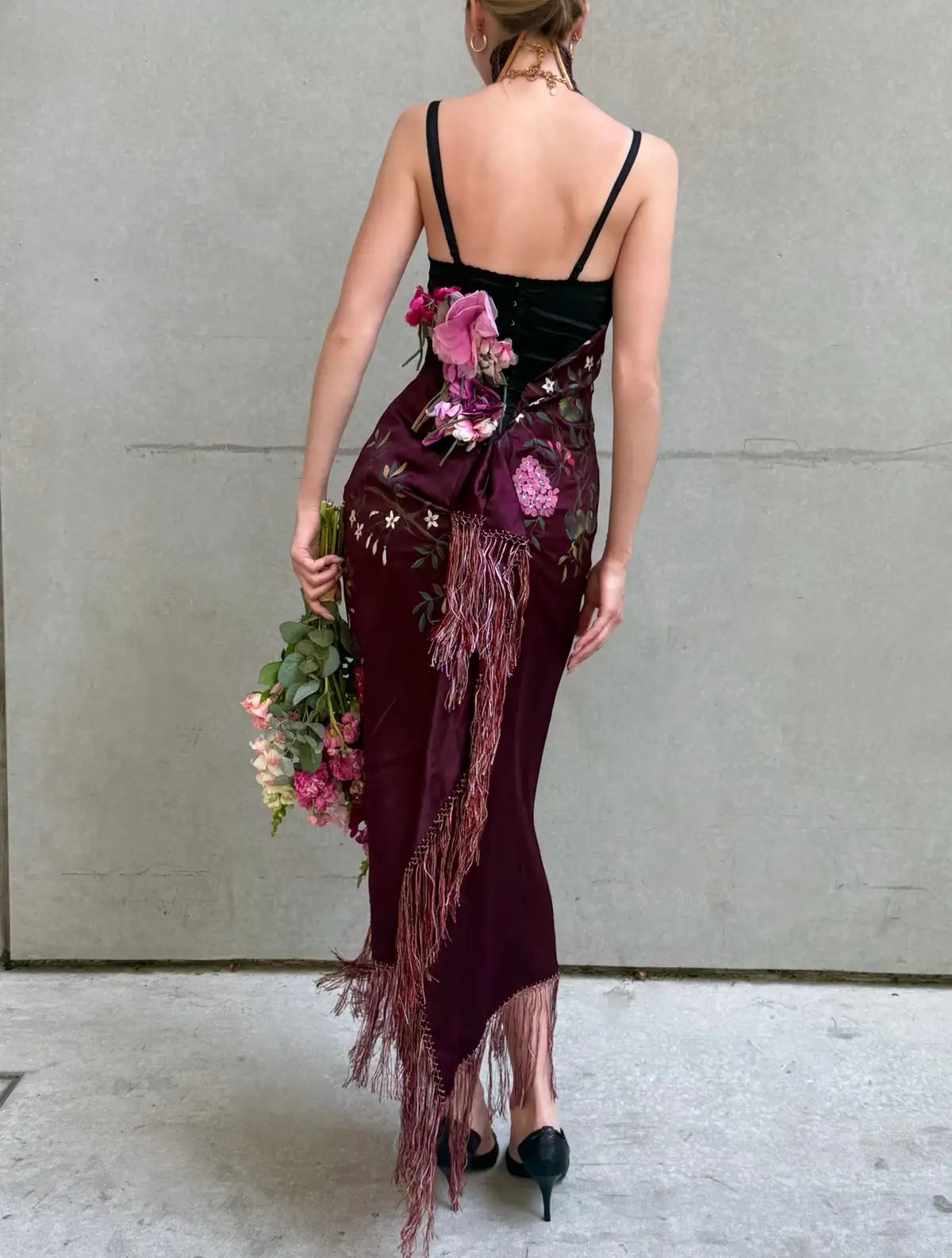
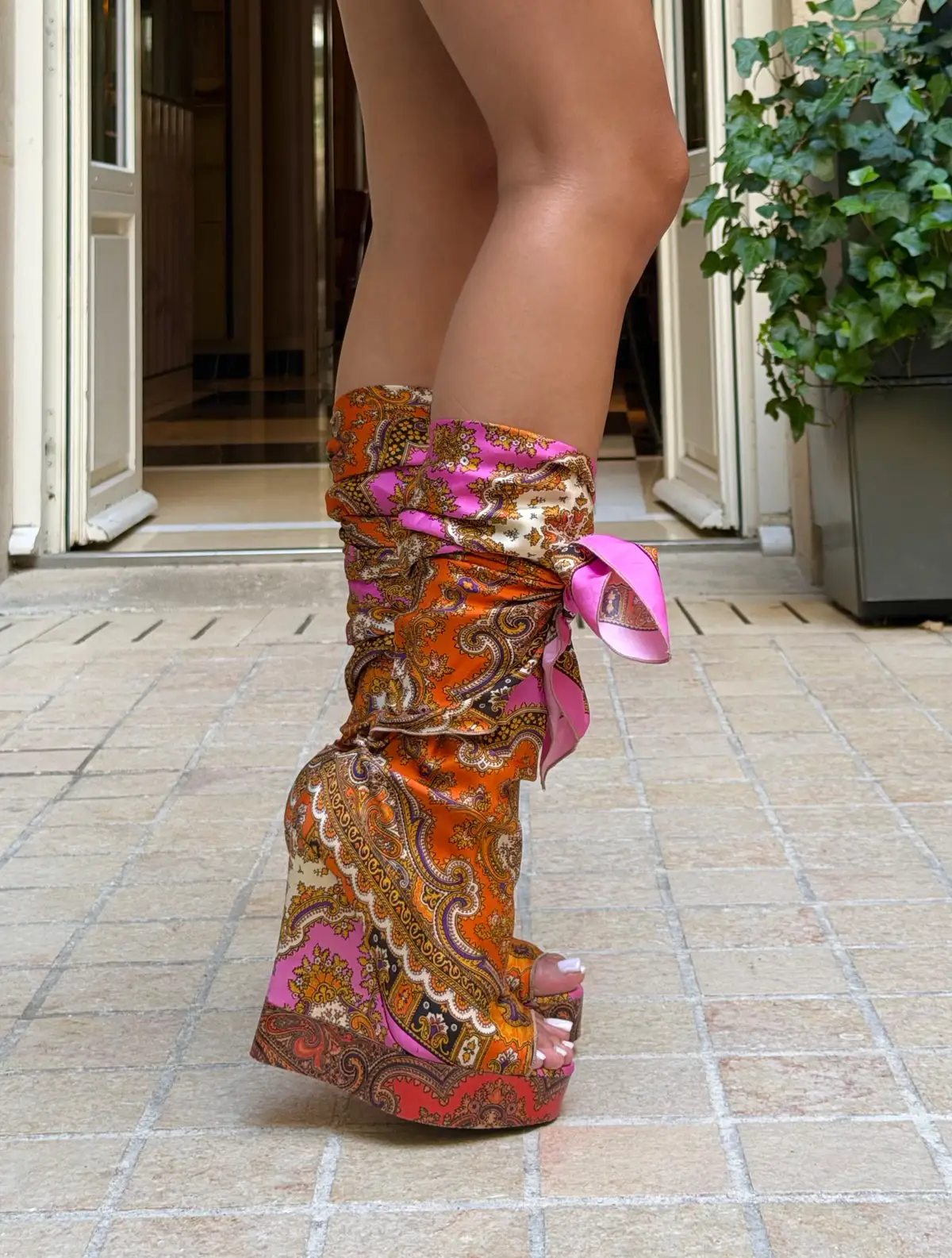
Founded by Domenico Dolce and Stefano Gabbana, the Italian fashion house built its identity around a highly recognizable mix of Sicilian heritage, sensuality, and unapologetic maximalism. But its history is about more than the main runway label. The introduction of D&G in the 1990s created a younger, more street-facing counterpart to the main collection, helping bring the designers' aesthetic to an entirely different audience.
Today, understanding the difference between Dolce & Gabbana and D&G is particularly useful for vintage shoppers and collectors. The labels belong to the same fashion universe, but they represent different chapters in its history. Here is how the house evolved, why its diffusion line became such a defining part of 1990s and 2000s fashion, and what to look for when shopping vintage.
The Beginning: How Dolce & Gabbana Became an Italian Fashion Powerhouse

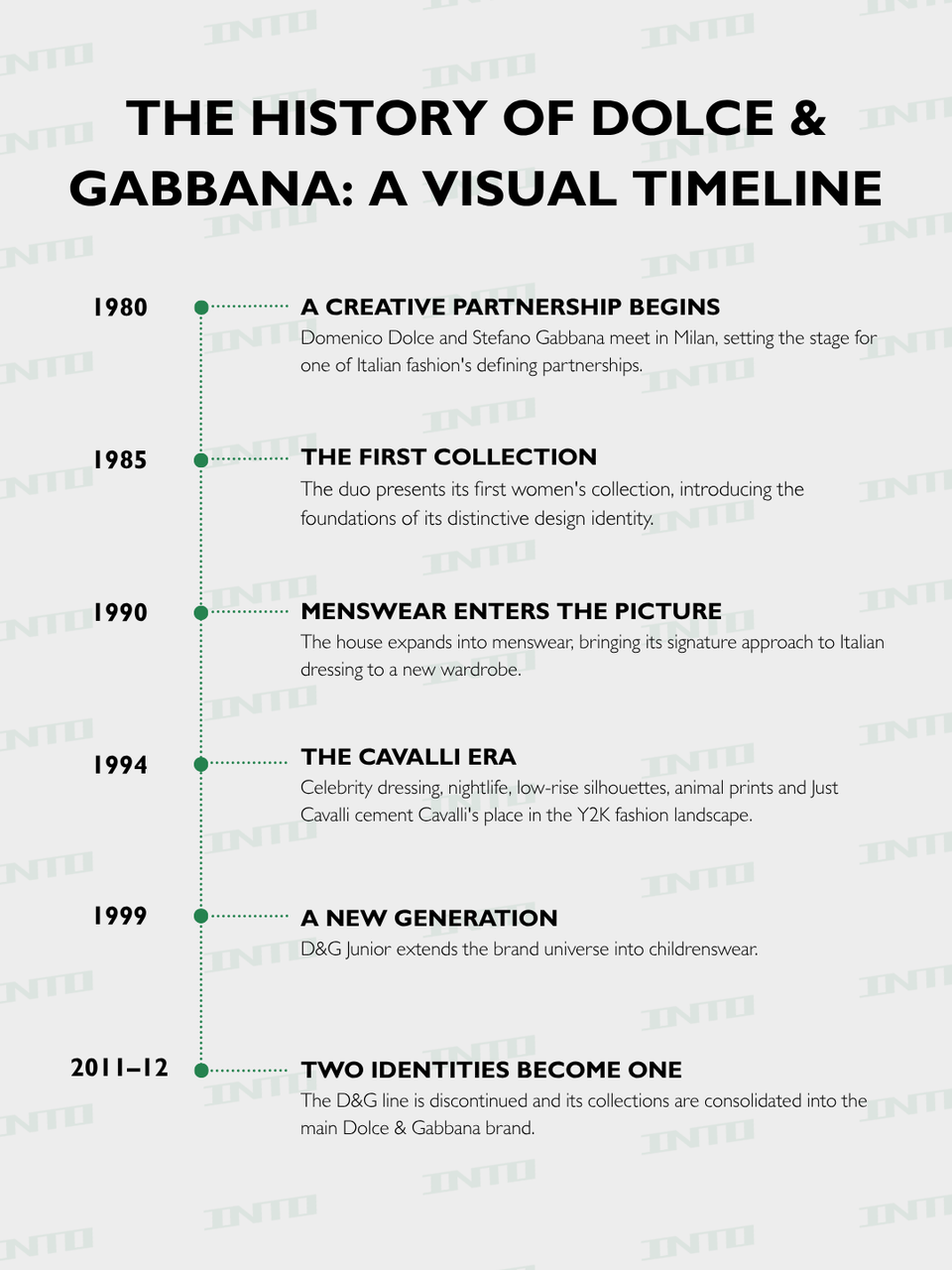
Domenico Dolce and Stefano Gabbana met in Milan in 1980, beginning a professional relationship that would eventually become one of the most recognizable partnerships in Italian fashion. They established their design business in the early 1980s, and their first women's collection debuted during Milan's fashion shows in 1985.
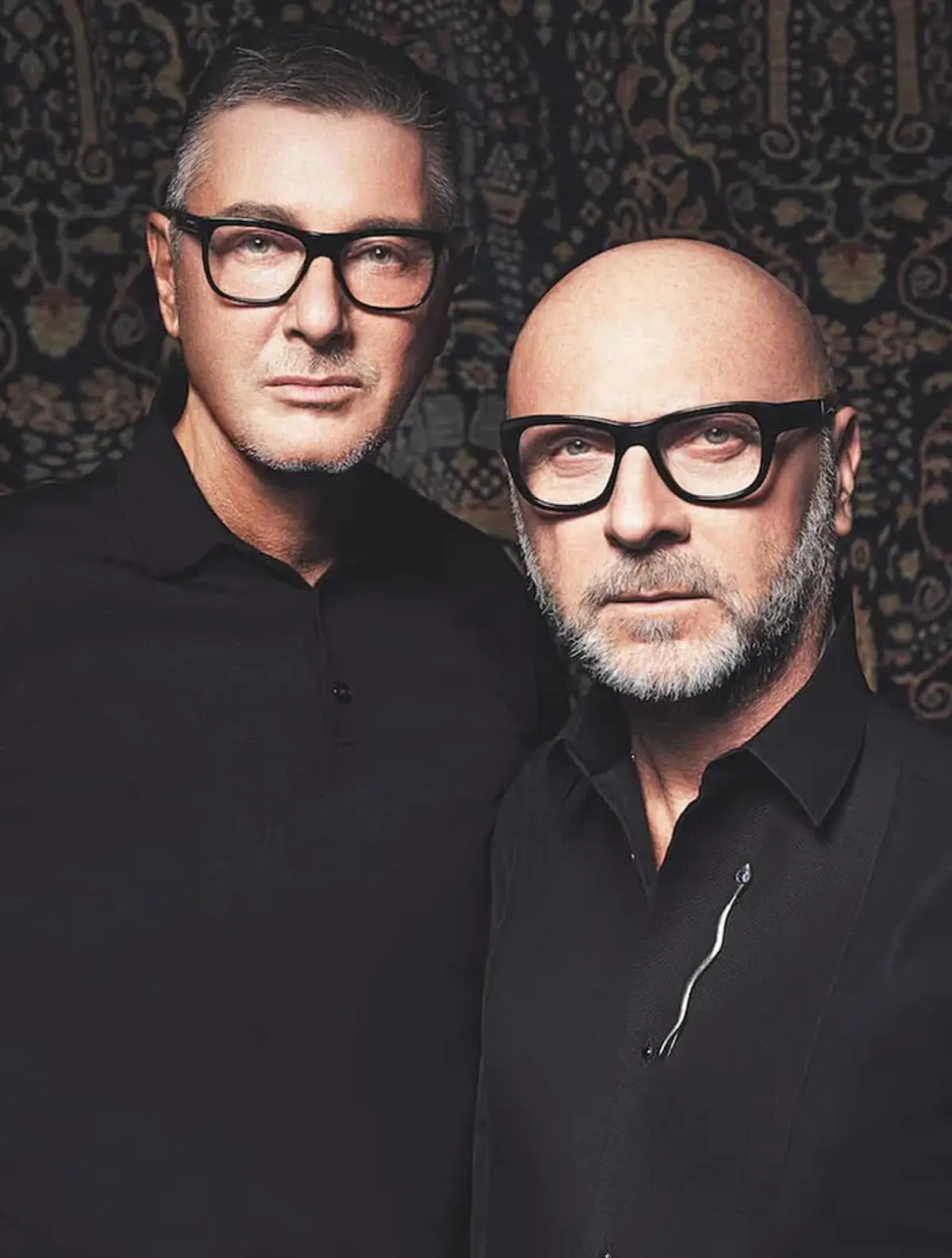
Their early success did not happen overnight. The designers developed their identity through collections that challenged the restrained, minimalist aesthetic associated with much of 1980s and early-1990s fashion. Rather than stripping clothing back to its simplest form, they embraced the expressive potential of the female silhouette, drawing inspiration from Italian cinema, family traditions, and the visual culture of Sicily.
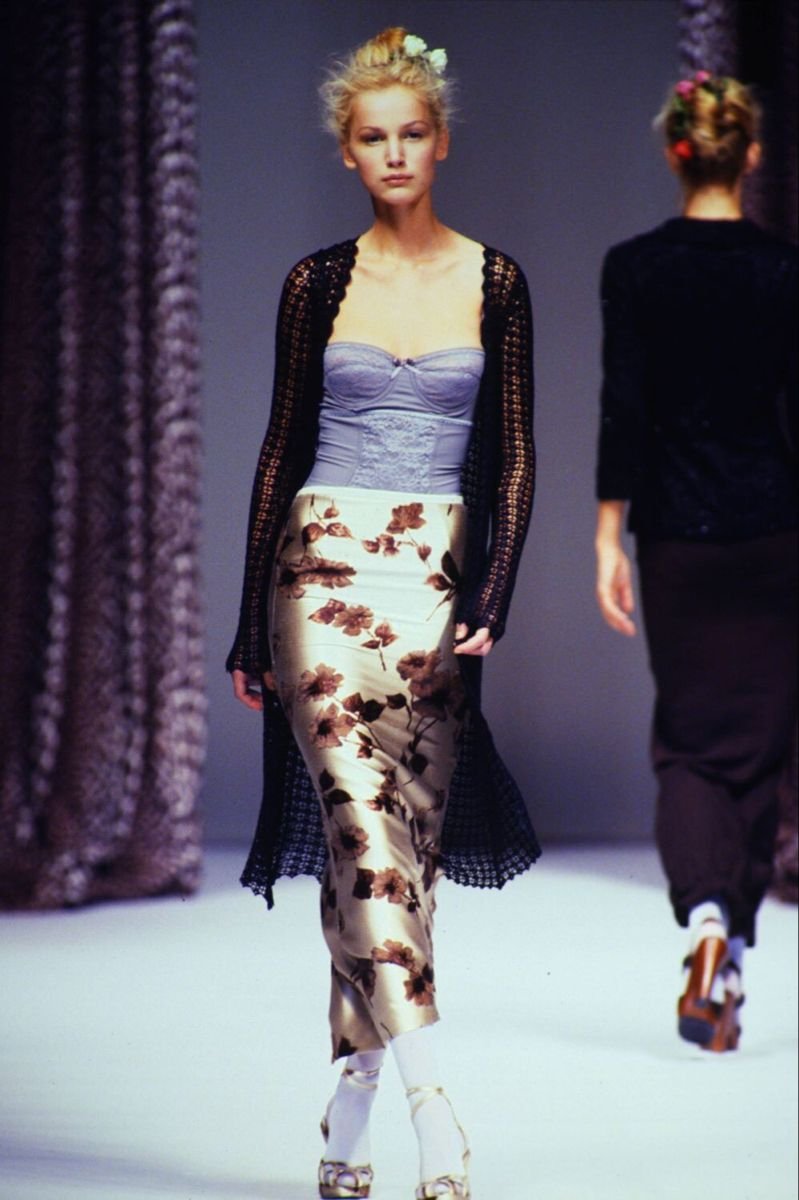
That Sicilian connection became central to the brand. Black dresses, lace, corsetry, religious references, and distinctly Mediterranean ideas of femininity appeared throughout its collections. The result was a style that felt simultaneously traditional and provocative, rooted in cultural memory but designed for a modern woman.
By the late 1980s, the house had expanded into knitwear, lingerie, and beachwear. A menswear collection followed in 1990, establishing Dolce & Gabbana as a growing fashion business rather than a womenswear label alone.
From the beginning, Dolce & Gabbana was not trying to disappear into the wardrobe. It was building a visual identity that people could recognize across a room.
The 1990s: The Rise of a Signature Dolce & Gabbana Aesthetic

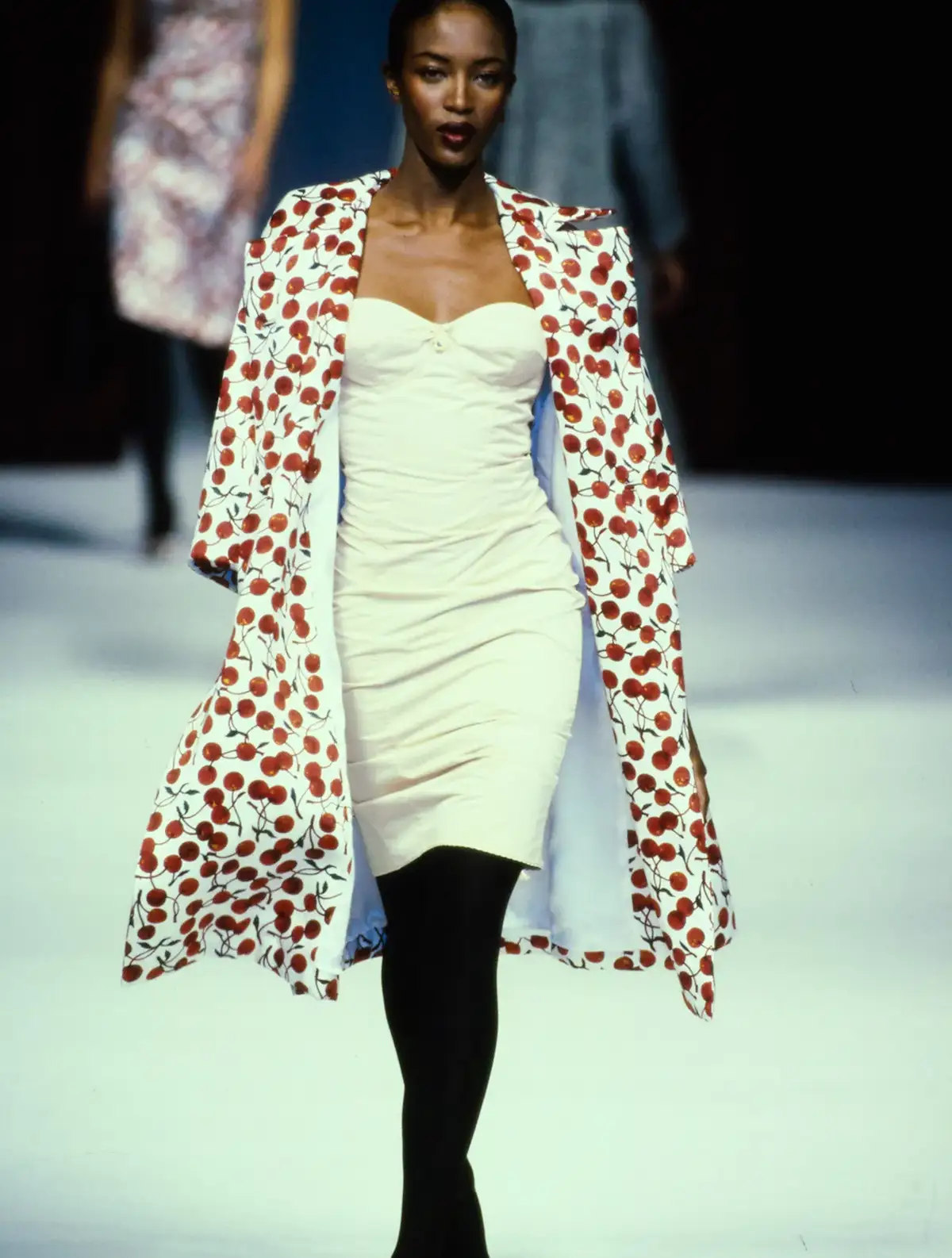
The 1990s helped establish Dolce & Gabbana as a major force in international fashion. While other designers were exploring minimalism, the house leaned into sensuality, body-conscious tailoring, lingerie-inspired dressing, and the visual richness of Italian culture.
Its corsets, fitted dresses, lace-trimmed garments, animal prints, and sharply tailored menswear offered a different interpretation of luxury. The clothes were expressive without being random: even the most dramatic pieces carried recognizable references to the designers' Mediterranean influences.
Pop culture played a major role in spreading that identity. In 1993, Madonna commissioned the designers to create costumes for her Girlie Show world tour, placing their work in front of a global audience. Celebrity dressing and high-profile advertising helped the house become associated with a particular kind of confident, camera-ready glamour.
The brand's appeal was not limited to eveningwear. Its growing range of denim, accessories, eyewear, and everyday clothing allowed customers to incorporate its aesthetic into their wardrobes without buying an entire runway look.
That balance between high-fashion drama and wearable products would become especially important with the arrival of D&G.
What Was D&G? Understanding the Dolce & Gabbana Diffusion Line
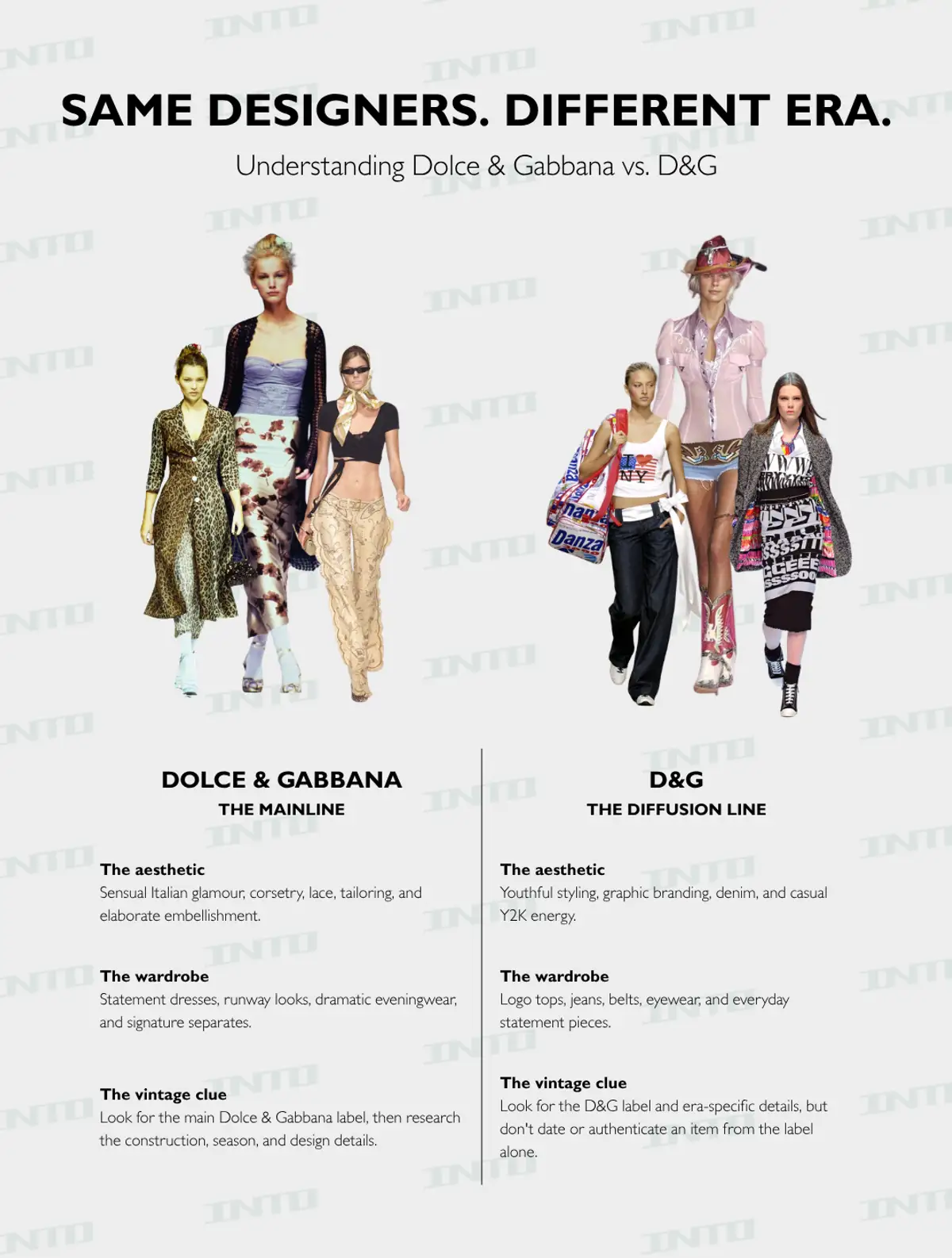
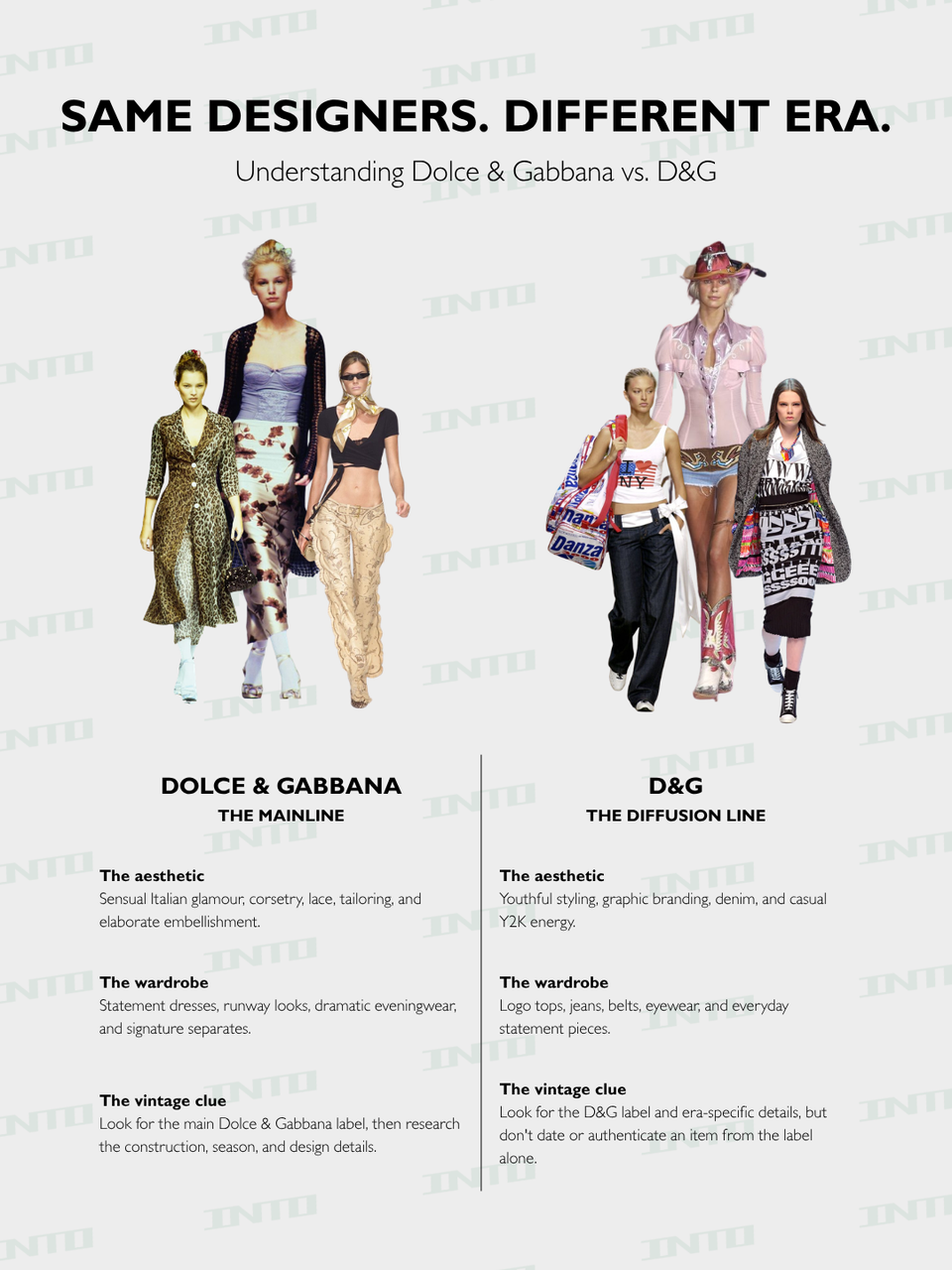
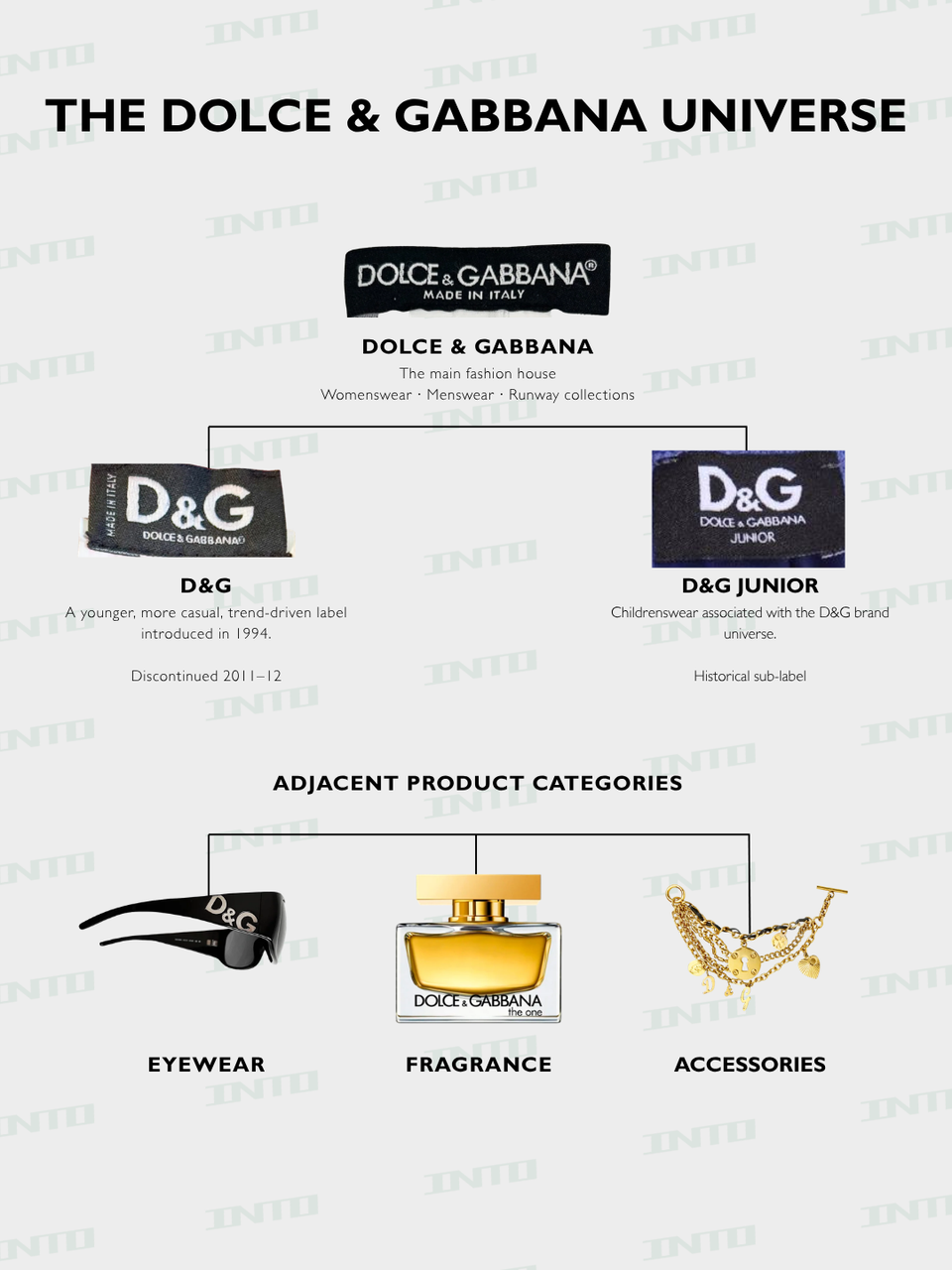
Introduced in 1994, D&G was Dolce & Gabbana's younger, more casual diffusion line. It translated the main label's distinctive style into a collection that leaned further into contemporary street culture, denim, graphic branding, and youthful styling.
To understand the difference, it helps to think of the two labels as different expressions of the same design identity. The main Dolce & Gabbana line was known for its more elevated, runway-driven approach to Italian glamour. D&G had a more relaxed, trend-conscious personality, with an emphasis on the everyday wardrobe and the visual language of youth culture.
A diffusion line is generally a secondary label developed to reach a different customer or price point from a designer's primary collection. It is not automatically a lower-quality version of the main line. Instead, it may have a distinct design direction, production structure, distribution strategy, or intended audience.
For D&G, the distinction was immediately visible. The double-initial logo became a defining feature, appearing across denim, tops, belts, bags, eyewear, and other accessories. The collection spoke to a generation that wanted designer fashion with a more casual, recognizable, and sometimes rebellious edge.
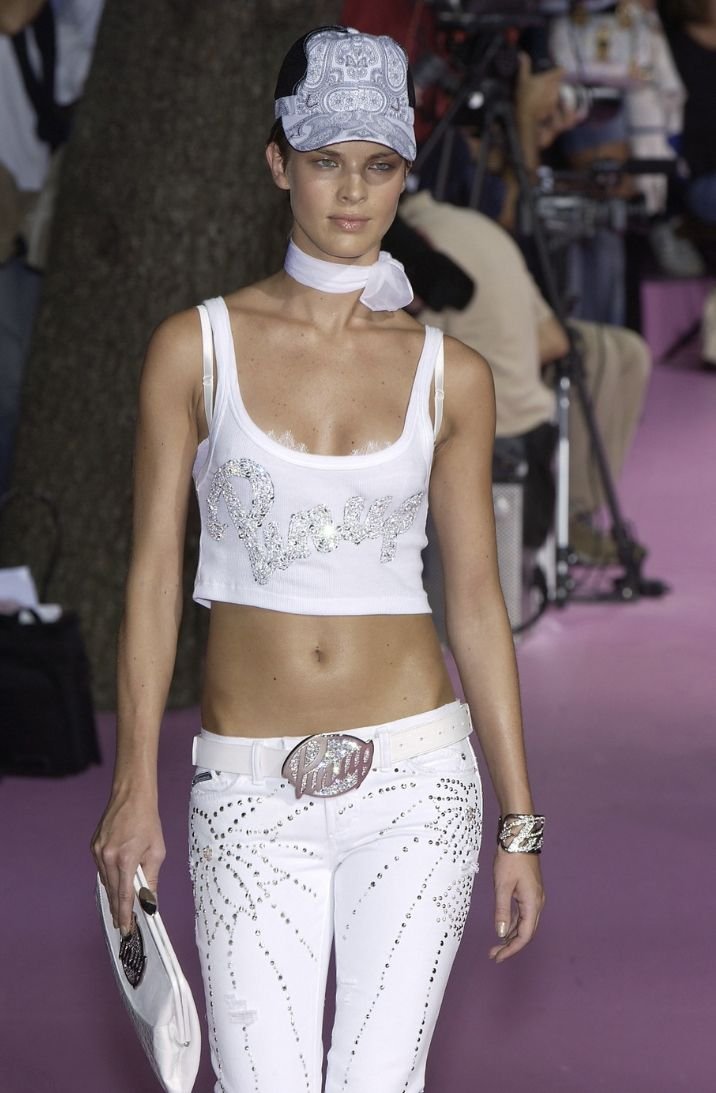
By the late 1990s and early 2000s, D&G had become a fashion identity in its own right. It captured the era's fascination with statement logos, low-rise denim, fitted tops, embellished accessories, and clothing that looked just as at home in a music video as it did on the street.
For vintage enthusiasts, this is what makes D&G particularly interesting. A piece bearing the D&G label is not simply a variation on the mainline name. It belongs to a specific chapter in the history of designer diffusion lines, when luxury fashion increasingly intersected with pop culture and everyday dressing.
D&G Junior: A Younger Wardrobe Within the Brand Universe
D&G was not the only extension of the fashion house's identity. The brand also developed D&G Junior, a children's clothing line introduced in the late 1990s.
Presented at Pitti Bimbo in Florence in 1999, D&G Junior brought the label's recognizable visual codes into childrenswear. The collection reflected the same interest in denim, graphic branding, and expressive styling, adapted for a younger audience.
Its existence illustrates how designer houses used sub-labels to reach distinct customer groups while maintaining a recognizable connection to the parent brand. Rather than creating an entirely unrelated identity, D&G Junior extended the fashion house's aesthetic into another category.
For vintage collectors, it is also a reminder that a designer label can encompass more than adult runway clothing. Historical pieces may belong to childrenswear, eyewear, or other product categories, each with its own context and dating considerations.
Dolce & Gabbana vs. D&G: What Is the Difference?

The names are closely connected, but the labels are not interchangeable when researching or shopping for vintage pieces.
Dolce & Gabbana refers to the main fashion house and its signature collections. Its historical identity is associated with Sicilian references, Italian craftsmanship, sensual tailoring, elaborate embellishment, and a more elevated runway aesthetic.
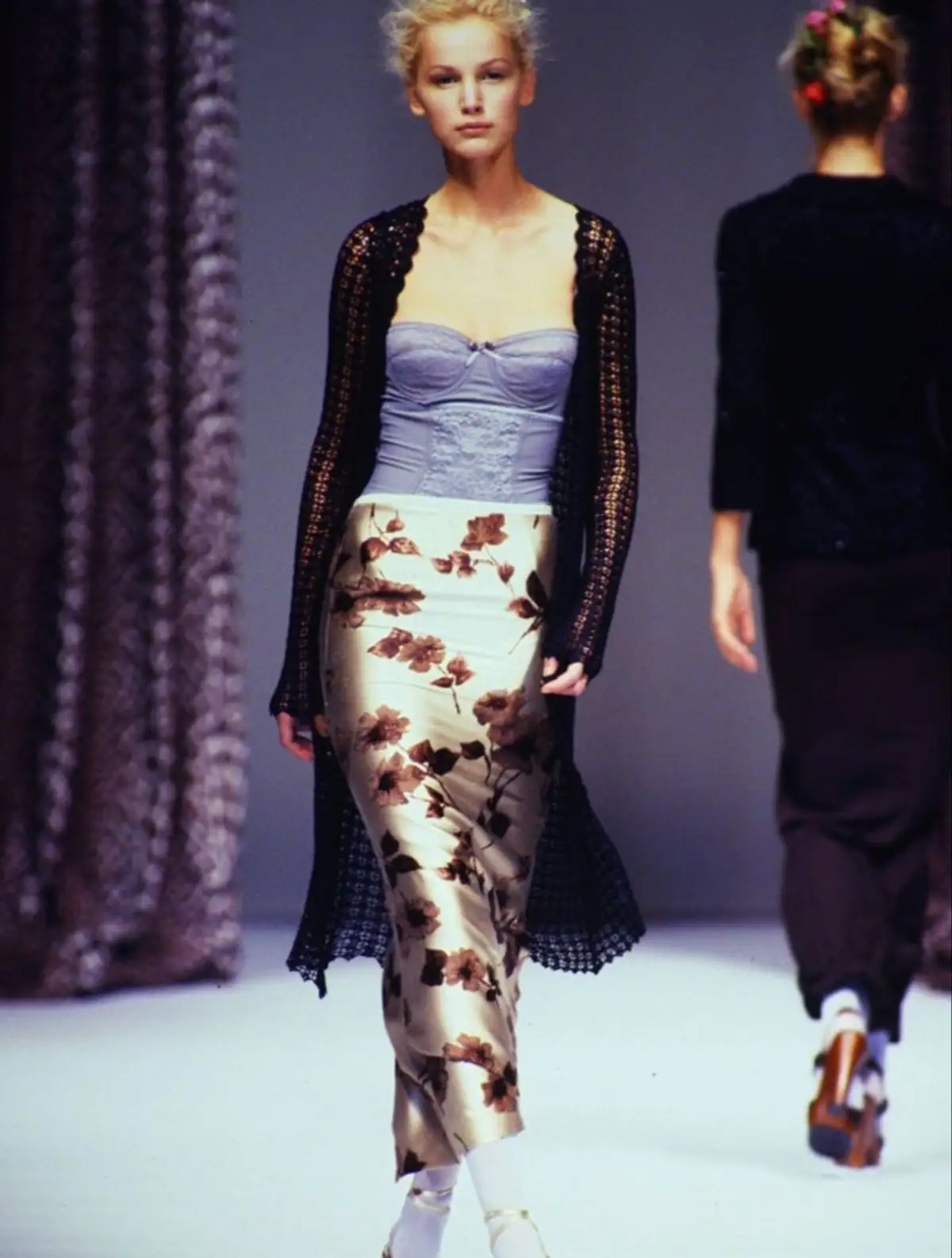
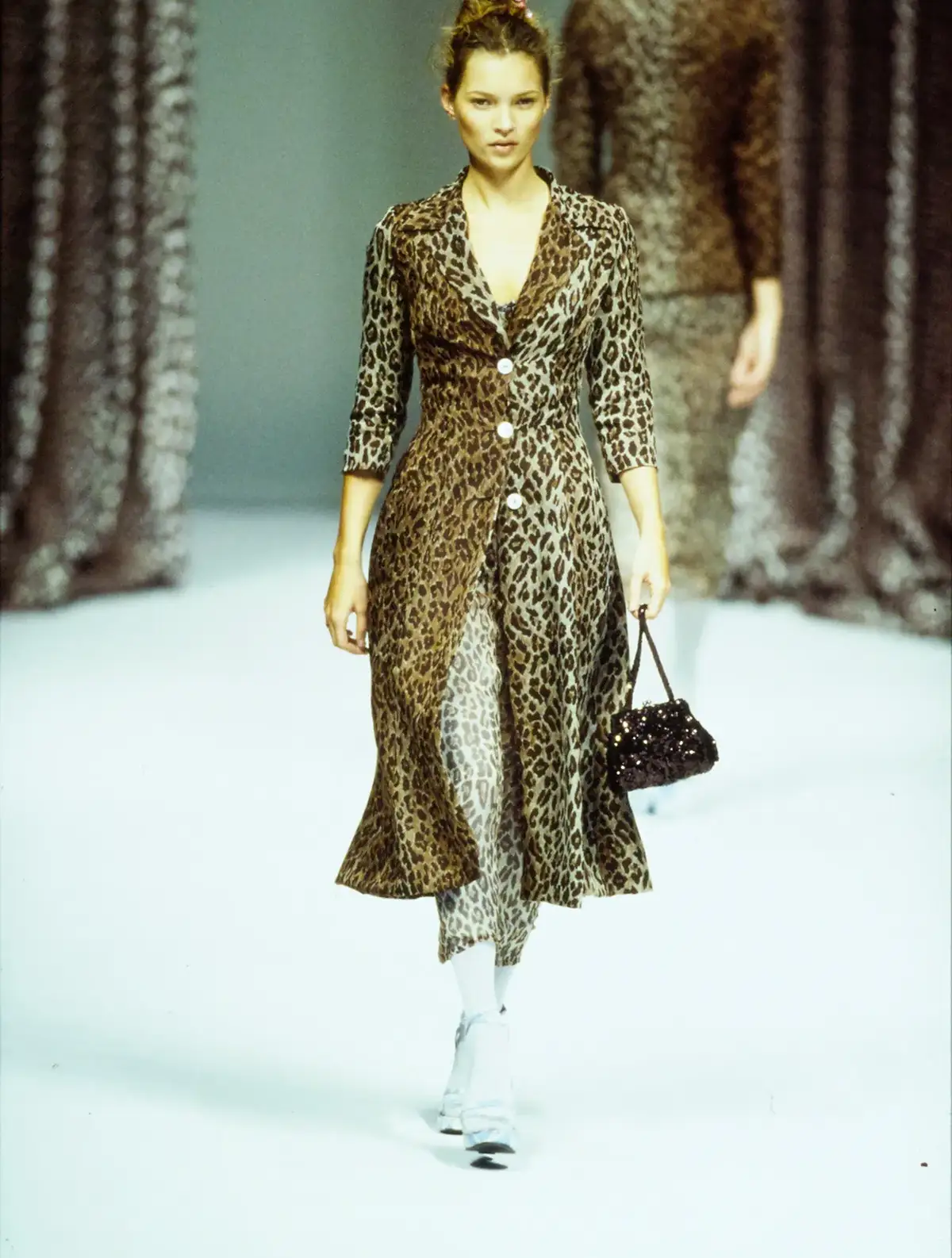
D&G refers to the separate diffusion line introduced in 1994. It developed a more youthful, casual, and street-influenced identity, particularly visible in denim, logo-led clothing, and accessories.

D&G Junior was the children's line associated with the D&G label, extending the brand's visual language into childrenswear.
The D&G diffusion line was folded back into the main Dolce & Gabbana brand around 2011–2012, with the collections consolidated under one brand identity. This means that D&G is a historical label rather than a separate, currently operating diffusion line in the way it was during its peak years.
One important distinction: not every product category or sub-label is a diffusion line. Eyewear, fragrance, and childrenswear represent different parts of the wider brand business. When researching a vintage item, the actual label, category, construction, and period all matter.
The 2000s: Logo Mania, Y2K Dressing, and D&G's Pop-Culture Moment
If the 1990s established Dolce & Gabbana's signature glamour, the 2000s brought a more overtly logo-driven version of the fashion house into the mainstream.
This was the era of low-rise jeans, statement belts, fitted graphic tees, embellished denim, oversized sunglasses, and accessories that made their branding impossible to miss. D&G fit naturally into this landscape. Its youthful identity aligned with a wider fashion culture shaped by celebrity paparazzi photographs, music videos, nightlife, and the growing influence of pop stars on everyday style.
The appeal was partly about recognition. A bold logo or a distinctive buckle could communicate a designer connection without requiring a complete runway look. Denim and accessories became particularly effective vehicles for that identity, bringing the label into everyday outfits.
At the same time, the main Dolce & Gabbana line continued to explore the house's more dramatic vocabulary of corsetry, lace, animal prints, and body-conscious silhouettes. The two lines occupied related but distinct positions within the same fashion universe.
Looking back, the D&G era captures something essential about early-2000s fashion: luxury was not always about looking understated or effortlessly expensive. Sometimes it was about being seen.
From Two Labels to One: The End of the D&G Diffusion Era
As the fashion industry changed, so did the structure of the Dolce & Gabbana business. The separate D&G line was discontinued as the house consolidated its collections under the main Dolce & Gabbana name around 2011–2012.
The move brought the two identities back together, ending a distinct chapter in the brand's history. It also created a useful dividing line for vintage research: older pieces marked D&G belong to the diffusion-line era, while the main Dolce & Gabbana label represents the house's primary collections.
That does not mean every D&G piece is automatically rare or valuable, or that every mainline piece is more desirable. Vintage value depends on a combination of factors, including design, season, condition, material, provenance, and demand.
What makes the discontinued label worth studying is the cultural context it carries. D&G documents a period when luxury brands developed distinct identities for younger customers and when designer logos became central to the visual language of fashion.
For collectors, the label is a clue to a garment's place within the broader story of Italian fashion.
How to Shop Vintage Dolce & Gabbana and D&G
Shopping vintage Dolce & Gabbana is more rewarding when you know what you are looking at. The first step is to distinguish the mainline label from the historical D&G diffusion line, then consider the garment's design, construction, and likely period.
Start with the label. Check whether the piece is marked Dolce & Gabbana, D&G, or D&G Junior. These names provide useful context, but a label alone cannot establish an exact production date or authenticate a garment.
Look at the design language. Corsetry, lace, fitted silhouettes, and dramatic Italian references are closely associated with the main house's historical identity. Logo-led denim, casual separates, and youthful graphic styling are useful clues when researching D&G-era pieces. These are broad tendencies rather than absolute rules.
Consider the construction and details. Examine materials, stitching, hardware, closures, care labels, and other design features together. Compare them with reliable references from the relevant period rather than relying on a single detail or a logo.
Research the specific piece. Runway references, period advertising campaigns, fashion magazines, and dated product records can help place an item within a particular collection or era. A convincing vintage story should be supported by evidence, not just a resemblance to a familiar trend.
Finally, buy the piece because you love it. A perfectly cut black dress, a pair of statement sunglasses, or a logo-heavy early-2000s top can each capture a different side of the Dolce & Gabbana universe.
Why Dolce & Gabbana Still Matters to Vintage Fashion
Dolce & Gabbana's history reflects a broader shift in designer fashion. The house began with a recognizable point of view rooted in Italian culture, developed that identity through runway collections and celebrity visibility, and expanded its reach through a diffusion line designed for a younger, more casual customer.
D&G, in particular, offers a snapshot of the moment when luxury fashion, streetwear, and celebrity culture became increasingly intertwined. Its denim, logos, and accessories preserve the look and feel of an era that continues to influence contemporary Y2K styling.
For archival fashion enthusiasts, the distinction between the mainline house and its former diffusion label makes the search more interesting. Each tells a different part of the story: one of Italian glamour and runway history, the other of youth culture, everyday dressing, and the rise of logo-driven designer fashion.
The best vintage pieces do more than bring a trend back. They preserve the design decisions, cultural references, and attitudes that made a particular era memorable in the first place.
At Into Archive, we believe that understanding a garment's history is part of what makes collecting archival fashion so compelling. Whether you are searching for a dramatic vintage dress or an unmistakably Y2K D&G find, the details are what turn a great piece into a meaningful addition to a wardrobe.
→ Explore our vintage Dolce & Gabbana collection
→ Discover more archival fashion
→ Book a private showroom appointment
Into Archive is a global destination for rare and archival fashion, bringing together collectible pieces from leading designers, independent collectors, and international vendors. Visit our New York showroom by appointment to explore the archive in person.