What We’re Into: Who’s Hot, Who’s Not & Who Just Made $27M
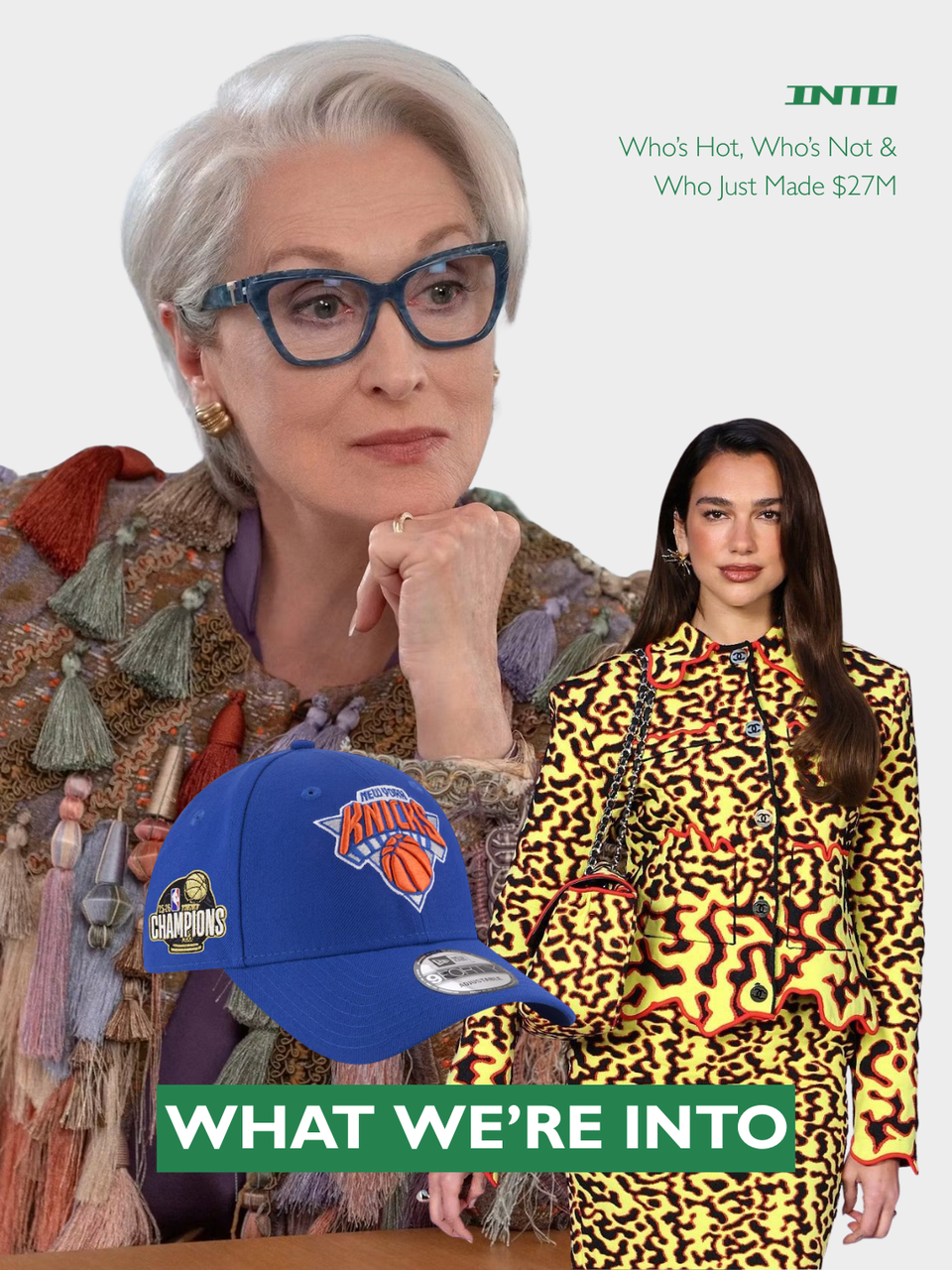
From Chanel’s continued reign to The Devil Wears Prada 2 putting fashion archives back on the auction block, here’s what’s driving fashion, retail, and digital commerce right now.
Fashion’s current mood is a strange mix of old and new. Luxury houses are battling for cultural relevance, sports merchandise is becoming legitimate fashion currency, archival pieces are heading to auction, and AI is quietly changing the way shoppers discover what they want.
In other words: the fashion industry is still obsessed with the past — but the way we shop for it is getting very futuristic.
Here’s what we’re into this week.
Chanel Is Still That Girl
According to the latest Lyst Index, Chanel continues to dominate the luxury conversation, while Miu Miu remains firmly in the upper tier of fashion’s most desirable brands. The bigger story, however, is how much the definition of “hot” is changing.
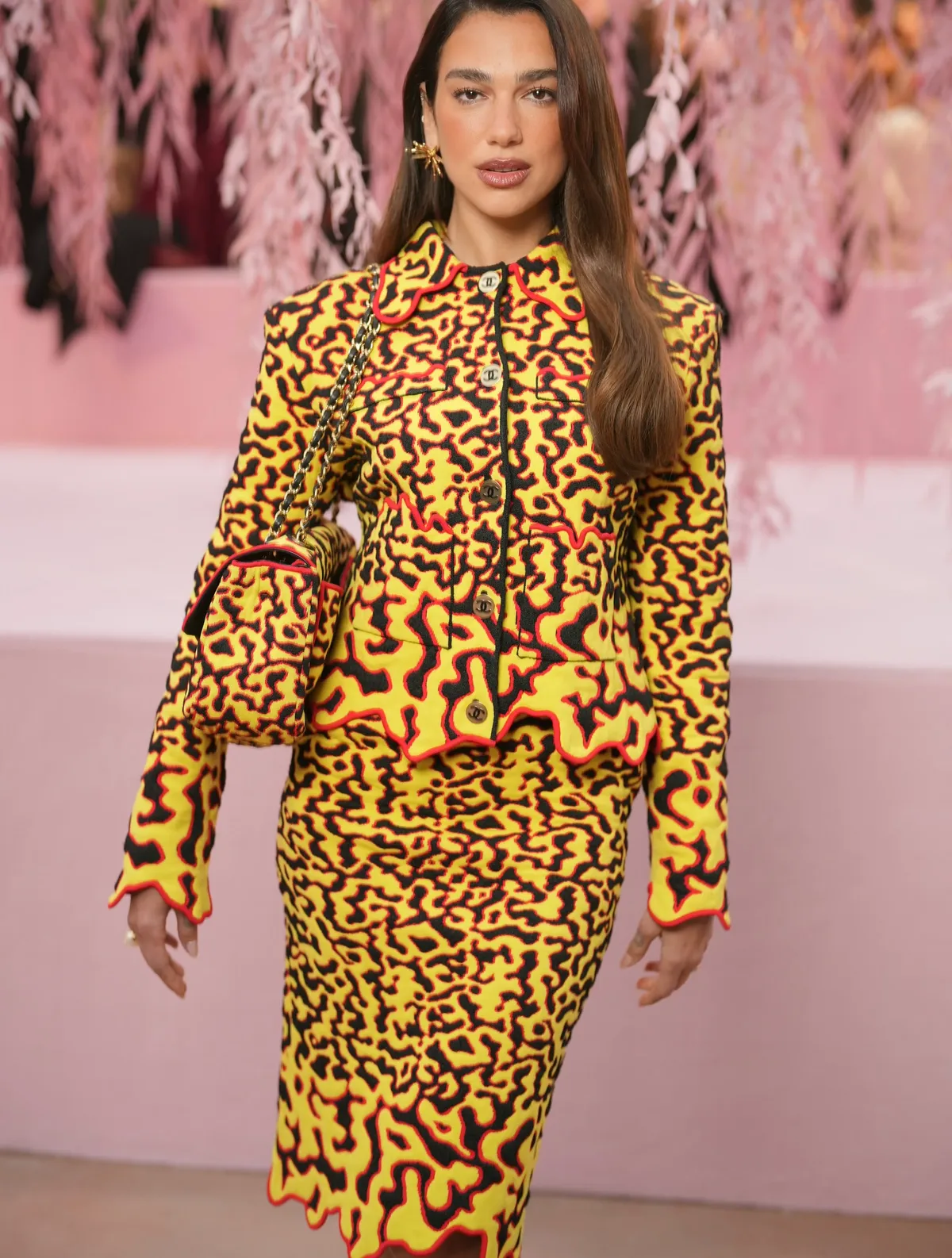
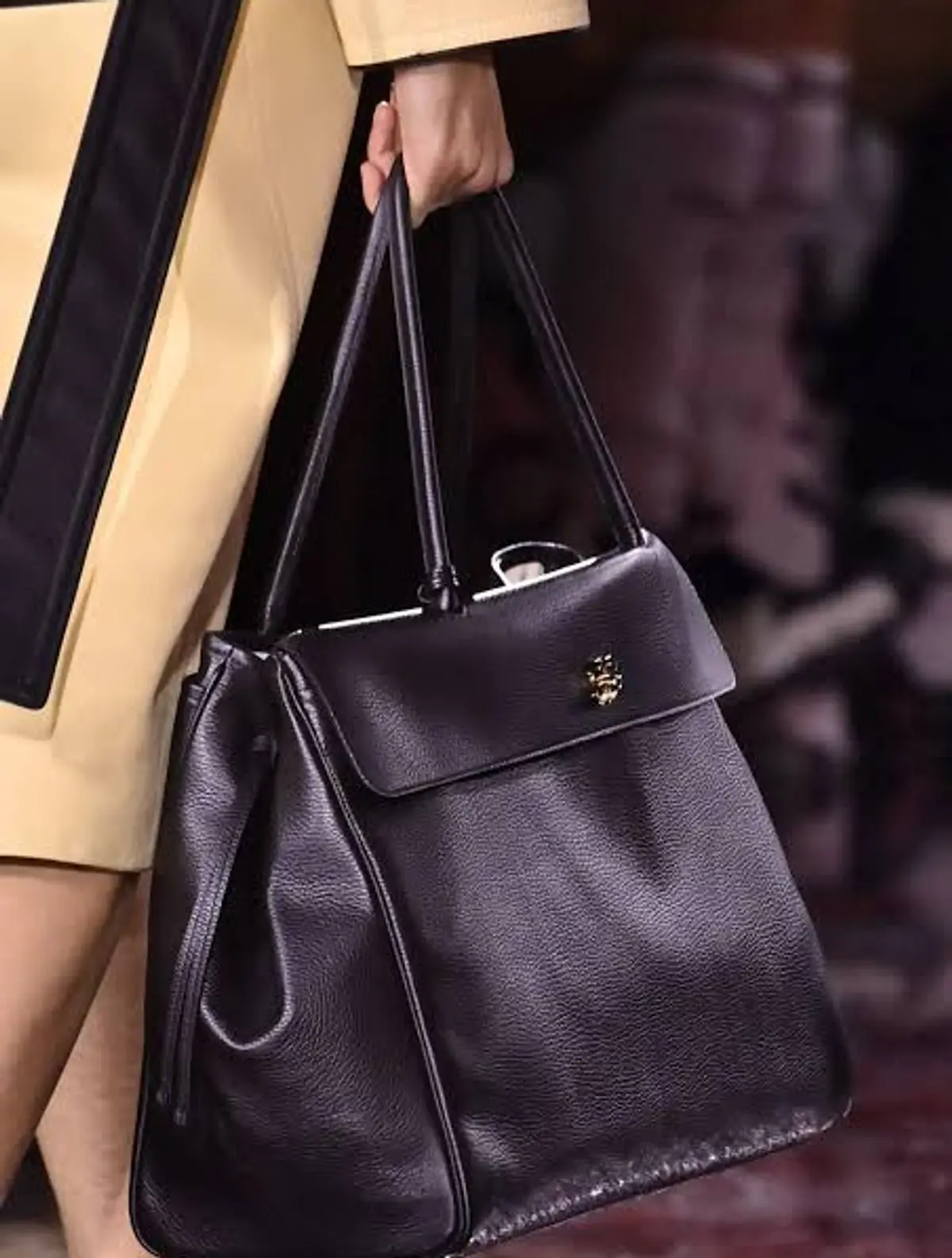
Lyst’s 2026 methodology looks beyond traditional search behavior, incorporating measures of desire, demand, and discovery to understand how brands are actually performing across fashion’s increasingly fragmented digital ecosystem.
And that matters because fashion attention is no longer generated by runway shows alone.
Chanel’s continued strength is a reminder that heritage still has enormous commercial power when it can be translated into something people actually want to wear. Searches for Chanel sunglasses, in particular, have helped keep the house at the center of consumer attention.
Meanwhile, Miu Miu continues to prove that the Prada-owned label has become one of fashion’s most reliable engines of desirability. Its appeal isn't dependent on one microtrend — it has become a visual language of its own.
The sleeper hit? Massimo Dutti.
The Inditex-owned brand made one of the biggest jumps in the ranking, climbing eight places into the Top 10.
Its rise makes sense. Mediterranean dressing, resort wardrobes, relaxed tailoring, leather accessories, and celebrity vacation dressing have all become increasingly influential online. Massimo Dutti sits directly in that sweet spot between aspirational luxury and attainable fashion.
It’s another sign that consumers don't necessarily need a four-figure price tag to participate in the luxury aesthetic.
The Hottest Fashion Accessory Might Be… a Knicks Cap
If you thought fashion's obsession with sports was fading, think again.
The New York Knicks cap landed at the top of Lyst's hottest products, proving that sports merchandise has officially moved beyond the stadium and into the fashion ecosystem.
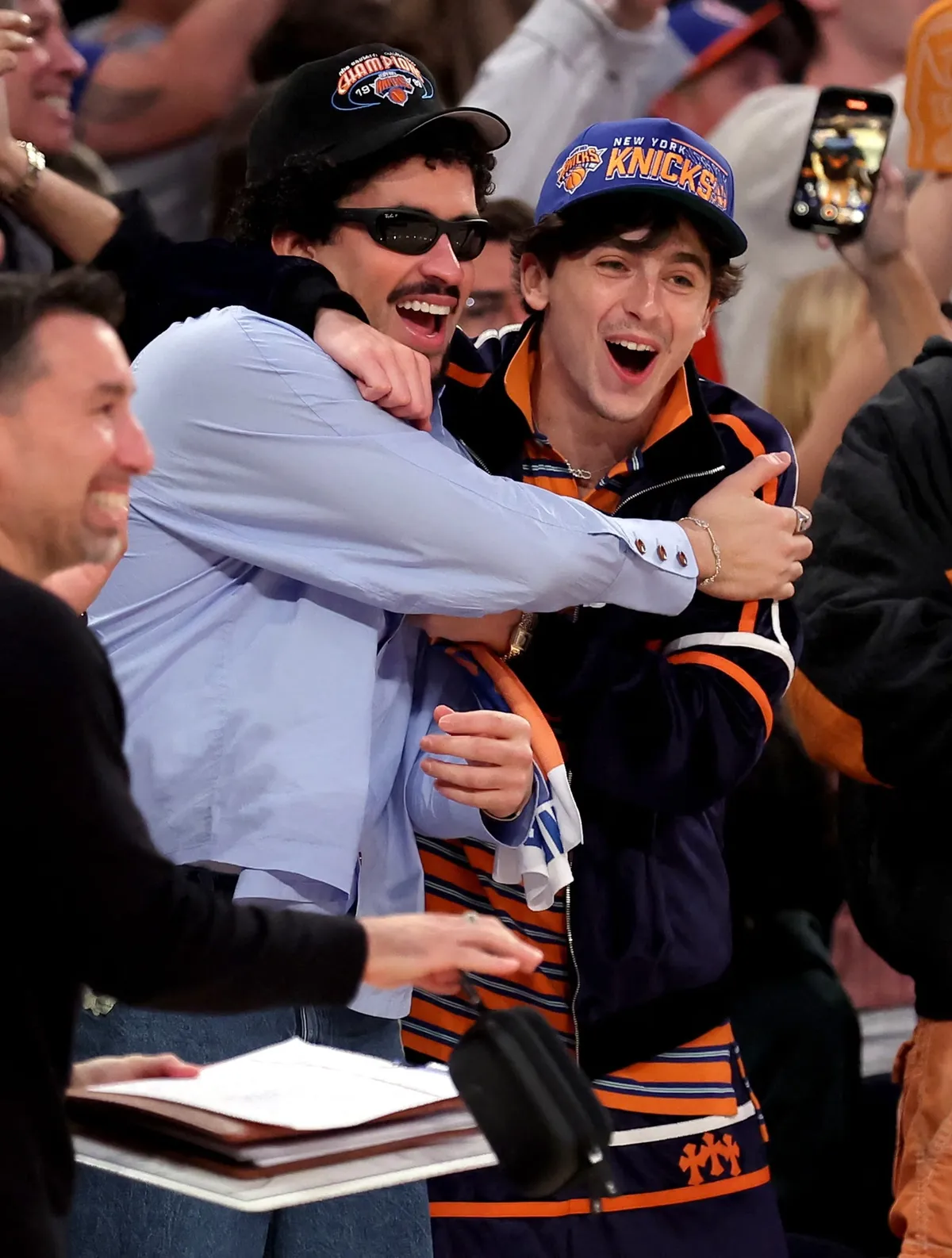
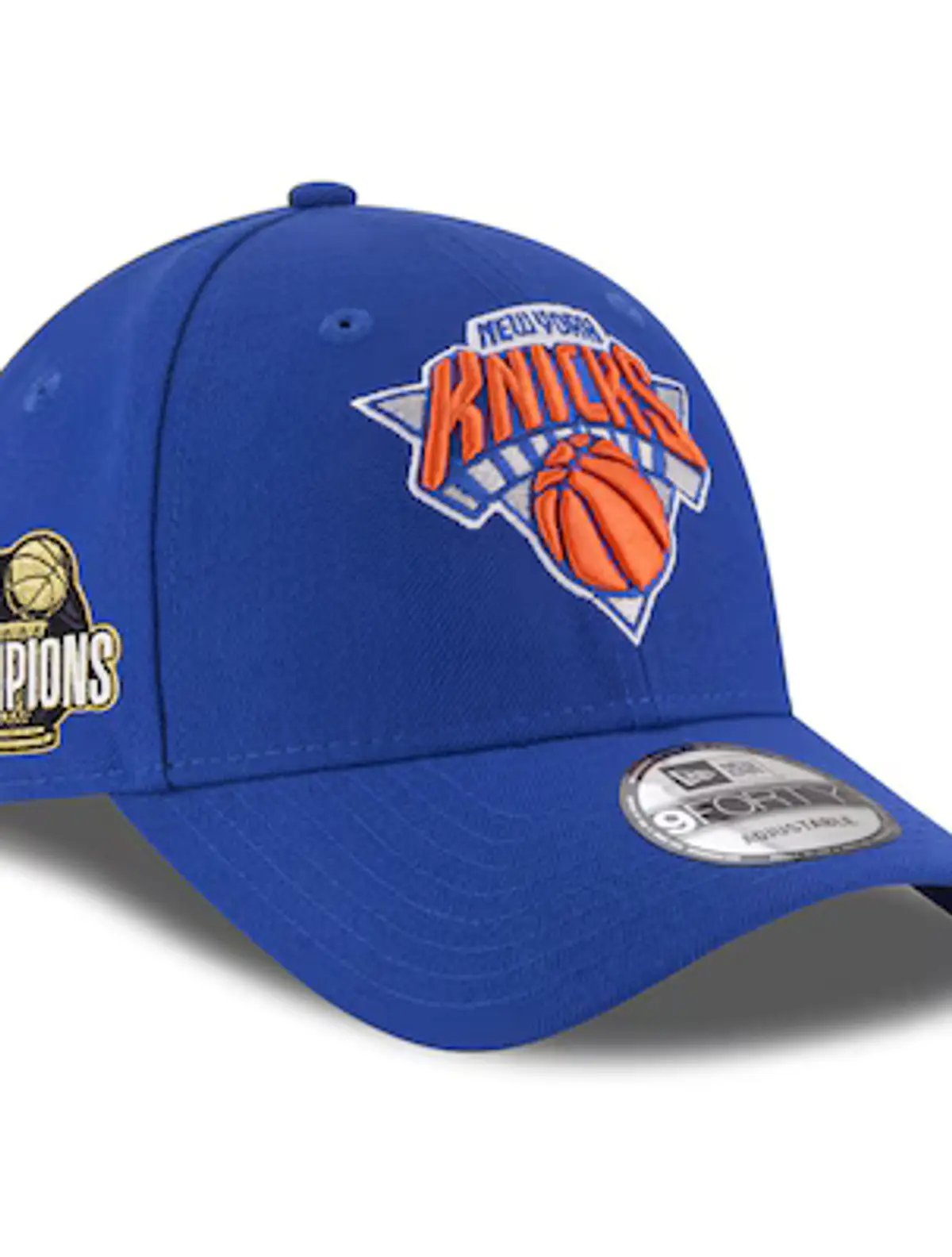
This is particularly interesting for vintage and archival retailers. A sports item doesn't need to be traditionally “fashion” to become collectible. What matters is cultural relevance — and right now, sports, music, celebrity, and fashion are operating in essentially the same ecosystem.
Summer footwear is following the same logic. Jelly shoes, open-toe silhouettes, and statement heels are all benefiting from the current appetite for accessories that photograph well and immediately communicate a point of view.
Basically: if it looks good in a vacation photo, it has a chance.
The Devil Wears Prada 2 Is About to Send Everyone Back to the Archives
There may be no better example of fashion nostalgia becoming commerce than Christie's upcoming The Devil Wears Prada 2 auction.
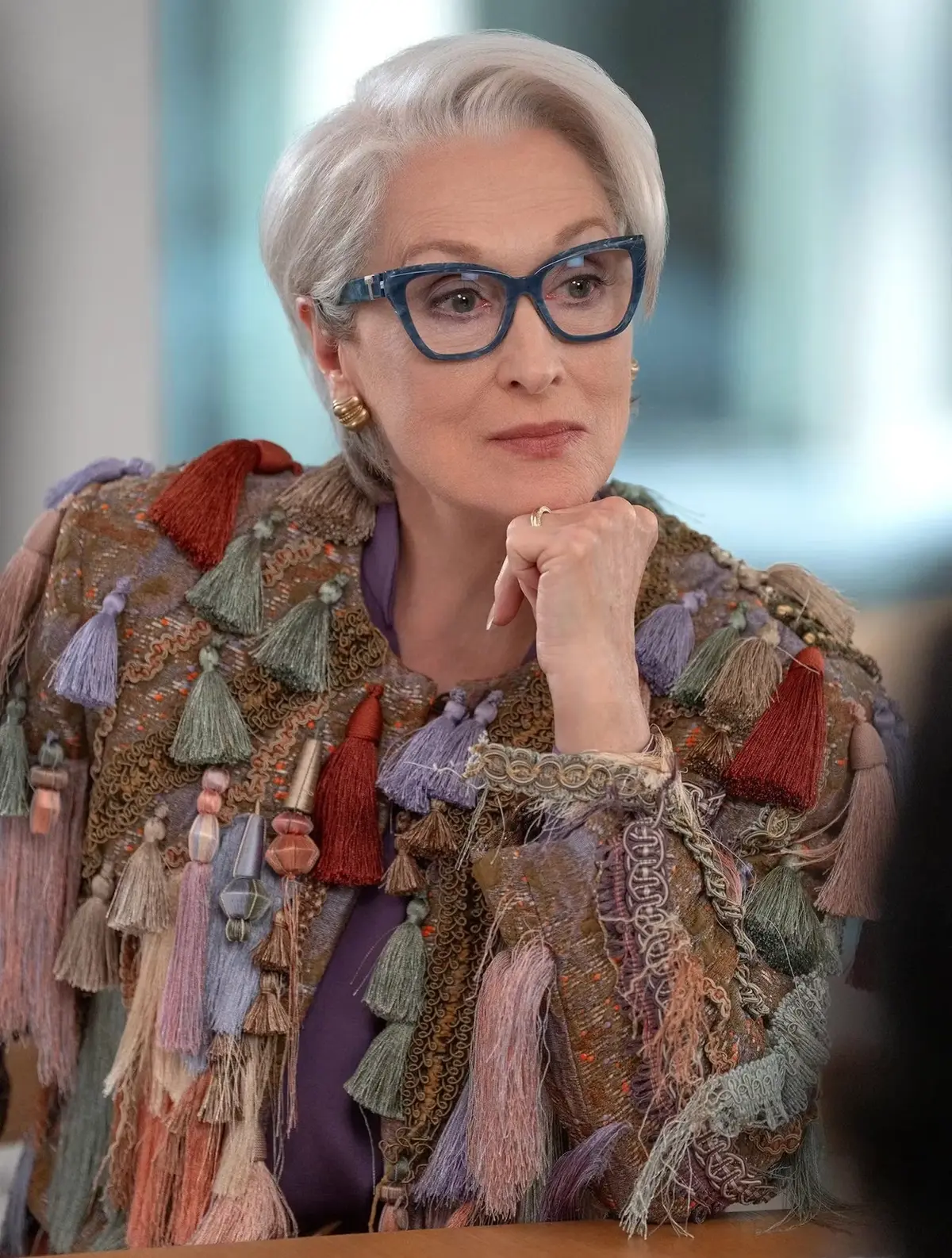
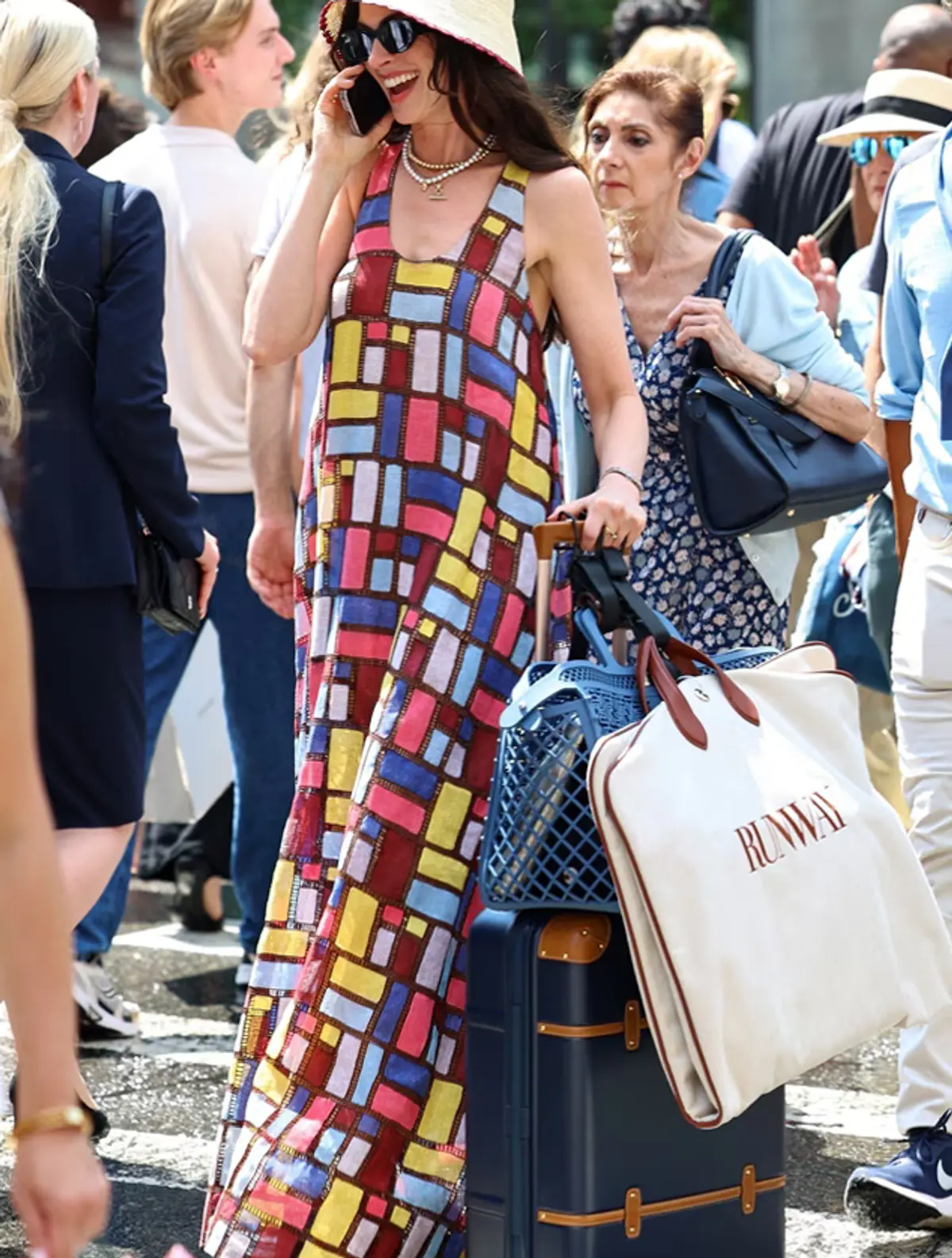
From September 1 through 15, Christie's will host an online sale featuring screen-worn fashion and accessories connected to the film. The auction includes pieces worn by Meryl Streep, Anne Hathaway, Emily Blunt, Stanley Tucci, Simone Ashley, and Lady Gaga, with proceeds benefiting the Committee to Protect Journalists and the Council of Fashion Designers of America.
And yes, the clothes are exactly as good as you'd expect.
Highlights include Miranda Priestly's Dries Van Noten tassel jacket, a Schiaparelli blazer, prototype Valentino Rockstud pumps, Emily's Tiffany & Co. Elsa Peretti Bone Cuff, and the Gabriela Hearst dress worn by Anne Hathaway's Andy Sachs — complete with the food stain from the film.
The auction isn't just happening online, either. Christie's will host a free public exhibition at its Rockefeller Plaza headquarters from September 8 through 13, conveniently landing in the middle of New York Fashion Week.
And that's where this gets particularly interesting for the vintage market.
A major fashion film doesn't just sell movie costumes. It creates a search behavior.
Suddenly, people who haven't thought about Dries Van Noten, Schiaparelli, Elsa Peretti, or early-2000s corporate dressing in years are searching for them again. Editorial coverage creates curiosity; social media turns that curiosity into inspiration; resale platforms turn inspiration into transactions.
The archive doesn't need to be new to feel new again.
Rhode Just Proved That Community Is a Commerce Strategy
On the beauty side, Rhode continues to demonstrate the enormous commercial power of founder-led, community-first DTC.
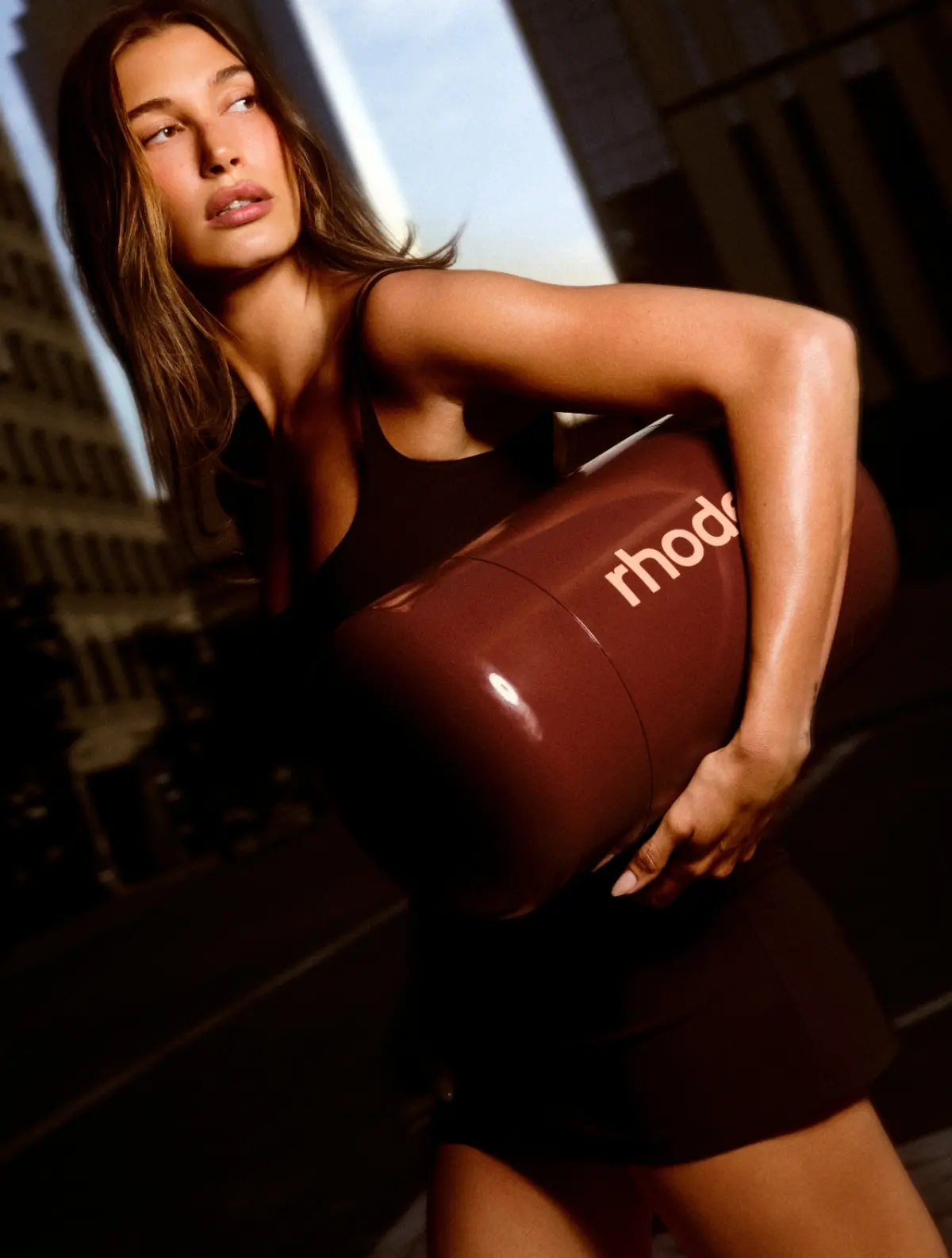
The brand reportedly generated $27 million in sales in a single day around its summer drop, bringing in roughly 90,000 new customers, with a significant share of buyers returning for additional purchases.
The number is impressive, but the more interesting takeaway is what it says about modern product launches.
Rhode doesn't operate like a traditional beauty company waiting for consumers to discover a product on a department-store shelf. Its launches function more like internet events.
There is anticipation. There is scarcity. There is social content. There is community participation. And then there is the drop.
That same formula is increasingly relevant to fashion resale: the product itself is only half of the experience. The other half is making people feel like they discovered something at exactly the right moment.
Shopify Wants AI to Become the New Storefront
The next major shift is happening before a customer even reaches a website.
Shopify reported 34% year-over-year revenue growth in Q1 2026, with merchants generating more than $100 billion in quarterly GMV. The company has also been aggressively positioning itself around AI-powered commerce and discovery.
AI-driven traffic to Shopify stores increased sharply during the quarter, while AI-attributed orders grew even faster, pointing toward a major change in how consumers are discovering products.
Translation: the future customer may not start by Googling “vintage Dior bag.”
They might ask an AI assistant:
“Where can I find a 2000s Dior bag that looks like something Carrie Bradshaw would wear?”
And suddenly, product descriptions, metadata, imagery, editorial content, and searchable archives matter in an entirely new way.
For vintage retailers, this is huge.
The more context a product has — designer, year, collection, color, material, celebrity associations, runway references, styling possibilities — the easier it becomes for both humans and AI systems to understand why that product is relevant.
SEO is no longer just about ranking for keywords.
It's about becoming the answer.
Whatnot Is Betting Big on Live Shopping
And then there's Whatnot.
The live-shopping platform has raised $545 million at a $20 billion valuation, nearly doubling its previous valuation. Its business model combines livestreaming, community, auctions, and commerce — particularly across collectibles, fashion, sneakers, and other highly engaged categories.
The scale is notable. Whatnot's gross merchandise volume surpassed $8 billion in the first half of 2026, already exceeding its total for 2025, while its buyer base has more than doubled.
The bigger story is that investors are still willing to put enormous amounts of money behind human-led commerce.
While much of Silicon Valley is racing toward fully automated shopping experiences, Whatnot is betting on the opposite instinct: watching a person discover, explain, model, auction, and sell something in real time.
For vintage fashion, that format makes obvious sense.
A rare piece is more exciting when someone tells you why it's rare.
A 2001 Galliano dress becomes more compelling when you see it on a body.
A vintage Chanel bag becomes more desirable when someone explains the collection, hardware, provenance, and styling history.
Live commerce turns product knowledge into entertainment — and entertainment into conversion.
So, What Does This Mean for Fashion?
The biggest trend across all of these stories isn't actually Chanel, Rhode, AI, or Whatnot.
It's discovery.
Consumers are increasingly buying things because they discovered a story, a person, a reference, or a cultural moment first.
Chanel wins because its codes remain recognizable.
Miu Miu wins because its aesthetic travels effortlessly across social media.
Massimo Dutti wins because resort dressing has become a digital fantasy.
The Devil Wears Prada 2 wins because nostalgia makes archival fashion feel culturally urgent again.
Rhode wins because its community turns product launches into events.
Shopify is investing in AI because discovery is moving away from traditional search.
And Whatnot wins because watching someone discover something can be just as compelling as discovering it yourself.
For the vintage and archival market, that's a pretty exciting place to be.
Because the next big thing doesn't necessarily have to be new.
It just has to be discovered again.
→ Book a private showroom appointment
About Into Archive
Into Archive is a New York-based archival fashion showroom specializing in rare and collectible designer pieces from fashion’s most influential eras. Our collection features vintage and archival garments from designers including Dior, Prada, Chanel, Jean Paul Gaultier, Vivienne Westwood, and more.