What We’re Into: NYFW, Fashion’s New Power Players, and the Return of Quiet Prestige

From emerging designers and Saint Laurent speculation to archival fashion, resale education, and the shifting rules of cultural access, here’s what’s shaping the fashion conversation right now.
Fashion moves through cycles, but the way we discover, collect, and engage with it is constantly changing. As New York Fashion Week brings together established houses, emerging designers, and the industry’s cultural tastemakers, conversations around fashion's past and future are unfolding beyond the runway. From Julie Kegels’ recognition on the global stage to renewed interest in Saint Laurent archives, the latest developments point toward a fashion landscape where design, provenance, and access remain closely connected.
This week, we're looking at the designers redefining modern tailoring, the houses protecting their identities through anonymity, and the platforms teaching a new generation how to understand luxury beyond the storefront.
Julie Kegels and the New Language of Deconstruction
Emerging designers continue to reshape the relationship between tailoring, construction, and personal expression. Belgian designer Julie Kegels' reported 2026 LVMH Prize win places renewed attention on her multifaceted approach to design, drawing from 1990s-inspired silhouettes, deconstructed tailoring, and a playful approach to proportion.
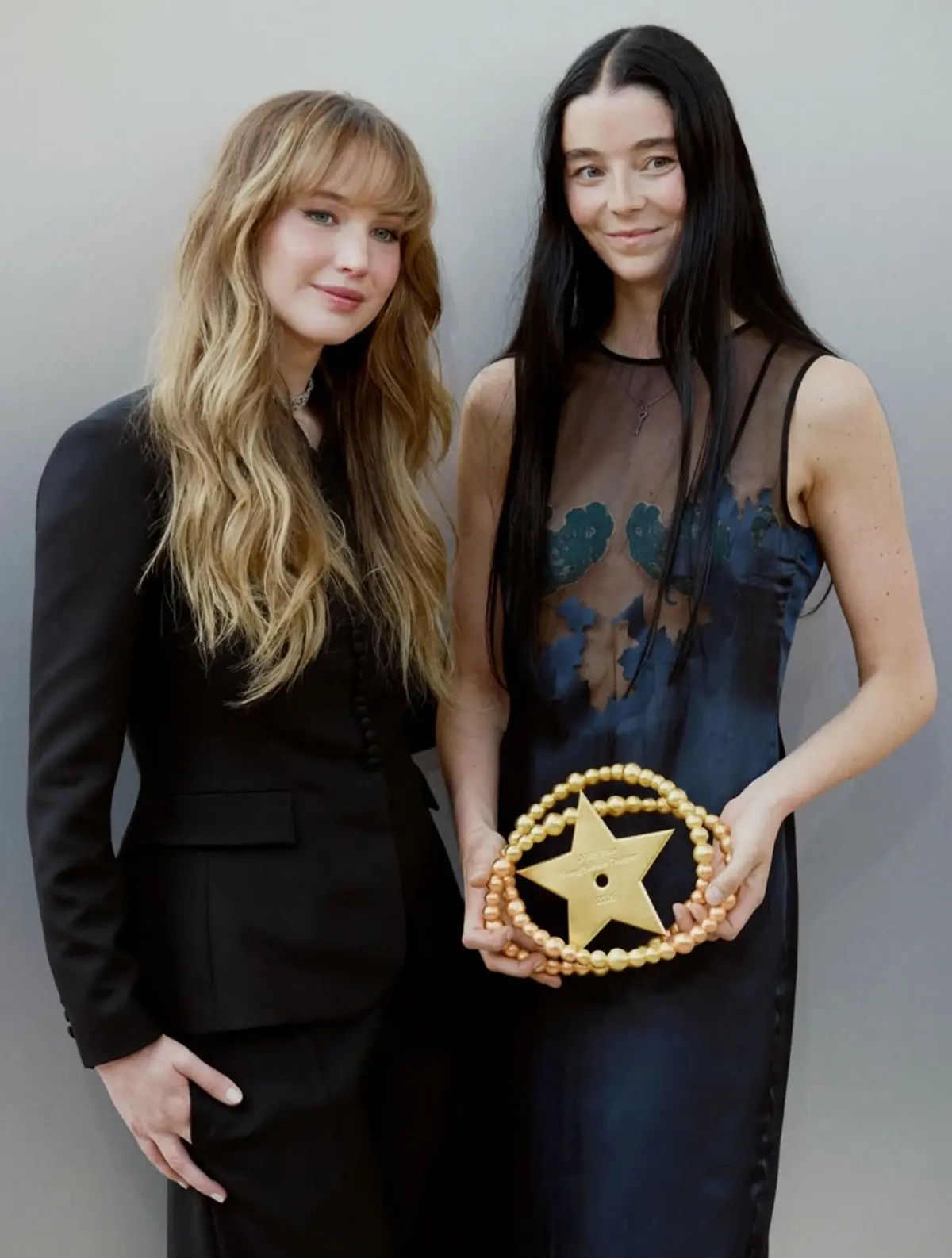
The significance of this design language lies in its ability to make familiar garments feel unsettled. Traditional tailoring becomes something that can be dissected, reconstructed, and worn in unexpected ways. It is a sensibility that resonates with the broader interest in archival fashion, where the value of a garment often extends beyond its original purpose into the ideas and techniques it represents.
For collectors, emerging designers such as Kegels offer an opportunity to observe fashion history as it develops. The same details that distinguish a runway collection today can become reference points for how future generations understand a particular moment in design.
Saint Laurent Archives and the Power of Speculation
Few fashion conversations demonstrate the relationship between creative direction and collecting quite like the ongoing speculation surrounding Anthony Vaccarello’s future at Saint Laurent. While industry rumors should be treated as unconfirmed until officially addressed, conversations about a potential transition have already brought renewed attention to the house’s recent design history.

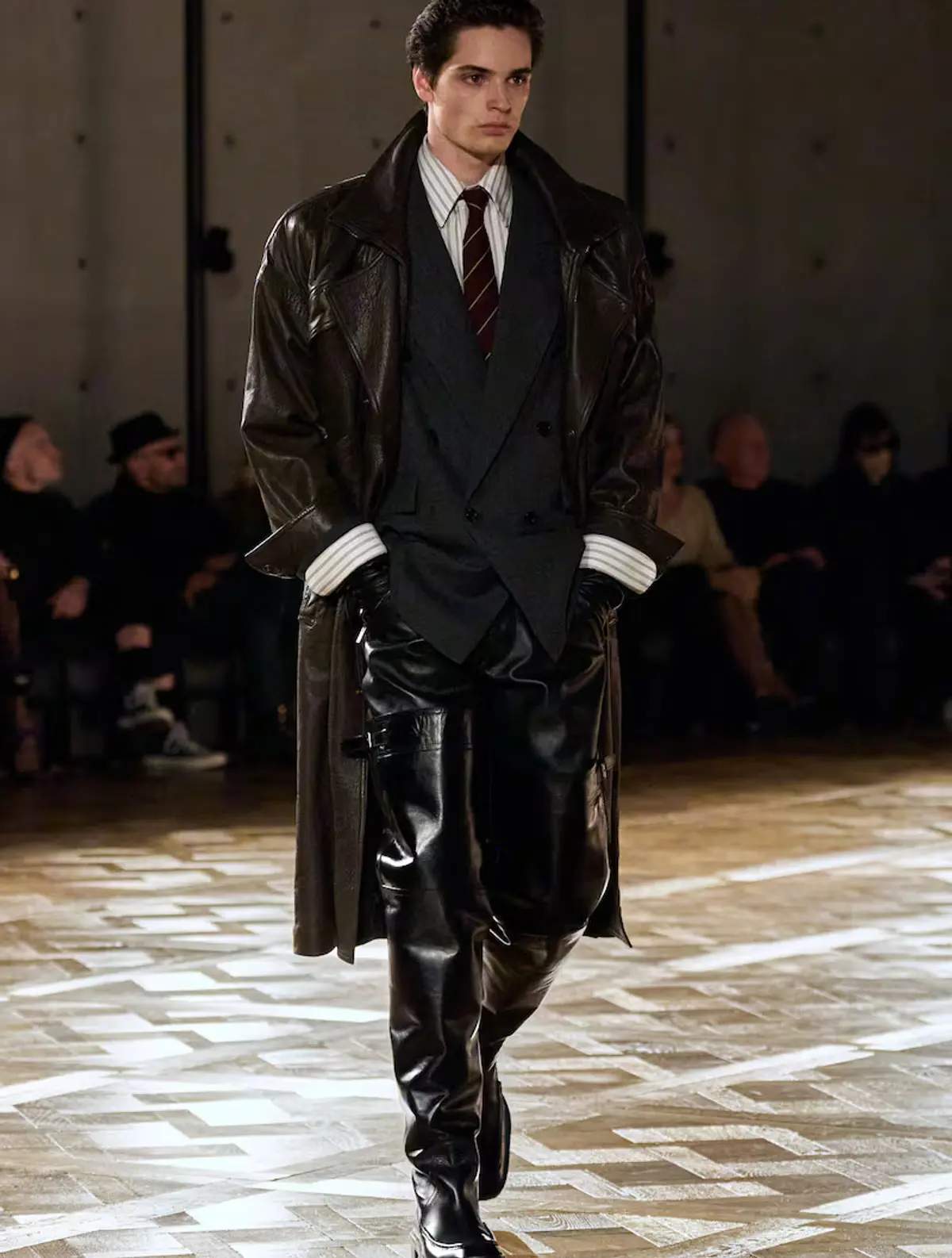
Since taking the creative reins at Saint Laurent, Vaccarello has developed a recognizable visual language built around sharp shoulders, sensual tailoring, and a confident approach to eveningwear. His work has helped define a contemporary chapter of the house, making its collections increasingly relevant to collectors interested in the evolution of modern luxury fashion.
The interest in his archives reflects a larger pattern in the resale market. Creative directors shape how fashion houses are remembered, and changes in leadership can prompt renewed interest in particular collections, silhouettes, and design signatures. For vintage and archival collectors, this makes the present moment worth documenting, regardless of how the rumors ultimately develop.
Maison Margiela, Anonymity, and Fashion as Identity
Maison Margiela has long challenged conventional ideas of authorship, celebrity, and visibility. Its reported visual project Anonymity, starring Rebecca Hall, revisits the house’s enduring fascination with hidden faces, masks, and the relationship between identity and clothing.
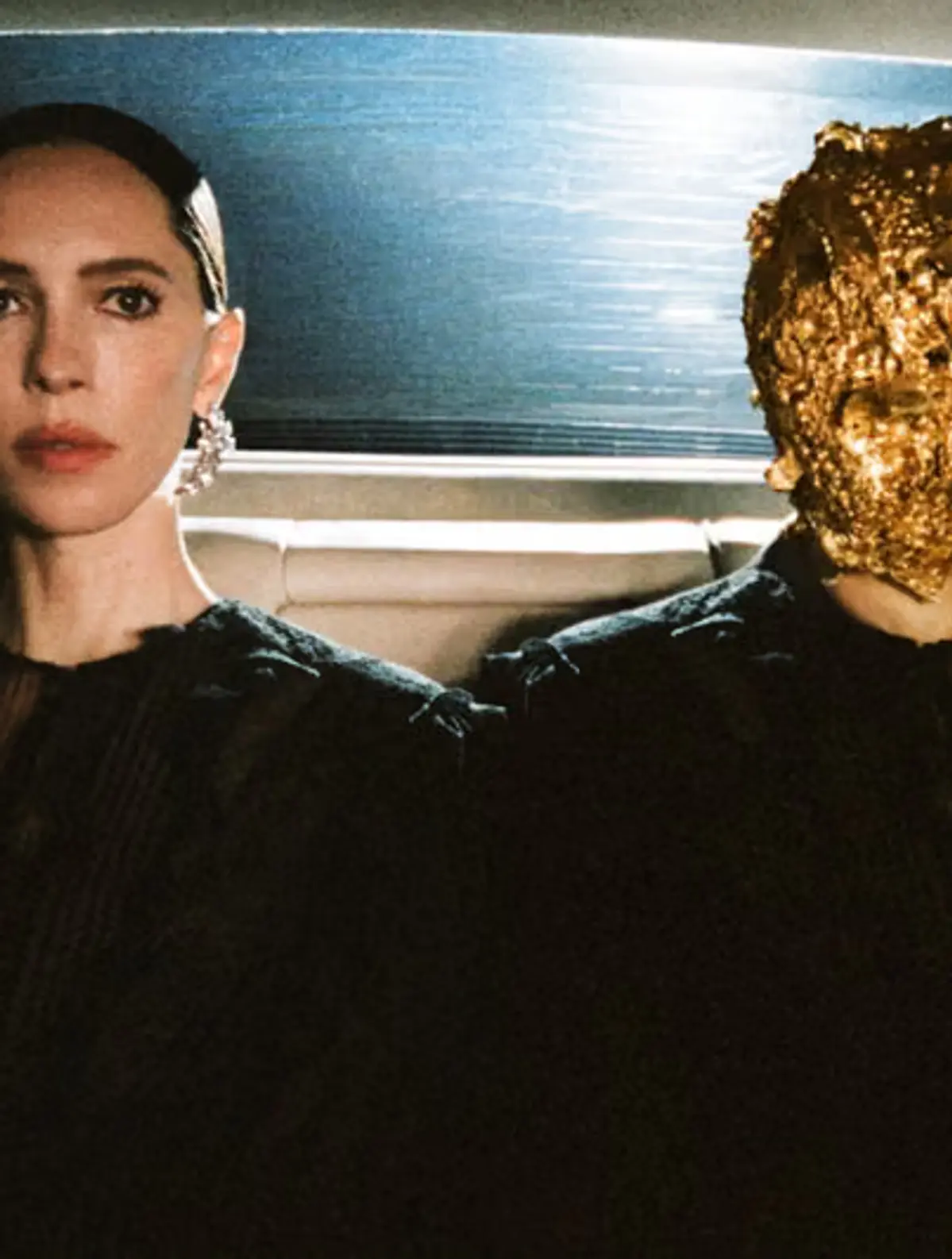
Anonymity is deeply embedded in Margiela’s fashion history. From obscured faces on the runway to garments that emphasize construction over recognizable branding, the house has consistently questioned the expectation that fashion must be centered on a visible designer or a conventional form of glamour.
The project offers another opportunity to consider why archival Margiela continues to hold cultural relevance. Its pieces are not simply recognizable for their aesthetic. They carry a record of experimentation, material transformation, and a design philosophy that has influenced generations of fashion practitioners.
For collectors, this is part of the appeal of archival fashion: garments can preserve ideas that remain relevant long after their original season.
Fashionphile’s Unboxed and the Education of Resale
The secondary luxury market is increasingly becoming a space for education as well as commerce. Fashionphile’s Unboxed initiative draws on the company’s extensive experience in luxury resale to explore authentication, fashion history, and the dynamics of the pre-owned market.

As more consumers enter the world of vintage and archival fashion, understanding a piece’s provenance, construction, and market context becomes increasingly important. Resale platforms have a role in shaping that understanding, particularly as buyers navigate the differences between collectible design, seasonal luxury, and enduring cultural significance.
The shift toward resale education also reflects how fashion knowledge is distributed today. Collectors are no longer relying exclusively on traditional retail or fashion publications to learn about a garment. They are engaging with archives, resale platforms, specialists, and communities that offer different perspectives on what makes a piece valuable.
At Into Archive, this intersection of fashion history and collecting is central to how we approach archival pieces. A garment’s story, design language, and place within fashion history can be just as compelling as its rarity.
Purple, Electric Teal, and the Return of High-Impact Color
Color forecasting continues to influence how fashion audiences approach upcoming seasons. According to the Trendalytics figures provided, purple recorded a 60% year-over-year increase in FW26 searches, while electric teal and brown each rose by 50%.
These color movements suggest an interest in styling that balances saturation with contrast. Purple and electric teal bring a more expressive, high-impact quality, while brown provides a grounded alternative that connects contemporary wardrobes with the enduring appeal of earthy tones.
For archival collectors, color offers another way to understand the relationship between past and present. Certain shades become associated with specific designers, decades, or fashion movements, and their return can make older pieces feel newly relevant.
The appeal of color in vintage fashion is also highly practical. A distinctive hue can transform a familiar silhouette, offering collectors a way to incorporate historical garments into a contemporary wardrobe without replicating an entire period look.
Hailey and Justin Bieber Bring Back Teen-Mag Nostalgia
WYouth Magazine’s reported inaugural cover featuring Hailey and Justin Bieber taps into the enduring appeal of 2000s teen-magazine culture. The combination of celebrity access, intimate editorial storytelling, and nostalgic visual language reflects a broader interest in the media formats that shaped fashion discovery for an earlier generation.

The 2000s continue to influence contemporary fashion through low-rise silhouettes, logo-driven accessories, paparazzi-inspired styling, and the return of celebrity-led fashion narratives. Nostalgia is no longer limited to clothing. It extends to the way fashion is photographed, discussed, and consumed.
For archival fashion, this relationship is particularly relevant. The garments and accessories associated with an era often carry the visual language of its media culture, from magazine editorials to red-carpet photography. Revisiting that context can reveal why certain pieces remain culturally recognizable decades later.
Who Gets Access to Fashion’s Most Exclusive Spaces?
The relationship between fashion, media, and access is changing. Following reported disruptions involving influencers at the US Open, Wimbledon’s decision not to offer special accreditation to content creators raises questions about how major institutions distinguish between traditional media, digital creators, and other forms of cultural participation.
Accreditation is not simply a logistical matter. It determines who can document an event, what perspectives receive visibility, and how fashion and sport are represented to the public. The debate around creator access reflects broader questions about the value of editorial expertise, established media institutions, and the role of social platforms in cultural reporting.
For luxury fashion, the conversation is particularly relevant. The industry has expanded its relationship with influencers and digital creators over the past decade, while continuing to maintain longstanding ties with fashion editors, photographers, and heritage publications.
The future of access will depend on how institutions balance these different forms of coverage. What remains clear is that the relationship between exclusivity and visibility continues to shape the way cultural events are experienced.
So, What Does This Mean for Fashion?
Across these developments, a common thread emerges: fashion’s relationship with history is becoming increasingly visible. Emerging designers are reworking familiar construction techniques, creative-director speculation is drawing attention to recent archives, and resale platforms are expanding conversations around authentication and collecting.
At the same time, color trends and nostalgic media formats demonstrate how past aesthetics continue to influence contemporary consumption. The conversation is not simply about what is new, but how existing references are reinterpreted, preserved, and given new meaning.
For archival fashion collectors, this creates an opportunity to look beyond seasonal trends. The pieces that matter most are often those that connect design history with the way fashion is experienced today, whether through a distinctive silhouette, a creative director’s signature, or a garment’s place within a larger cultural moment.
At Into Archive, we’re interested in those connections: the garments, designers, and stories that continue to shape how we understand fashion.
→ Book a private showroom appointment
About Into Archive
Into Archive is a New York-based archival fashion showroom specializing in rare and collectible designer pieces from fashion’s most influential eras. Our collection features vintage and archival garments from designers including Dior, Prada, Chanel, Jean Paul Gaultier, Vivienne Westwood, and more.