What We’re Into: Weird Shoes, Maximalist Bags & the Return of Tactility
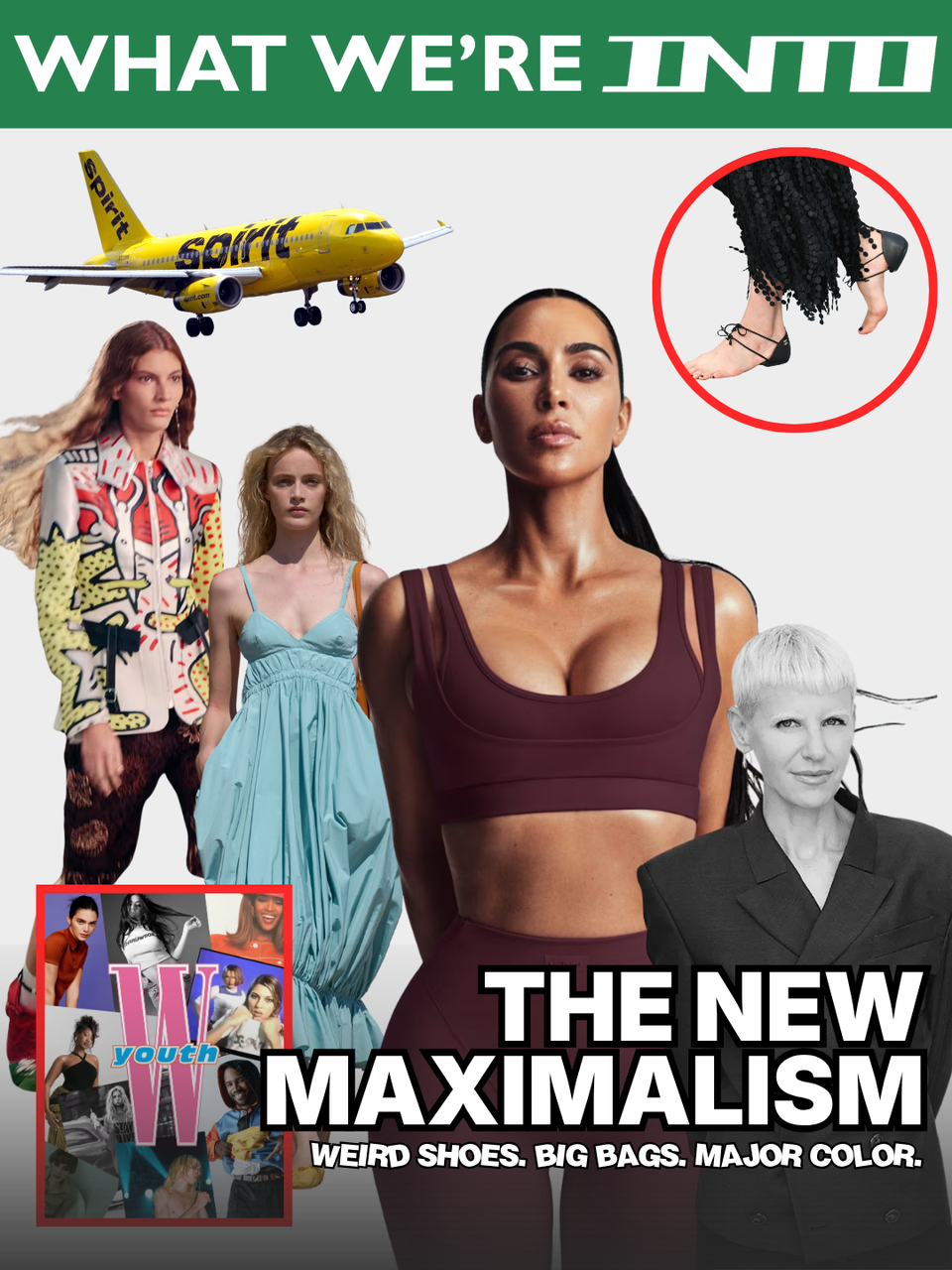
From surreal footwear and embellished handbags to color maximalism, the return of physical media, and the growing value of tangible objects, fashion is entering a distinctly more expressive era. Here’s everything we’re watching this week.
Welcome back to What We’re Into, our weekly roundup of the fashion, culture, technology, and retail stories shaping what comes next. This week, our nine-square board takes us everywhere from barely-there shoes and Y2K statement bags to major creative appointments, a new Gen Z magazine, Yeezy’s return to mainstream retail, the AI gender gap, and gold reaching new highs.
At first, these stories might seem completely unrelated. But put them next to each other and a much bigger cultural shift starts to emerge. After several years of minimalism, quiet luxury, neutral wardrobes, and increasingly digital consumption, we're seeing an appetite for the opposite: color, texture, weirdness, physicality, personality, and things that feel collectible.
For an archive business like Into Archive, that's a pretty exciting development.
The Shoe Has Officially Left the Chat
Let's start with footwear, because the shoe has officially left the chat.
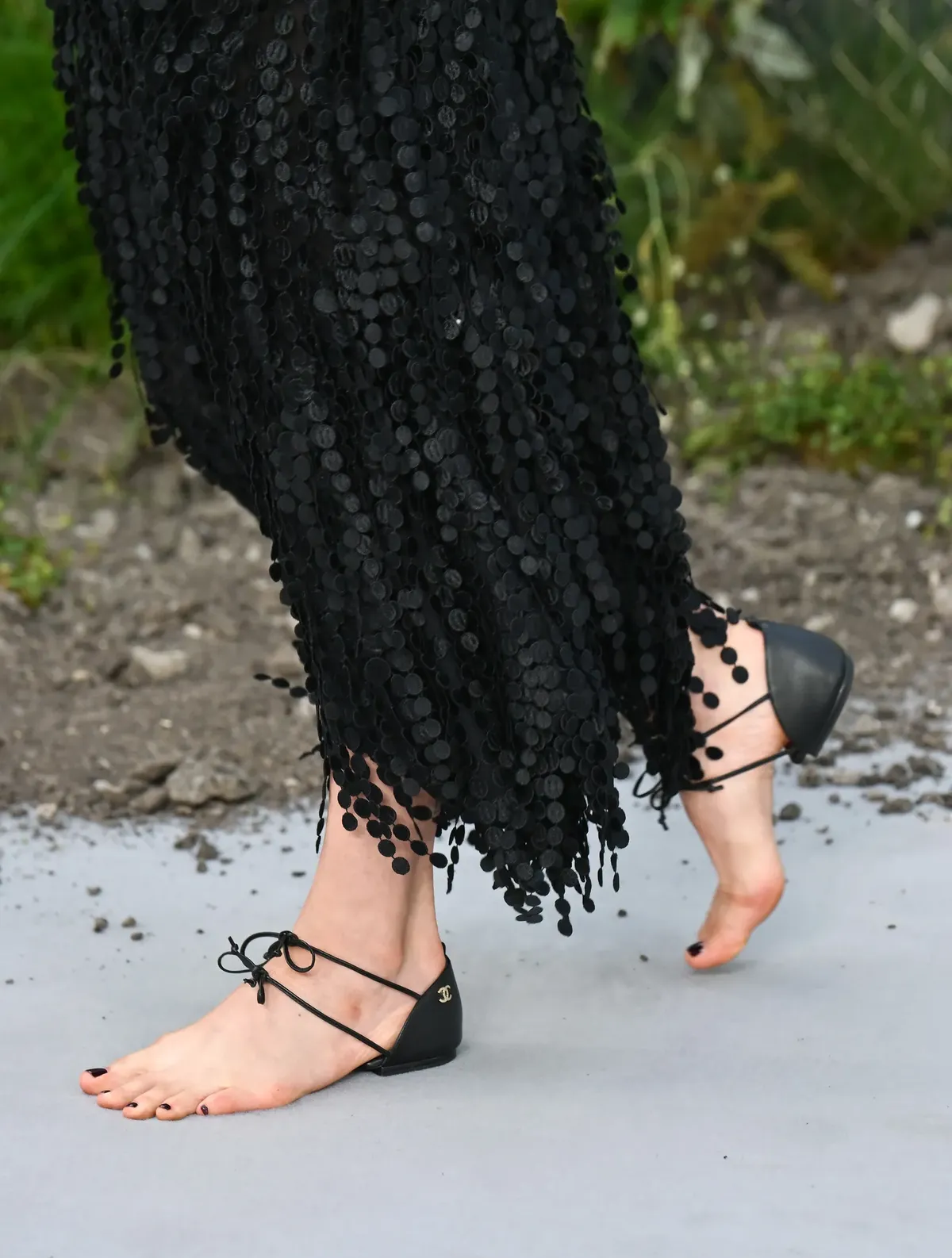
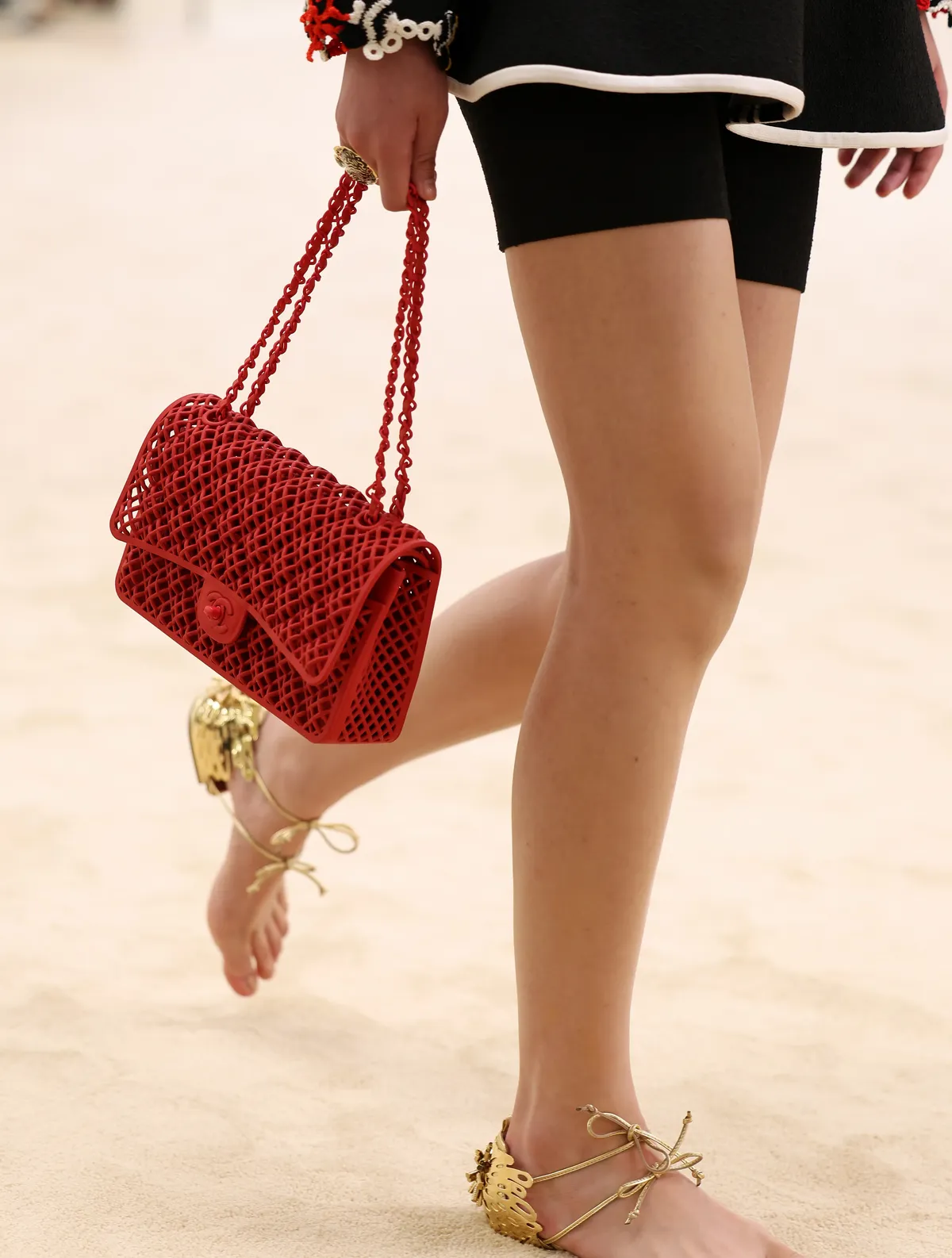
We're seeing an explosive appetite for surreal, avant-garde, and barely-there footwear: caged heels, mesh flats, split-toe thongs, exposed feet, sculptural constructions, and shoes that sometimes look more like conceptual objects than traditional footwear. The conventional idea of a “shoe” is being deliberately stripped back, with designers and consumers increasingly interested in what happens when footwear becomes almost invisible—or completely bizarre.
The rise of the so-called “barefoot” aesthetic is particularly interesting. Instead of using footwear to create polish or formality, these styles almost reject the idea that a shoe needs to conceal or transform the foot at all. The result is something slightly uncomfortable, slightly futuristic, and very fashion.
And honestly, we're here for it.
For Into Archive, this is a massive green light to start looking at our footwear collection differently. The conceptual pieces that might once have felt too strange for everyday styling suddenly feel incredibly relevant. Vintage Margiela Tabis, late-2000s Prada cage heels, unusual platforms, mesh constructions, and sculptural runway shoes all have a new context.
We also know our audience loves footwear content, which makes this an especially easy trend to capitalize on. Rather than only featuring the most commercially recognizable shoes, we're interested in pushing the stranger pairs—the “freakier” the better. If fashion wants shoes that look like they barely qualify as shoes, the archive has decades of references ready to go.
Color Maximalism Is Replacing Quiet Luxury
The second major shift we're watching is color.
After years of neutral “quiet luxury,” retailers and designers are leaning increasingly hard into saturated, emotional color. It feels almost like a psychological reaction to the grey fatigue of the last few years: if everything around us feels uncertain, why shouldn't our clothes be a little more joyful?
The runways have been pushing this conversation forward. Jacquemus' Spring/Summer 2027 collection leaned heavily into turquoise and orange, while Louis Vuitton's Cruise 2027 collection embraced saturated color throughout. At Copenhagen Fashion Week SS27, blue and pink reportedly accounted for around 20% of the overall color palette, pointing toward a much stronger appetite for expressive shades.
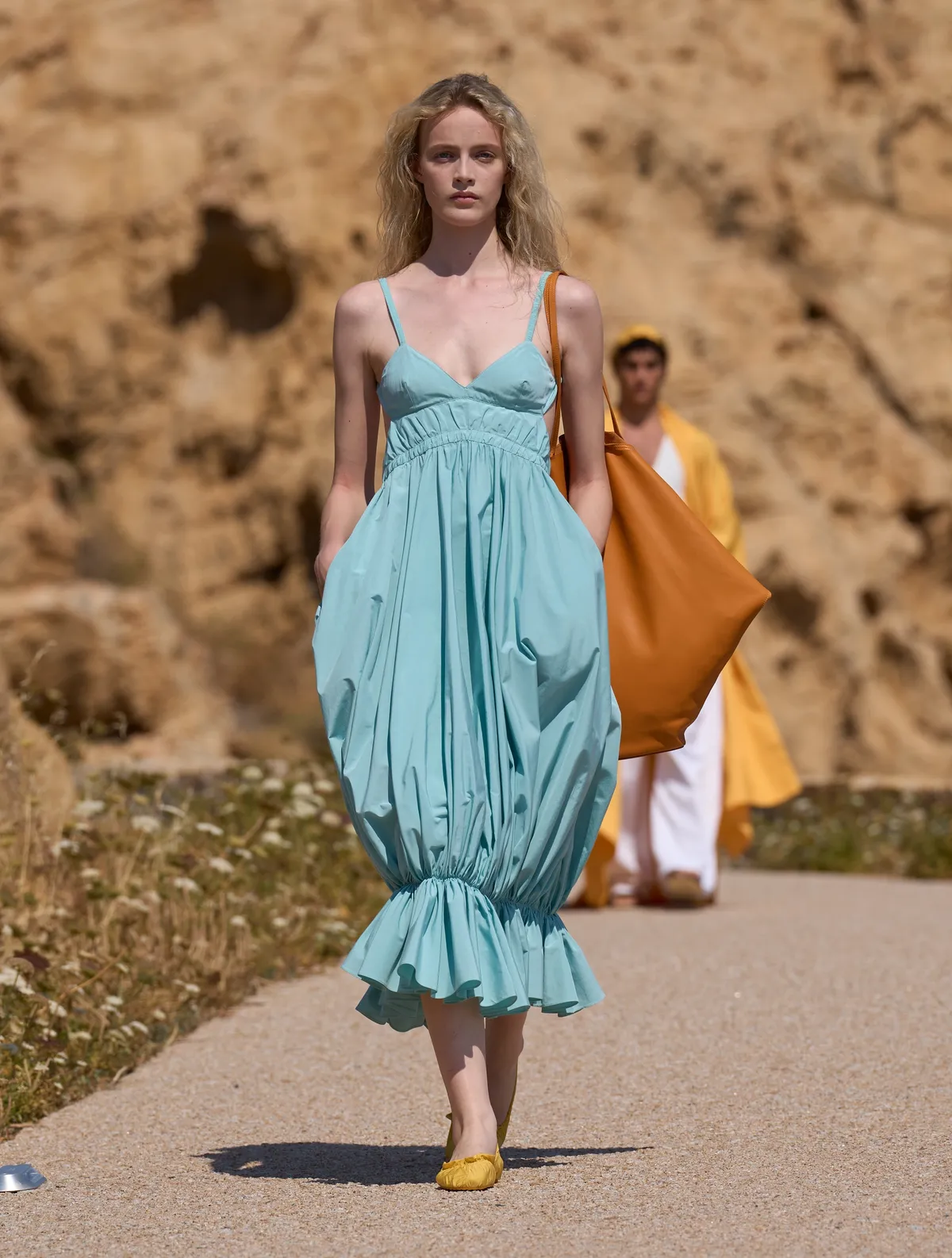
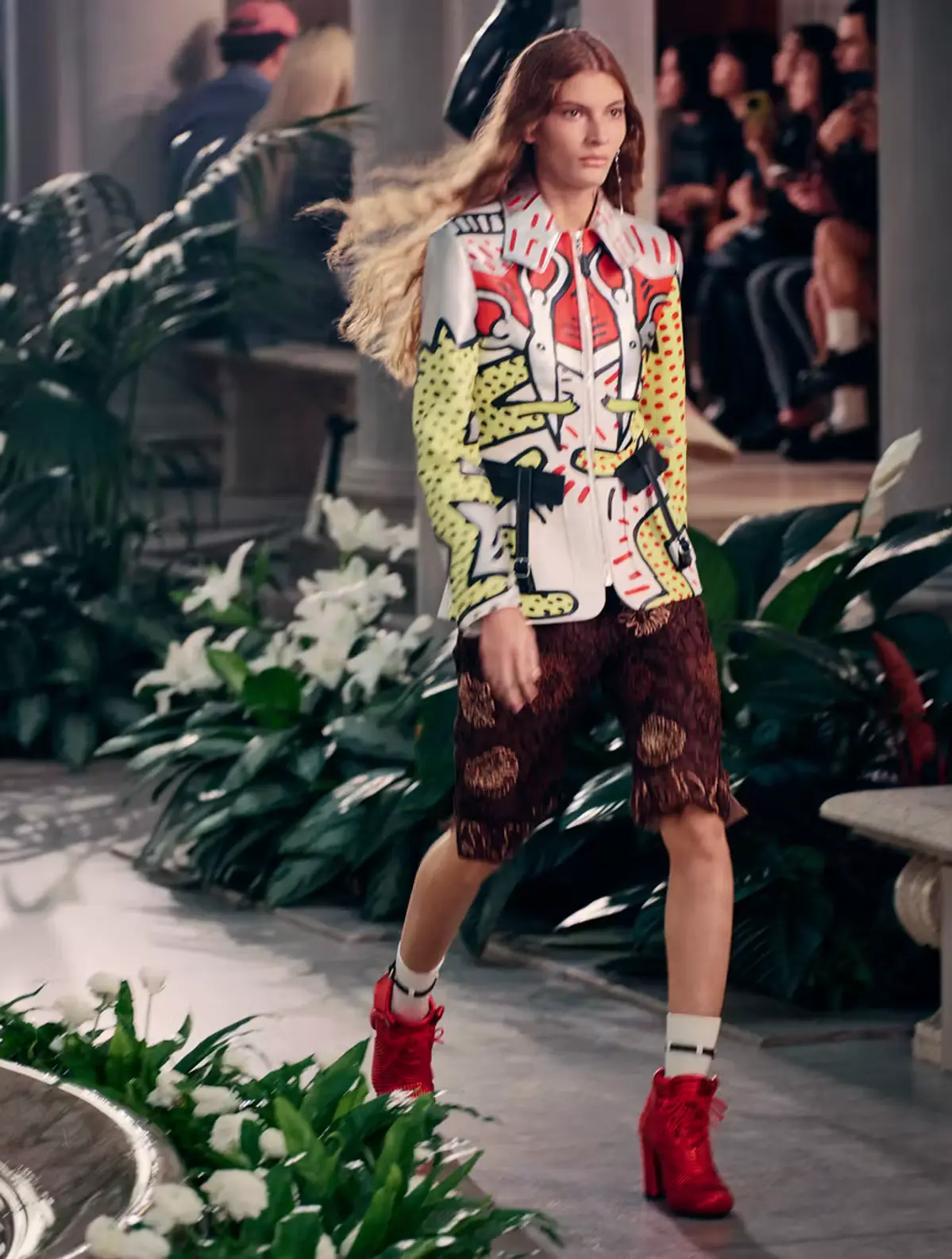
Search behavior is backing it up, too. Turquoise searches have climbed 45%, while orange searches are up 16%, suggesting that the interest isn't staying confined to fashion insiders or runway imagery.
The bigger story here is that color is becoming a form of emotional dressing again. After the dominance of cream, black, grey, beige, and brown, people are actively looking for pieces that have an immediate visual impact.
And this is another area where the archive has a major advantage. Vintage fashion has never been particularly afraid of color. From electric blue Prada to hot pink Versace, acid green accessories, orange leather, and saturated runway pieces, the archive is full of shades that can make a contemporary neutral wardrobe feel completely different.
Maybe the new luxury isn't blending in. Maybe it's being impossible to ignore.
Handbag Maximalism Is Here
If color is getting louder, handbags are getting more tactile.
Consumers increasingly want bags covered in beads, sequins, crystals, embroidery, glitter, fringe, intricate appliqués, and exaggerated hardware. The polished, anonymous leather tote is being challenged by bags that demand to be touched, photographed, and examined.
This feels particularly significant for Y2K fashion because the era was already obsessed with statement accessories. The best bags of the late '90s and 2000s weren't designed to disappear into an outfit. They were covered in rhinestones, logos, metallic finishes, charms, unusual textures, oversized buckles, and decorative hardware. They had personality.
Now, that same instinct is coming back.
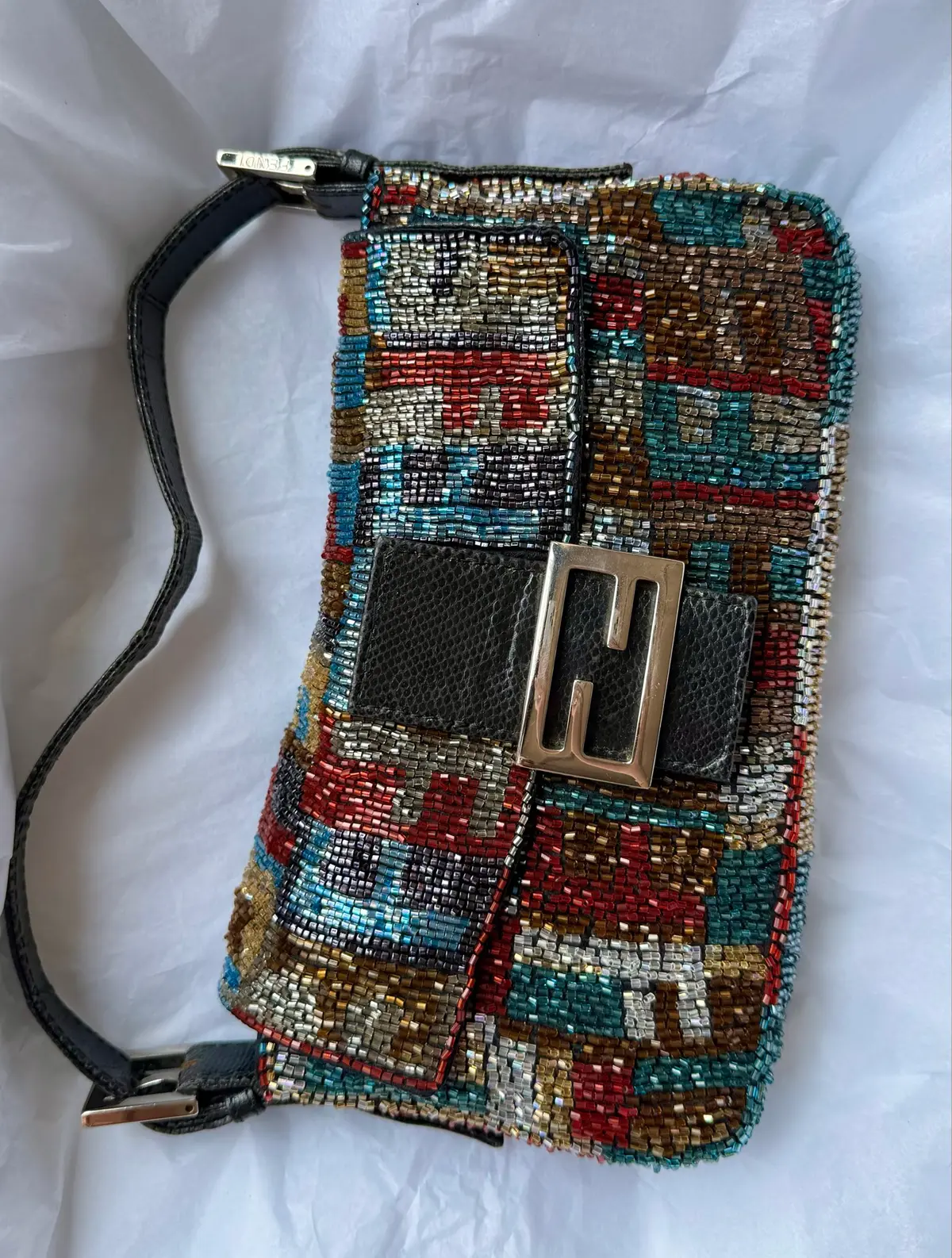
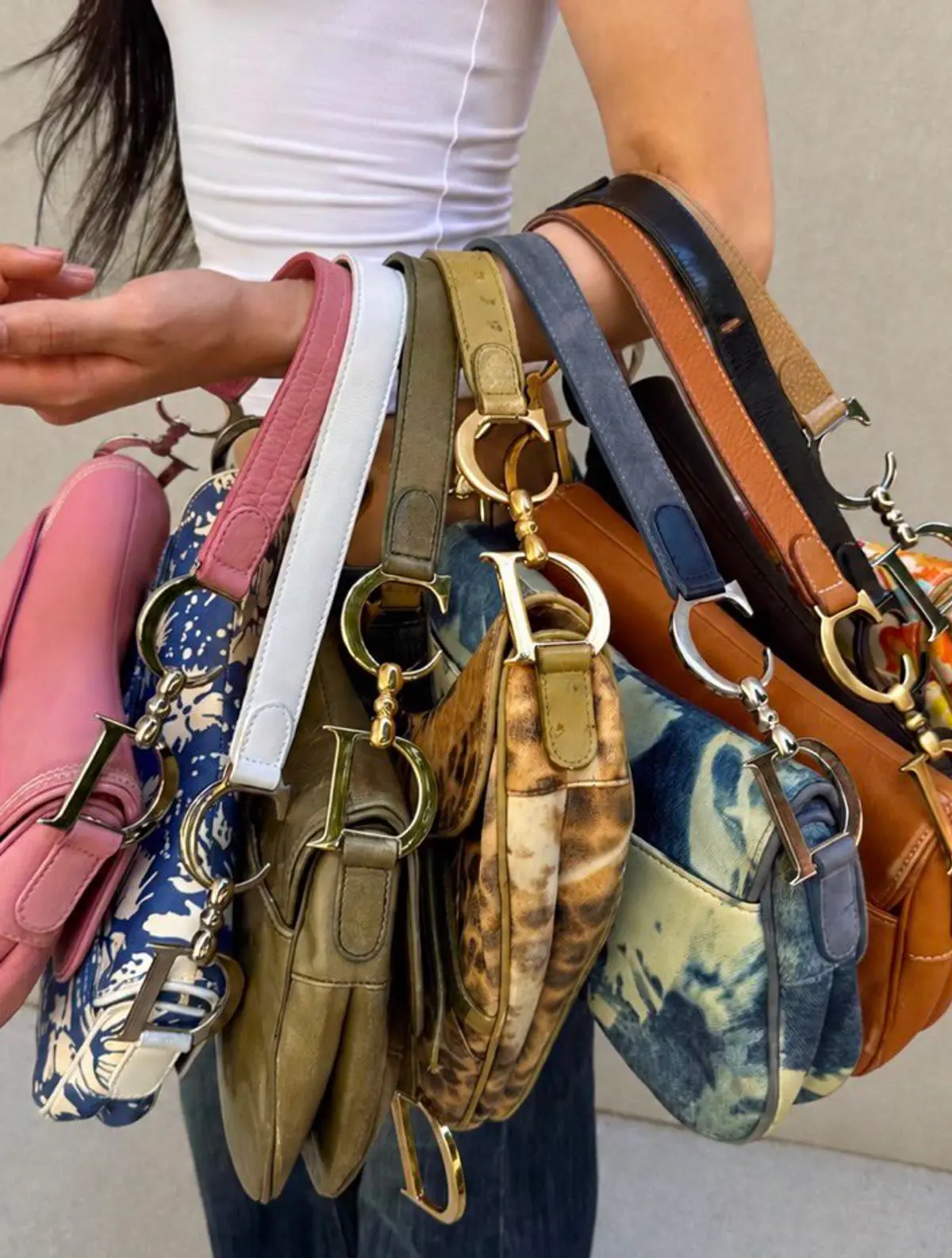
And for Into Archive, it completely validates our focus on Y2K statement bags. The pieces that feel most exciting right now aren't necessarily the quietest or most practical. They're the ones that make you stop scrolling: the beaded evening bags, crystal-covered shoulder bags, heavily embellished minis, strange silhouettes, and pieces with hardware that feels almost excessive.
There's a reason these bags work so well on social media, too. Texture reads immediately on camera. A heavily beaded bag, glittering crystal finish, or unusual piece of hardware creates visual interest before you even know what brand you're looking at.
People don't just want a bag. They want a bag with a story.
SKIMS Goes Streetwear
Moving into the business side of fashion, SKIMS just made a major creative hire. The brand appointed former Supreme Chief Creative Officer Erin Magee as its first-ever Chief Design Officer, bringing more than two decades of Supreme experience into a company that is rapidly expanding its physical retail footprint and global presence.

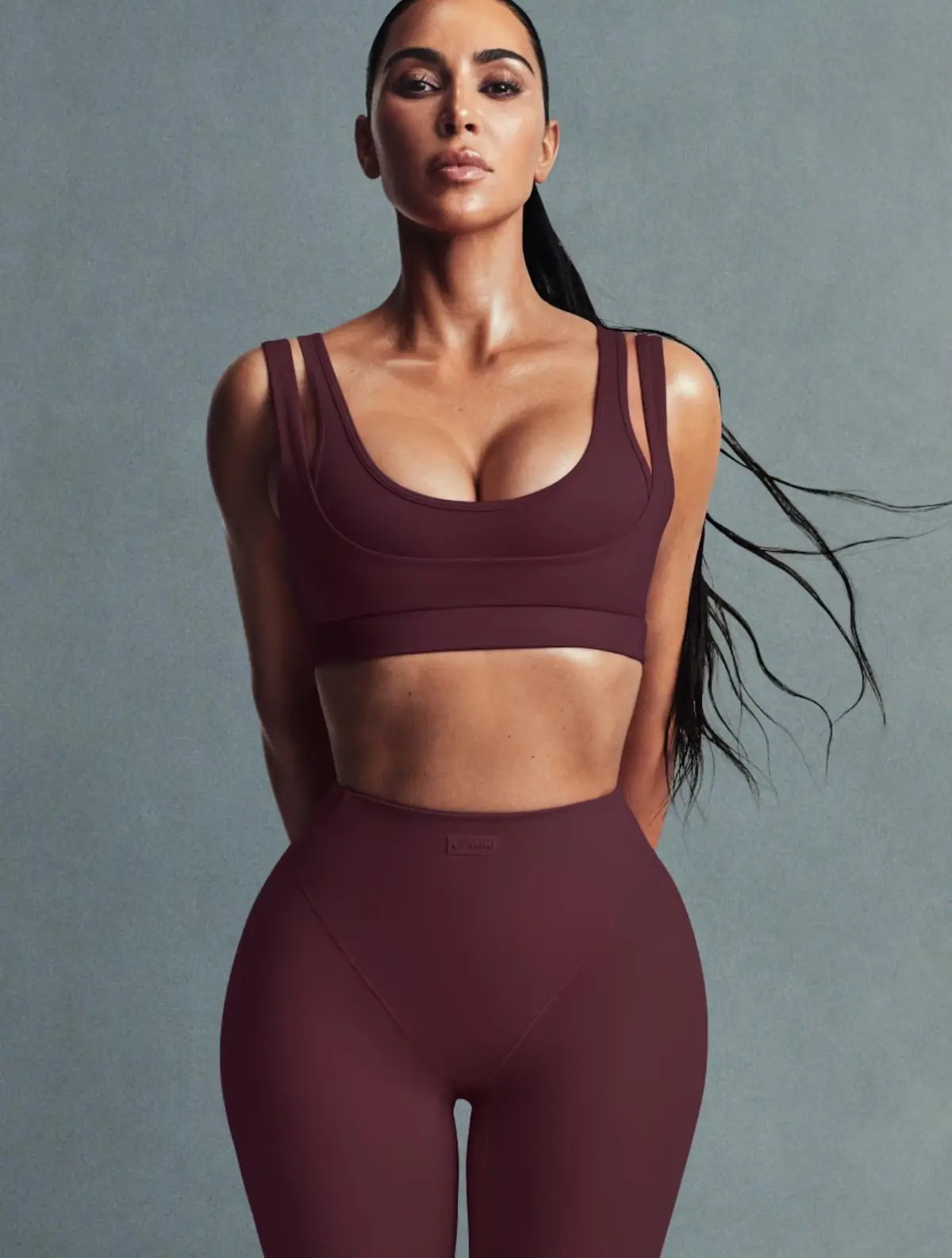
Magee's appointment is particularly interesting because Supreme has had an enormous influence on fashion, despite many consumers probably being unable to name the person behind its creative direction. For years, the brand's identity was bigger than any individual designer. Its cultural influence came from a combination of product, community, scarcity, collaborations, and a very specific understanding of what makes something feel desirable.
Now that Magee has stepped away from Supreme and into one of fashion's biggest celebrity-founded brands, we're curious to see what happens when that creative language meets SKIMS.
The appointment could push SKIMS further into streetwear, fashion collaborations, and more collectible product. It also demonstrates how blurred the boundaries between luxury, celebrity, shapewear, streetwear, and mainstream retail have become.
SKIMS doesn't need to prove that it can sell. The more interesting question is how Magee might change what people want it to sell next.
WYouth Is Bringing Gen Z Back to Print
At the same time, another major shift is happening in media.
W Magazine's new Gen Z-focused title, WYouth, is preparing for its inaugural September print issue, with Sofia Coppola, her daughter Cosima Mars, former Heaven by Marc Jacobs creative lead Ava Nirui, and Sara Moonves involved in the project.
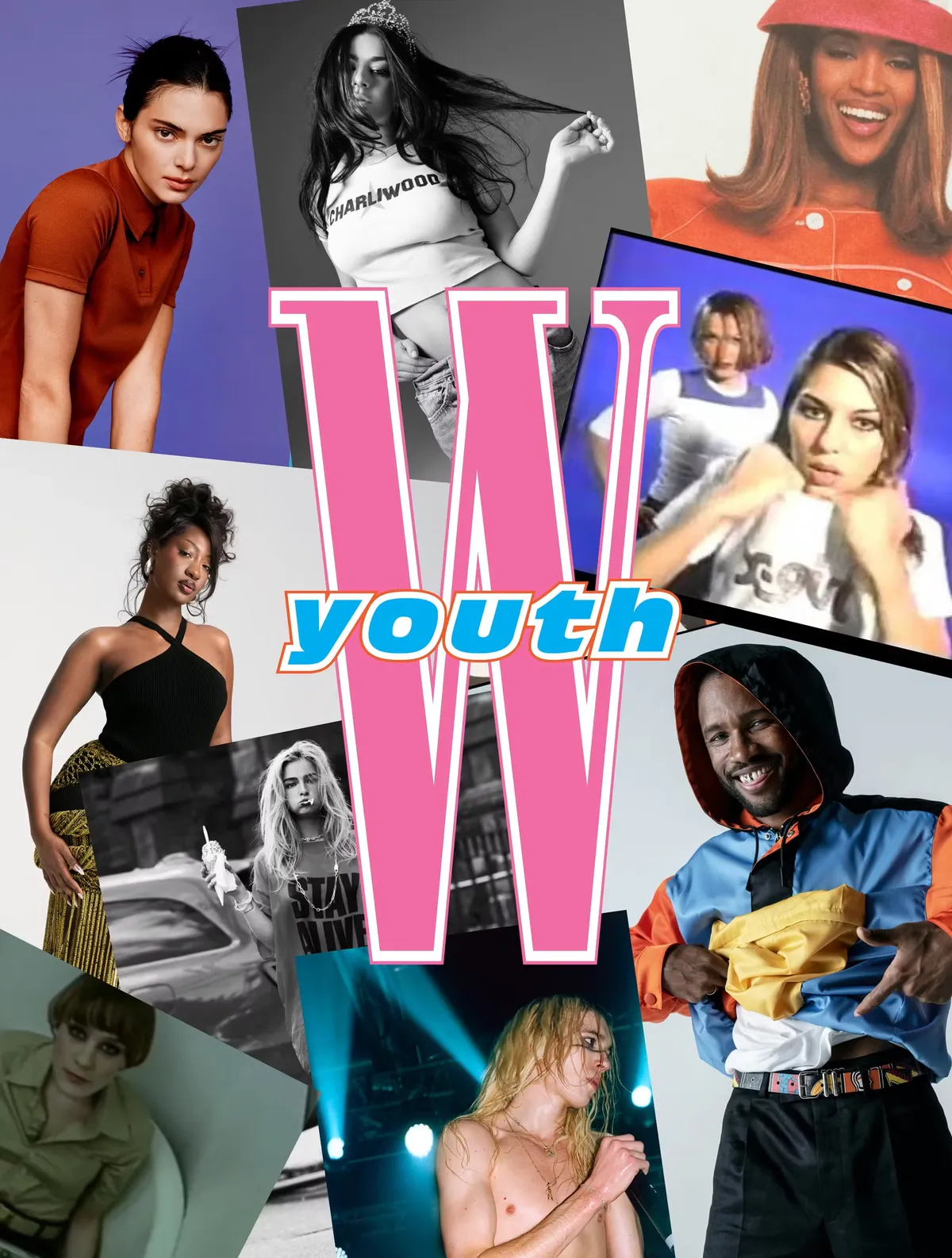
On paper, launching another print magazine in 2026 might seem almost deliberately nostalgic. But that is precisely what makes it interesting.
Gen Z is often described as the most digitally native generation, yet younger consumers have developed a surprisingly strong appetite for physical objects. Film cameras, vinyl records, printed magazines, vintage clothing, books, and collectible objects all offer something that an infinite digital feed can't: permanence.
You can close an app. You can't swipe away a physical magazine sitting on your coffee table.
That same desire for tactility is deeply connected to archival fashion. An image of an old Prada bag can circulate endlessly online, but owning the actual bag is a completely different experience. You can feel the leather, inspect the hardware, see how the object has aged, and understand that it existed long before the algorithm decided it was relevant.
In that sense, WYouth isn't simply nostalgic. It's part of a broader cultural desire to own a piece of the reference instead of just looking at it.
Yeezy Returns to Mainstream Retail
Yeezy is also back on the retail floor.
The footwear brand has returned to mainstream physical and digital channels through JD Sports, marking its first major wholesale expansion since its split from Adidas. The move brings Yeezy back into a much more traditional retail environment after a period in which its products became increasingly tied to the secondary market.
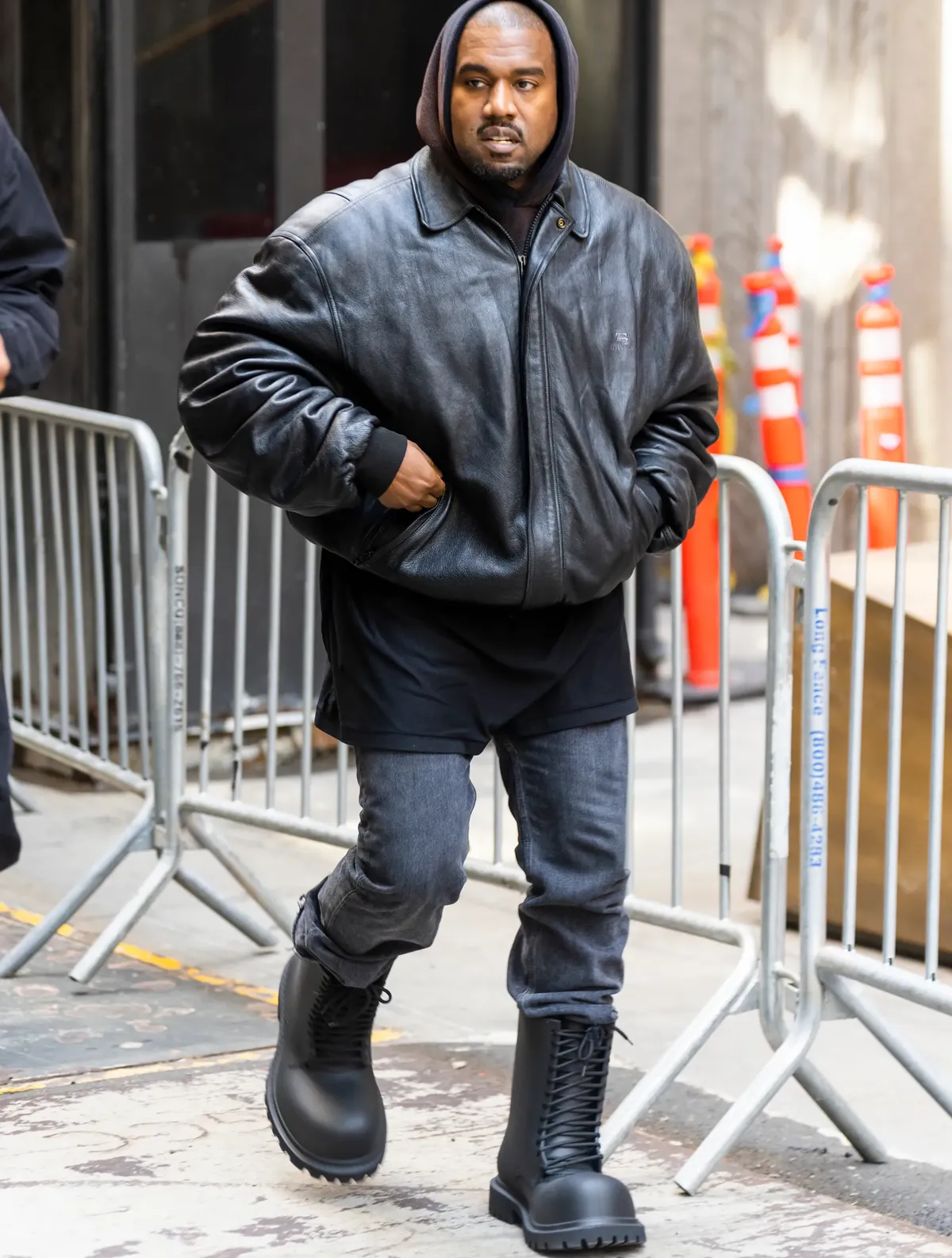
It's an interesting case study in what happens to a product after its original cultural moment—and controversy—has passed.
The secondary market has always been an important part of fashion's ecosystem because it allows products to continue circulating long after brands stop producing them. But when a product returns to mainstream retail, its cultural status can shift again.
Yeezy's return puts a spotlight on the complicated relationship between scarcity, controversy, resale value, and commercial relevance. It also reinforces something the archive has always understood: an item's story doesn't end when it leaves the original retail floor. Sometimes, that's when the more interesting part begins.
The AI Gender Gap Is Getting Harder to Ignore
Down on the technology side of our board, a recent LinkedIn report highlighted a significant disparity in the rapidly expanding AI workforce. Women accounted for only 26% of new AI hires, while women hold just 13% of executive roles in the field. With average U.S. AI salaries reaching around $177,000, the imbalance represents more than a diversity problem—it is also a significant economic disparity.
The numbers become even more important as AI moves from being an emerging technology into an increasingly fundamental part of everyday life.
AI is already influencing fashion through image generation, product recommendations, trend forecasting, search, marketing, customer service, and e-commerce. The people building these systems inevitably influence how those systems understand consumers and culture.
That makes representation at the development level important. If the technology shaping how we discover, buy, and understand products is being built by an increasingly narrow demographic, questions around bias aren't theoretical. They affect the tools consumers and businesses interact with every day.
For an industry that has always been concerned with representation and cultural perspective, the AI workforce is another area worth watching closely.
Google Just Bought an Archive of Corporate Memory
Perhaps the strangest technology story this week came from Google's $10 million purchase of Spirit Airlines' internal data at a bankruptcy auction.

The deal reportedly includes around 100 million corporate emails, approximately 500 million Microsoft Teams messages, internal documents, and years of company code and operational information. Personal customer data was kept off the table, while the larger dataset will be de-identified.
Why does Google want it?
Because real-world corporate behavior is becoming valuable training material for AI.
Public internet data has been extensively scraped and increasingly exhausted, creating a growing demand for proprietary, real-world datasets. Spirit's internal records offer something generic web content can't: a detailed picture of how an actual company communicates, makes decisions, solves problems, manages operations, and functions at scale.
In other words, Google isn't simply buying information. It's buying a record of how an organization works.
There is an interesting parallel to fashion archives here. We often think of an archive as a collection of garments, runway images, magazines, or photographs. But an archive is ultimately a record of behavior and culture. It preserves evidence of what existed and how people interacted with it.
The fact that Google is willing to spend $10 million on corporate history suggests that archives—physical or digital—may become increasingly valuable as technology advances.
Gold Is Reminding Us Why Objects Hold Value
Finally, gold is having a major week.
As the U.S. dollar weakens and investors respond to continued economic uncertainty, gold has been attracting renewed attention as a hard asset. The precious metal's appeal comes from its physicality and scarcity—qualities that become particularly attractive when confidence in traditional financial markets fluctuates.
For the luxury industry, the connection is immediate.
Luxury has always existed somewhere between consumption and collecting. A gold bracelet can be a piece of jewelry, a design object, a piece of fashion history, and a material asset simultaneously. The same can be true of certain handbags, watches, and accessories whose scarcity and cultural significance have allowed them to retain value long after their original release.
This is why archival gold jewelry is particularly interesting right now. Vintage gold pieces aren't simply styling accessories. Their value can come from the material itself, as well as craftsmanship, provenance, rarity, designer, and historical significance.
The same principle applies to iconic hardware and collectible handbags. Vintage Chanel, Hermès Birkin, and other highly sought-after pieces occupy an unusual space between fashion and tangible asset.
Luxury isn't necessarily just about buying something beautiful.
Sometimes, it's about owning something that lasts.
So, What Are We Into?
When you look at this week's nine stories together, the pattern becomes hard to miss.
Fashion is moving toward more. More color. More texture. More embellishment. More personality. More physicality. More history.
The strange shoe is suddenly desirable because it looks different. The embellished handbag works because it feels personal. Color provides an antidote to years of neutral minimalism. A new print magazine feels exciting because it is something you can physically own. Yeezy's retail return reminds us that cultural relevance can be cyclical. And the rising value of gold and collectible luxury objects reinforces the idea that physical things can carry value beyond their original purpose.
Even the technology stories point toward the same question: what happens to things after the moment they're created?
Data becomes an archive. A magazine becomes a collectible. A handbag becomes an investment. A vintage shoe becomes a reference. A piece of jewelry becomes a piece of history.
And that's exactly where Into Archive fits in.
Our playbook for this week is simple: feature the textured Y2K bags, lean into archival gold jewelry and iconic hardware, and front-load the freakiest vintage footwear we can find. The pieces with the most personality are the ones we want to put in front of people right now.
Because if the past few years taught fashion how to be quiet, 2026 looks like it's teaching it how to be interesting again.
→ Book a private showroom appointment
About Into Archive
Into Archive is a New York-based archival fashion showroom specializing in rare and collectible designer pieces from fashion’s most influential eras. Our collection features vintage and archival garments and accessories from designers including Dior, Prada, Chanel, Jean Paul Gaultier, Vivienne Westwood, and more.