What We’re Into: From Galliano to Kusama, the Icons Shaping Fashion Now
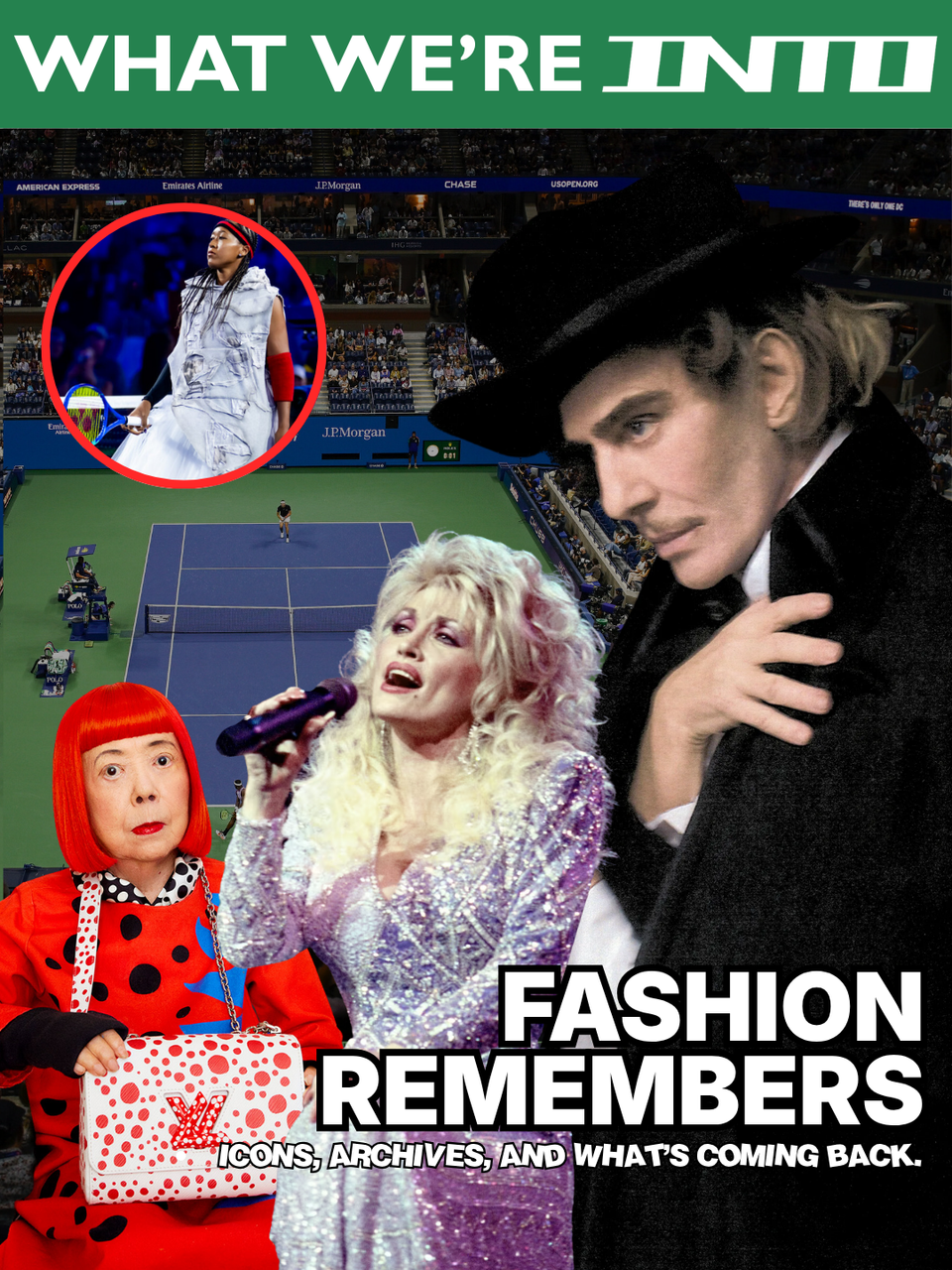
Fashion is always looking backward while insisting it’s moving forward. This season, that tension feels especially obvious. From the return of Y2K technology to the renewed obsession with archival silhouettes, fashion’s biggest conversations are being shaped by the people, images, and ideas that have already left a mark.
At Into Archive, that’s exactly where we like to look: at the moments that become references, the designers who become mythology, and the pieces that continue to feel relevant decades after they first appeared.
The Met Gala Fallout
John Galliano has always been a designer who understood fashion as spectacle. His work transformed historical references, fantasy, theatricality, and craftsmanship into collections that felt closer to performance than clothing. So when the Metropolitan Museum of Art announced that its planned 2027 Costume Institute exhibition, John Galliano: Horizons, would no longer proceed, the decision landed as more than a scheduling change.
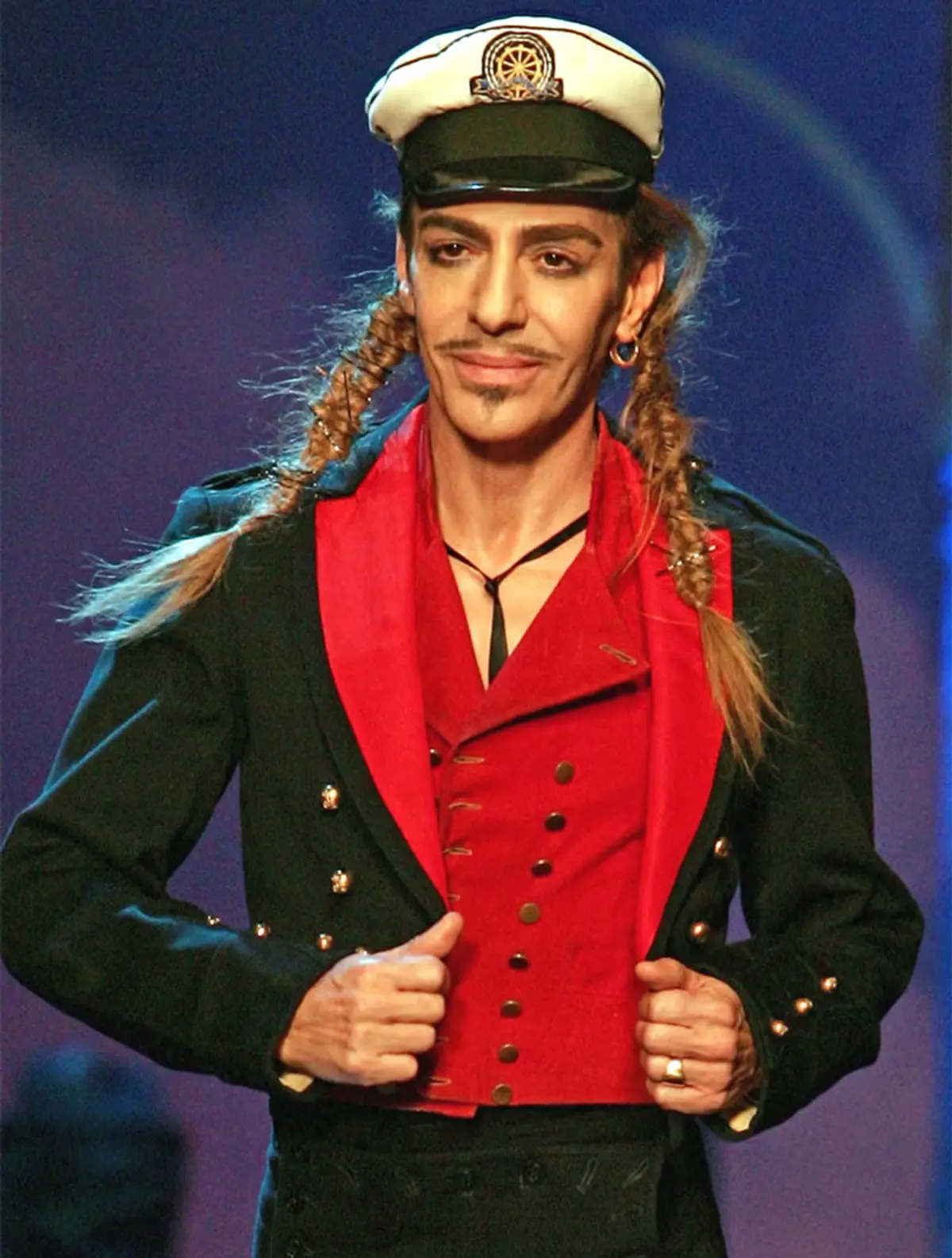
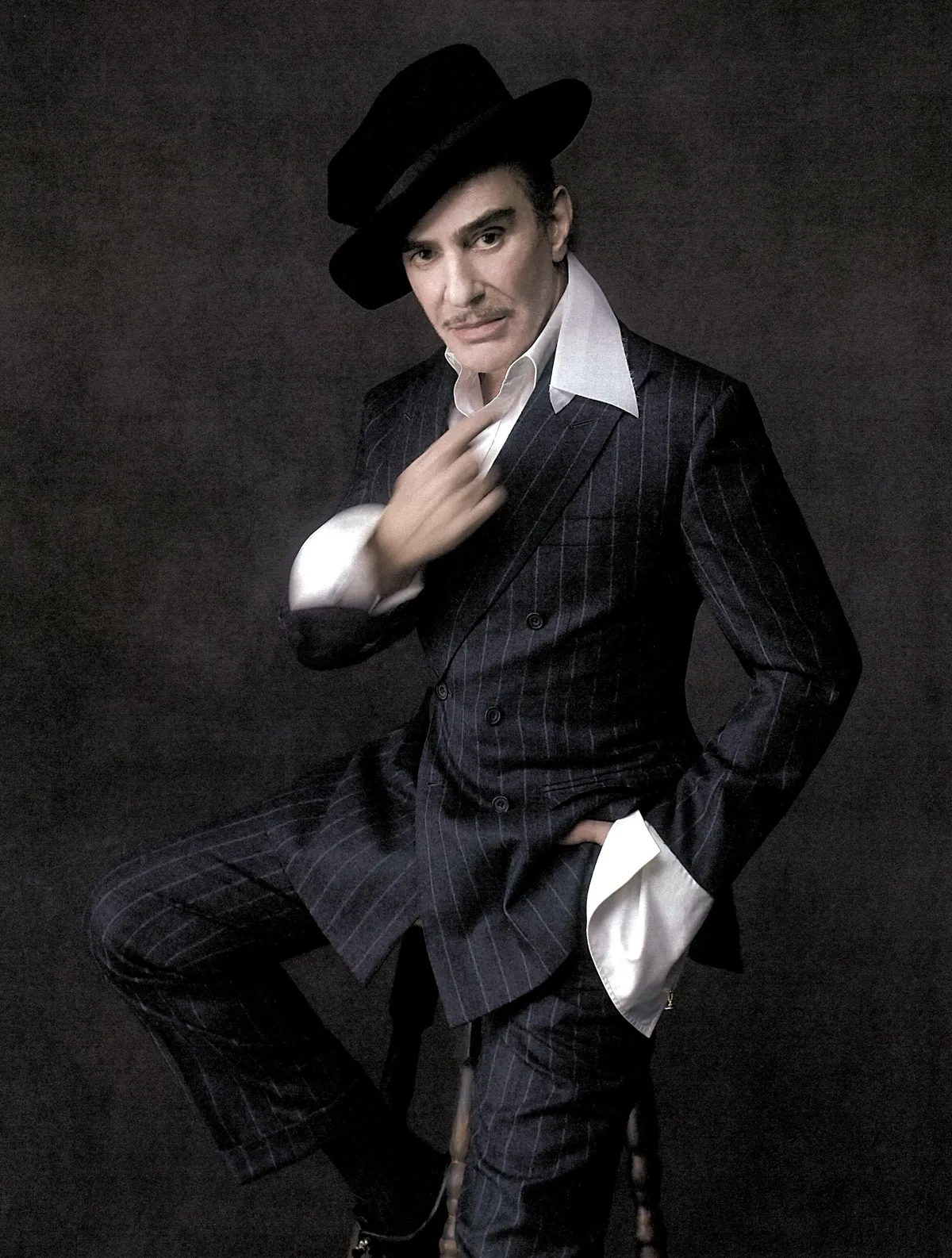
The cancellation followed renewed controversy surrounding Galliano’s past, reopening one of fashion’s most complicated questions: what happens when the work is undeniably influential but the person behind it remains deeply controversial?
Galliano’s legacy is particularly difficult to separate from fashion history because his influence is everywhere. His work at Dior and Maison Margiela helped define entire visual languages, from exaggerated historical silhouettes to deconstruction, surrealism, and theatrical styling. For an archival fashion community, that makes the conversation impossible to ignore. An archive isn't simply a collection of clothes — it is a record of the ideas, tensions, and cultural shifts that produced them.
Remembering Dolly Parton
Dolly Parton understood the power of an image long before social media turned personal style into a global industry.
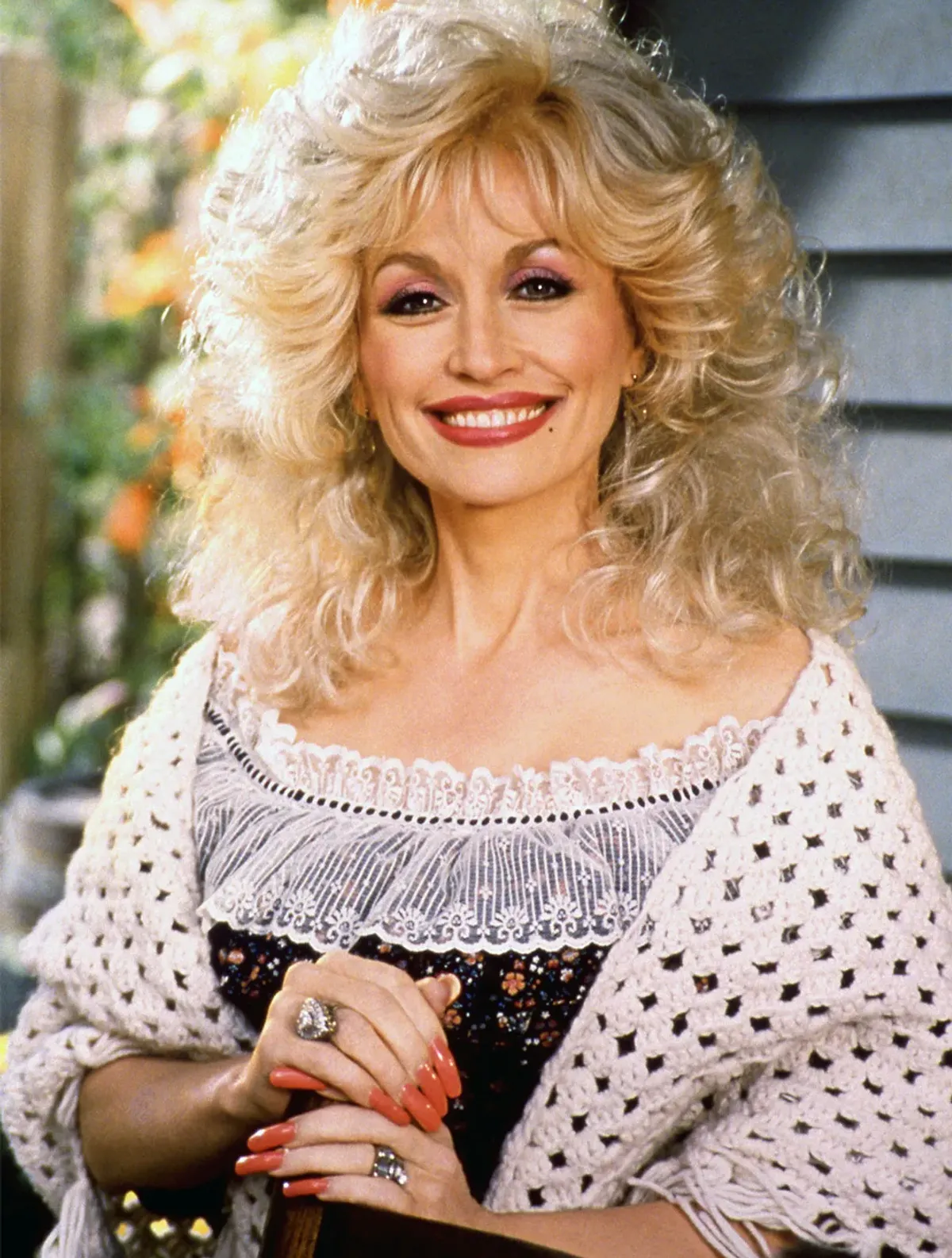
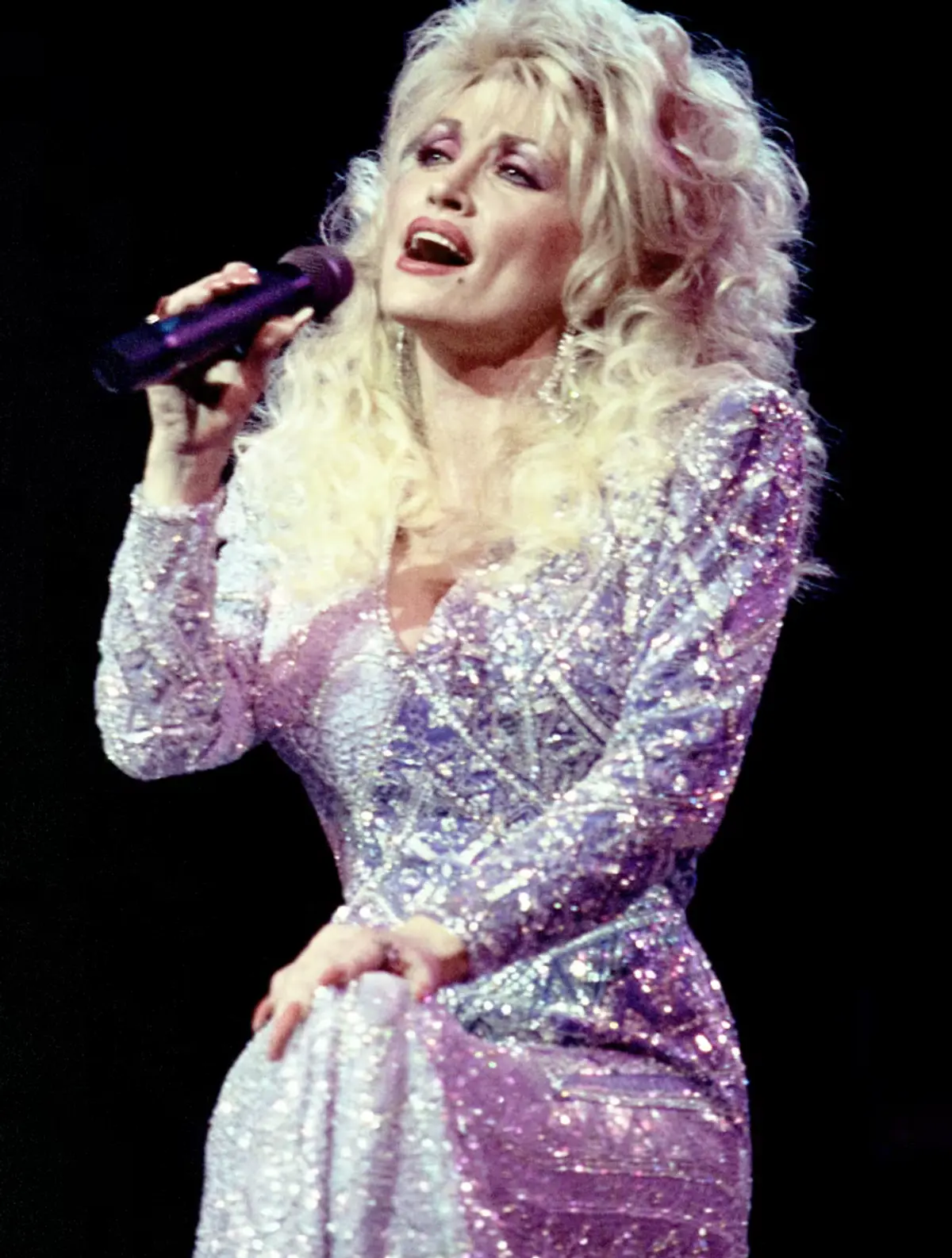
With her passing at 80, fashion has been looking back at an aesthetic that was unmistakably Dolly: rhinestones, sequins, feathers, fringe, corsetry, exaggerated silhouettes, sky-high hair, and unapologetic glamour. She never subscribed to the idea that femininity had to be subtle to be sophisticated. If anything, she made excess feel like a form of authenticity.
Her influence reaches far beyond country music. Dolly’s image has become a visual shorthand for Southern glamour, maximalism, performance, and self-invention — ideas that continue to cycle through fashion today.
There is something inherently archival about that kind of style. The pieces that survive culturally are rarely the quiet ones. They are the clothes that tell you exactly who wore them, where they were going, and why they wanted to be seen.
Yayoi Kusama’s Infinite Influence
Yayoi Kusama leaves behind one of the most recognizable visual languages in contemporary art: polka dots, pumpkins, infinity rooms, mirrored spaces, and obsessive repetition. Her influence on fashion has been just as lasting.
Her collaborations with Louis Vuitton helped push the relationship between fashion and contemporary art into a new visual territory. The partnership first emerged in 2012 under Marc Jacobs, transforming Kusama’s signature dots into handbags, clothing, accessories, and immersive retail installations. More than a decade later, the collaboration returned in 2023, proving that the visual language still had enormous cultural power.
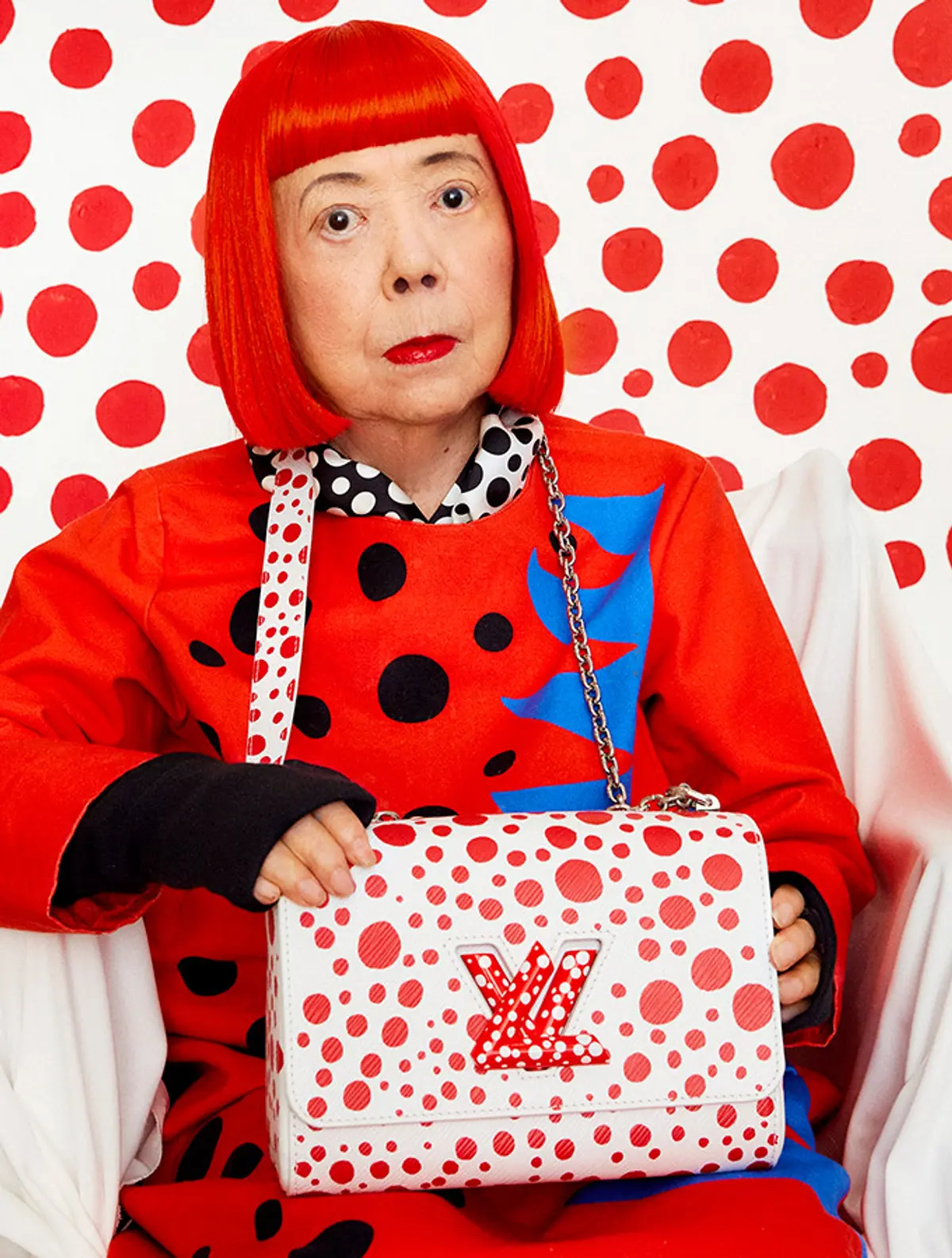
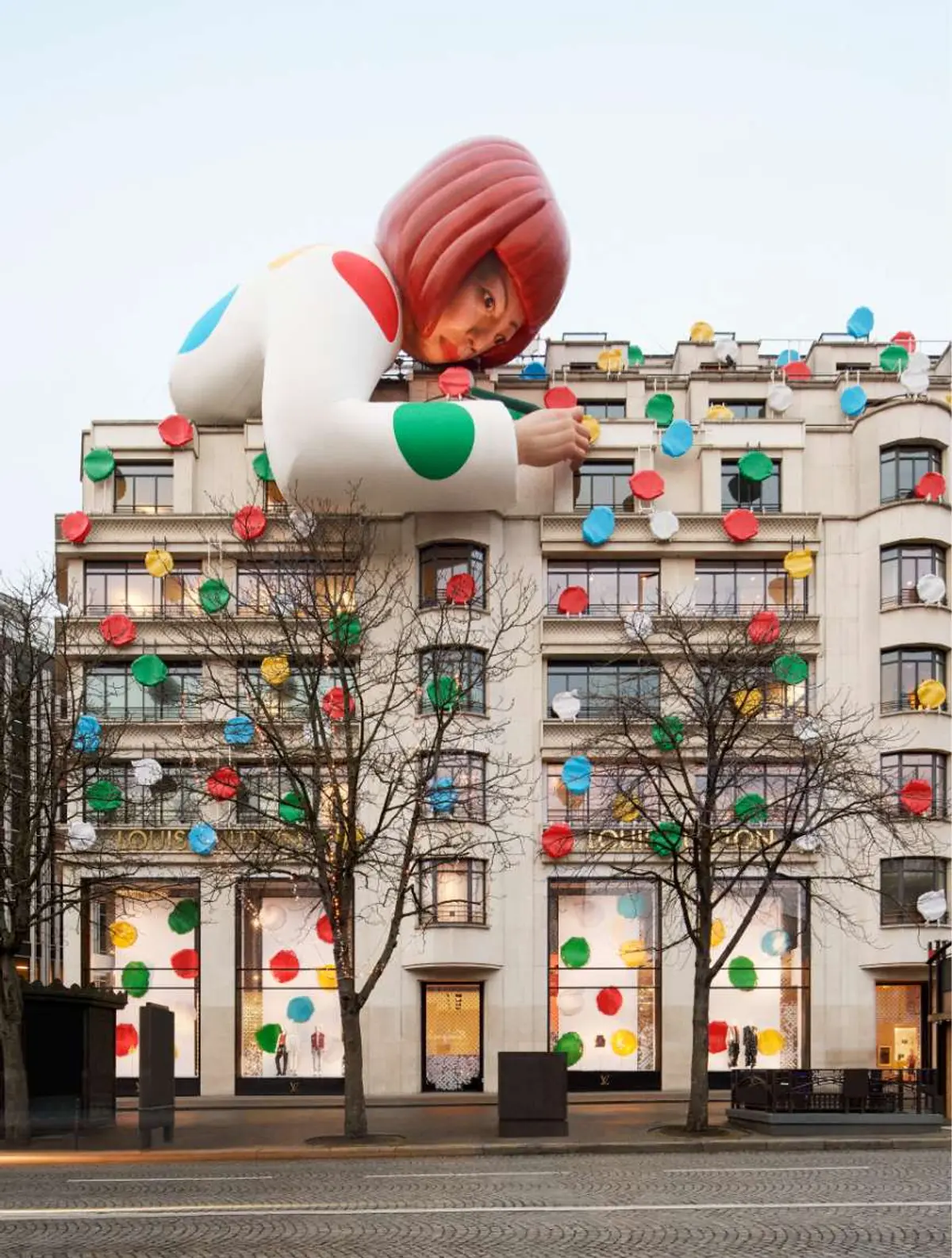
Louis Vuitton's relationship with Kusama was never simply about putting a print on a bag. Stores became installations. Handbags became canvases. Fashion became part of the artwork itself.
With Kusama’s passing at 97, those collaborations take on another layer of significance. They are now part of a larger record of how one artist changed the way fashion could interact with art, commerce, and popular culture.
For an archive, that kind of history matters. The most collectible pieces are often the ones that represent a moment bigger than the garment itself.
New York, Tennis & the US Open
Every September, New York becomes a particularly interesting fashion city.
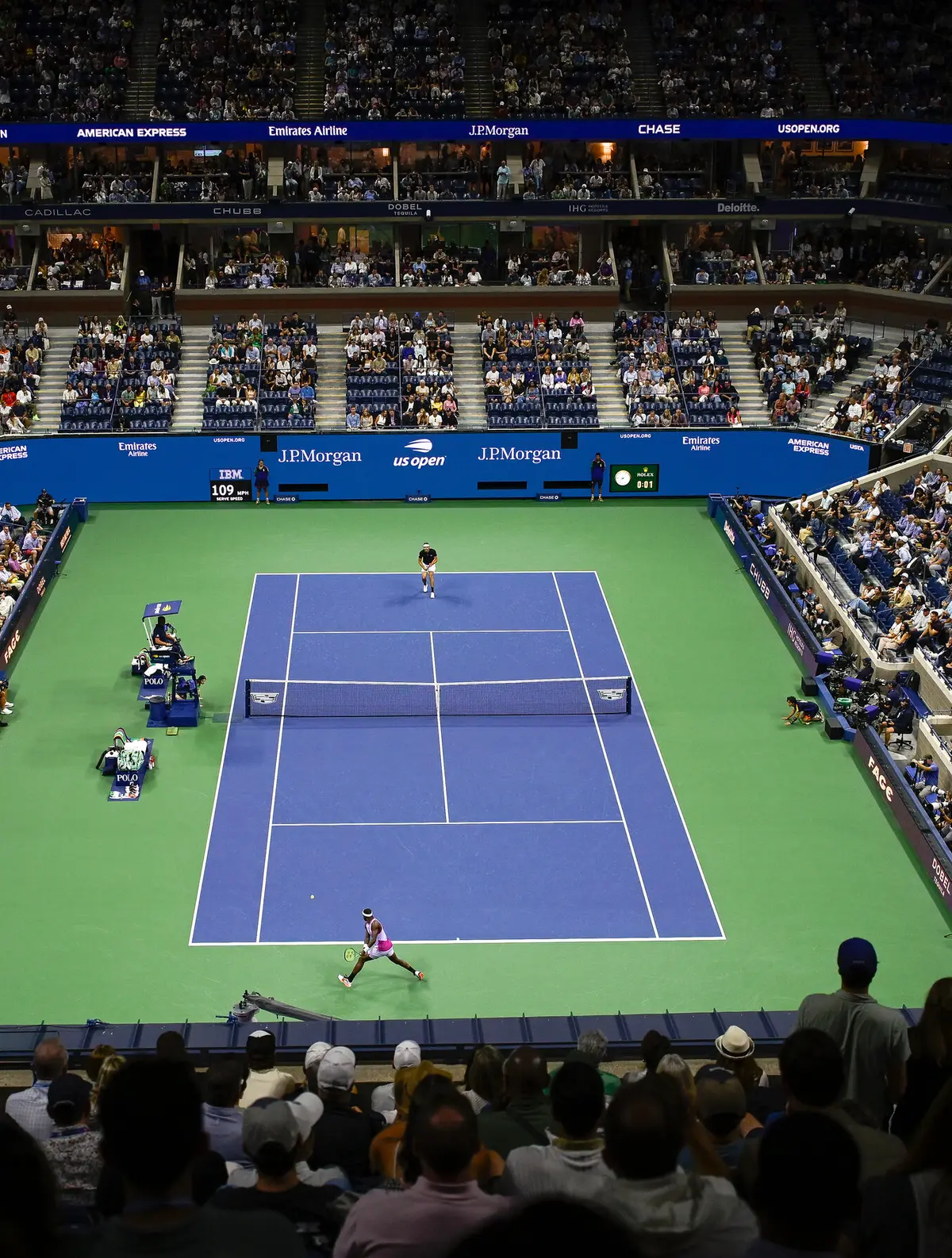
The US Open brings athletes, celebrities, designers, editors, and brands into the same orbit, turning Flushing Meadows into more than a sporting destination. The tournament has increasingly become its own style ecosystem — one where athletic uniforms, tunnel looks, custom fashion, and celebrity dressing collide.
Tennis has always had a complicated relationship with fashion. The sport's traditional codes — pleats, polos, clean whites, tailored silhouettes — have become a reference point that designers continually reinterpret. In New York, those references feel less restrained. The result is a mix of performance, nostalgia, streetwear, and high fashion that feels distinctly current.
And then there was Naomi Osaka.
Naomi Osaka Pays Tribute to Allen Iverson
Naomi Osaka's US Open look was one of those moments where fashion history, sport, and personal influence collided.
For her appearance, Osaka paid tribute to Allen Iverson, drawing from the basketball legend's unmistakable style language. Styled by Law Roach, she appeared in a dramatic custom Who Decides War gown featuring newspaper imagery, layered tulle, and a silhouette that felt part couture, part sports mythology.
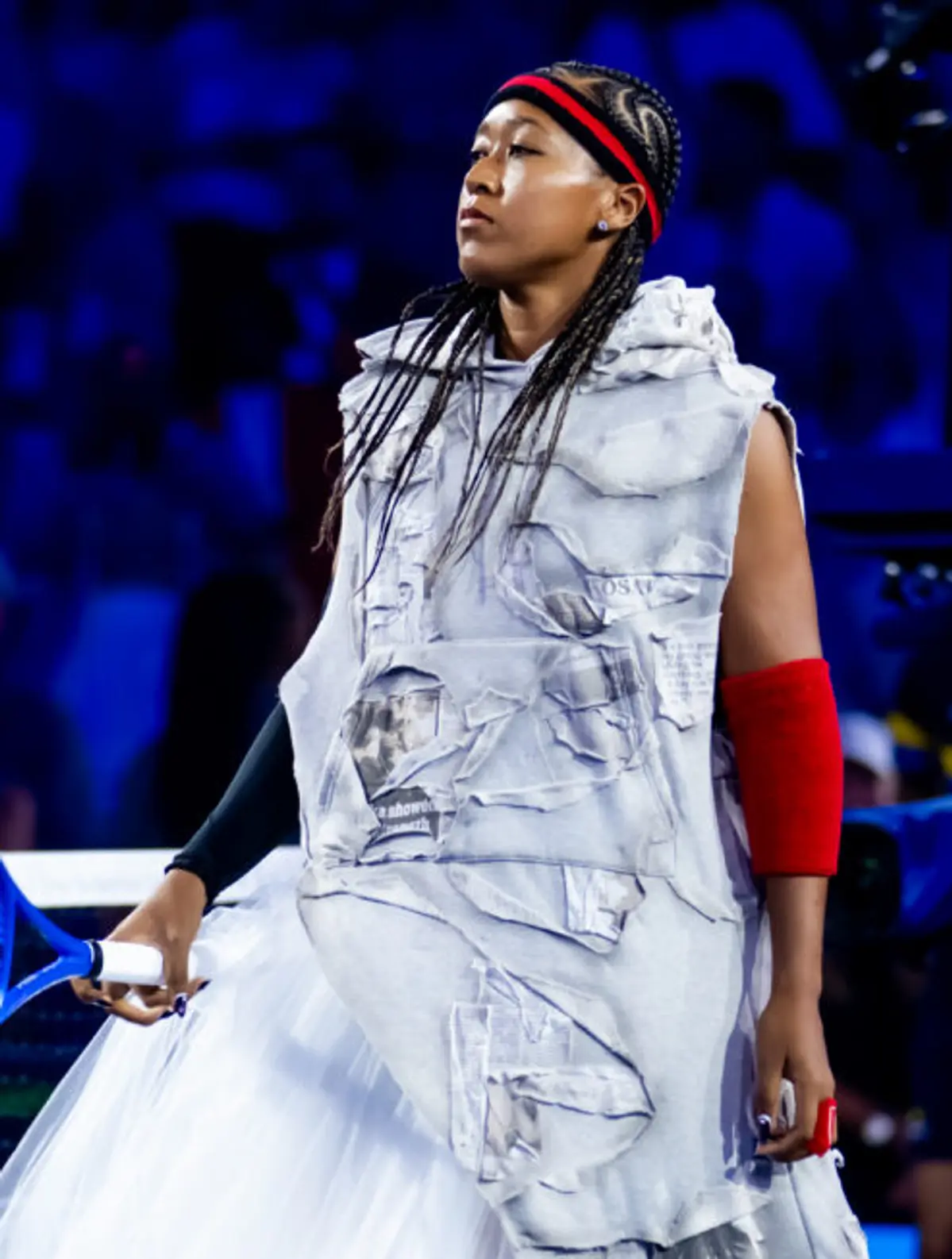
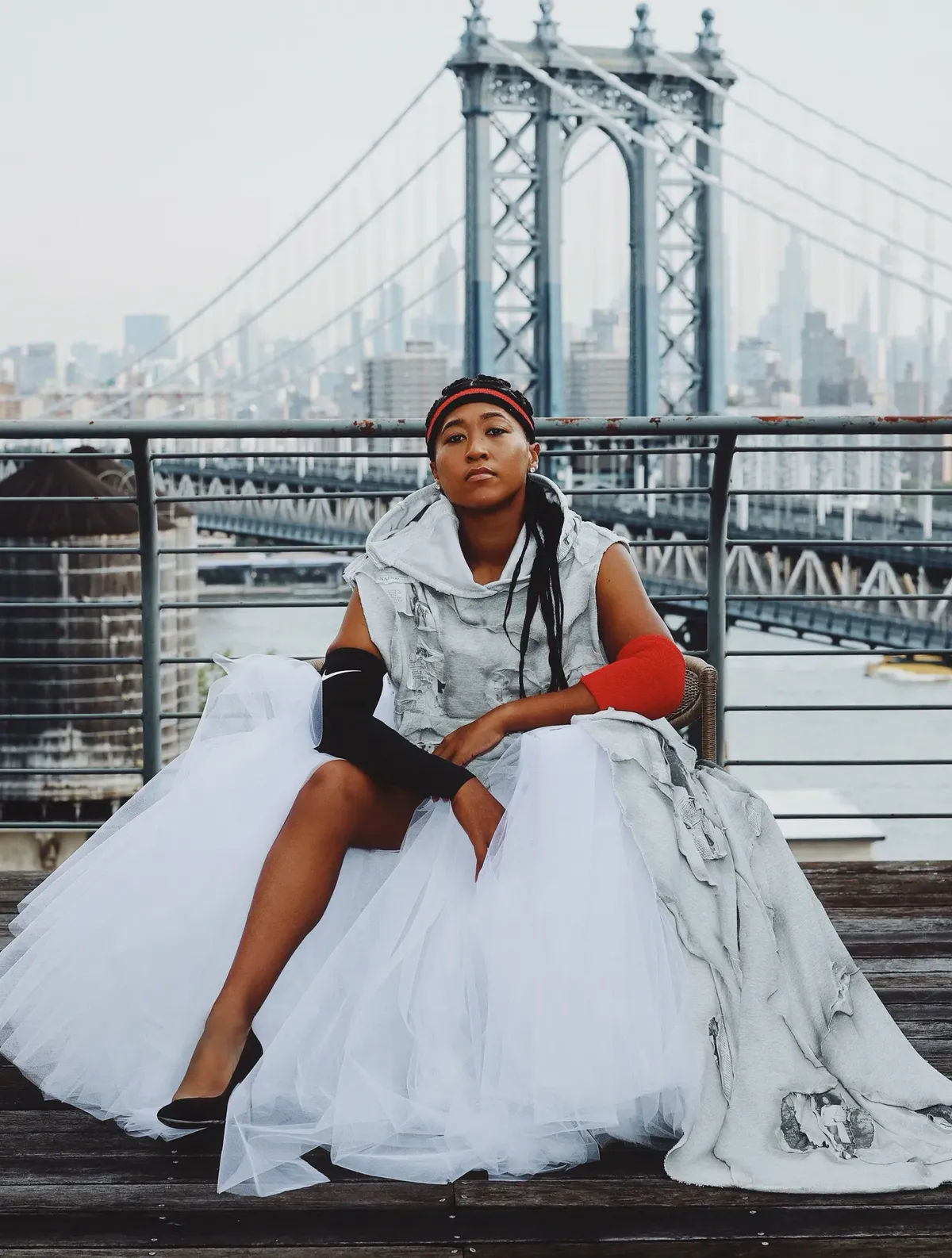
The look also incorporated references to Iverson's signature styling — from cornrows and a headband to the attitude associated with his early-2000s basketball image.
It was a fitting tribute because Iverson was never simply an athlete. He fundamentally changed the relationship between basketball and fashion. Cornrows, oversized clothing, arm sleeves, jewelry, and streetwear moved from the court into mainstream culture, eventually influencing the luxury fashion industry itself.
The look also carried an interesting archival connection. Its silhouette referenced an earlier Who Decides War design from Fall 2020, created by the brand's founders under Virgil Abloh's mentorship. Suddenly, one US Open appearance connected multiple generations of fashion: Iverson's influence on streetwear, Virgil's influence on a new generation of designers, and Osaka's ability to turn sports dressing into a cultural statement.
That's the kind of fashion moment we are always watching.
Fall 2026 Is Looking Black and Red
If the runway and consumer data are any indication, Fall 2026 is leaning into drama.
Black and red are dominating color conversations, while sunglasses, minimalism, lace, and tailored trousers continue to gain attention. On paper, these trends might seem contradictory — minimalism on one side, dramatic color and romantic lace on the other — but together they point toward something more interesting.
Fashion is becoming more intentional.
The current mood isn't necessarily about buying more. It's about finding pieces with a strong point of view. A sharply tailored trouser, an exaggerated pair of sunglasses, a lace detail, or a perfectly cut black jacket can completely define a look without needing much else.
And that's where archival fashion fits naturally into the conversation. The best vintage pieces don't need to follow a trend because they already have one. They carry a silhouette, fabrication, or design language that can be pulled into the present without losing the history that made it interesting in the first place.
The MP3 Player Is Back
Apparently, we weren't done with the 2000s.
Justin Bieber's SKYLRK recently teased a Y2K-inspired MP3 player complete with wired earbuds and colorful headphones, tapping into the same nostalgia that has brought back digital cameras, flip phones, iPods, and other pieces of early-internet culture.
The appeal isn't really about technology. It's about the feeling attached to it.
Before smartphones became the device through which we photographed, communicated, listened, shopped, and navigated our entire lives, technology was much more fragmented. You had a camera. You had an MP3 player. You had headphones. You had a phone. Each object had its own personality.
Fashion understands that nostalgia extremely well. Once an object becomes obsolete, it can eventually become desirable again — not because it is technologically superior, but because it represents a specific moment in time.
The return of the MP3 player is another reminder that Y2K isn't going anywhere. We're not just wearing the era again. We're rebuilding its entire visual world.
So, What Are We Into?
We're into fashion that remembers.
We're into Galliano's complicated place in fashion history, Dolly Parton's unapologetic glamour, Yayoi Kusama's infinite visual language, and Louis Vuitton's ability to turn a collaboration into an entire cultural universe.
We're into New York in September, when tennis becomes fashion and fashion becomes sport. We're into Naomi Osaka using a US Open appearance to connect Allen Iverson's legacy to a new generation. We're into black, red, lace, tailored trousers, oversized sunglasses, and anything that makes a wardrobe feel like it has a point of view.
And, apparently, we're into MP3 players again.
Because the best part of fashion's obsession with the past isn't simply nostalgia. It's the ability to take something that already existed and make it feel completely new.
That's what we're into.
Come See the Archive
Want to see what we're into IRL? Visit Into Archive's New York showroom and explore our collection of rare and collectible pieces from fashion's most influential eras.
→ Book a private showroom appointment
About Into Archive
Into Archive is a New York-based archival fashion showroom specializing in rare and collectible designer pieces from fashion’s most influential eras. Our collection features vintage and archival garments from designers including Dior, Prada, Chanel, Jean Paul Gaultier, Vivienne Westwood, and more.